
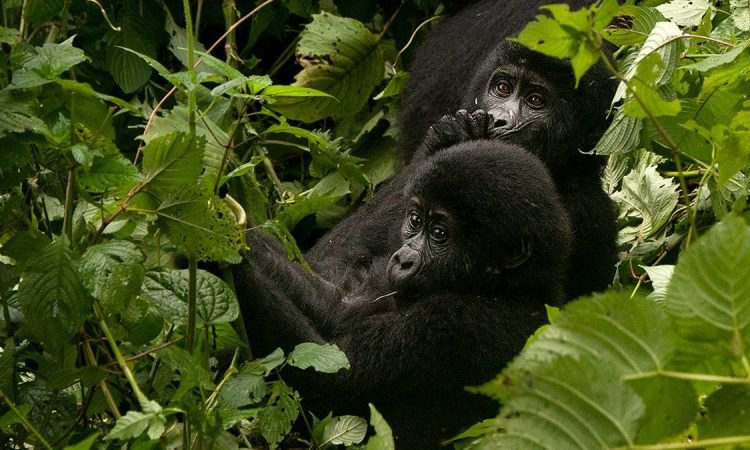
Ultimate Rwanda Gorilla Trekking: An Unforgettable Mountain Gorilla Adventure
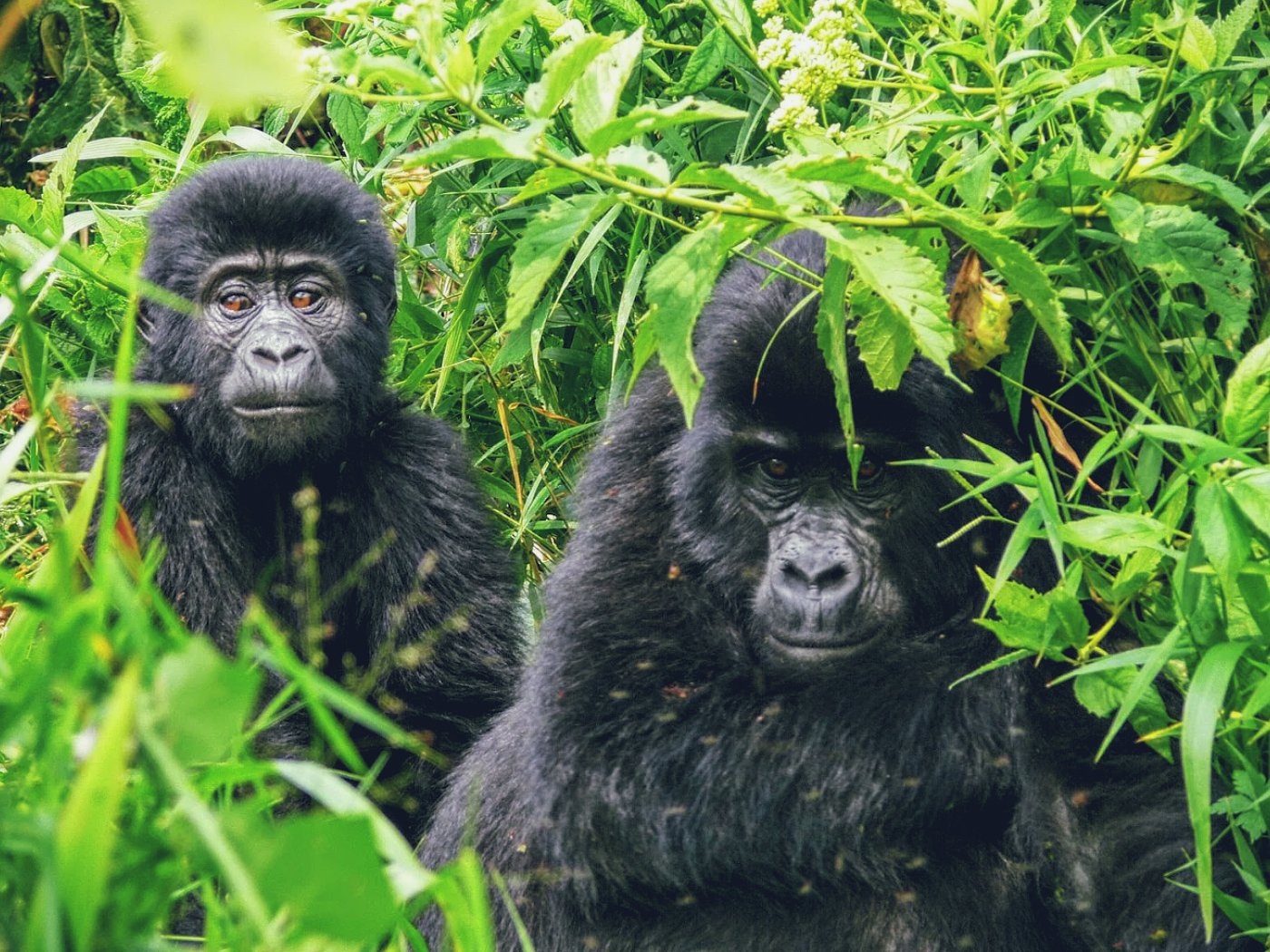
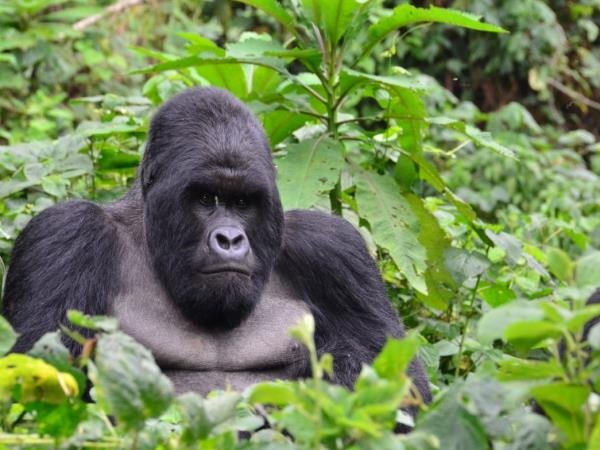
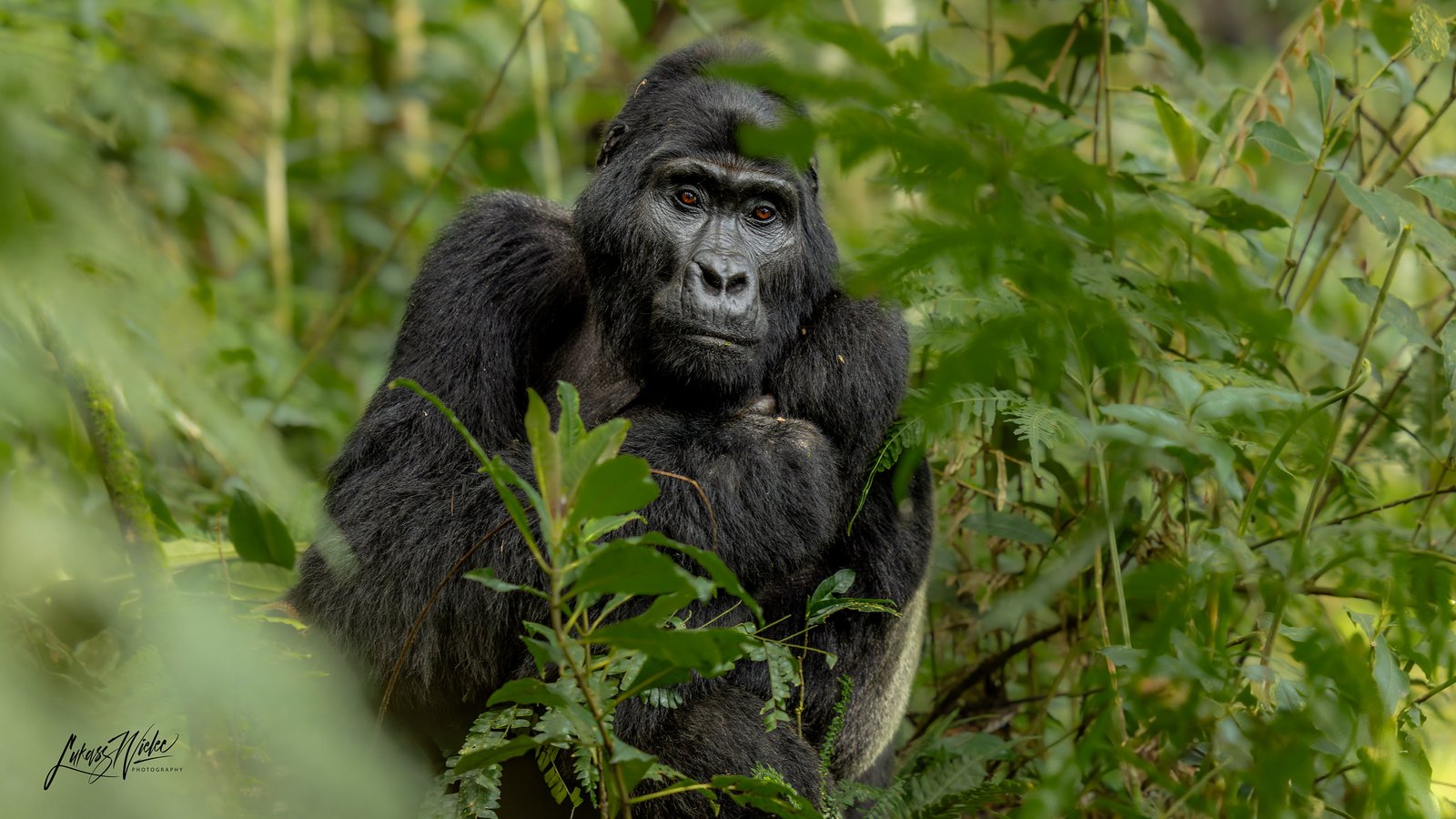
Rwanda Gorilla Trekking is one of Africa’s most extraordinary wildlife experiences, taking travellers deep into the misty mountain forests of Volcanoes National Park to encounter endangered mountain gorillas in their natural habitat. Unlike a traditional safari where wildlife is usually observed from a vehicle, gorilla trekking requires visitors to enter the forest on foot with professional trackers and guides, follow signs left by a habituated gorilla family and eventually spend a carefully managed period observing these remarkable primates at close range.
Volcanoes National Park lies in northwestern Rwanda and protects the steep slopes of the Virunga Massif. Its landscape includes evergreen forest, bamboo, grassland, swamp and high-altitude heath beneath the volcanoes of Karisimbi, Bisoke, Sabyinyo, Gahinga and Muhabura. This dramatic mountain environment makes the journey toward the gorillas almost as memorable as the encounter itself.
For international visitors, the standard Rwanda Gorilla Trekking permit currently costs US$1,500 per person per trekking day, and the minimum permitted trekking age is 15 years. Visitors gather at the Volcanoes National Park headquarters in Kinigi for the morning briefing before being allocated to a habituated gorilla family.
The experience can be incorporated into a short two- or three-day journey from Kigali or become the centrepiece of a longer Rwanda safari combining golden monkeys, Lake Kivu, Akagera National Park, Nyungwe and cultural experiences. The best itinerary depends on how much time you have, your preferred accommodation level, fitness, budget and whether gorillas are the main reason for travelling to Rwanda.
What Is Rwanda Gorilla Trekking?
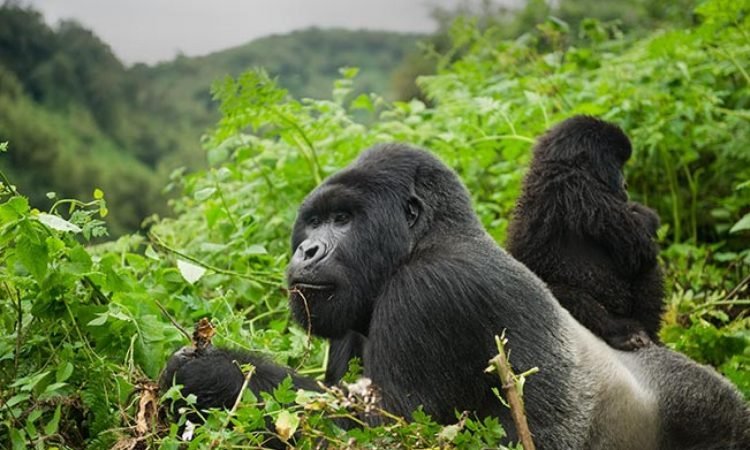
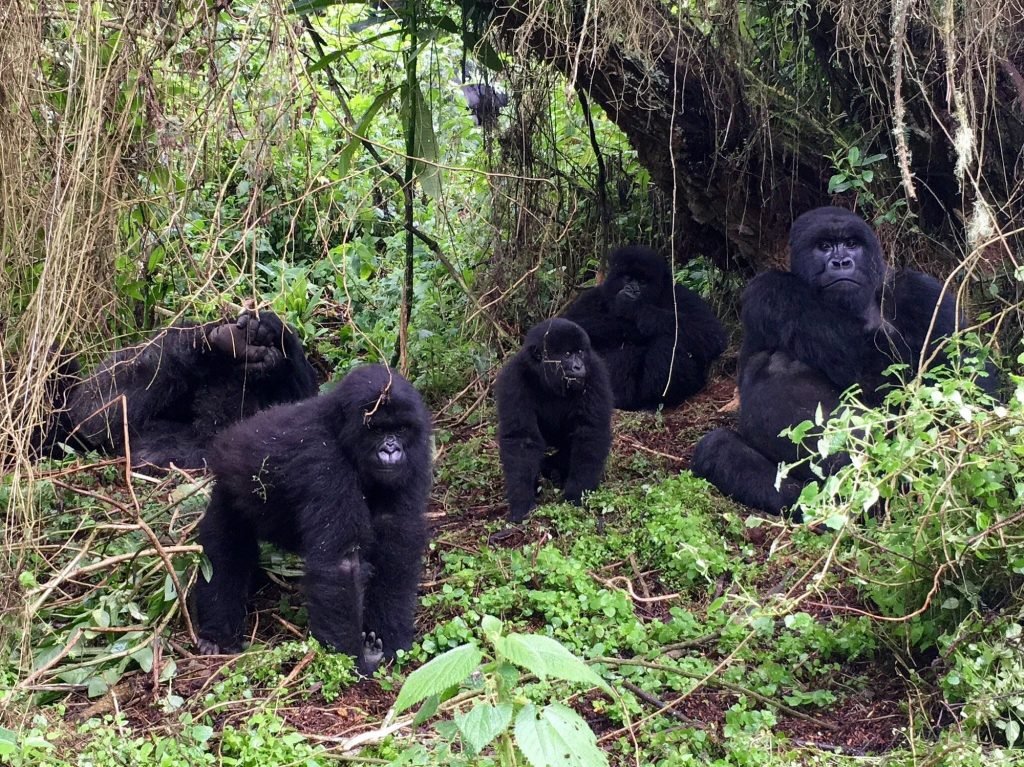
Rwanda Gorilla Trekking is a guided wildlife experience in which visitors walk through Volcanoes National Park to locate one of the habituated mountain gorilla families available for tourism. These gorillas remain wild and move naturally through their mountain environment, but they have gradually become accustomed to the controlled presence of people under the supervision of experienced conservation teams.
The trekking experience is therefore very different from visiting animals in captivity. There are no enclosures and no predetermined location where the gorillas wait for visitors. Trackers monitor gorilla movements, while guides lead visitors through forest terrain toward the family’s location.
The length of the walk varies considerably. Visit Rwanda notes that hikes to different gorilla groups can range from about 30 minutes to four or more hours, with trekking taking place at elevations between approximately 2,500 and 4,000 metres. Another official itinerary describes the experience as potentially lasting from around 90 minutes through the whole morning, depending on the family allocated.
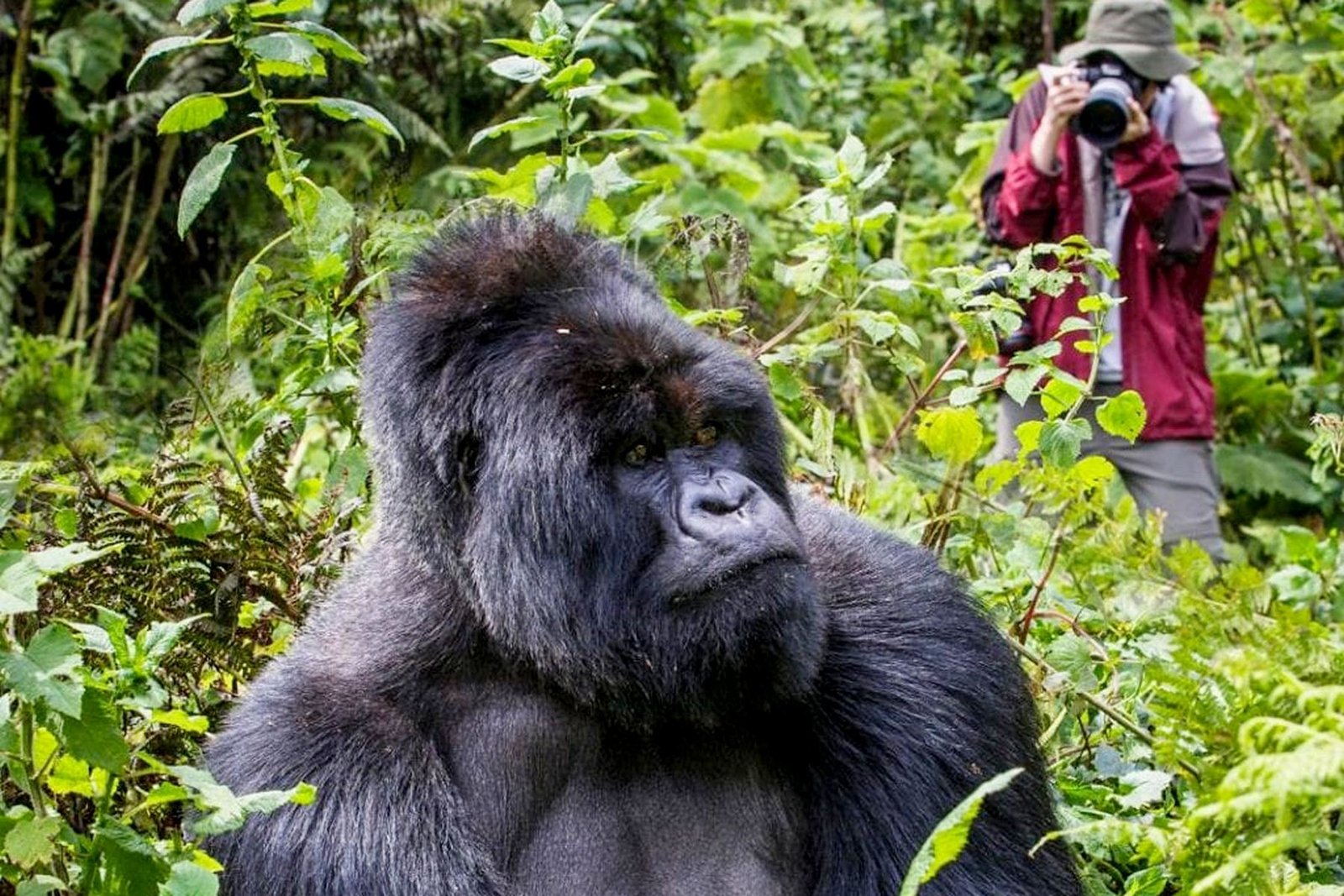
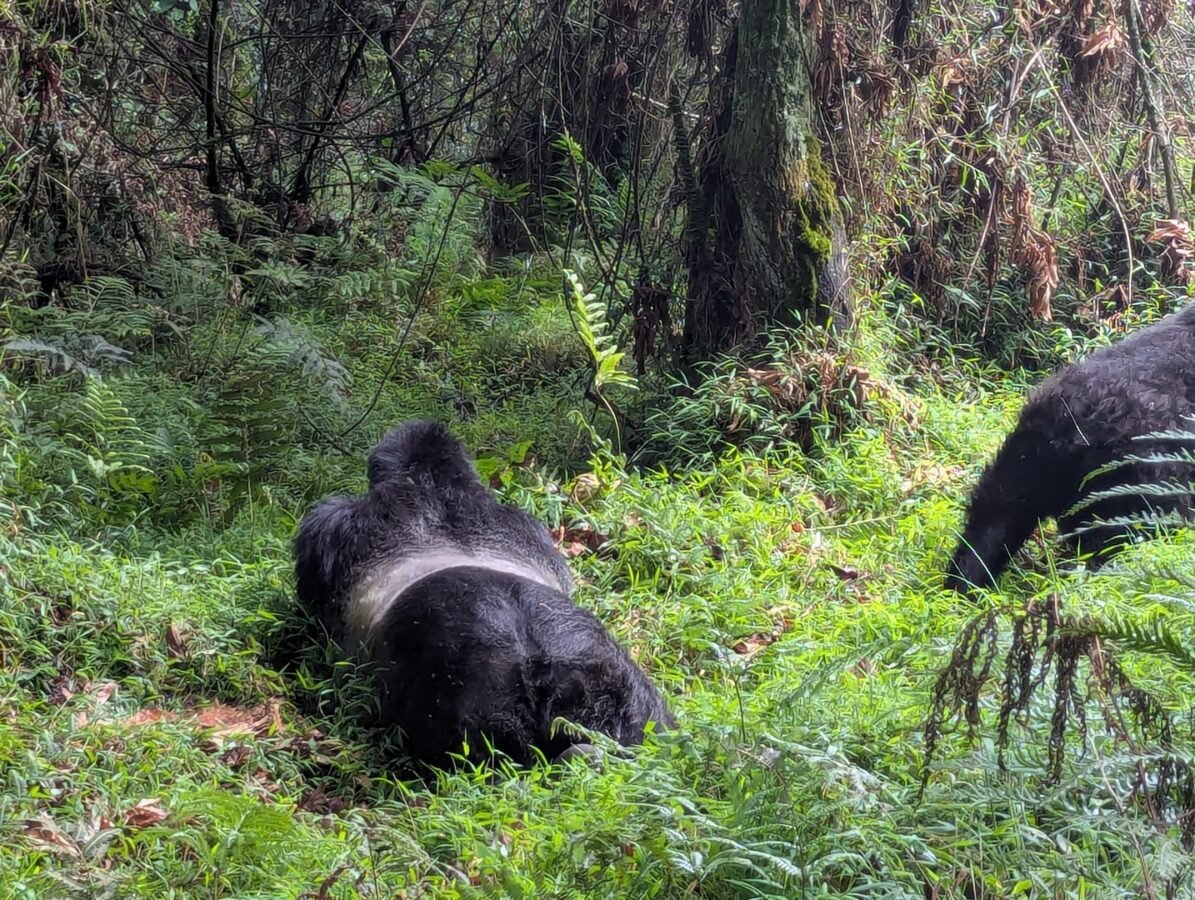
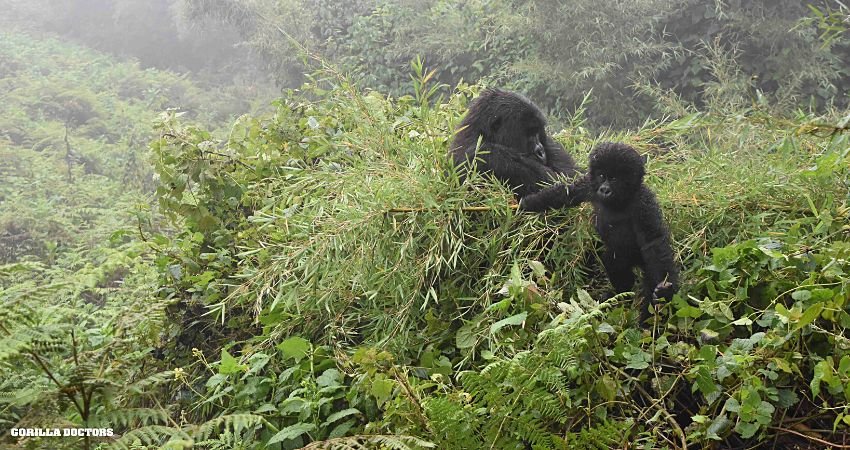
Once the gorillas are located, visitors on the standard experience spend one hour observing them. During this time, travellers may see silverbacks resting, mothers caring for infants, juveniles playing, individuals feeding or the family moving slowly through the vegetation.
Why Choose Rwanda Gorilla Trekking?
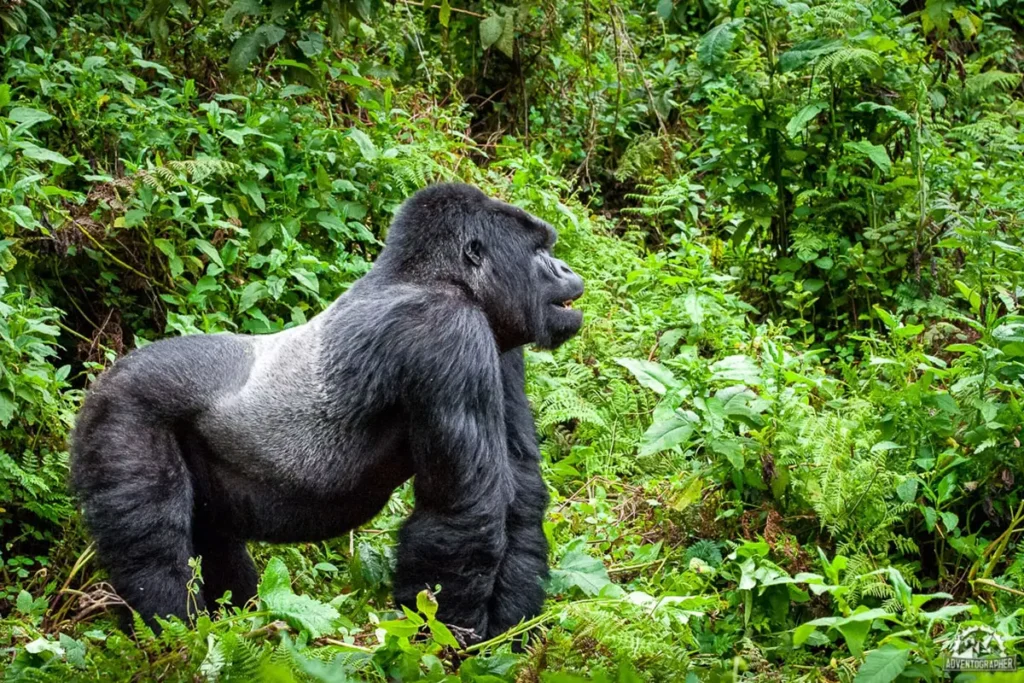
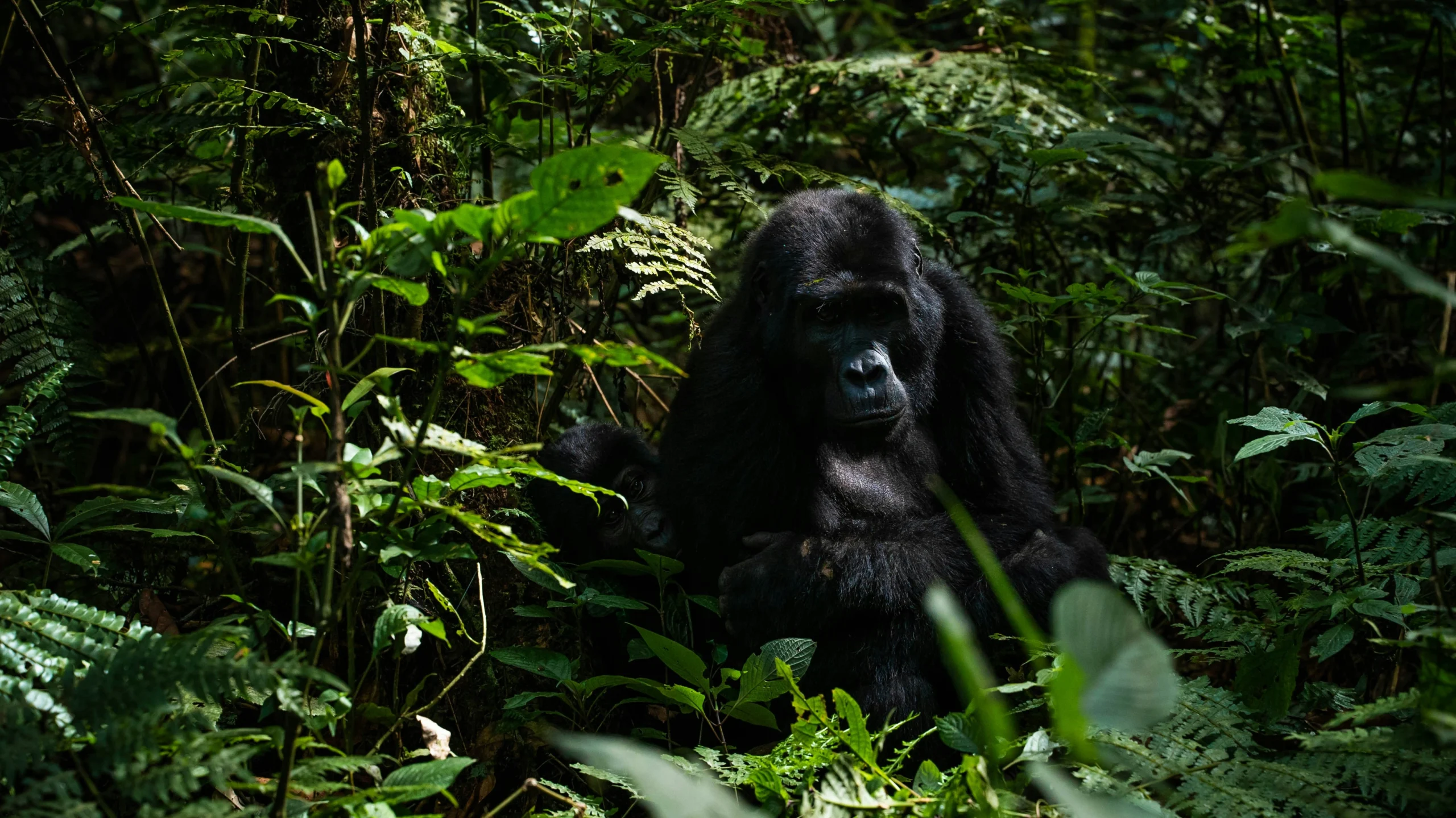
One of the strongest advantages of Rwanda Gorilla Trekking is accessibility from Kigali. Visit Rwanda’s own three-day gorilla itinerary describes the drive from Kigali to Volcanoes National Park as approximately three hours through Rwanda’s green countryside.
This makes it possible to build a short gorilla-focused journey without requiring a domestic flight. Travellers can arrive in Kigali, continue north toward the Virunga Mountains and spend the night close to Volcanoes National Park before trekking the following morning.
Rwanda also offers a wide range of accommodation around the gorilla region, from comfortable locally operated lodges to some of Africa’s most sophisticated luxury properties. This allows the same wildlife experience to be incorporated into very different travel styles.
Another advantage is the ability to combine gorillas with other Rwanda experiences without crossing an international border. Golden monkey tracking can be added in Volcanoes National Park, while Lake Kivu can provide relaxation after trekking. Travellers with more time can continue to Akagera for classic safari wildlife or Nyungwe for another completely different rainforest experience.
For visitors with a limited number of days who want an organised and relatively compact mountain gorilla journey, these logistics make Rwanda particularly attractive.
Where Does Rwanda Gorilla Trekking Take Place?
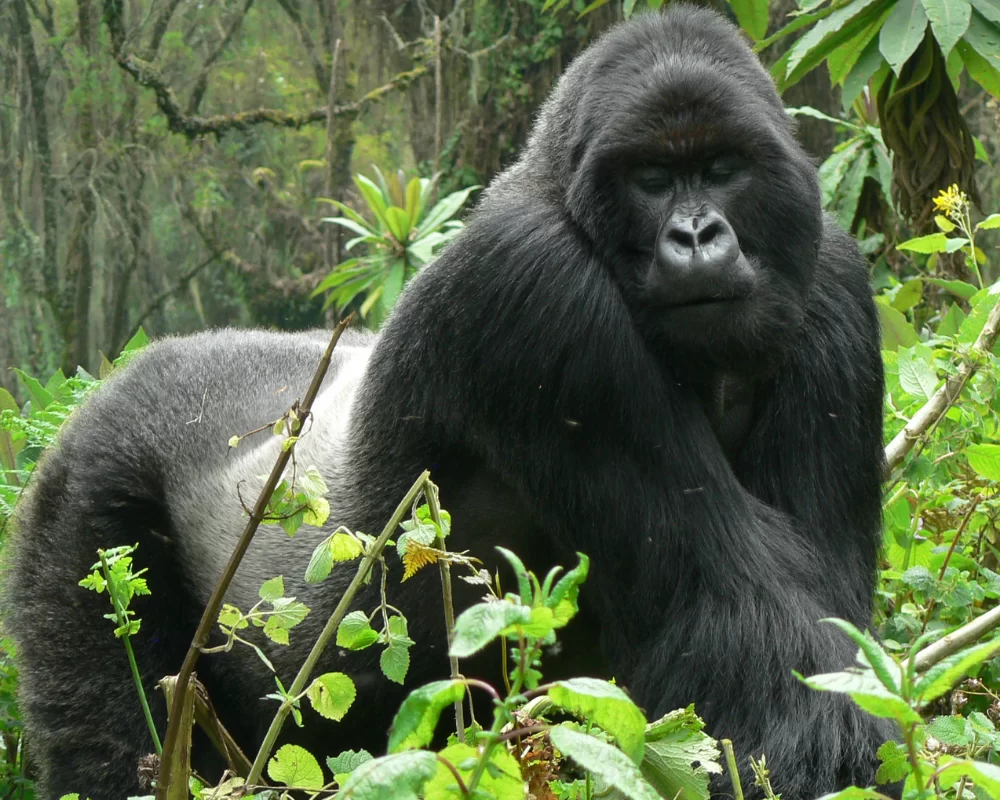
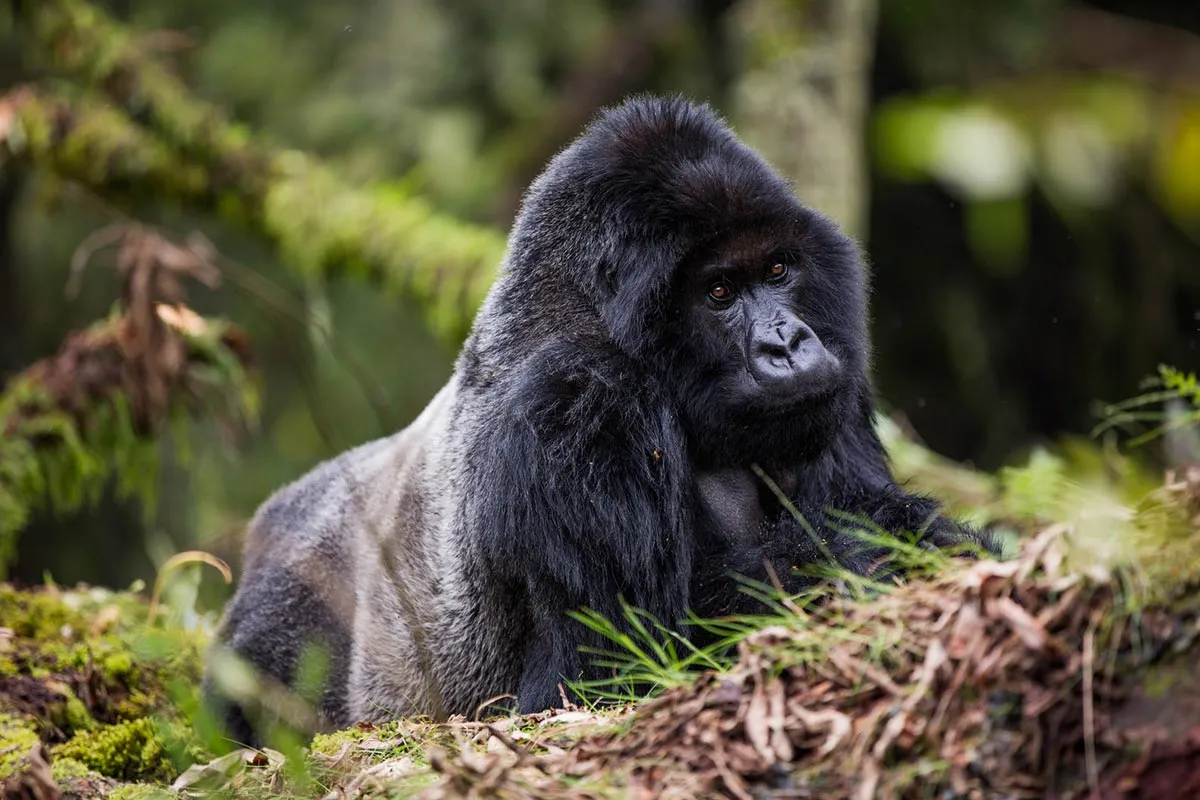
All standard Rwanda Gorilla Trekking takes place in Volcanoes National Park, situated in the far northwest of the country.
The park protects the Rwandan section of the Virunga mountain ecosystem and contains a striking mixture of bamboo, evergreen forest, grassland, wetlands and high-altitude vegetation. Its volcanic skyline is dominated by Karisimbi, Bisoke, Sabyinyo, Gahinga and Muhabura.
The tourism centre for the park is around Musanze and Kinigi. Trekkers report to the park headquarters in Kinigi in the morning before continuing to the appropriate trailhead for their assigned gorilla family. Visit Rwanda currently states that visitors gather at the headquarters at 7:00 a.m. for allocation and briefing.
This is why spending the previous night around Volcanoes National Park is generally more comfortable than trying to reach the briefing point from another distant part of Rwanda on trekking morning.
Rwanda Gorilla Trekking from Kigali
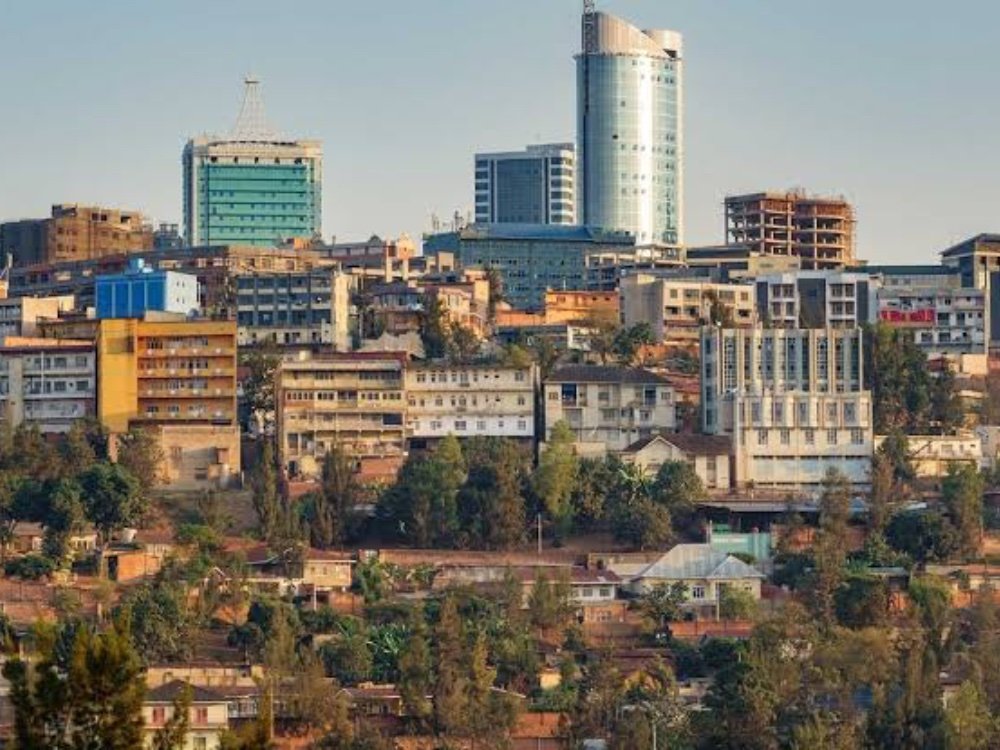
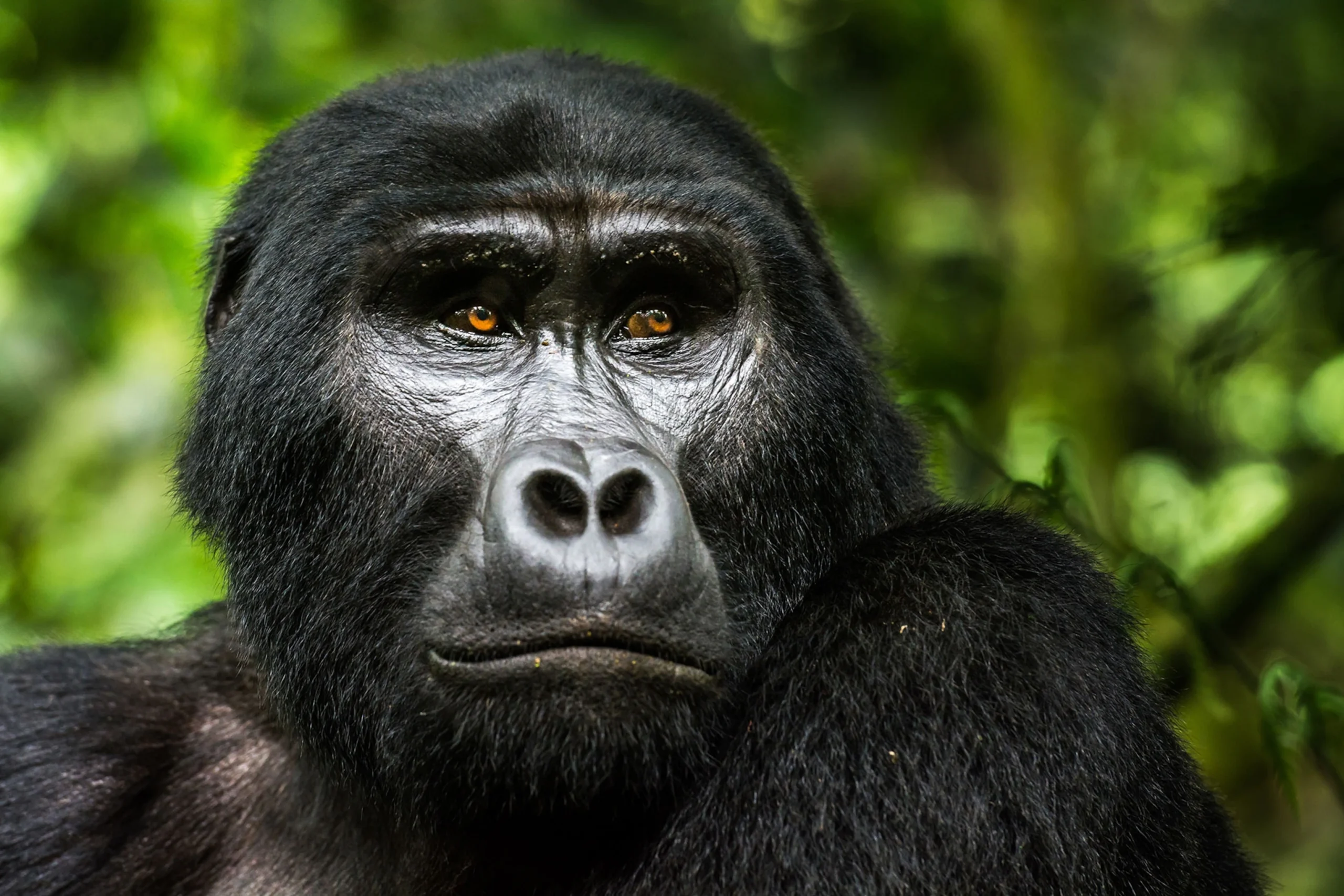
Kigali is the main gateway for most international travellers planning Rwanda Gorilla Trekking.
Visit Rwanda describes the journey from Kigali to Volcanoes National Park as roughly three hours by road. This relatively short connection makes Rwanda one of the easiest destinations for travellers who want to build a mountain gorilla encounter into a short African itinerary.
For most visitors, the more comfortable arrangement is to leave Kigali the day before trekking. This creates time to enjoy the countryside, arrive at the lodge during daylight, organise trekking equipment and have an early night before the morning briefing.
A same-day transfer from Kigali for trekking would require a very early departure because visitors are expected at Kinigi at around 7:00 a.m. For that reason, an overnight stay near Volcanoes National Park usually creates a much more relaxed experience.
After trekking, travellers can either remain in the region for another night or return to Kigali later in the day. Staying another night is particularly worthwhile for those who want to enjoy their lodge, recover from the hike or add golden monkey tracking the next morning.
What Happens on a Rwanda Gorilla Trekking Day?
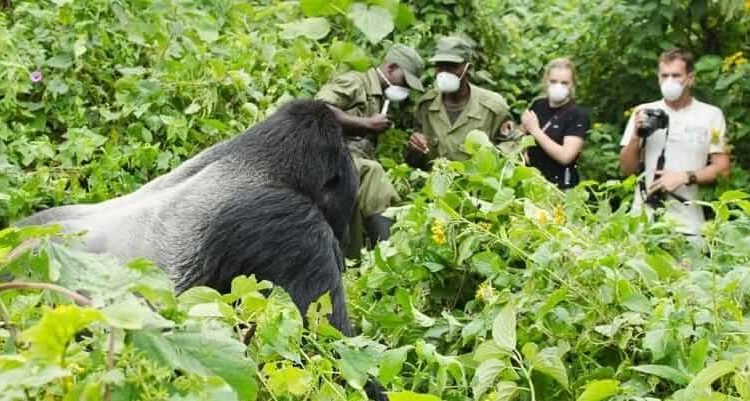
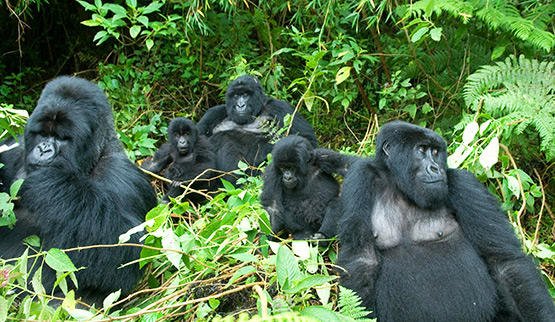
The day begins early. After breakfast at the lodge, travellers drive to the Volcanoes National Park headquarters in Kinigi.
Visitors attend a briefing explaining how the experience works and the regulations that apply around the gorillas. Trekking groups are then allocated to habituated gorilla families. Visit Rwanda notes that allocation takes fitness levels into consideration.
After the briefing, visitors travel toward the appropriate starting point and begin walking with their guides and trackers. The landscape may involve farmland at the lower elevations before the route enters increasingly dense vegetation.
The exact walk varies enormously because every gorilla family moves differently. Some groups may be relatively close, while others require several hours of hiking.
Eventually the trackers indicate that the gorillas are nearby. Visitors prepare cameras, follow the guide’s instructions and approach carefully.
The standard Rwanda Gorilla Trekking encounter then allows one hour with the gorillas. The family may remain in one location or move through the vegetation, requiring visitors to reposition under guide supervision.
Afterward, trekkers return through the forest toward the starting point, meet their driver-guide and return to the lodge.
A well-paced itinerary normally keeps the remainder of the afternoon relatively light. After an early morning and potentially demanding hike, lunch, rest and time reviewing photographs are often more enjoyable than immediately beginning another major excursion.
Rwanda Gorilla Trekking Permit Cost
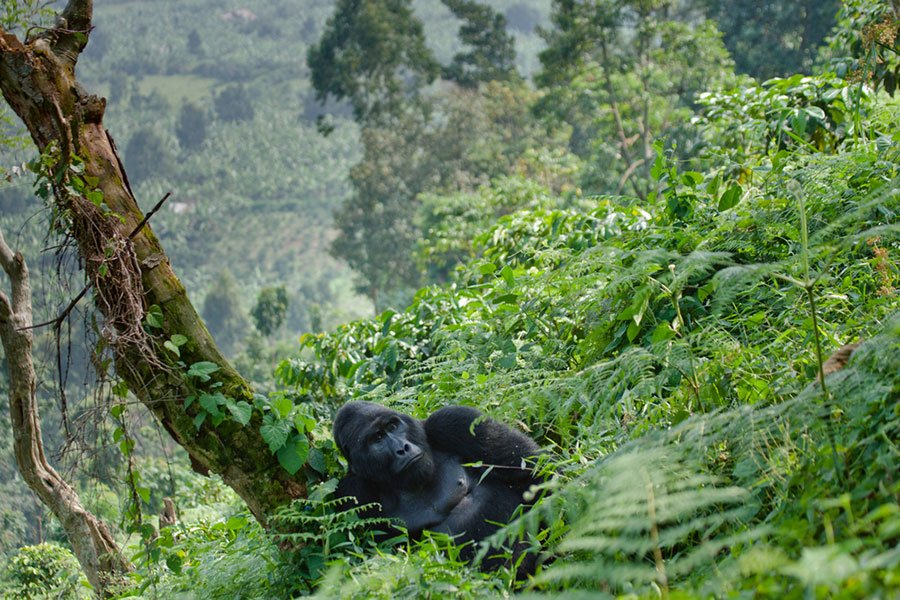
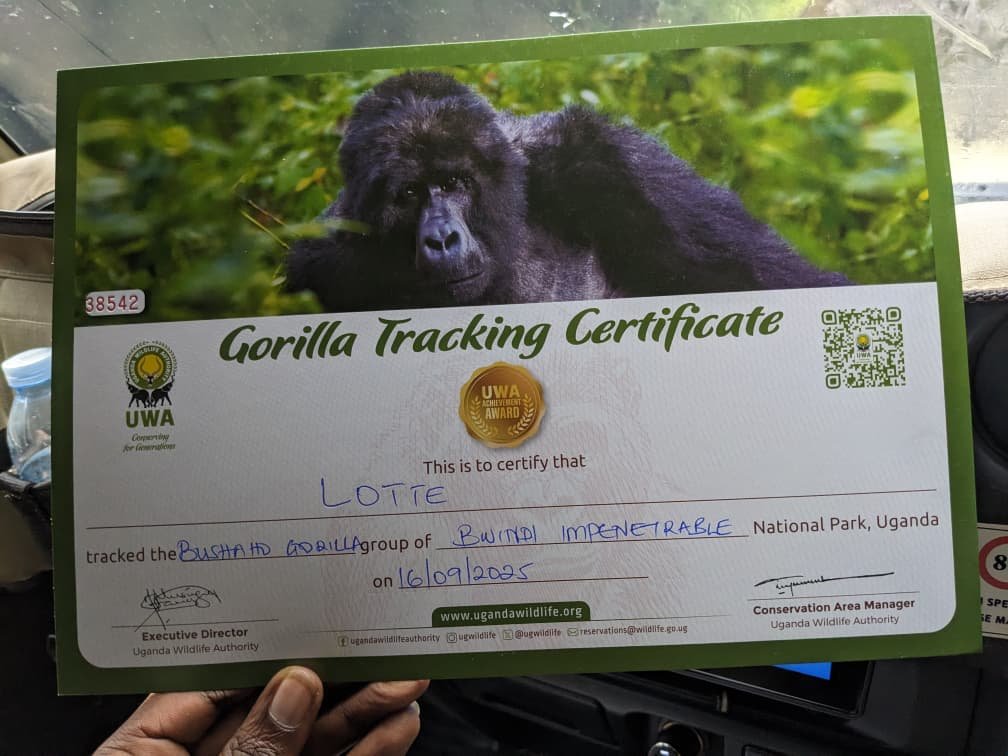
The standard Rwanda Gorilla Trekking permit costs US$1,500 per person per day for an international visitor.
This permit is one of the largest fixed expenses in a Rwanda gorilla safari. A couple requires two permits for one trekking day, meaning US$3,000 in permit costs alone. Four eligible family members require US$6,000 in standard international permits for one trek.
A second trekking day requires another permit for every participant.
The permit should therefore be separated mentally from the wider safari cost. Accommodation, transportation, meals, guiding and additional activities are separate components unless the quoted safari package explicitly includes them.
When comparing operators, travellers should check whether the advertised price already contains the gorilla permit. A package that initially appears much cheaper may simply exclude the US$1,500 permit.
Minimum Age for Rwanda Gorilla Trekking
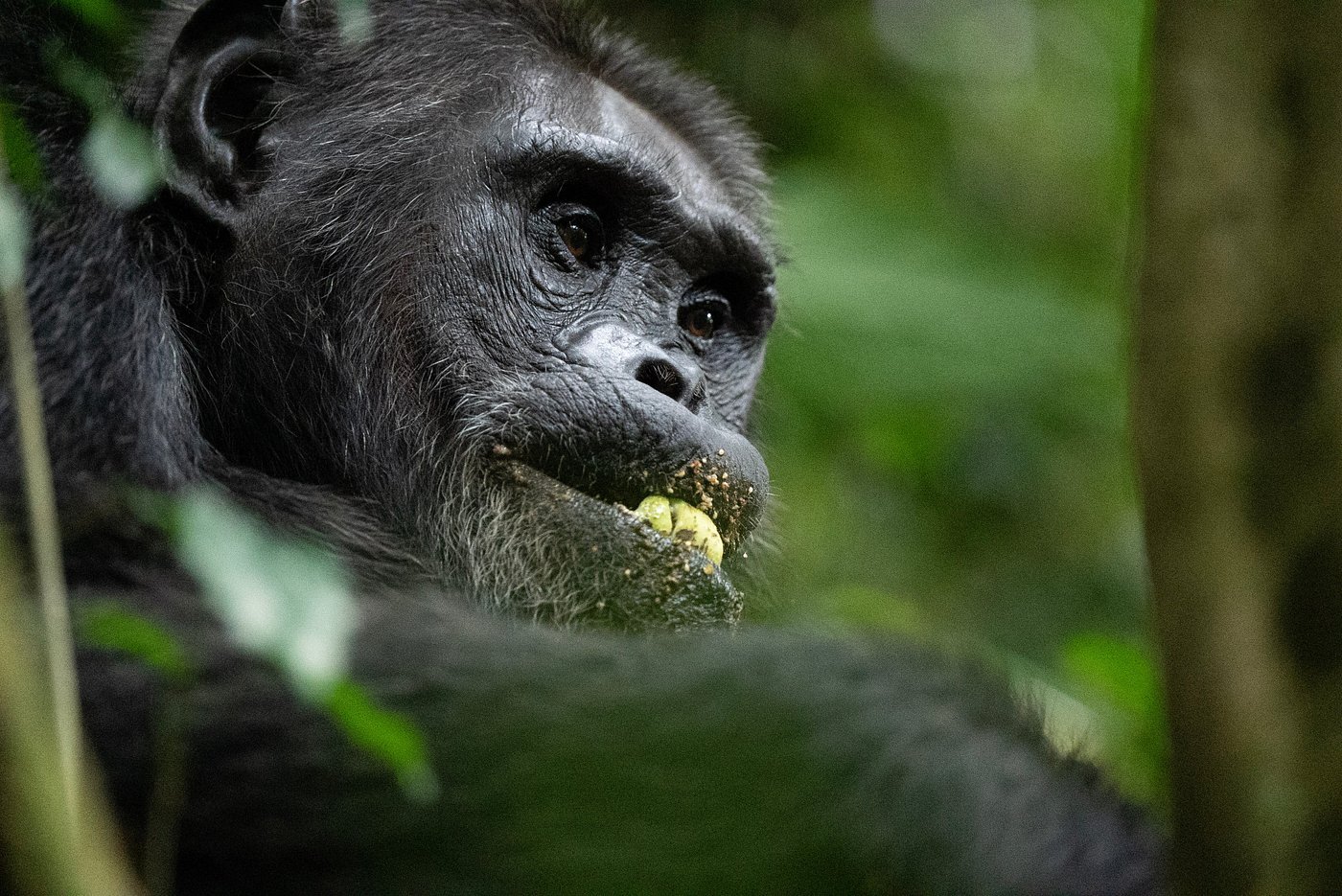
The current minimum age for Rwanda Gorilla Trekking is 15 years.
This rule is particularly important for families. Parents travelling with children younger than 15 should not design the entire family itinerary around the assumption that everybody can trek.
Families with teenagers aged 15 and above can potentially experience the gorillas together, provided the teenagers are physically capable of completing the walk and able to follow ranger instructions.
Younger children can still have an excellent Rwanda holiday. Akagera wildlife, Lake Kivu, Kigali and suitable experiences around the Volcanoes region can be incorporated into a wider family safari while eligible adults trek.
Alternative arrangements for younger children should always be confirmed before arrival rather than improvised on trekking morning.
How Difficult Is Rwanda Gorilla Trekking?
Bwindi Gorilla Trekking from Kigali
Rwanda Gorilla Trekking ranges from manageable to physically demanding depending on the gorilla family allocated, terrain and current conditions.
The park lies at significant altitude, and Visit Rwanda notes that gorilla hikes may reach elevations between roughly 2,500 and 4,000 metres.
Trekkers may encounter slopes, mud, roots, thick vegetation and stinging nettles. Weather can also change rapidly in the mountain environment.
That does not mean visitors must be highly trained hikers. Many people with ordinary levels of fitness successfully complete the experience. Preparation becomes especially useful for travellers who normally spend little time walking.
Regular walks before departure, particularly on hills or uneven terrain, can improve comfort considerably.
The objective should not be to trek quickly. It is to progress steadily and safely toward the gorillas.
Best Time for Rwanda Gorilla Trekking
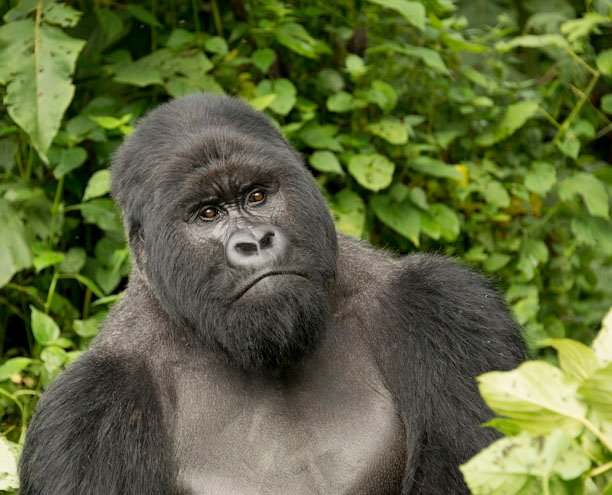
Rwanda Gorilla Trekking is available throughout the year, but trail conditions change with Rwanda’s seasons.
Visit Rwanda identifies two main rainy periods, from approximately mid-February to May and from mid-September to mid-December. The main dry season runs from June to mid-September, when roads and paths tend to be easier to navigate.
For that reason, June, July, August and early September are particularly popular with travellers who want relatively easier trekking conditions.
However, “dry season” should not be interpreted as guaranteed dry weather. Volcanoes National Park is a moist mountain environment, and rainfall remains possible.
The wetter months can produce very lush vegetation and dramatic forest atmosphere, but the trails may become muddier and more physically demanding.
The best month therefore depends on your schedule, tolerance for rain and permit and accommodation availability rather than weather alone.
What to Wear for Rwanda Gorilla Trekking
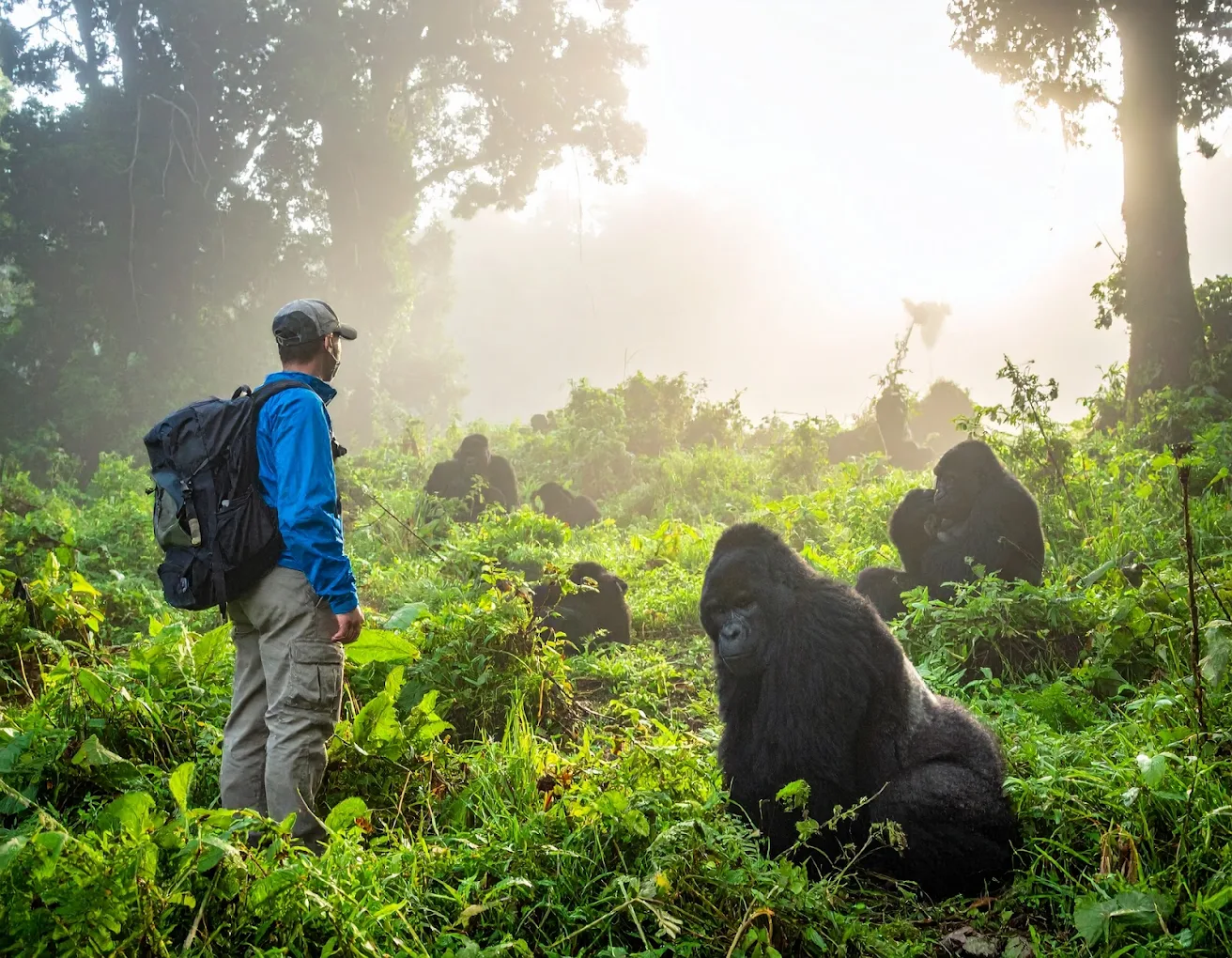
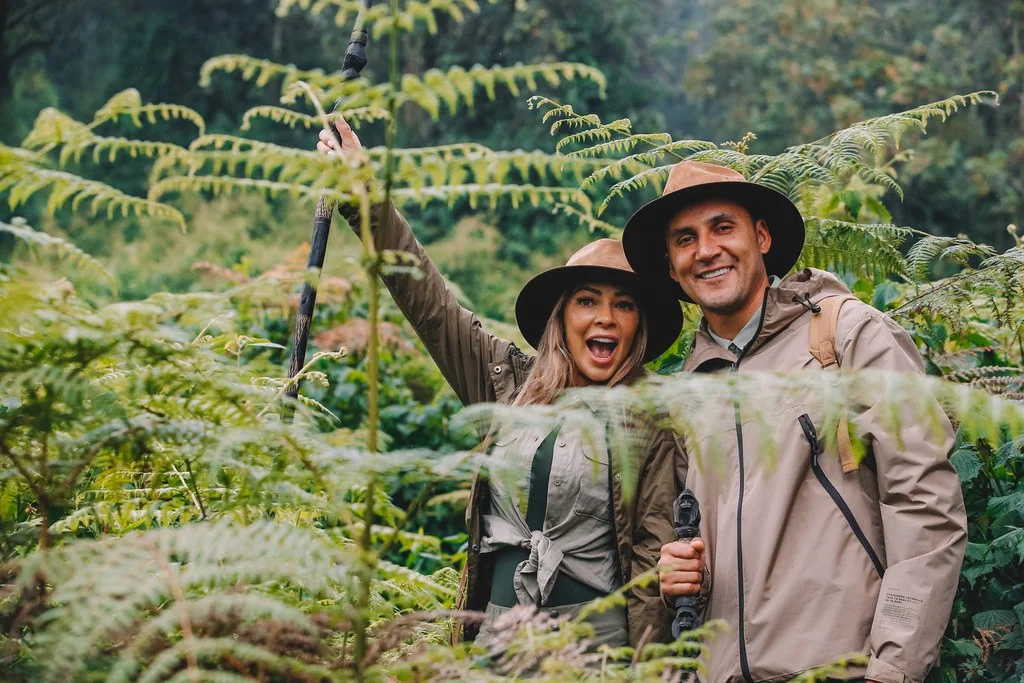
Practical clothing matters considerably during Rwanda Gorilla Trekking.
Visit Rwanda recommends sturdy clothing, solid walking shoes and lightweight waterproof protection for the moist mountain environment. It also recommends gloves because of thick vegetation and stinging nettles.
Long trousers protect the legs from vegetation and mud, while long sleeves protect the arms.
A lightweight waterproof jacket can be carried even when the morning appears dry because weather can change during the trek.
Gaiters can help keep mud and insects away from the lower legs and prevent trousers from catching on vegetation.
The most important footwear is a comfortable pair of hiking boots or sturdy walking shoes with adequate grip. Fashionable safari clothing is far less important than practical protection and comfort.
What to Pack for Rwanda Gorilla Trekking
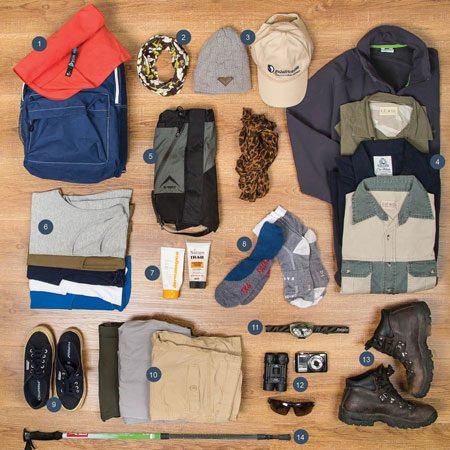
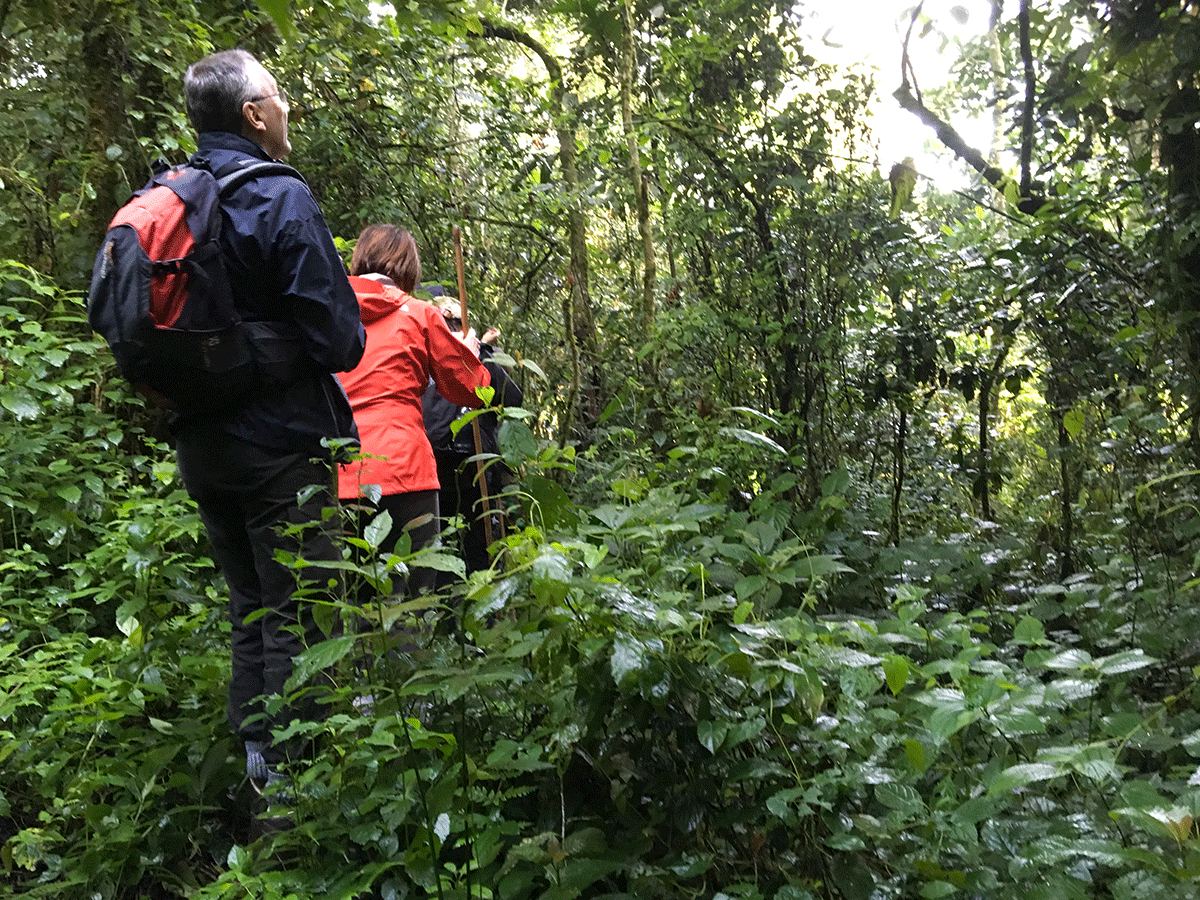
The trekking daypack should remain relatively light.
Water, rain protection, camera equipment and any necessary personal medication are among the most useful items. Heavy unnecessary equipment makes a long trek more tiring.
Camera equipment should be protected from moisture. A simple waterproof cover or appropriately protected daypack can be valuable in unpredictable mountain weather.
Gloves and gaiters can also be carried depending on the clothing already being worn.
If using a porter, the main bag can be carried for you, allowing you to walk more comfortably while keeping only essential items immediately accessible.
Photography During Rwanda Gorilla Trekking
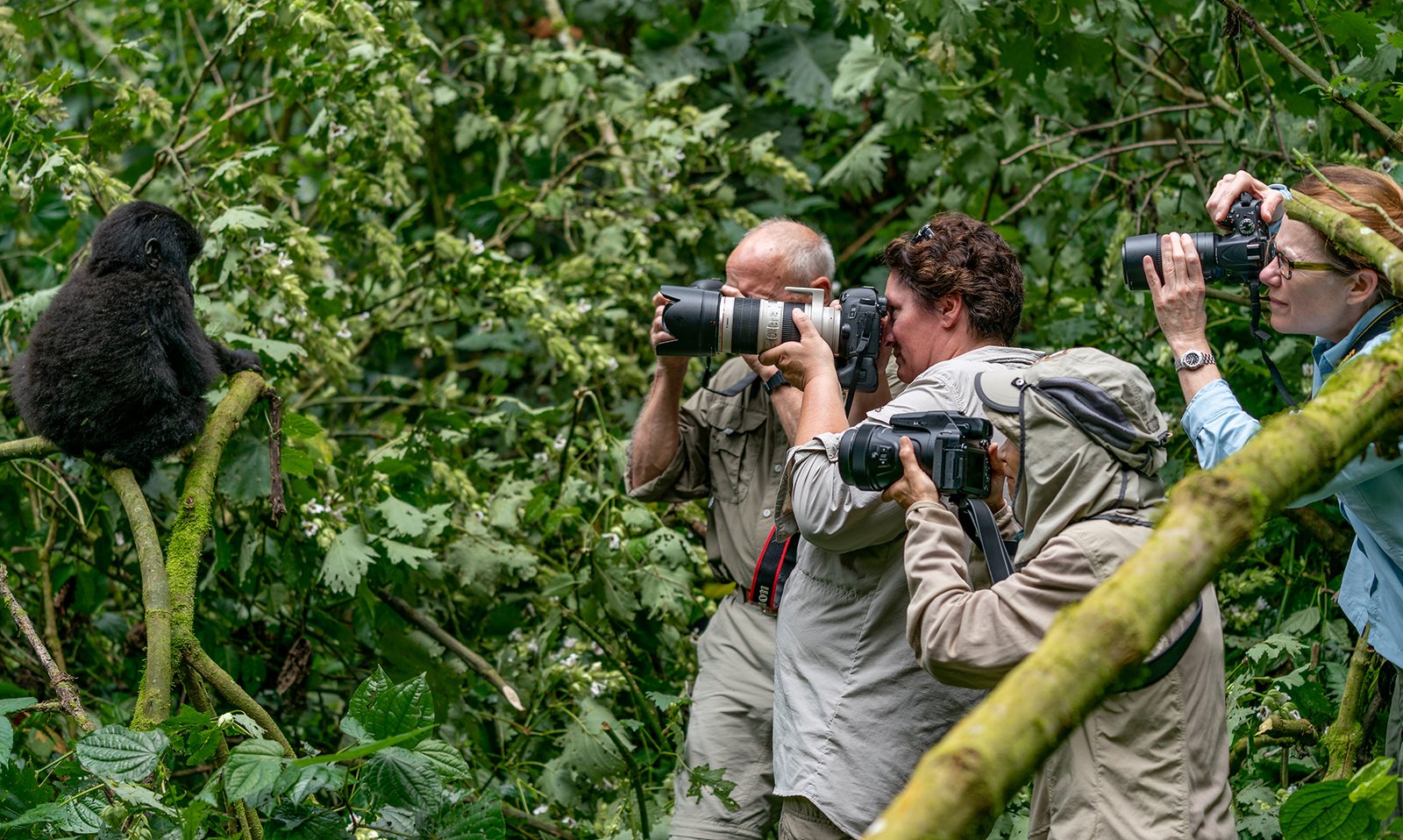
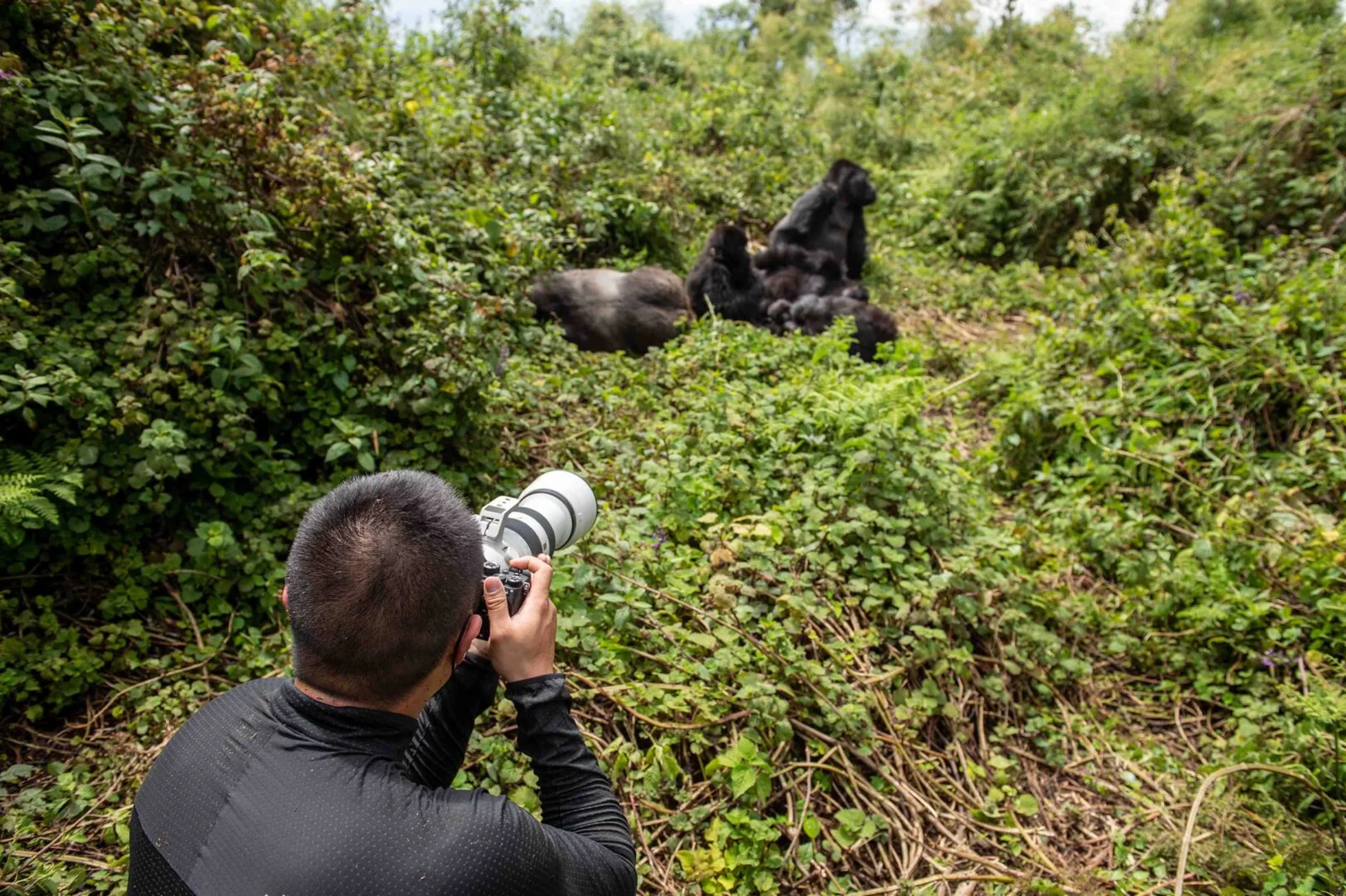
Photography is one of the highlights of Rwanda Gorilla Trekking, but forest conditions are very different from photographing animals across an open savannah.
Light can be limited beneath the vegetation. Gorillas may be partially surrounded by leaves, and individuals can change position while visitors remain under ranger direction.
Travellers should understand their camera before entering the forest. The limited viewing period is not the ideal moment to learn complicated settings.
A zoom lens can be useful for flexibility, but extremely large equipment can become cumbersome during the trek.
Most importantly, spend some time watching the gorillas without looking through a screen or viewfinder. Photographs preserve the memory, but the actual encounter is why you travelled.
Health and Gorilla Trekking
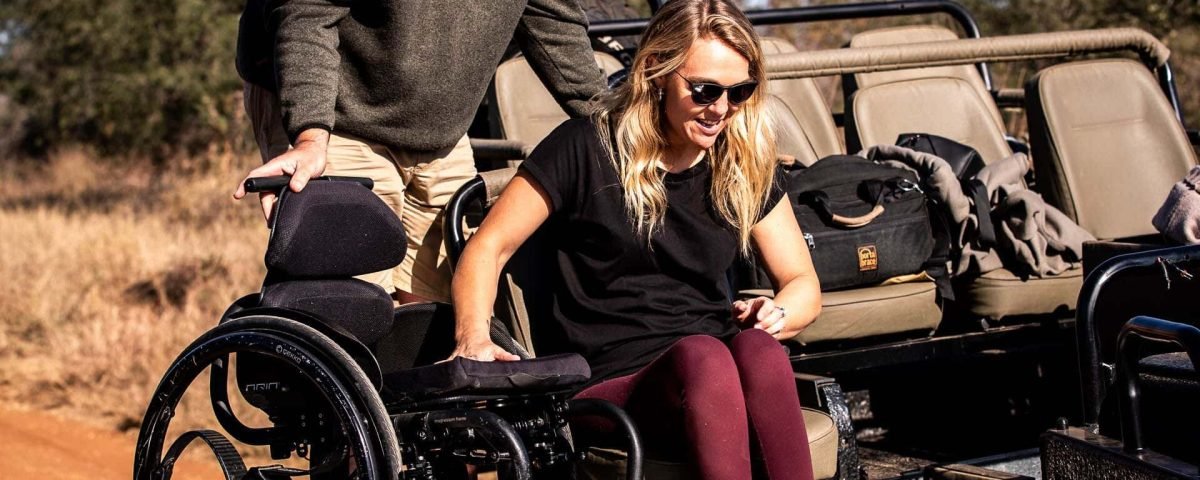
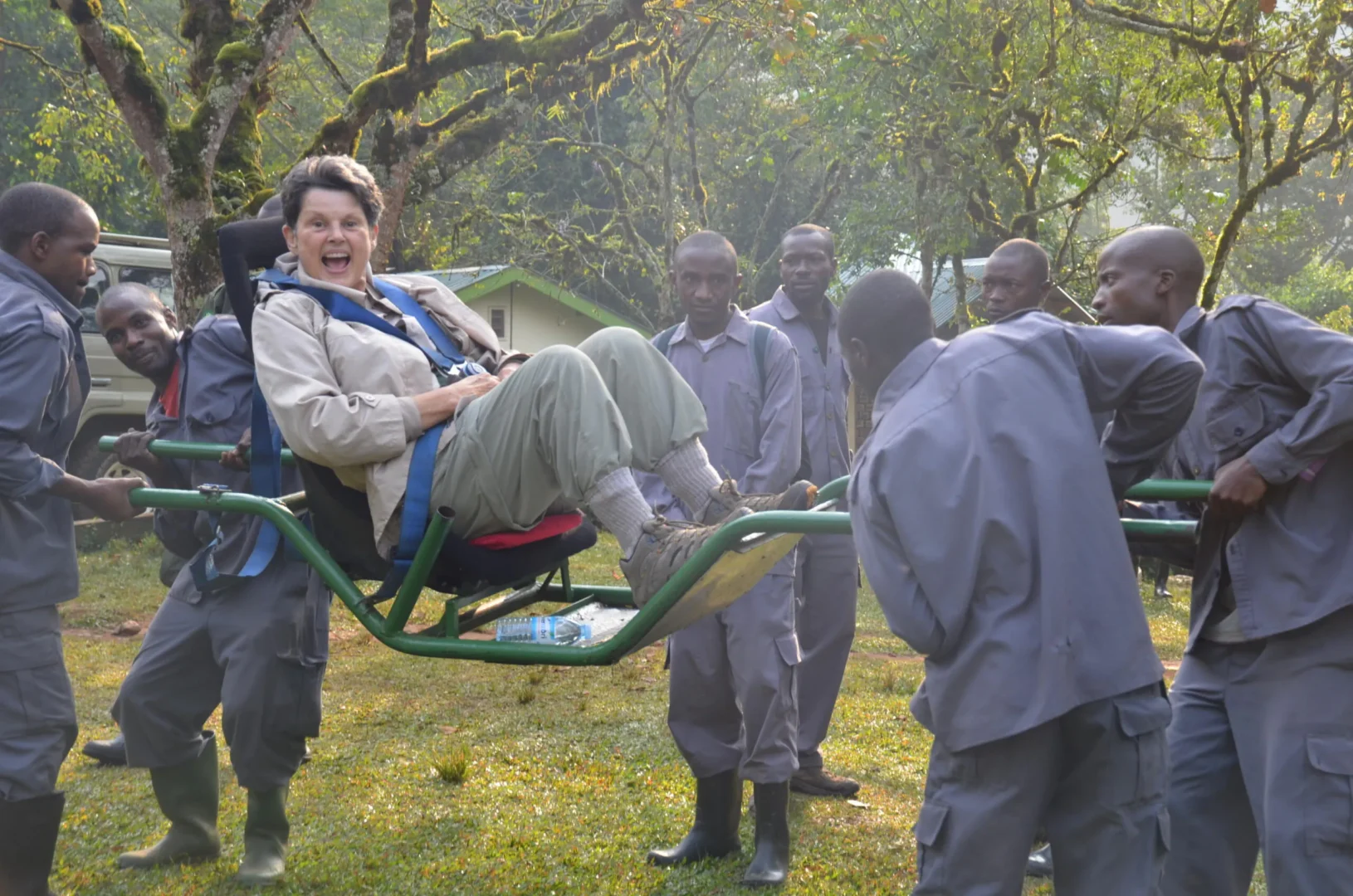
Mountain gorillas are closely managed wildlife, and the health of the animals takes priority during the encounter.
Travellers should follow all instructions provided at the official briefing and by trackers in the forest.
Anyone feeling unwell around the time of trekking should inform the appropriate guides rather than attempting to hide symptoms merely because the permit is expensive.
The principle is simple: gorilla tourism exists because the animals and their habitat are being protected. Visitor behaviour needs to support that conservation objective.
Travellers should also obtain appropriate personal travel-health advice before visiting Rwanda, particularly where vaccinations, medication or individual medical circumstances are concerned.
Conservation and Rwanda Gorilla Trekking
Conservation is central to Rwanda Gorilla Trekking, and permit revenue contributes beyond the actual trekking morning.
Visit Rwanda states that 10% of revenue from gorilla permits is channelled toward local communities, supporting projects such as schools, health centres and roads. The same official information notes that a compensation system exists for farmers when gorillas damage crops, helping support coexistence between wildlife and neighbouring communities.
Gorilla tourism also creates employment for trackers, rangers, porters, drivers and lodge staff.
This connection matters because conservation cannot function only inside park boundaries. Communities surrounding protected areas need to experience practical benefits from tourism and wildlife protection.
Visitors therefore contribute not only by buying a permit but also through accommodation, guiding, porter services and other local tourism expenditure.
Rwanda Gorilla Trekking for Families
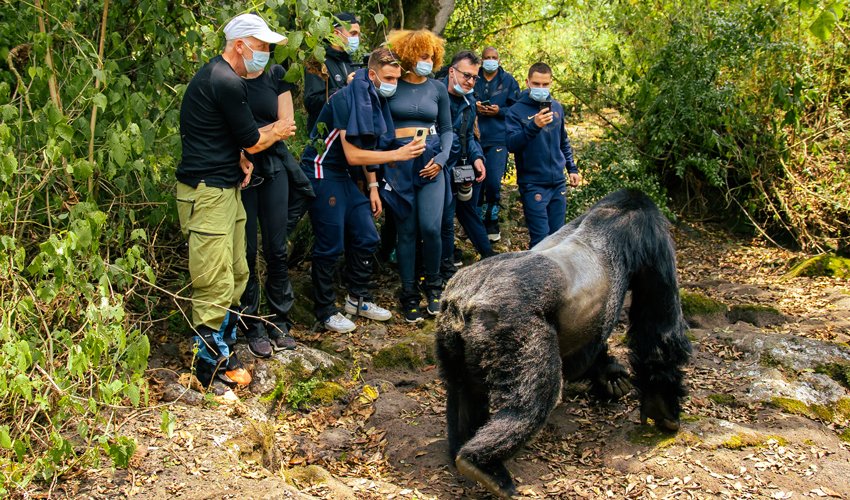
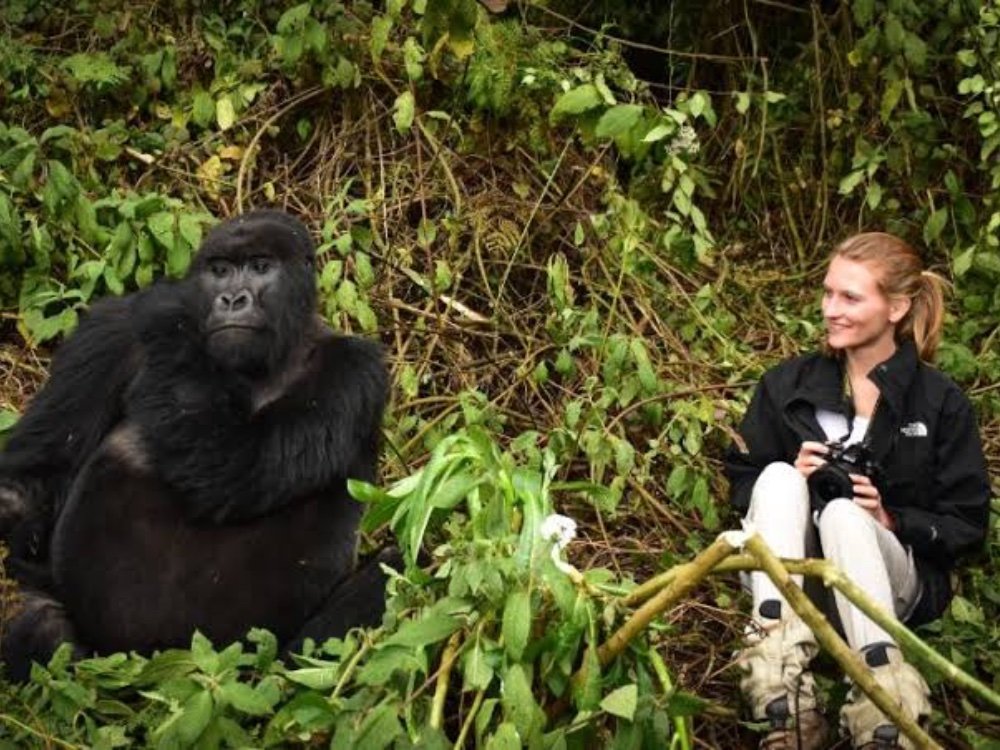
Rwanda Gorilla Trekking can be one of the most memorable family experiences in Africa when children meet the official minimum age.
Teenagers aged 15 and above can potentially trek with their parents. This makes Rwanda particularly attractive for families celebrating graduations, milestone birthdays or a final major family holiday before children leave home.
Parents should still evaluate fitness realistically. A teenager may meet the age requirement yet dislike difficult hiking.
Families with children younger than 15 can build a wider Rwanda itinerary around Akagera wildlife, Lake Kivu, Kigali and suitable Volcanoes-region experiences while eligible relatives trek.
The best family plan gives younger travellers meaningful alternatives rather than treating them as passengers waiting at the lodge.
Rwanda Gorilla Trekking for Seniors
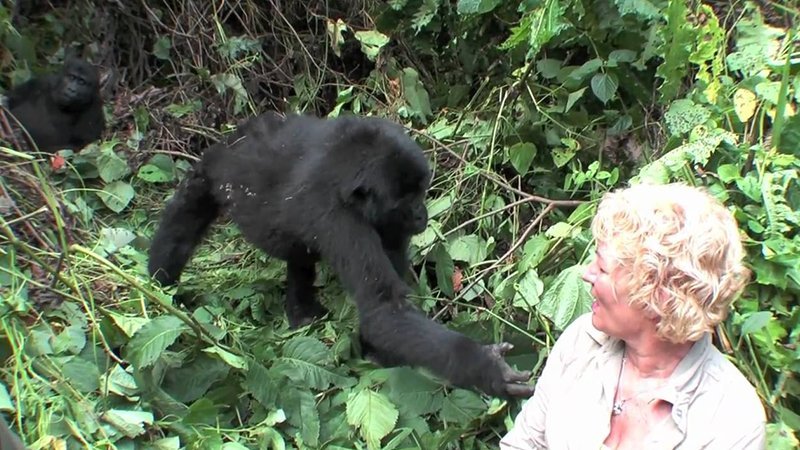
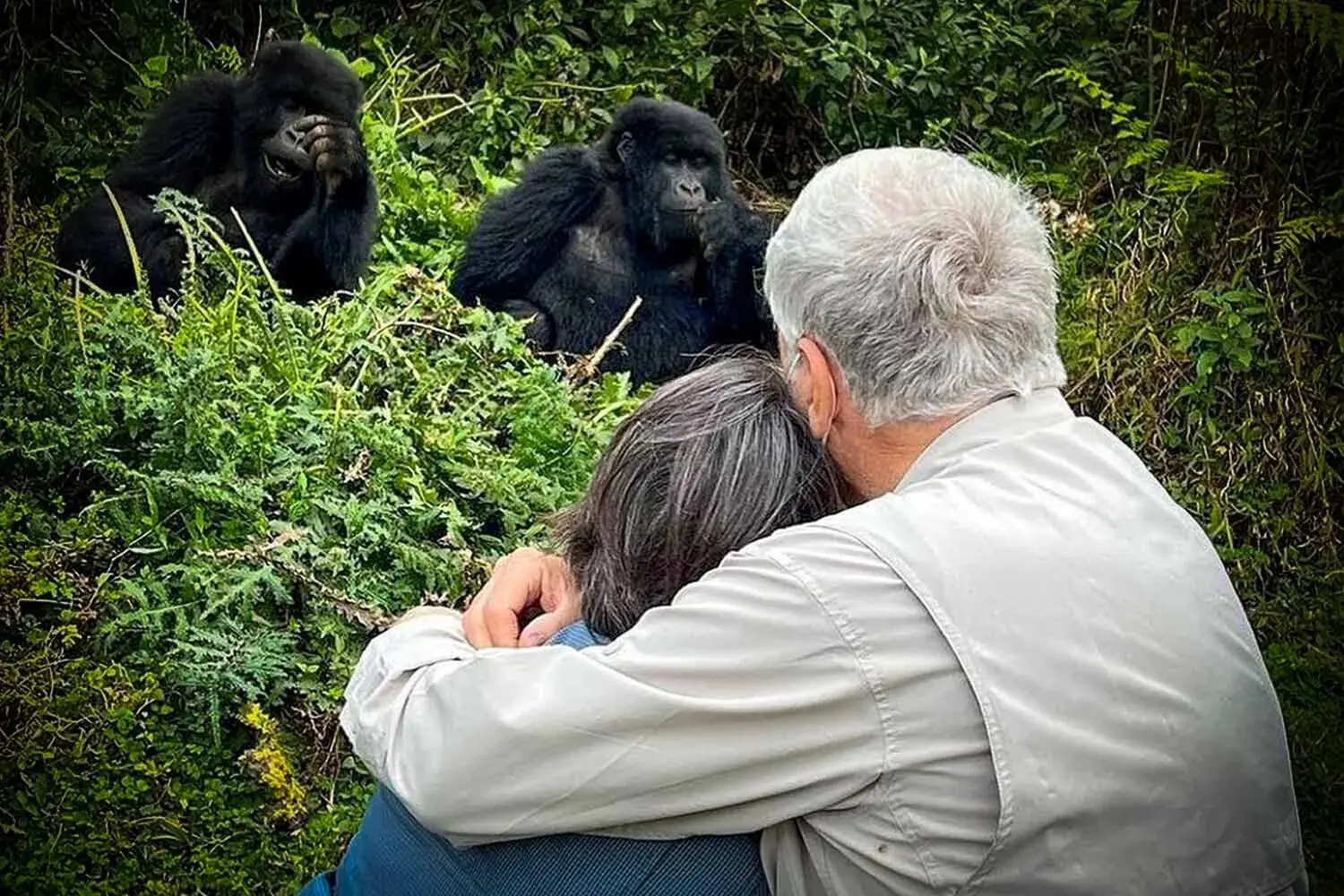
Age alone does not automatically determine whether a traveller can undertake Rwanda Gorilla Trekking.
General fitness, mobility, balance and comfort walking on uneven terrain are more useful considerations.
Some senior travellers remain highly active and successfully complete challenging hikes, while younger visitors with limited fitness may struggle considerably more.
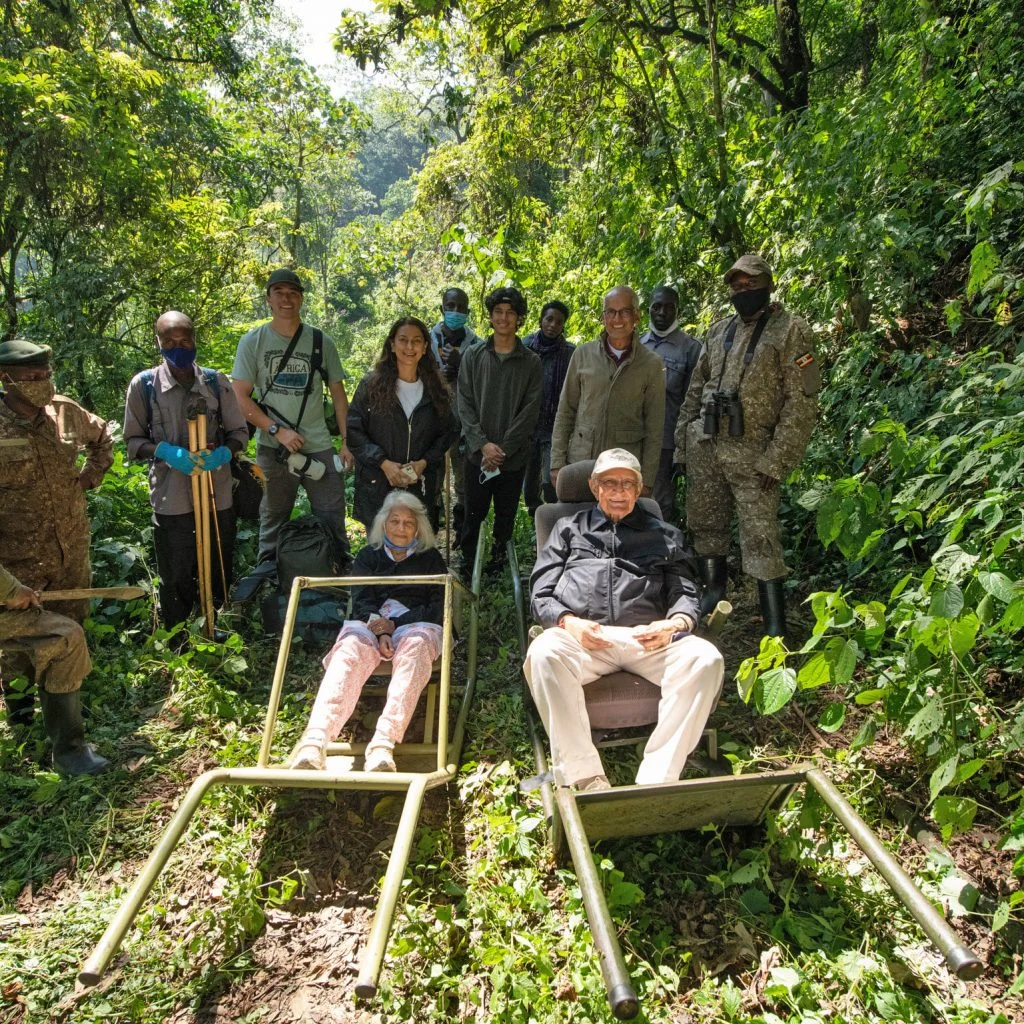
Porters can provide useful physical assistance, and Visit Rwanda confirms that they are available for carrying equipment and helping along the route.
Senior travellers should communicate mobility concerns during planning so that the safari can include appropriate preparation, accommodation positioning and rest after the trek.
A slower itinerary with an additional night around Volcanoes National Park can also make the journey considerably more comfortable.
Rwanda Gorilla Trekking for Couples and Honeymooners
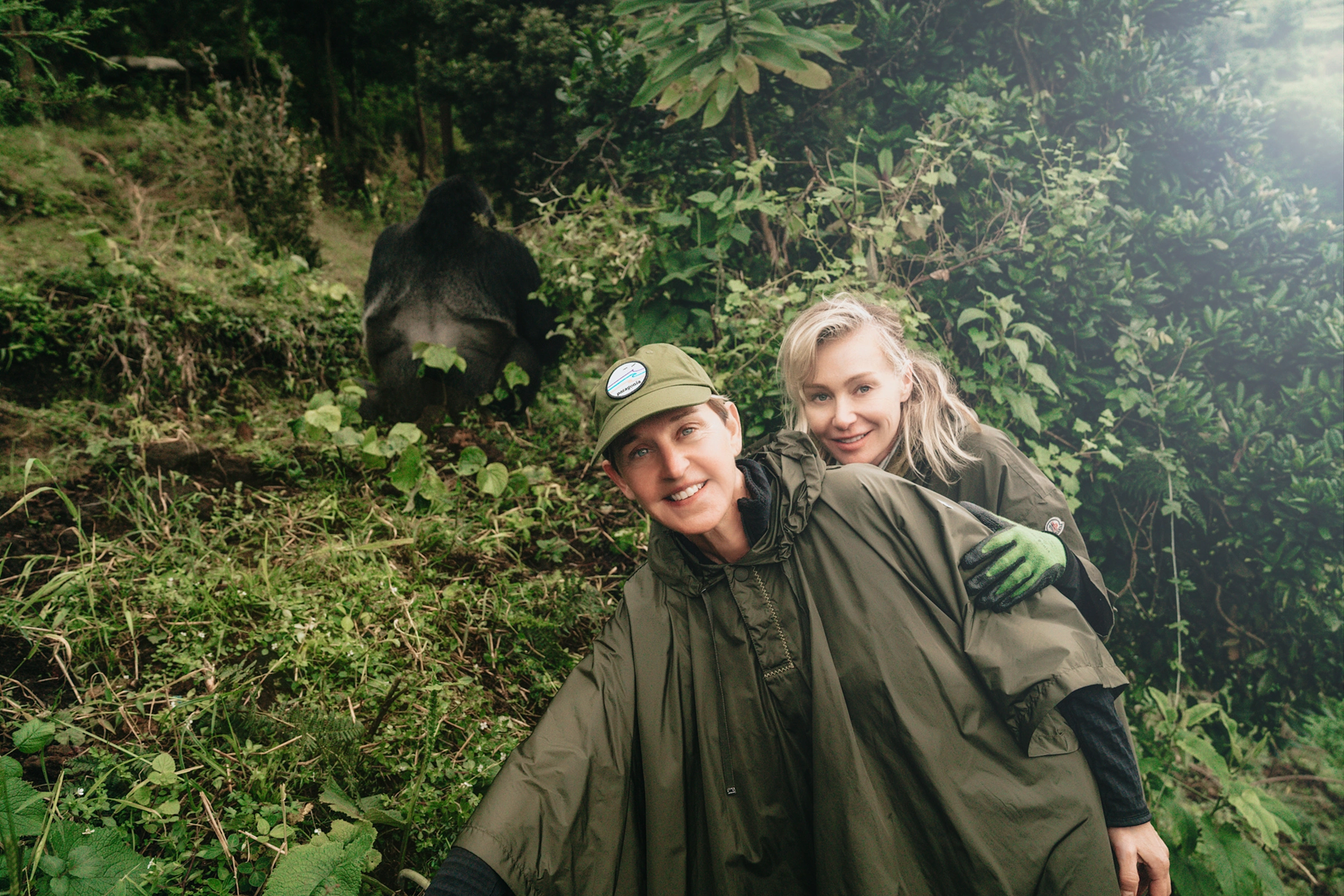
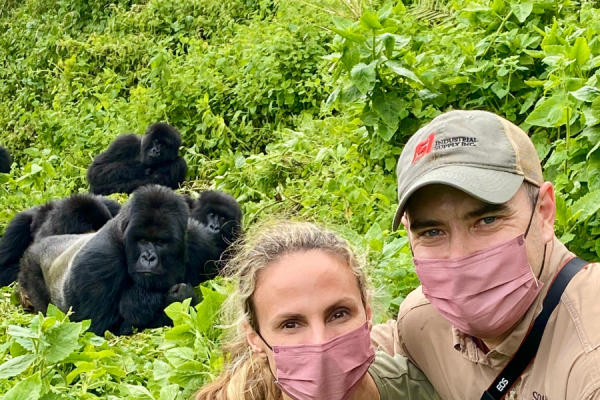
Couples frequently make Rwanda Gorilla Trekking the centrepiece of a romantic Rwanda holiday.
The gorilla experience can be combined with an intimate lodge around Volcanoes National Park, followed by relaxation beside Lake Kivu.
Couples with more time can add Akagera for game drives or Nyungwe for another rainforest environment.
The strongest honeymoon itinerary leaves enough time for the accommodation itself. Checking into a beautiful lodge after dark and leaving immediately after breakfast every day removes much of the value of selecting premium properties.
Two- and three-night stays around important destinations create a more relaxed and romantic journey.
Accommodation for Rwanda Gorilla Trekking
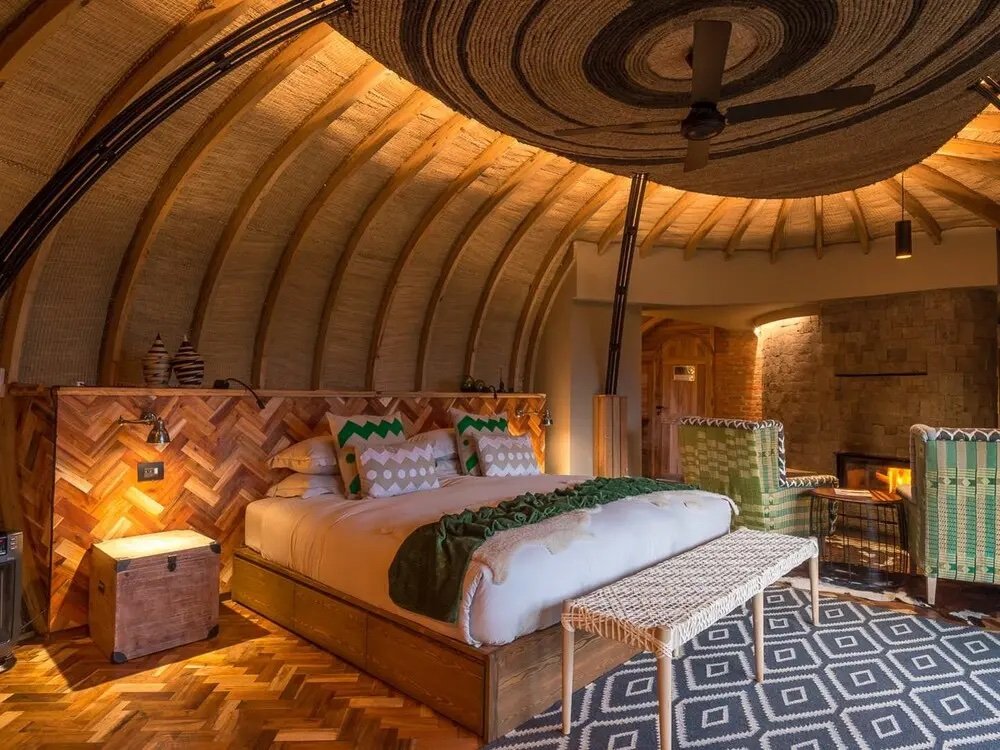
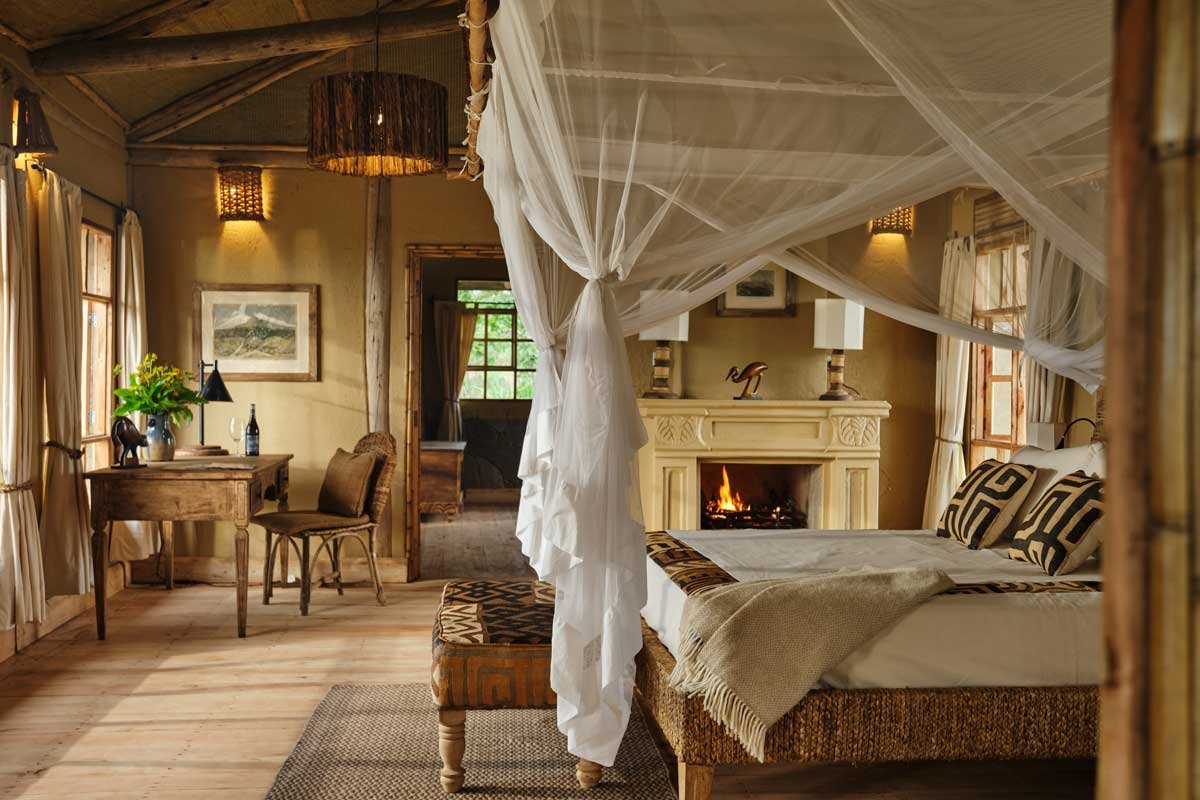
Accommodation should be selected according to budget, location and the type of journey being planned.
Because the trekking day begins early at Kinigi, staying around the Volcanoes National Park region is generally more practical than beginning the morning in Kigali.
Budget and mid-range properties can provide comfortable rooms and convenient access, while luxury lodges can turn the Volcanoes section into a destination in itself.
Travellers staying at high-end properties should consider at least two nights. Arriving in the evening, trekking the next morning and immediately leaving afterward provides little time to enjoy an expensive lodge.
Location should therefore be considered alongside room quality.
Rwanda Gorilla Trekking and Golden Monkeys
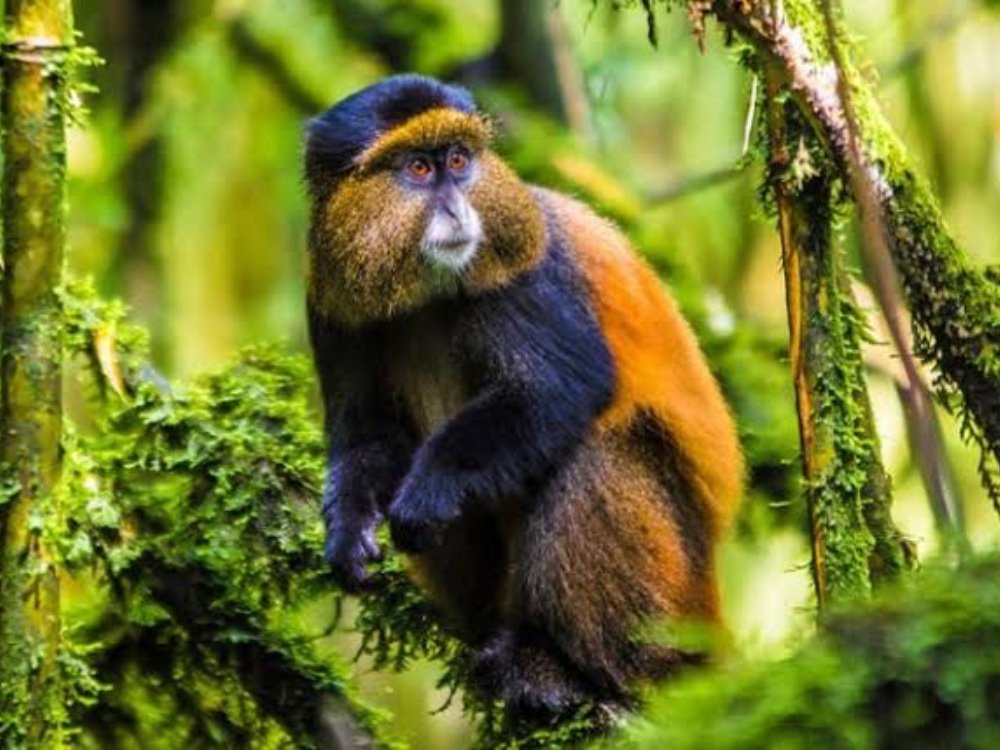
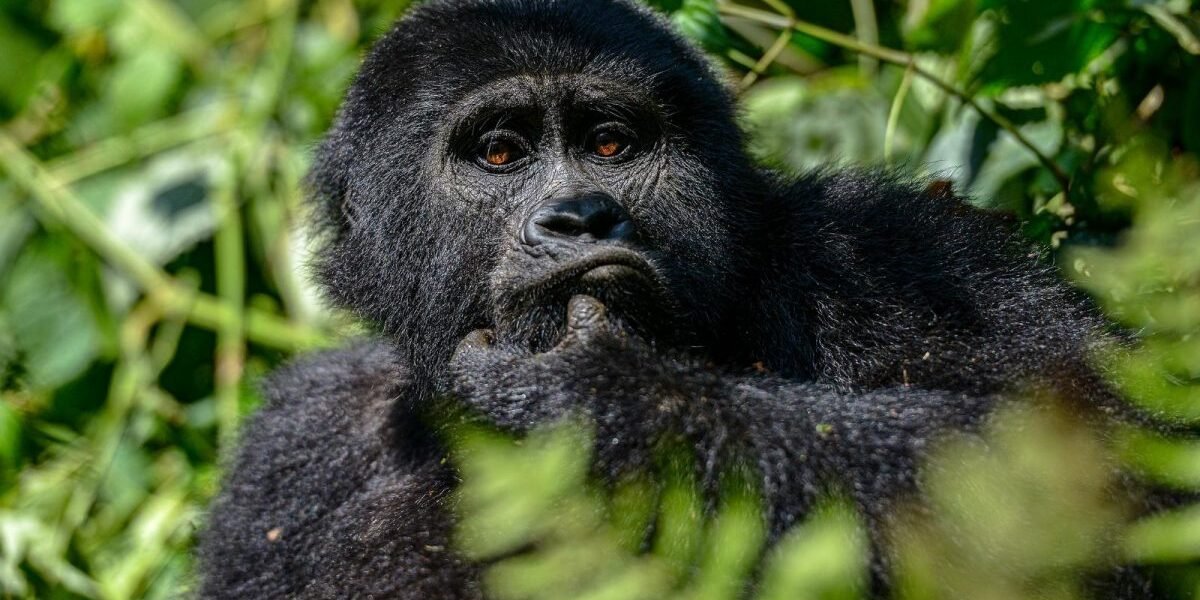
Golden monkey tracking is one of the easiest additions to Rwanda Gorilla Trekking because both experiences are centred around Volcanoes National Park.
Visit Rwanda’s official three-day gorilla itinerary specifically combines the two activities on consecutive mornings.
Golden monkeys provide a much more energetic primate encounter. They move quickly through bamboo vegetation, creating different photography and viewing conditions from the slower, heavier mountain gorillas.
Travellers who want a broader understanding of Rwanda’s primates can therefore dedicate two mornings to the forest.
Those who prefer a slower journey can replace the second trek with lodge relaxation or another cultural or scenic experience.
Rwanda Gorilla Trekking and the Dian Fossey Experience
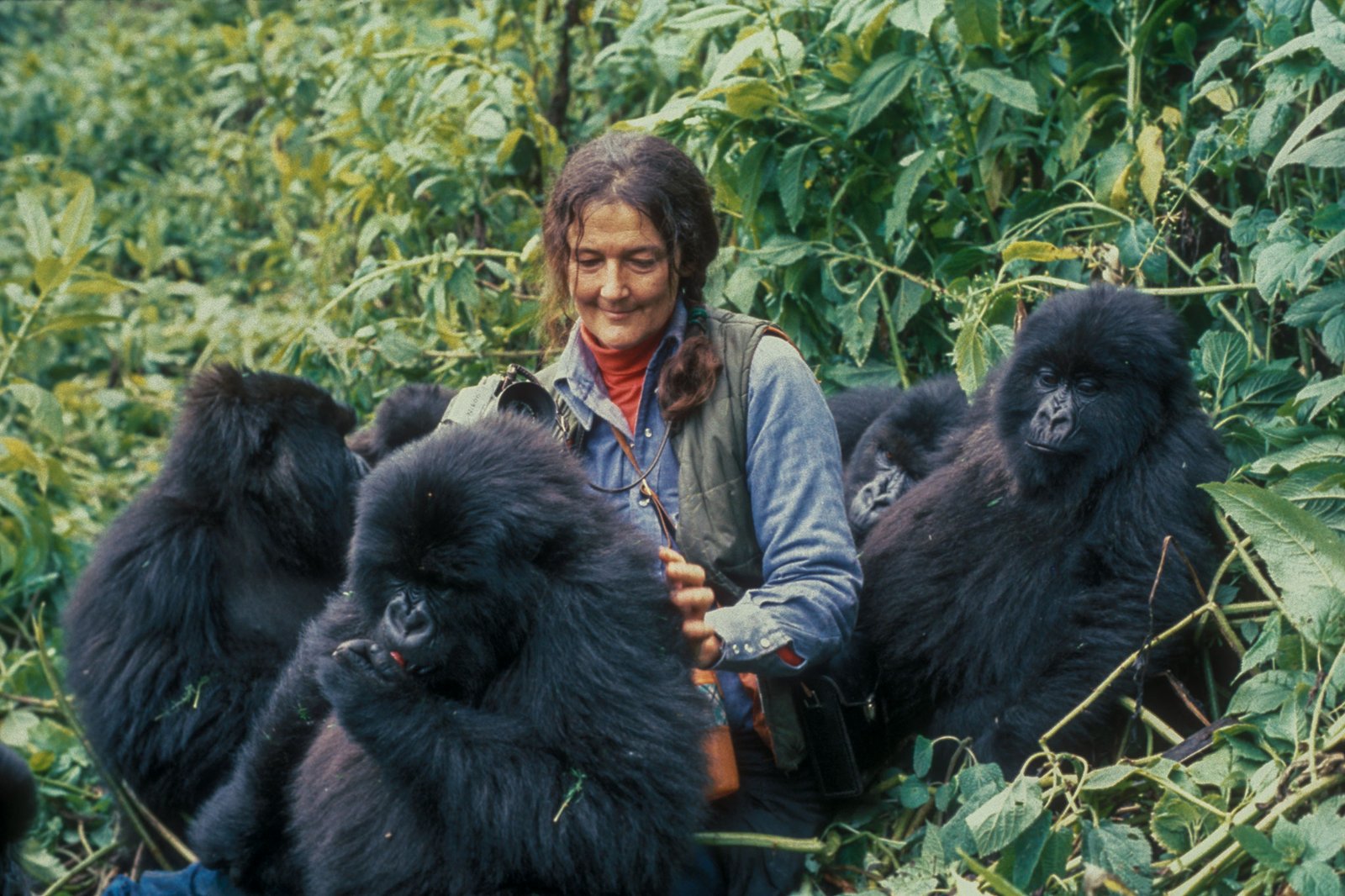
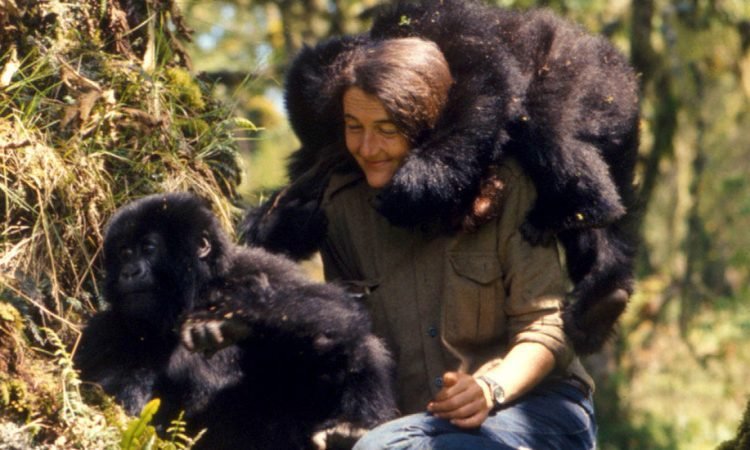
Travellers interested in the history of mountain gorilla research can extend their stay with a hike connected to Dian Fossey and the Karisoke Research Centre.
Visit Rwanda describes the Karisoke area between Mount Karisimbi and Mount Bisoke and notes the location of Fossey’s grave, with the forest walk taking roughly one to one-and-a-half hours after reaching the starting area.
This experience provides historical context to Rwanda Gorilla Trekking, particularly for visitors familiar with the long history of mountain gorilla research and conservation.
It should normally be scheduled on a separate day rather than being combined with the main gorilla trekking morning.
Rwanda Gorilla Trekking and Lake Kivu
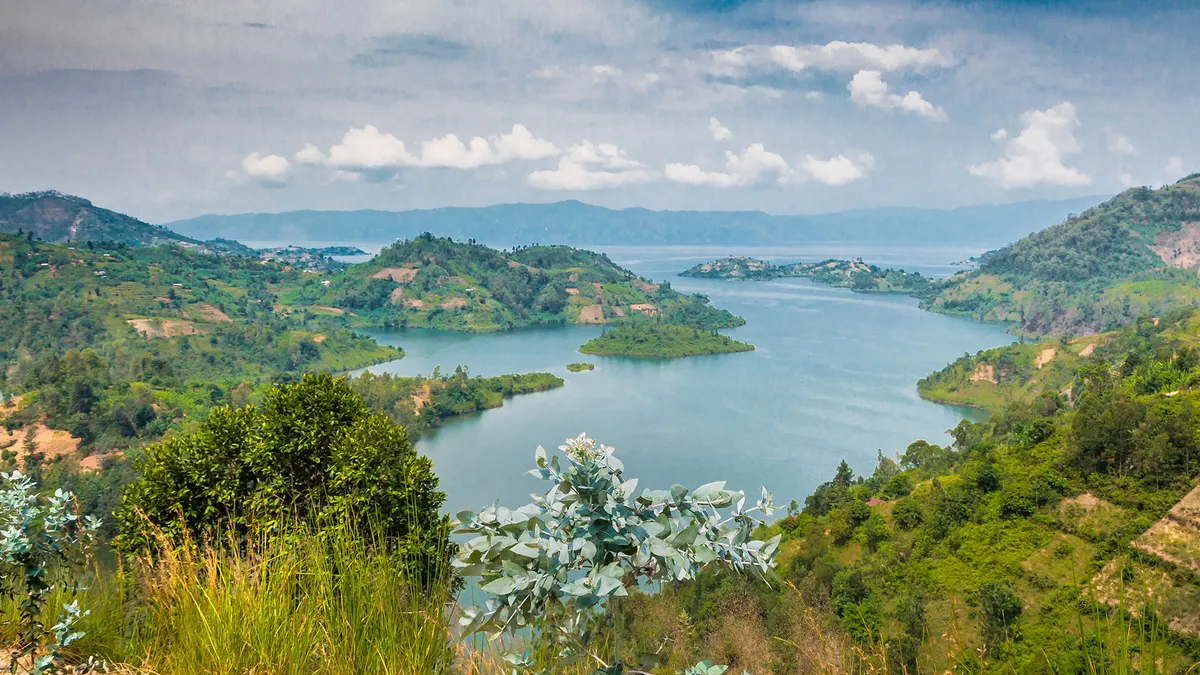
Lake Kivu provides one of the most relaxing extensions after Rwanda Gorilla Trekking.
After the physical challenge and early mornings of Volcanoes National Park, travellers can spend one or two nights beside the lake before continuing elsewhere in Rwanda.
This works especially well for couples and honeymooners but can also improve family and senior itineraries.
Two nights are generally more rewarding than one because the middle day becomes genuinely free. A one-night stay often functions primarily as an overnight road stop.
The lakeside section can include suitable activities or simply provide time to rest after trekking.
Rwanda Gorilla Trekking and Akagera National Park
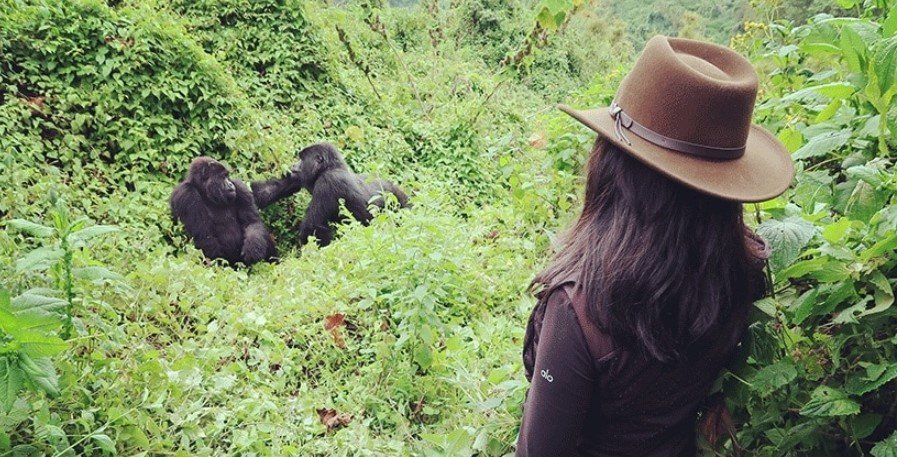
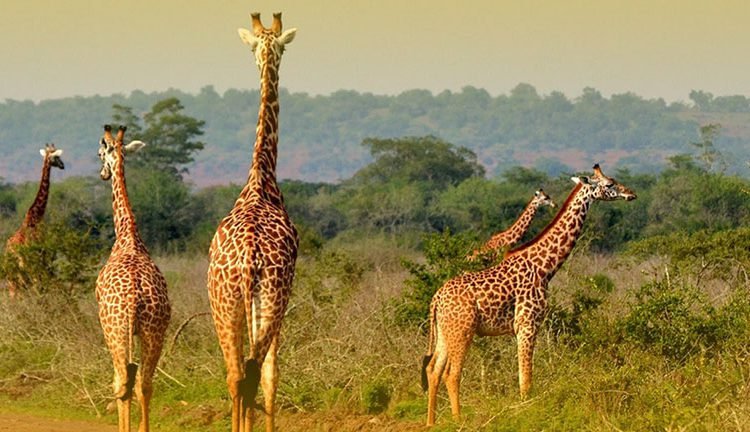
Combining mountain gorillas with Akagera creates one of Rwanda’s most complete wildlife journeys.
Volcanoes National Park provides primate trekking and high-altitude forest, while Akagera offers savannah landscapes and traditional safari wildlife.
Visit Rwanda’s own safari-and-gorilla itinerary combines the two destinations through Kigali.
A five- to seven-day trip can therefore offer significantly more variety than a gorilla-only journey.
Travellers with seven days or more can give Akagera two nights and Volcanoes two or three nights rather than rushing through both parks.
Rwanda Gorilla Trekking and Nyungwe National Park
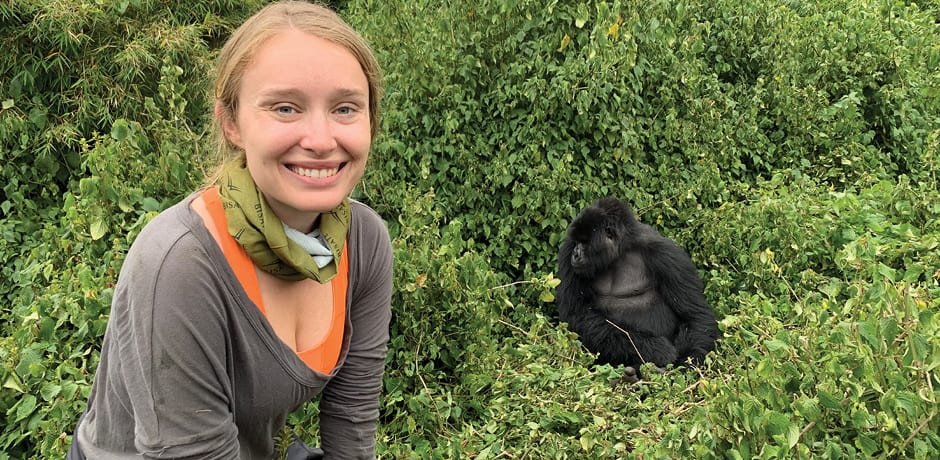
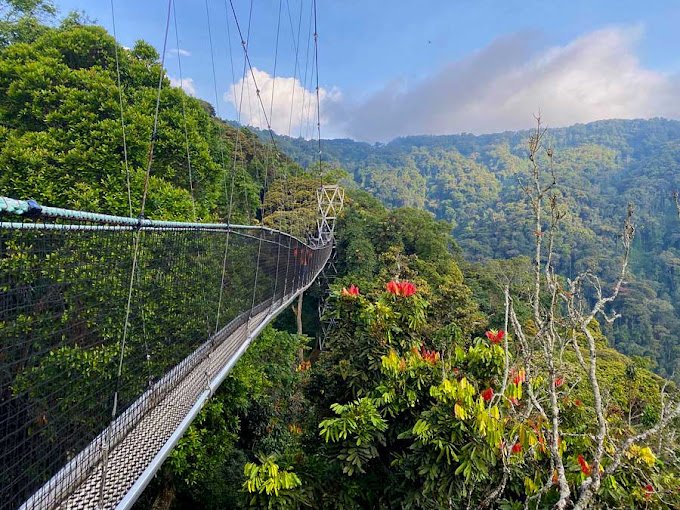
Travellers interested in primates can extend Rwanda Gorilla Trekking into a broader forest journey by adding Nyungwe National Park.
The two forests provide dramatically different environments and wildlife experiences.
Volcanoes is famous for mountain gorillas and golden monkeys, while Nyungwe is associated with chimpanzees, other primates, forest trails and the canopy walkway.
Adding Nyungwe generally makes more sense when travellers have enough days to explore Rwanda comfortably rather than forcing several remote regions into a short itinerary.
A complete Rwanda primate journey can therefore extend well beyond the gorilla trek itself.
Rwanda Gorilla Trekking vs Uganda Gorilla Trekking
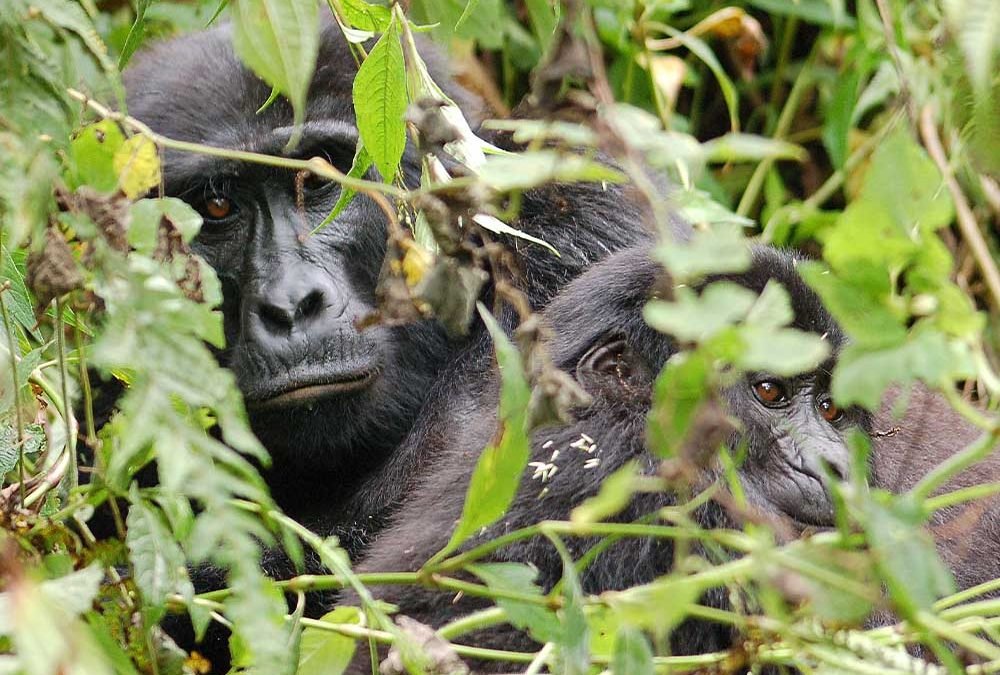
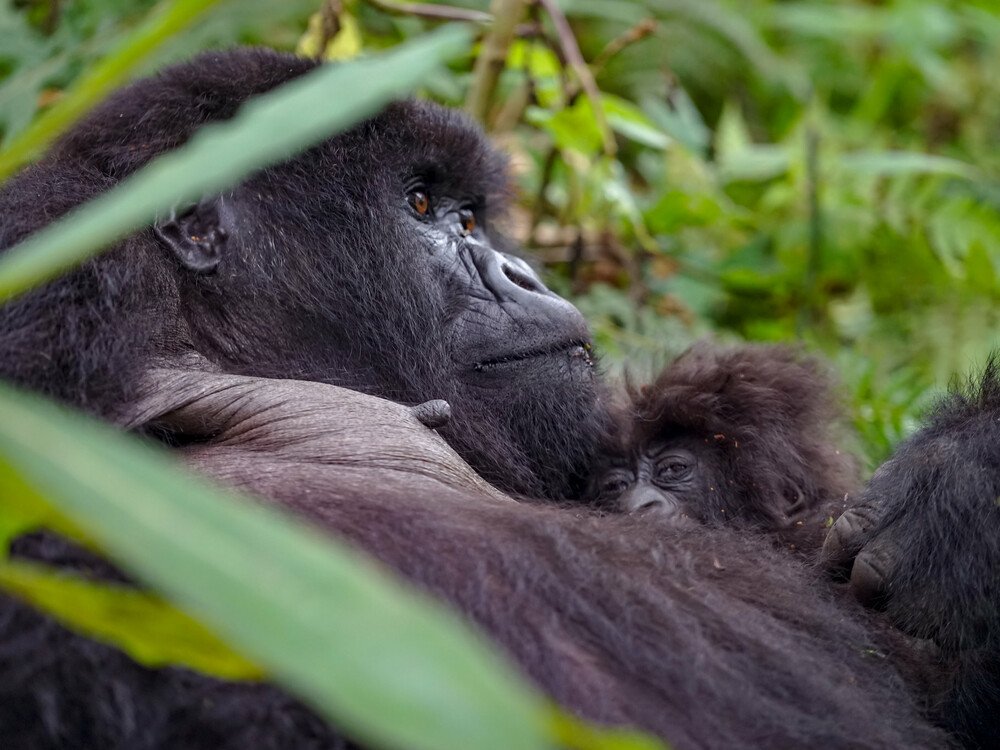
Both Rwanda and Uganda provide opportunities to encounter mountain gorillas, but the travel experience differs.
Rwanda’s main advantage is straightforward access from Kigali, with Visit Rwanda describing the road journey to Volcanoes National Park at around three hours. Rwanda’s standard international permit is currently US$1,500.
Uganda offers gorilla tracking in Bwindi Impenetrable National Park and Mgahinga Gorilla National Park. Uganda Wildlife Authority also introduced discounted low-season permits for April, May and November 2026 and has announced a revised tariff structure taking effect on 1 January 2027.
Rwanda therefore often appeals to travellers who prioritise shorter road logistics and want to combine gorillas easily with Kigali and other Rwanda destinations. Uganda may appeal more strongly to travellers building a longer Uganda safari or comparing permit budgets.
The better destination depends on the wider itinerary rather than assuming one country is universally superior.
Rwanda Gorilla Trekking vs Gorilla Habituation
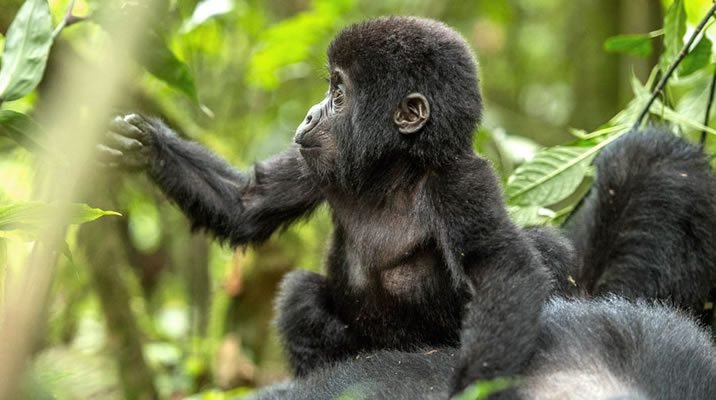
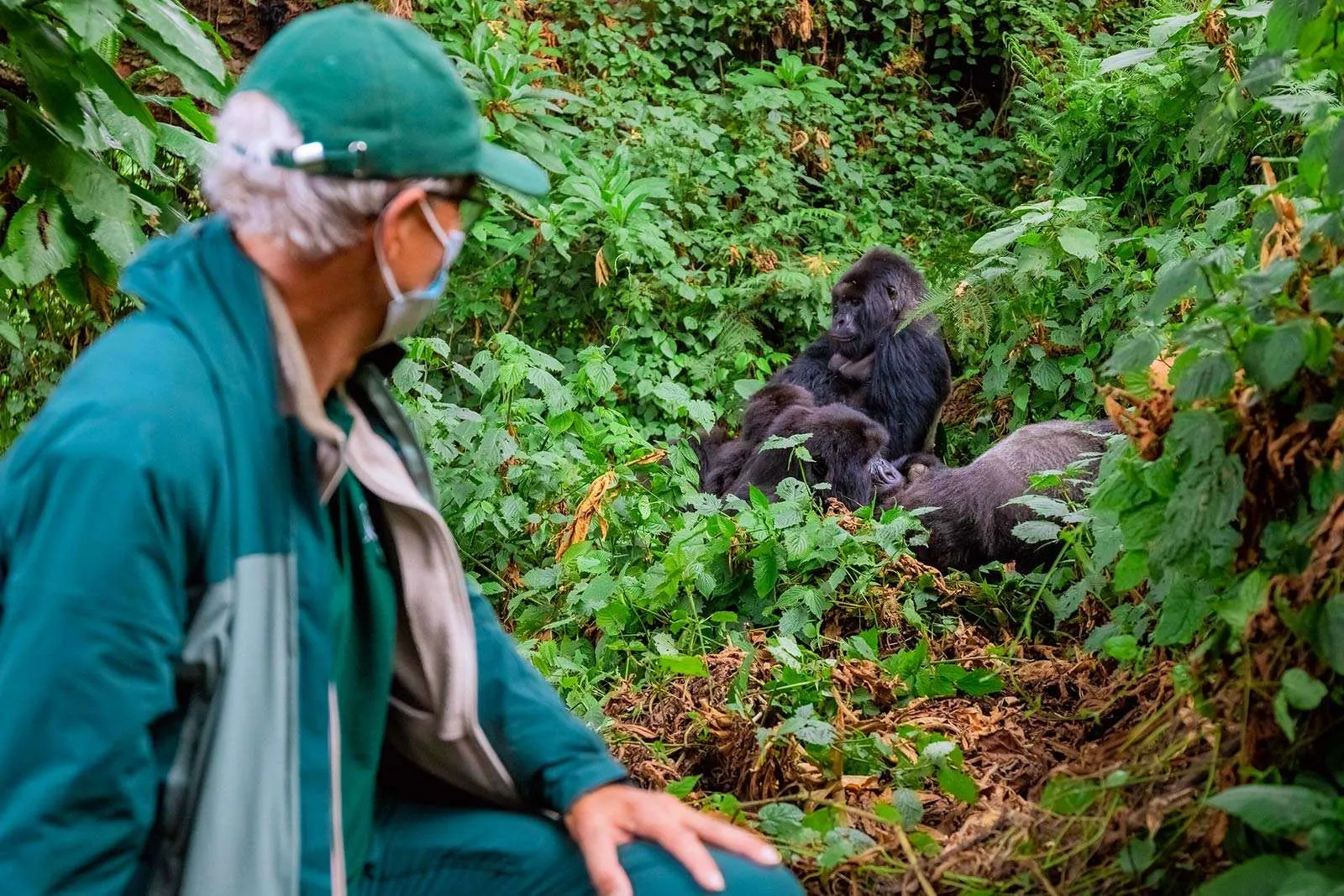
Visitors occasionally confuse standard gorilla trekking with gorilla habituation.
Rwanda Gorilla Trekking is the established visitor experience in Volcanoes National Park and includes the regulated standard encounter once the assigned gorilla family is located. Visit Rwanda describes one hour with the gorillas.
Uganda Wildlife Authority separately lists gorilla habituation within its permit structure, including revised rates scheduled from January 2027.
Travellers specifically seeking a habituation experience should therefore not assume the same product is offered simply because Rwanda has mountain gorillas.
For most visitors, Rwanda’s standard one-hour encounter already provides an extraordinary opportunity to observe gorilla behaviour in a natural mountain environment.
How Much Does a Complete Rwanda Gorilla Trekking Safari Cost?
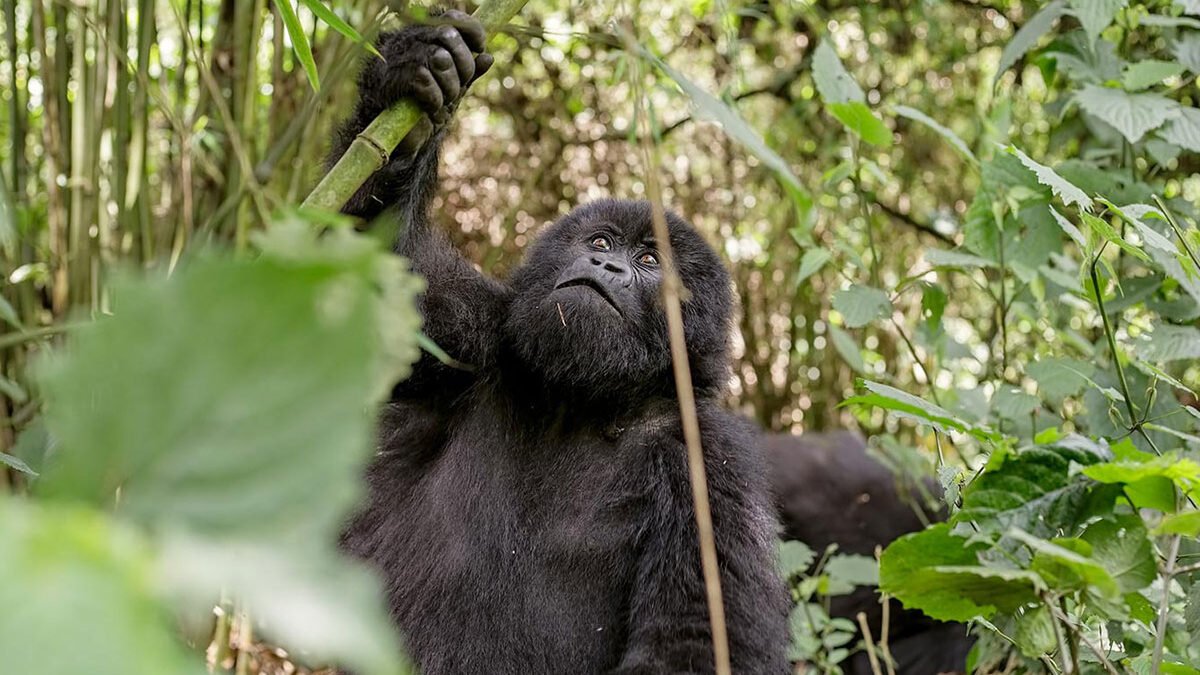
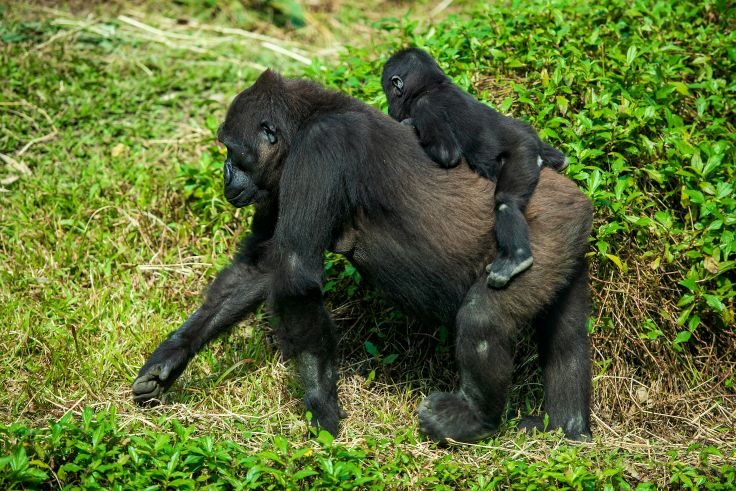
The US$1,500 permit is only one part of the full Rwanda Gorilla Trekking cost.
A complete safari may also include private 4×4 transportation from Kigali, professional driver-guiding, fuel, accommodation, meals and other selected activities.
A short two- or three-day mid-range trip therefore costs substantially more than the permit alone, while a luxury itinerary using premium properties can increase the total dramatically.
Solo travellers generally pay more per person for private transportation because vehicle costs are not divided among several passengers.
Couples and private groups spread those fixed road costs across more travellers.
The most useful quotation is one that separates what is included rather than simply displaying an unexplained package price.
Is Rwanda Gorilla Trekking Worth It?
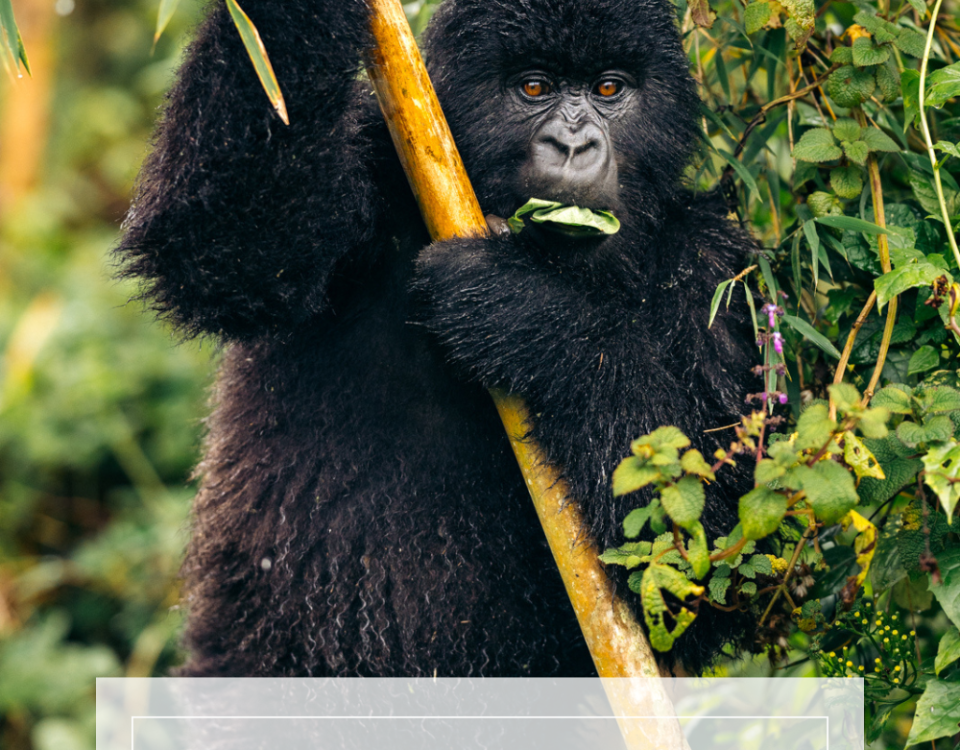
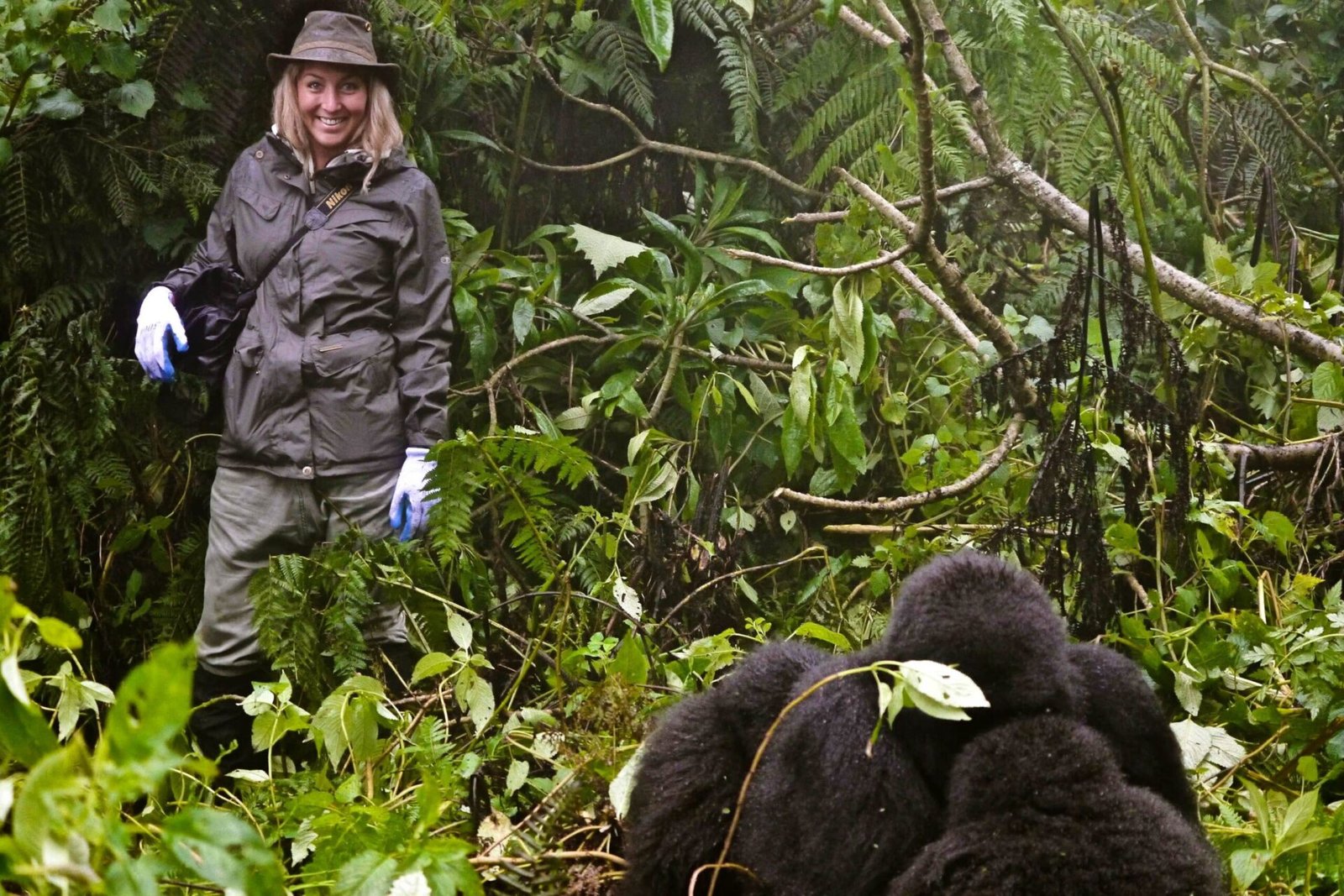
For travellers fascinated by wildlife, Rwanda Gorilla Trekking can justify becoming the central experience of an entire African journey.
The permit is expensive, and the trek requires effort. Weather cannot be controlled, the route cannot be predicted and the gorillas are not positioned for perfect photographs.
Those uncertainties are precisely what make the encounter different from a conventional attraction.
Visitors enter the mountain environment, rely on professional trackers and eventually share a carefully regulated period with a wild gorilla family.
For many travellers, watching the interaction between a silverback, females, juveniles and infants at close range becomes one of the most memorable wildlife experiences of their lives.
Whether it represents good value ultimately depends on personal priorities. Someone interested primarily in large savannah animals may prefer to allocate more money to traditional game viewing, while a primate enthusiast may consider the gorilla permit the most important expenditure of the trip.
Frequently Asked Questions About Rwanda Gorilla Trekking
What is Rwanda Gorilla Trekking and where does it take place?
Rwanda Gorilla Trekking is a guided wildlife experience that allows visitors to hike through Volcanoes National Park and observe habituated mountain gorillas in their natural forest habitat. Rwanda Gorilla Trekking takes place in northwestern Rwanda within the Virunga Massif, where professional trackers and park guides lead visitors through bamboo and montane forest toward an assigned gorilla family.
The experience is highly regulated to protect the gorillas and maintain responsible tourism standards. Rwanda Gorilla Trekking begins with an early morning briefing at the park headquarters in Kinigi before visitors continue to the appropriate trailhead. Once the gorillas are located, trekkers on the standard Rwanda Gorilla Trekking experience spend one hour observing them under ranger supervision.
How much does Rwanda Gorilla Trekking cost?
The standard Rwanda Gorilla Trekking permit for an international visitor currently costs US$1,500 per person per trekking day. This permit is required for every eligible participant and represents one of the main fixed costs of a Rwanda Gorilla Trekking safari.
The total Rwanda Gorilla Trekking safari price will usually be higher because travellers must also consider accommodation, private transportation, professional guiding, meals and any additional activities included in the itinerary. A couple undertaking one Rwanda Gorilla Trekking experience requires two individual permits, while a family of four eligible trekkers requires four permits. Travellers completing two Rwanda Gorilla Trekking days need a separate permit for each participant on each trekking date.
What is the minimum age for Rwanda Gorilla Trekking?
The current minimum age for Rwanda Gorilla Trekking is 15 years. Teenagers aged 15 and above can therefore participate in Rwanda Gorilla Trekking with their parents, provided they are physically capable of completing the forest walk and can follow the instructions of the park guides.
Families travelling with children younger than 15 can still enjoy a Rwanda safari, but younger children cannot participate in standard Rwanda Gorilla Trekking. Alternative activities should be arranged for them while eligible family members trek. This makes advance family planning especially important when Rwanda Gorilla Trekking is the main purpose of the holiday.
How difficult is Rwanda Gorilla Trekking and how long does it take?
The difficulty of Rwanda Gorilla Trekking varies because mountain gorillas move freely through Volcanoes National Park. Some Rwanda Gorilla Trekking experiences involve relatively manageable walks, while others can require several hours of hiking through steep, muddy or densely vegetated terrain.
The length of Rwanda Gorilla Trekking therefore cannot be guaranteed in advance. Trekkers should prepare for uneven ground, changing weather and mountain conditions. Comfortable hiking footwear, long trousers, rain protection and basic physical fitness can make Rwanda Gorilla Trekking considerably easier. Hiring a porter is also recommended because porters can carry daypacks and provide practical assistance along difficult sections of the trail.
What is the best time for Rwanda Gorilla Trekking?
Rwanda Gorilla Trekking is available throughout the year, but many travellers prefer the relatively drier months because forest trails can be easier to navigate. The main dry period generally runs from June to mid-September, making these months especially popular for Rwanda Gorilla Trekking.
Rwanda Gorilla Trekking is still possible during wetter months, and the forest can be exceptionally green and atmospheric during these periods. However, rain can make trails muddier and increase the physical difficulty of the trek. Regardless of the month, travellers planning Rwanda Gorilla Trekking should carry rain protection because mountain weather can change quickly. Permit availability should also be considered when choosing dates, particularly during popular travel periods.
Book Your Rwanda Gorilla Trekking Safari
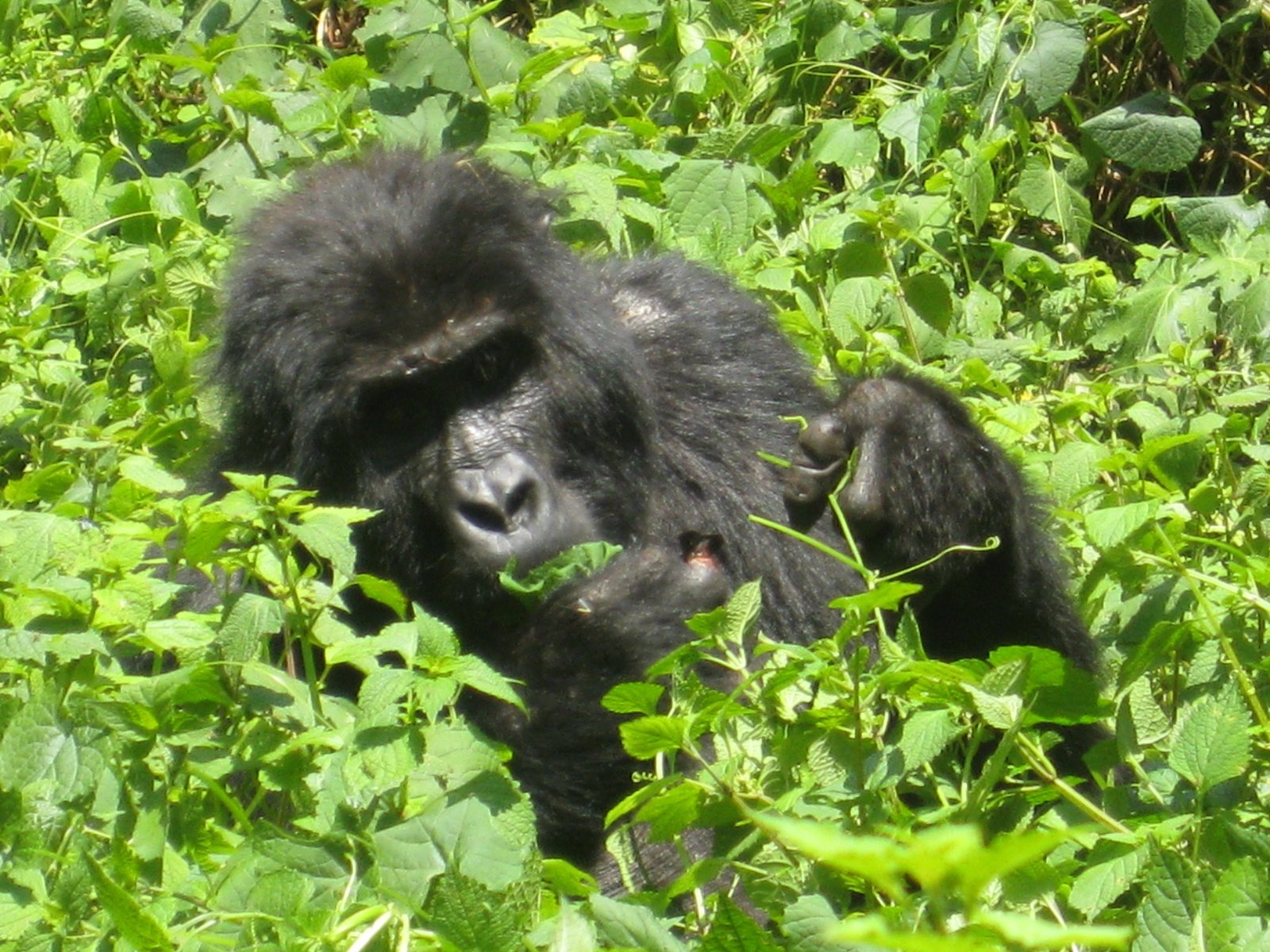
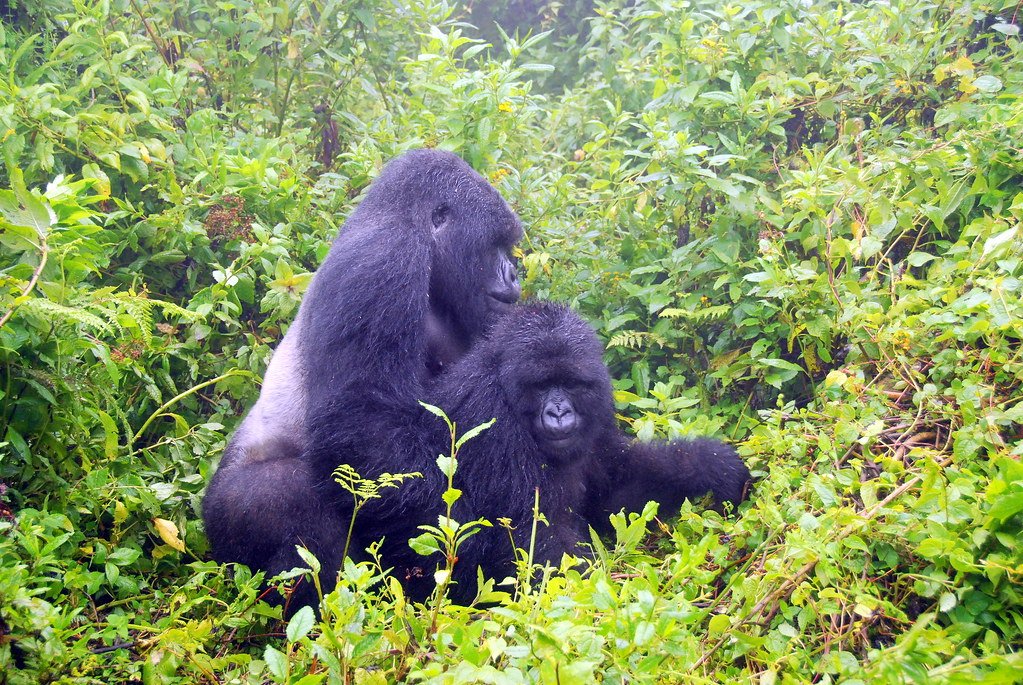
Rwanda Gorilla Trekking offers one of the most intimate and memorable wildlife encounters available anywhere in Africa. From the early morning briefing in Kinigi to the walk through bamboo and montane forest, the anticipation builds gradually until trackers indicate that the gorillas are nearby.
Then the forest reveals what you travelled to Rwanda to experience: mountain gorillas living naturally beneath the Virunga volcanoes.
The safari can be designed as a focused two- or three-day journey from Kigali, a luxury gorilla escape, a family adventure with eligible teenagers, a honeymoon, a photography trip or part of a longer Rwanda itinerary combining Lake Kivu, Akagera and Nyungwe.
The current international permit costs US$1,500 per person, participants must be at least 15 years old, and standard visitor access is regulated to protect the gorillas and preserve the quality of the encounter.
Share your preferred travel dates, number of travellers, accommodation level, available number of days and whether you want to combine the trek with other Rwanda destinations with Rwanda Family Tours. A carefully planned Rwanda Gorilla Trekking safari can then be designed around permit availability, realistic road travel, suitable accommodation and enough time to fully experience one of Africa’s most remarkable wildlife encounters.