
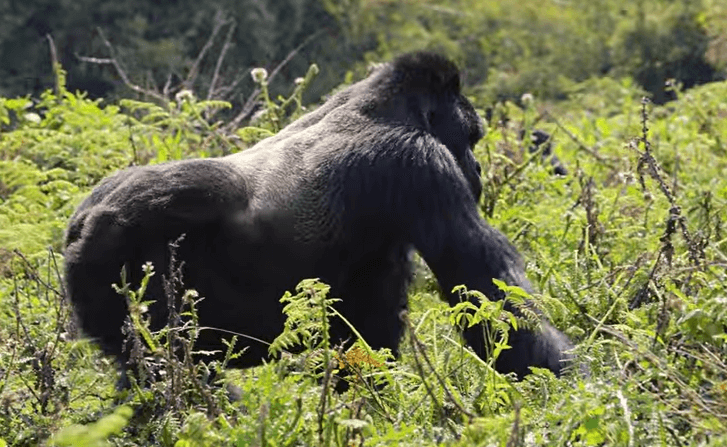
Ultimate Mountain Gorillas Guide: Complete 2026–2030 Guide to Gorilla Species, Habitats, Trekking Experiences and Conservation
Mountain Gorillas
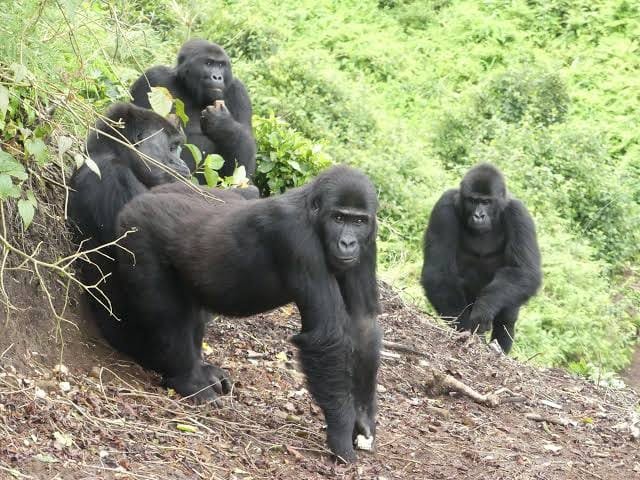
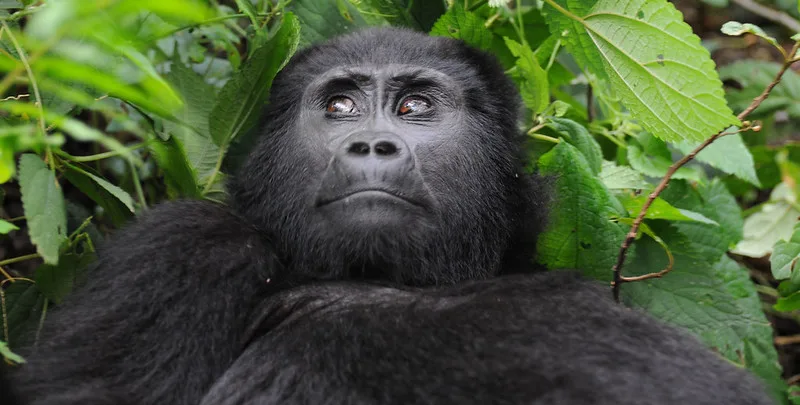
Mountain Gorillas are among the most extraordinary and endangered animals on Earth, offering one of the most powerful wildlife experiences available anywhere in the world. These magnificent primates are known for their intelligence, strong family bonds, gentle behaviour, and close genetic relationship with humans.
A Mountain Gorillas experience provides travellers with the rare opportunity to enter their natural forest habitat and observe these incredible animals as they live, feed, communicate, and interact with their families. Unlike traditional wildlife viewing, where animals are usually observed from a distance, gorilla trekking creates a deeply personal connection between visitors and one of nature’s most fascinating species.
Mountain gorillas survive only in a small region of East-Central Africa, mainly within the Virunga Mountains shared by Rwanda, Uganda, and the Democratic Republic of Congo, as well as Uganda’s Bwindi Impenetrable National Park. Their limited habitat and endangered status make every encounter extremely valuable for conservation.
Rwanda, Uganda, and Congo have become world-renowned destinations for mountain gorilla tourism because of successful conservation programmes that protect these animals while allowing responsible visitors to experience them.
This complete Mountain Gorillas guide explores their habitat, behaviour, social structure, conservation, trekking experiences, best destinations, preparation advice, and everything travellers need to know before planning a gorilla adventure.
Understanding Mountain Gorillas
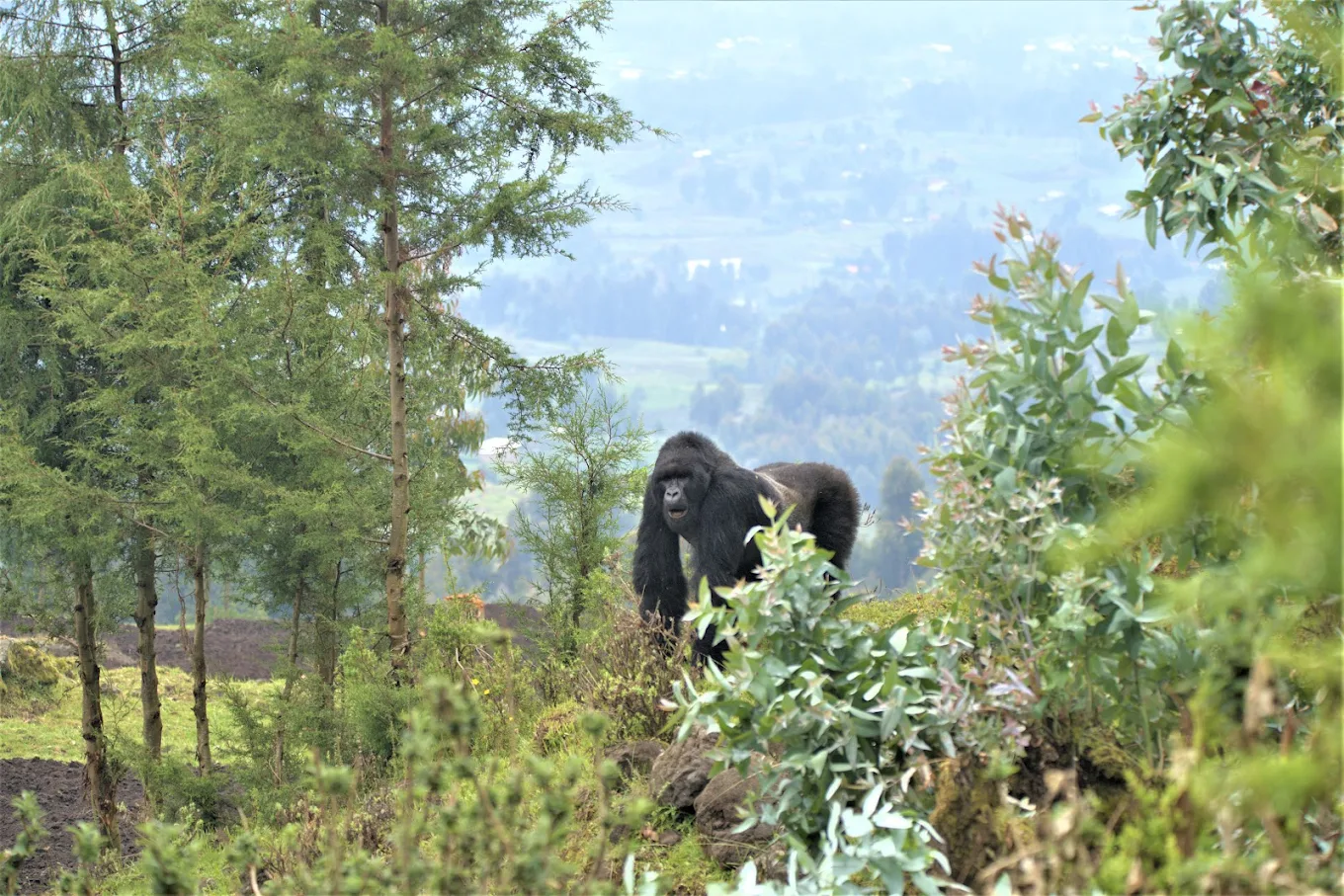
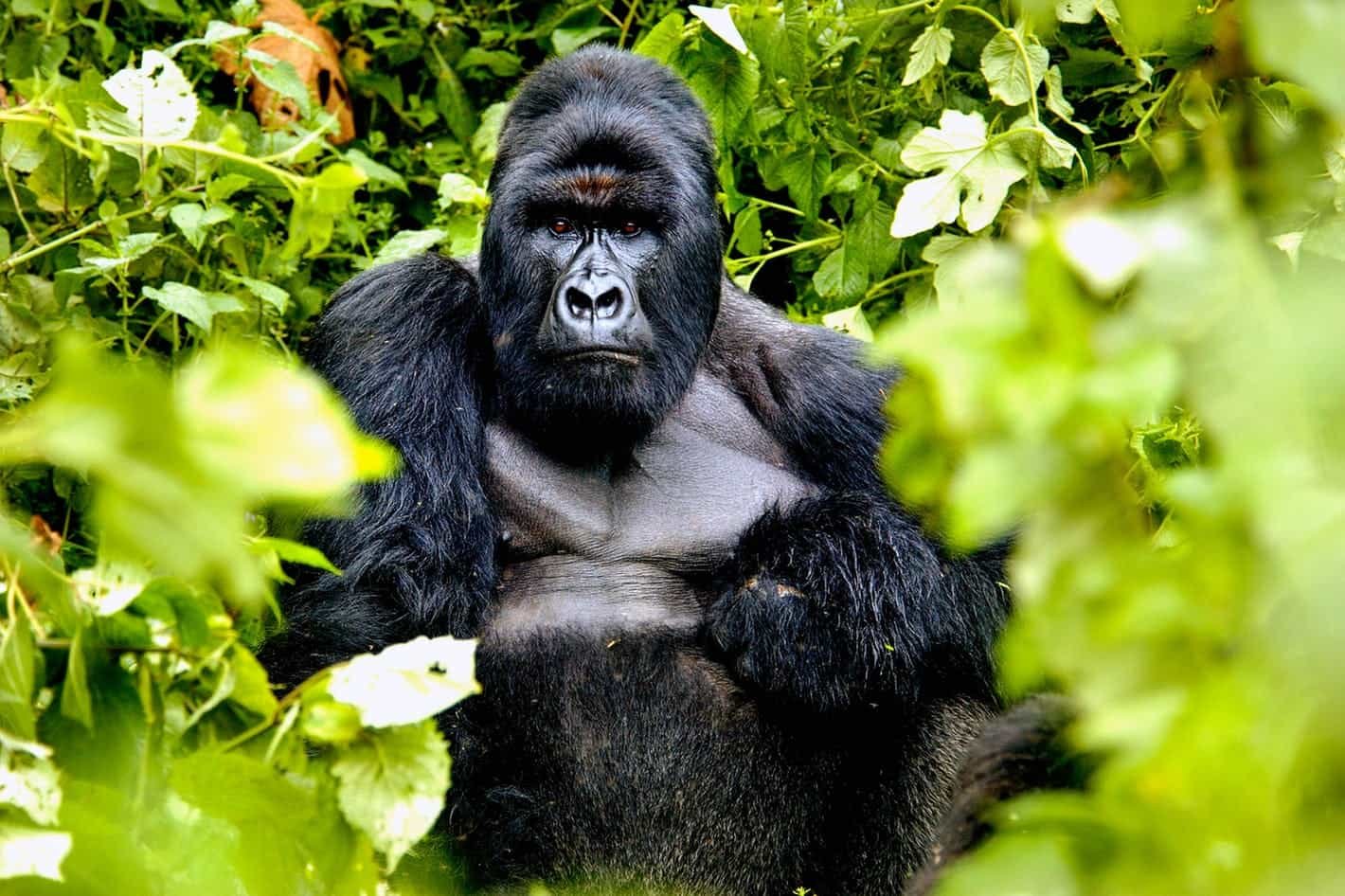
Mountain gorillas are a subspecies of the eastern gorilla and are scientifically known as Gorilla beringei beringei. They are one of the largest living primates, with adult males known as silverbacks because of the distinctive silver hair that develops across their backs as they mature.
These incredible animals are primarily found in high-altitude forests where they feed on vegetation including leaves, shoots, stems, roots, and seasonal fruits. Despite their impressive size and strength, mountain gorillas are generally peaceful animals that spend much of their time feeding, resting, grooming, and caring for their young.
A Mountain Gorillas encounter allows visitors to witness behaviours that demonstrate their remarkable intelligence and emotional complexity. They form strong family relationships, communicate through sounds and body language, protect younger members, and display unique personalities.
Scientists continue to study mountain gorillas because their behaviour provides important insights into primate evolution, social structures, and conservation biology.
Where Do Mountain Gorillas Live?
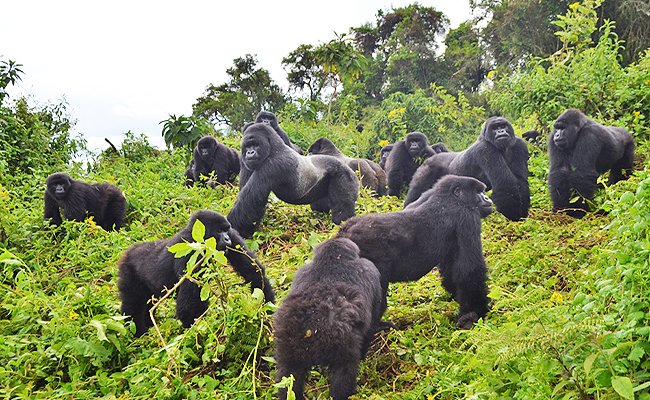
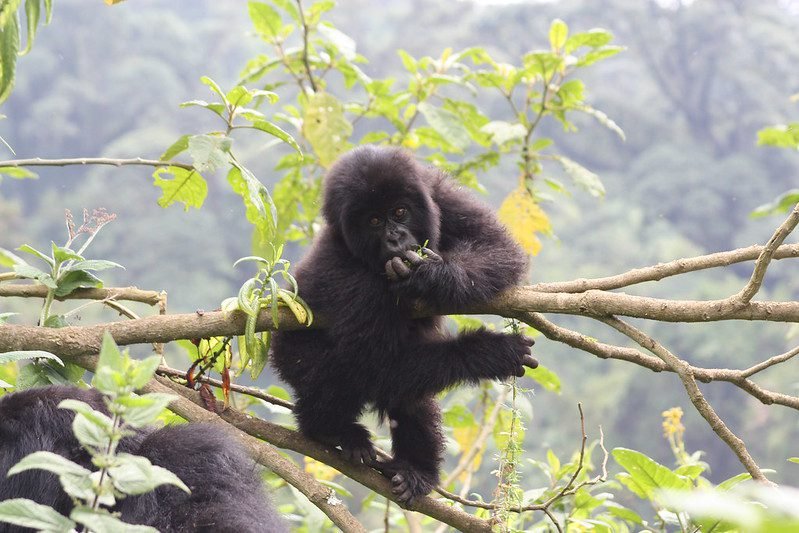
Mountain gorillas live in only two main regions of Africa, making them one of the most geographically restricted great apes.
The first region is the Virunga Mountain ecosystem, which includes Volcanoes National Park in Rwanda, Mgahinga Gorilla National Park in Uganda, and Virunga National Park in the Democratic Republic of Congo. This volcanic region contains bamboo forests and mountain vegetation that provide an ideal habitat for gorilla families.
The second region is Bwindi Impenetrable National Park in Uganda, an ancient rainforest famous for its biodiversity and large population of mountain gorillas.
A Mountain Gorillas safari allows travellers to explore these protected forests while supporting conservation efforts that protect their remaining habitat.
Mountain Gorillas in Rwanda
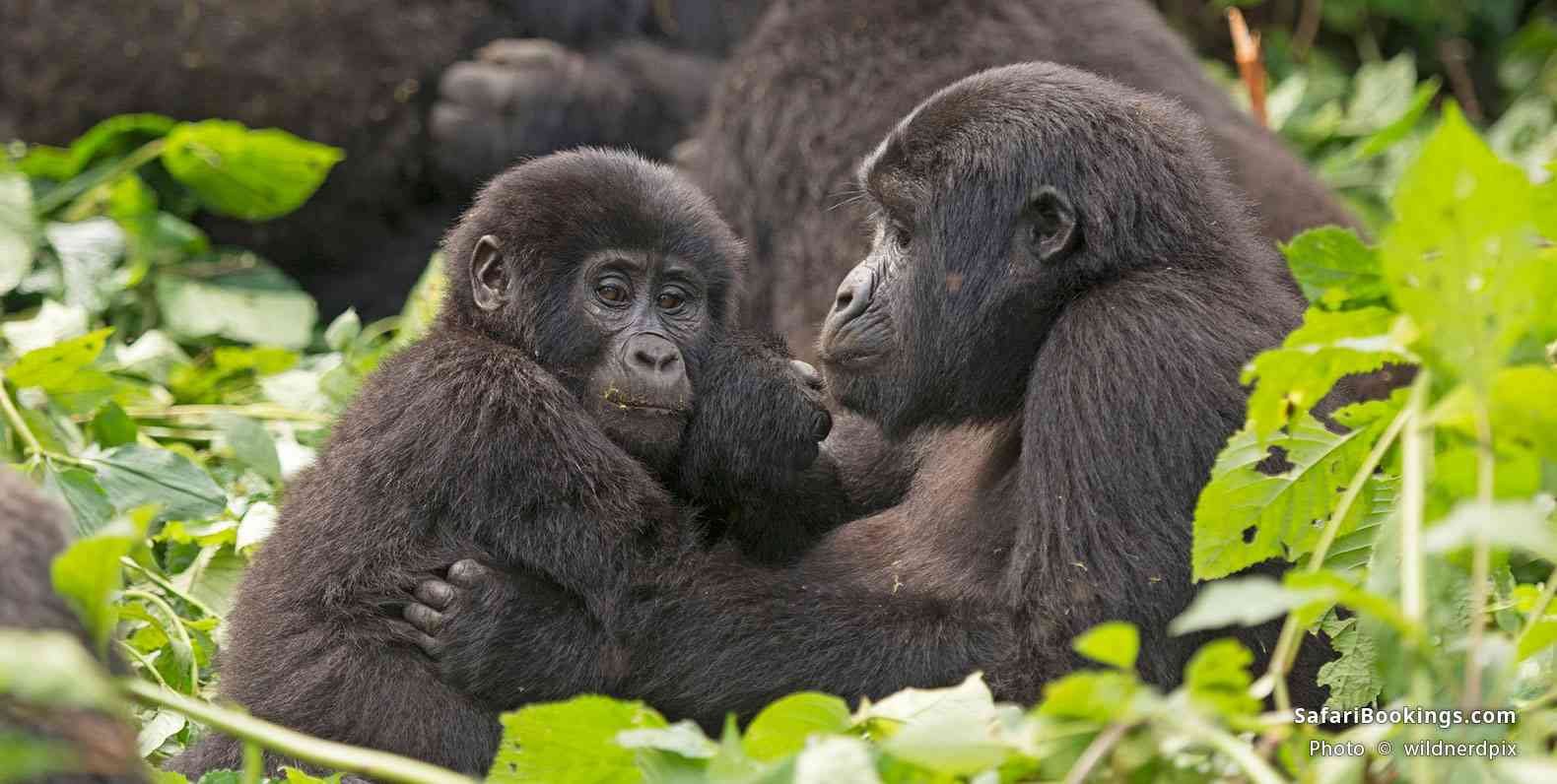
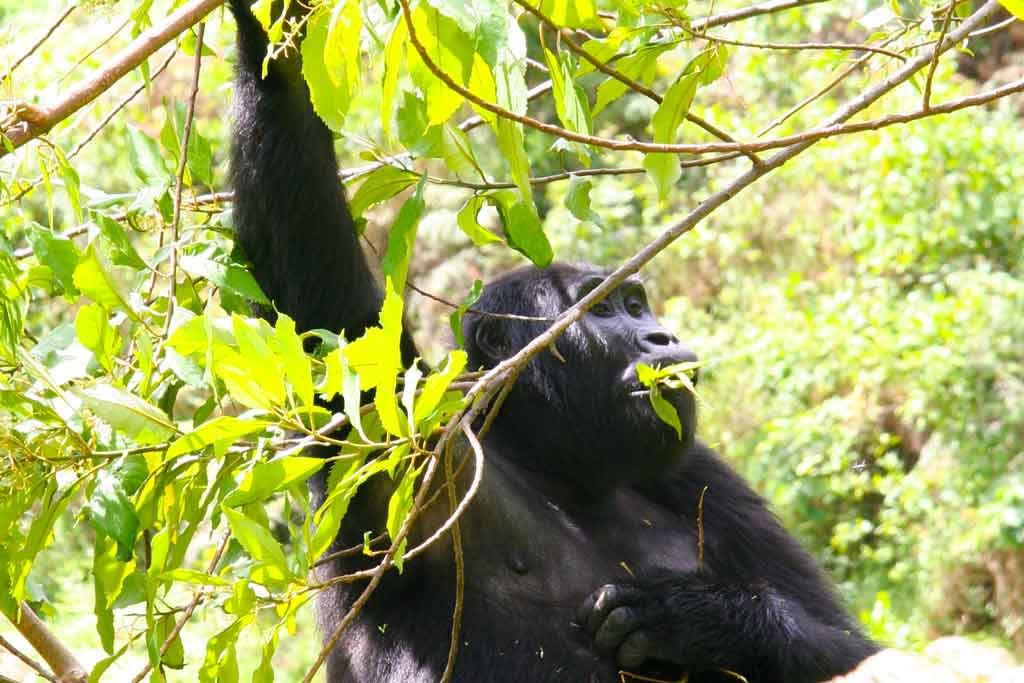
Rwanda is one of the world’s most popular destinations for mountain gorilla trekking because of its excellent tourism infrastructure and easy access to Volcanoes National Park.
Volcanoes National Park is located in northern Rwanda near the town of Musanze. The park protects part of the Virunga Mountains and provides a home for several habituated gorilla families that visitors can track.
A Mountain Gorillas adventure in Rwanda begins with a briefing at the park headquarters before visitors enter the forest with experienced guides and trackers. The guides use their knowledge of gorilla movements to locate the family assigned for the trek.
Once visitors find the gorillas, they can spend a limited period observing them while learning about their behaviour, history, and conservation.
Mountain Gorillas in Uganda
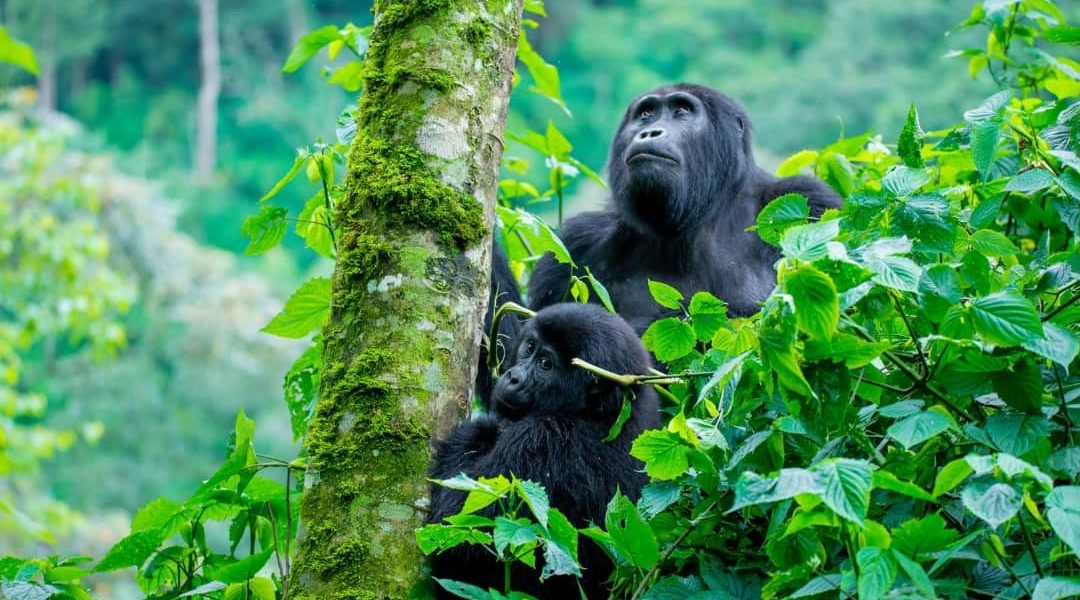
Uganda is another leading destination for mountain gorilla experiences, particularly through Bwindi Impenetrable National Park and Mgahinga Gorilla National Park.
Bwindi is famous for its ancient rainforest, diverse ecosystems, and several gorilla trekking sectors including Buhoma, Ruhija, Rushaga, and Nkuringo.
A Mountain Gorillas journey in Uganda offers visitors the chance to explore a different environment from Rwanda. Uganda’s forests provide breathtaking scenery, and many travellers combine gorilla trekking with chimpanzee trekking, wildlife safaris, and cultural experiences.
Uganda is also known for gorilla habituation experiences, which allow visitors to spend more time with gorillas that are undergoing the process of becoming comfortable with human presence.
Mountain Gorilla Families
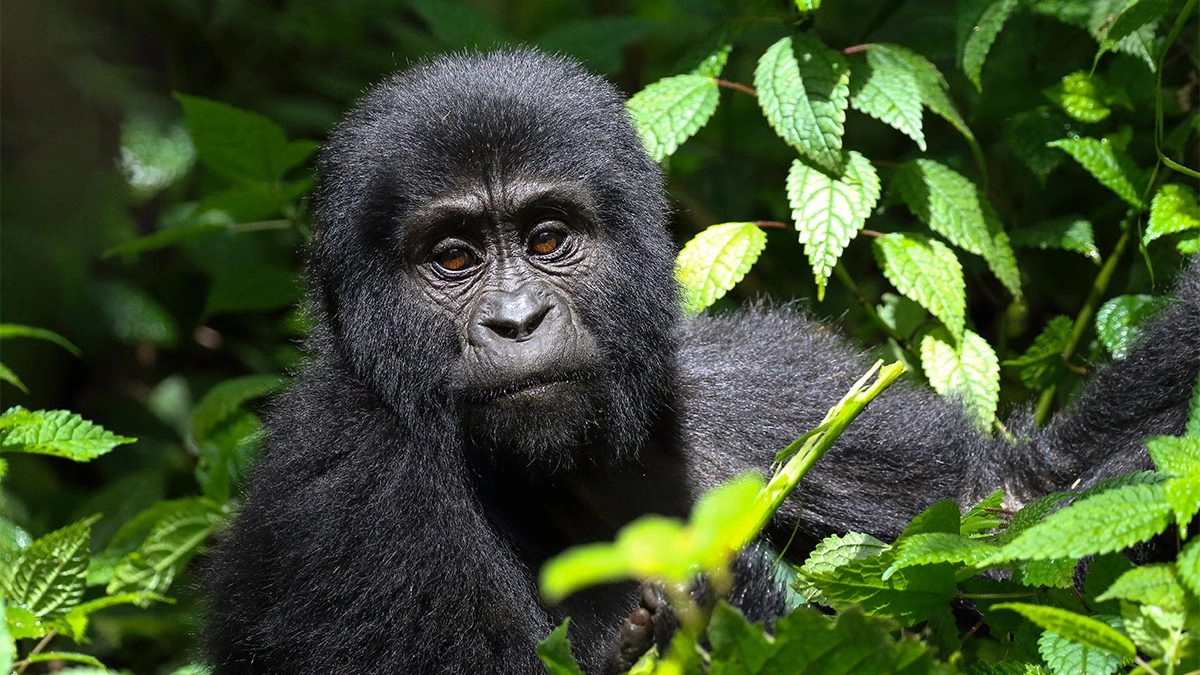
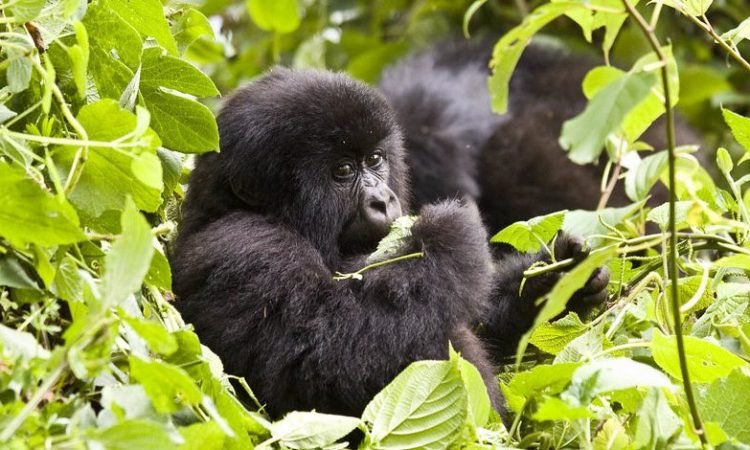
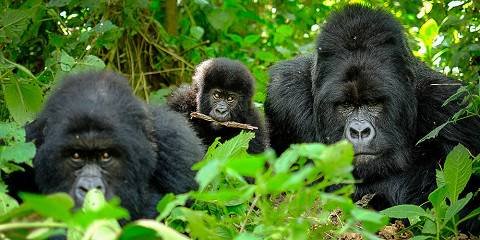
Mountain gorillas live in social groups called families or troops. Each family is usually led by a dominant silverback responsible for protecting the group and making important decisions.
The silverback plays a central role in maintaining order, defending the family, and guiding movements through the forest. Other members include females, juveniles, infants, and sometimes younger males.
Every gorilla family has its own personality and characteristics. Some groups may be calm and relaxed, while others may be more active and constantly moving through the forest.
A Mountain Gorillas trekking experience allows visitors to observe these social relationships and understand the complex lives of these incredible animals.
The Role of the Silverback
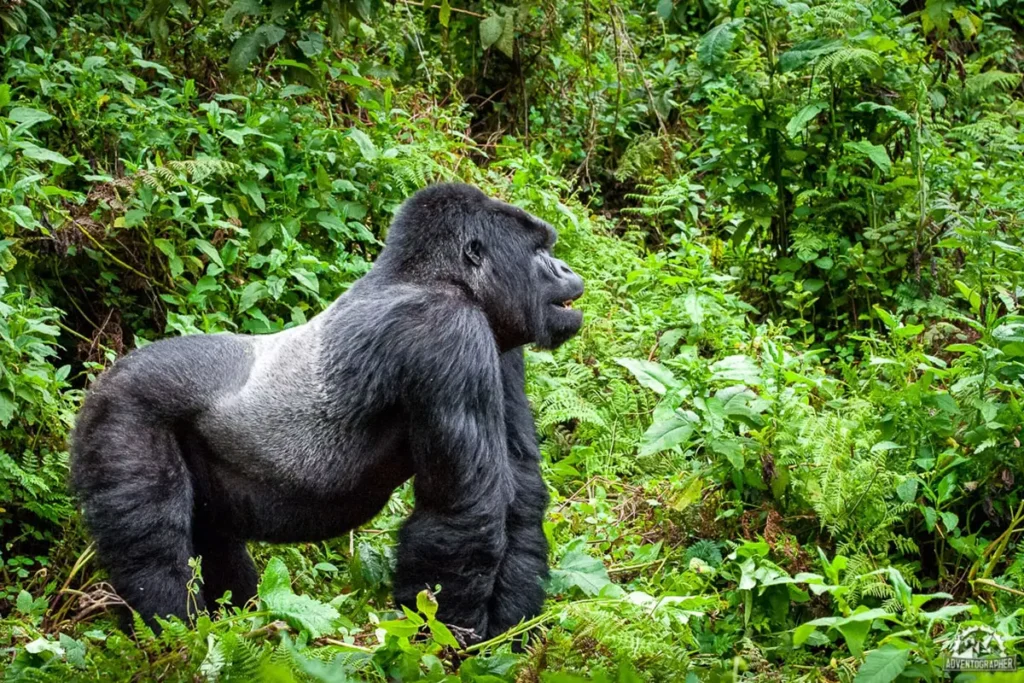
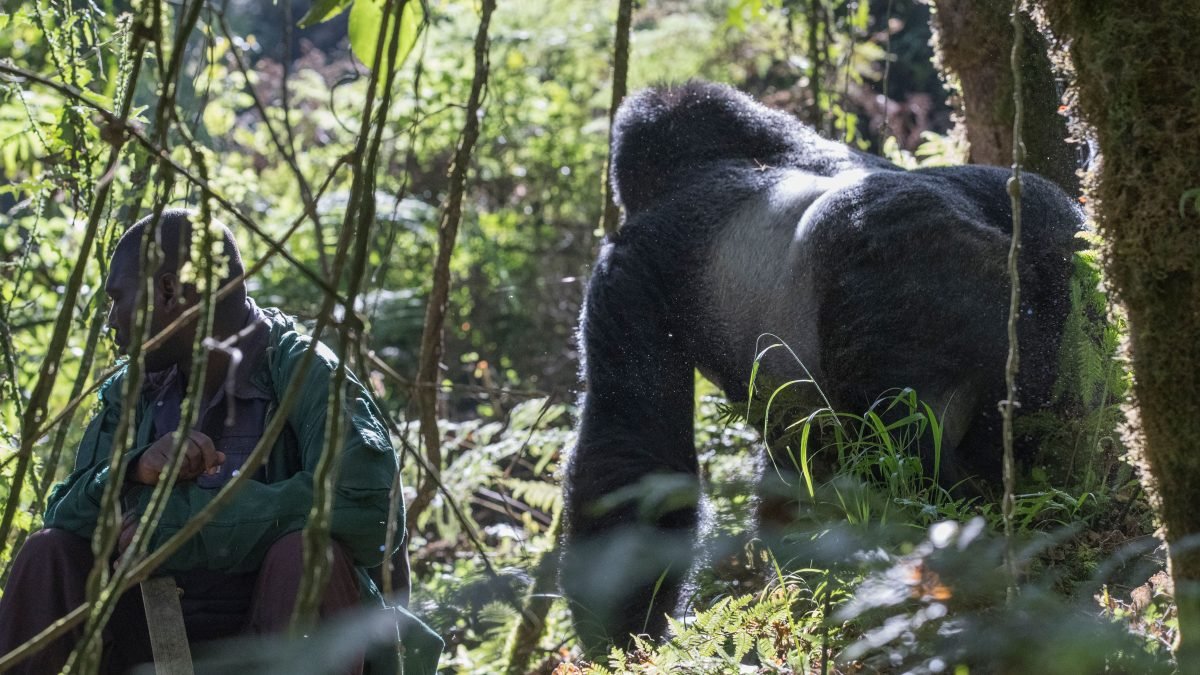
The silverback is one of the most important and fascinating members of a mountain gorilla family. These mature male gorillas are easily recognised by the distinctive silver-grey hair that develops across their backs and shoulders when they reach adulthood. This unique feature gives them their name and represents maturity, strength, and leadership within the gorilla social structure.
A Mountain Gorillas experience provides visitors with the rare opportunity to observe the important role a silverback plays within the family. The silverback is not simply the strongest member of the group; he is responsible for maintaining peace, protecting family members, making decisions about movement, and ensuring the safety of younger and weaker individuals.
The silverback decides when and where the family moves through the forest in search of food, shelter, and safer areas. He leads the group through the changing mountain environment, guiding them through dense vegetation, bamboo forests, and challenging terrain. His knowledge of the habitat is essential for the survival of the entire family.
Despite their impressive size and strength, silverbacks often display gentle and caring behaviours. They are frequently seen resting peacefully with family members, allowing young gorillas to climb on them, and staying close to mothers and infants. Their interactions demonstrate the strong social bonds that make mountain gorillas such remarkable animals.
During a gorilla trek, visitors may witness a silverback calmly feeding, observing his surroundings, grooming other family members, or communicating with the group. These moments provide a deeper understanding of gorilla society and show that leadership among mountain gorillas is based not only on strength but also responsibility and protection.
Mountain Gorilla Behaviour
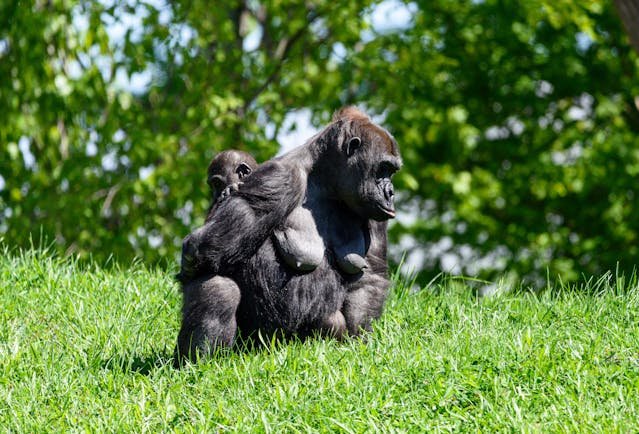
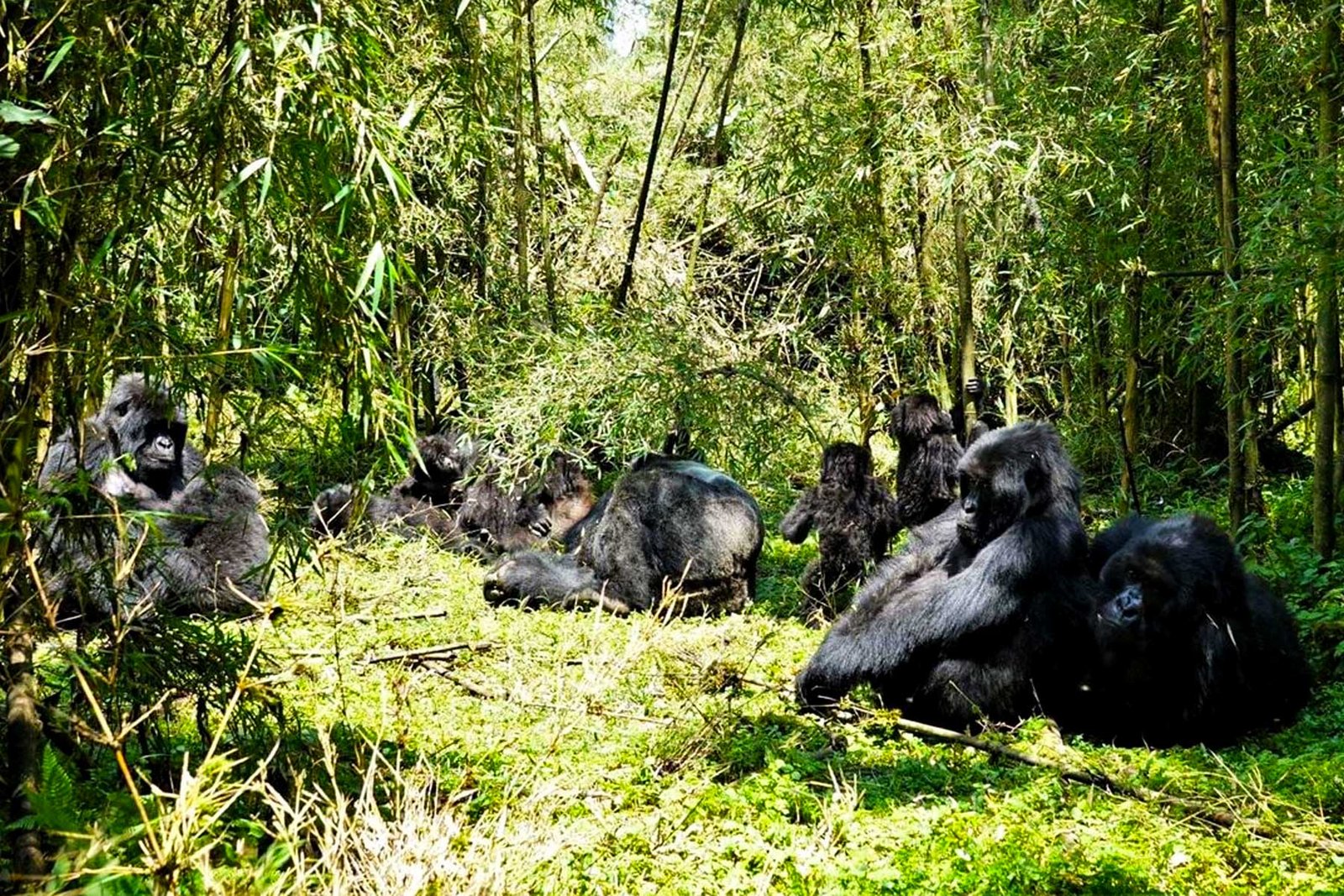
Mountain gorillas are among the most intelligent and socially complex animals on Earth. Their behaviour reflects strong family relationships, communication abilities, emotional connections, and advanced social structures that continue to fascinate researchers and visitors.
A Mountain Gorillas encounter allows travellers to observe natural behaviours that reveal how these incredible primates live together in the wild. Gorilla families spend their days feeding, resting, travelling, grooming, playing, and interacting with one another within their forest environment.
Communication is an essential part of mountain gorilla life. They communicate through a combination of vocal sounds, body movements, facial expressions, and physical contact. Different sounds can indicate curiosity, warning, comfort, excitement, or communication between family members.
Grooming is another important behaviour among mountain gorillas. Members of the family groom each other to strengthen social bonds, maintain relationships, and create trust within the group. These interactions are especially important between mothers, infants, and other family members.
Young gorillas are among the most entertaining members of a family group. They spend much of their time playing, climbing trees, chasing each other, and practising behaviours they will need as they grow older. Their playful activities help them develop physical skills and learn important social behaviours.
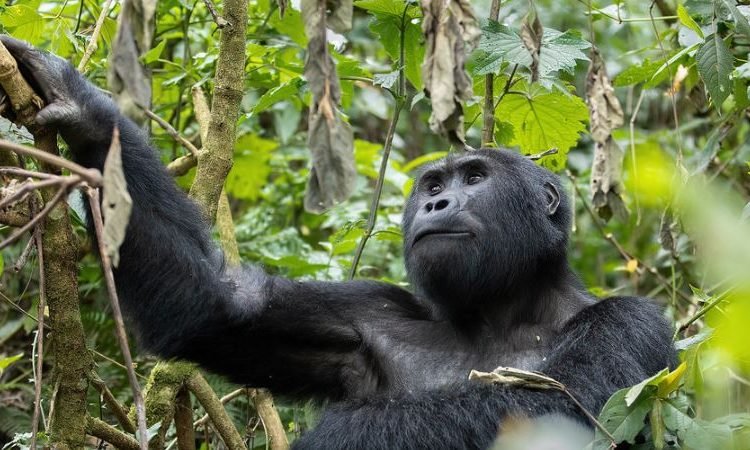
Visitors may also observe gorillas feeding on leaves, stems, roots, bamboo shoots, and other vegetation. Since mountain gorillas spend much of their day searching for food, feeding behaviour is one of the most common activities witnessed during trekking.
One of the most remarkable aspects of mountain gorilla behaviour is how closely it resembles certain human social behaviours. Their family relationships, emotional expressions, care for infants, and communication methods demonstrate the incredible connection between humans and these endangered primates.
Mountain Gorilla Trekking Experience
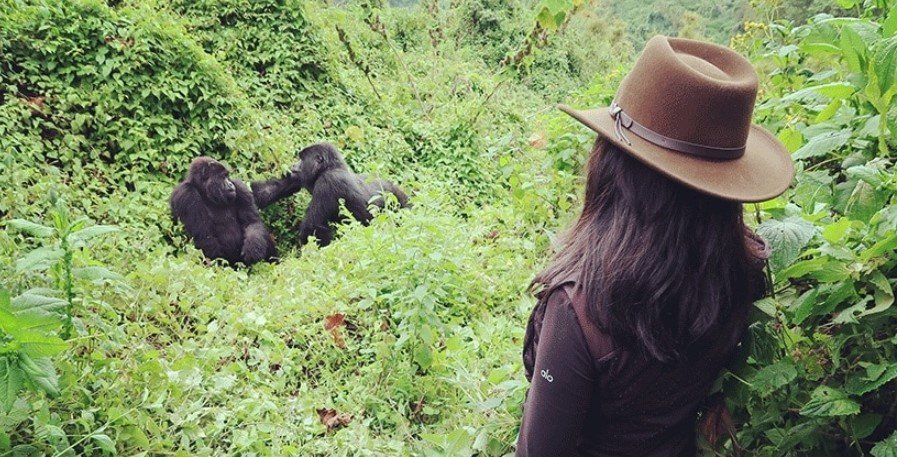
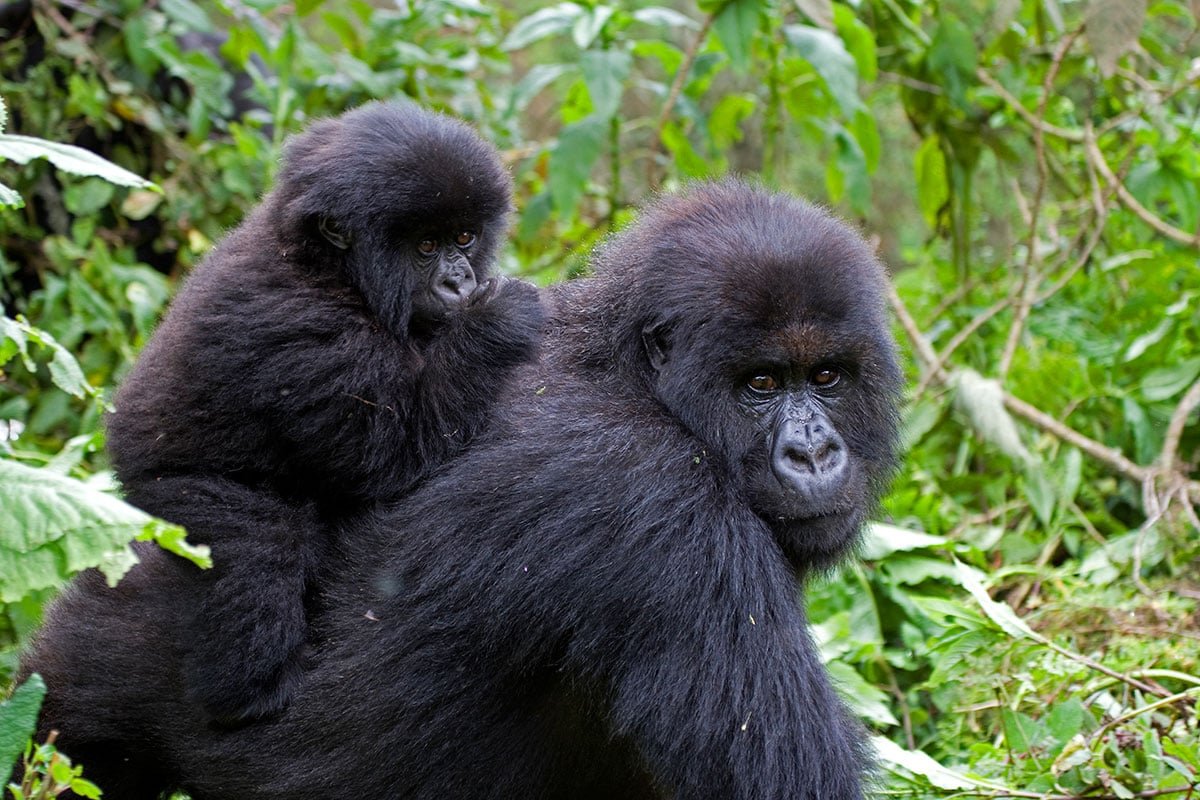
Mountain gorilla trekking is one of the most unforgettable wildlife experiences in Africa, offering travellers the opportunity to enter ancient forests and spend time observing endangered gorillas in their natural habitat.
A Mountain Gorillas trekking experience begins early in the morning when visitors arrive at the park headquarters for registration, briefing, and preparation. Park guides explain trekking procedures, safety guidelines, conservation rules, and what visitors should expect during their time in the forest.
After the briefing, visitors are assigned a gorilla family and begin their journey accompanied by experienced guides and trackers. The guides play an important role because they understand gorilla movements, forest conditions, and the behaviour of different gorilla families.
The duration and difficulty of the trek depend on the location of the gorilla family on that particular day. Some groups may be found after a relatively short walk, while others may require several hours of hiking through challenging mountain terrain.
The journey itself is part of the adventure. Visitors walk through beautiful rainforest landscapes filled with ancient trees, birds, colourful plants, and breathtaking mountain scenery. The forest environment creates a sense of exploration as travellers follow the paths used by gorillas.
The terrain can include steep slopes, muddy trails, thick vegetation, and changing weather conditions. However, professional guides and porters provide valuable assistance, helping visitors navigate the forest and ensuring the experience remains enjoyable.
When the gorilla family is located, visitors are allowed to spend a limited period observing them. This is often the most emotional part of the journey as travellers watch gorillas feeding, resting, playing, and interacting naturally.
The experience creates a powerful connection because visitors are not simply observing wildlife from a distance; they are entering the world of one of the closest living relatives of humans and witnessing their daily lives.
Best Time to See Mountain Gorillas
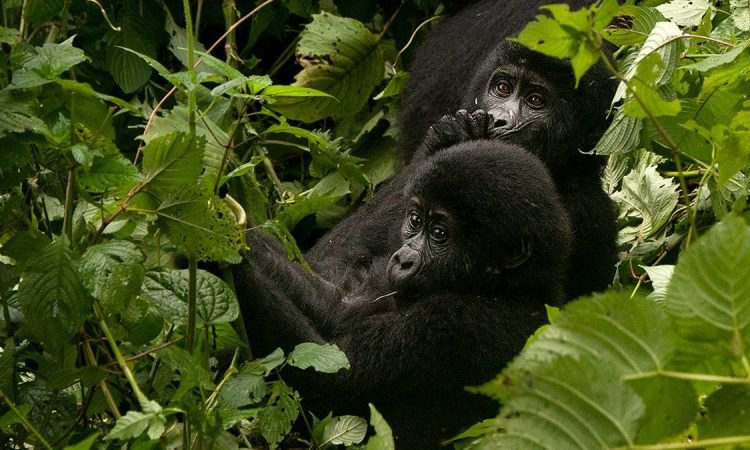
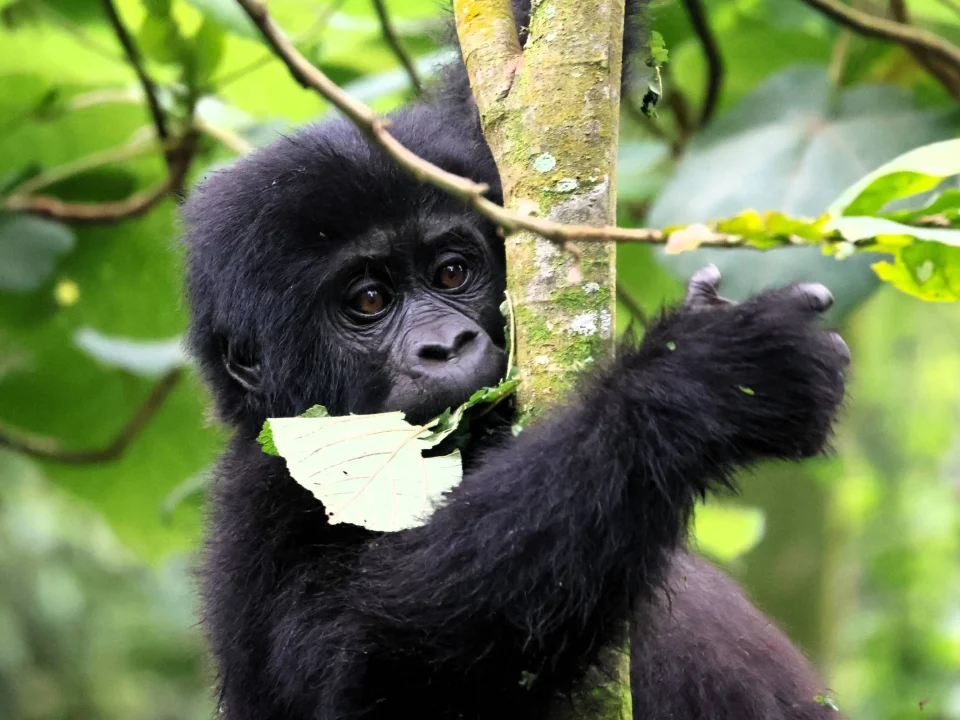
Mountain gorillas can be visited throughout the year because they live permanently within protected forests in Rwanda and Uganda. Unlike migratory wildlife species, gorillas remain within their natural habitats, meaning travellers have opportunities to experience them in every season.
A Mountain Gorillas safari is often considered easiest during the drier months because forest trails are generally less slippery and hiking conditions can be more comfortable. The main dry periods usually occur from June to September and December to February.
During these months, visitors often enjoy clearer trekking routes, making the physical experience easier, especially for travellers who may be concerned about challenging forest conditions.
However, the rainy seasons also provide unique advantages. Rainfall transforms the forest into a lush green environment, creating beautiful scenery and excellent photography opportunities. The vegetation becomes vibrant, waterfalls become more active, and the atmosphere of the rainforest becomes even more magical.
Another advantage of travelling during wetter months is that there may be fewer visitors compared to peak travel periods. This can create a more peaceful experience while exploring the forest.
The best time to visit mountain gorillas ultimately depends on personal preferences, availability, and travel plans. Since gorilla trekking permits are limited, securing your preferred trekking date early is often more important than choosing a specific season.
Regardless of the month, every trek offers the possibility of an unforgettable encounter with these incredible animals.
Conservation of Mountain Gorillas
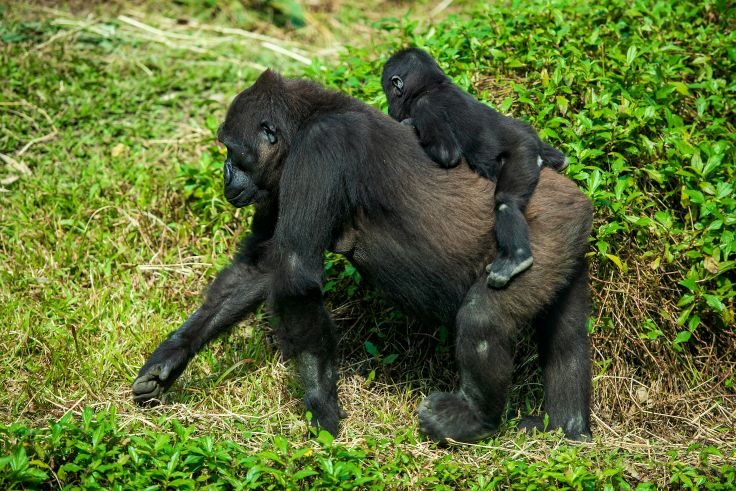
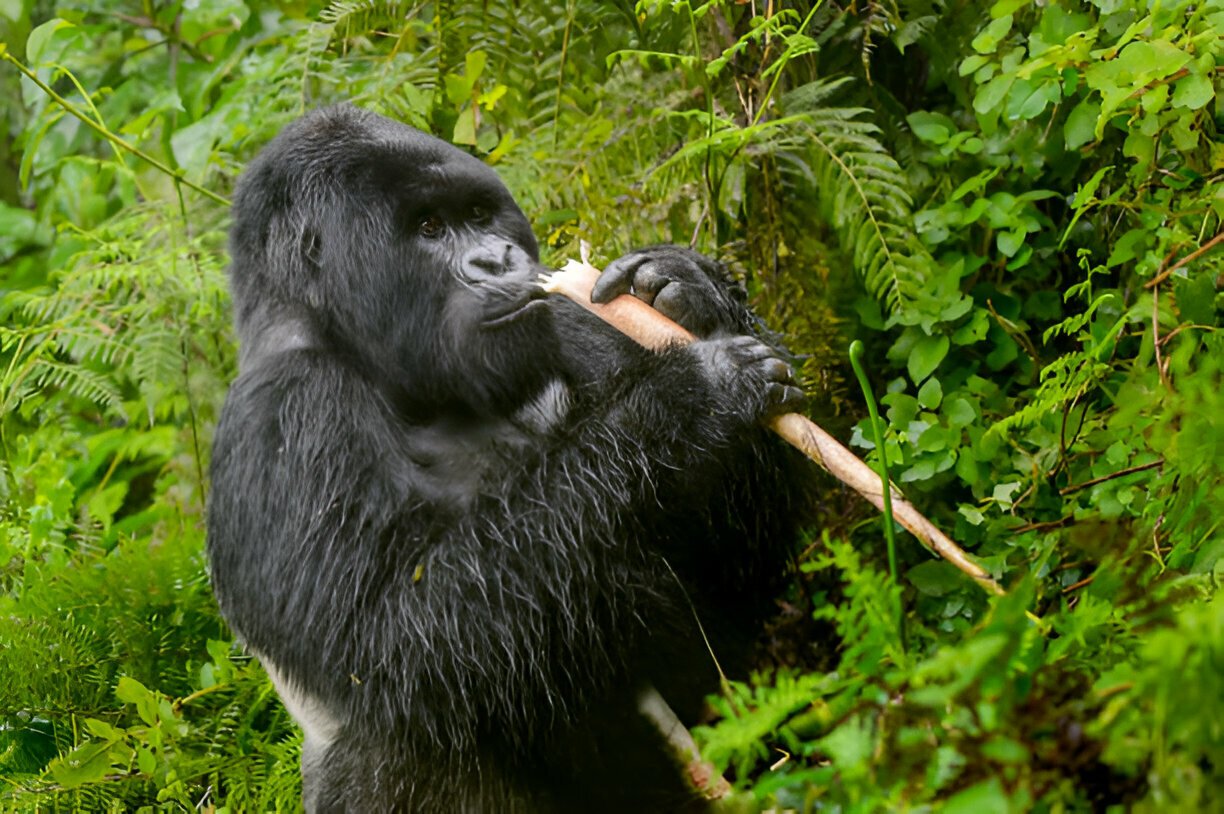
Mountain gorilla conservation is one of Africa’s greatest wildlife success stories. These remarkable animals once faced serious threats from habitat destruction, illegal hunting, human conflict, and disease. Through decades of conservation efforts, their population has gradually increased, providing hope for their long-term survival.
A Mountain Gorillas experience plays an important role in this conservation success because responsible tourism generates funding that supports national parks, wildlife protection, scientific research, and community programmes.
Gorilla trekking permits contribute directly to conservation activities, including ranger operations, habitat protection, veterinary monitoring, and programmes that reduce threats to gorillas and their ecosystems.
Researchers and conservation organisations continue to monitor gorilla populations, study their behaviour, and develop strategies to protect them. Veterinary teams also provide support when gorillas face health challenges.
Conservation efforts extend beyond protecting gorillas themselves. Protecting their forest habitat also benefits countless other species, including birds, plants, insects, and other wildlife that depend on these ecosystems.
Communities living near gorilla habitats also play an essential role. Tourism creates employment opportunities for guides, trackers, porters, lodge staff, and local businesses. Community benefits encourage local support for conservation and help create a sustainable relationship between people and wildlife.
By choosing responsible gorilla tourism, visitors become part of the conservation story and contribute to protecting one of the world’s most extraordinary species.
Responsible Mountain Gorilla Tourism
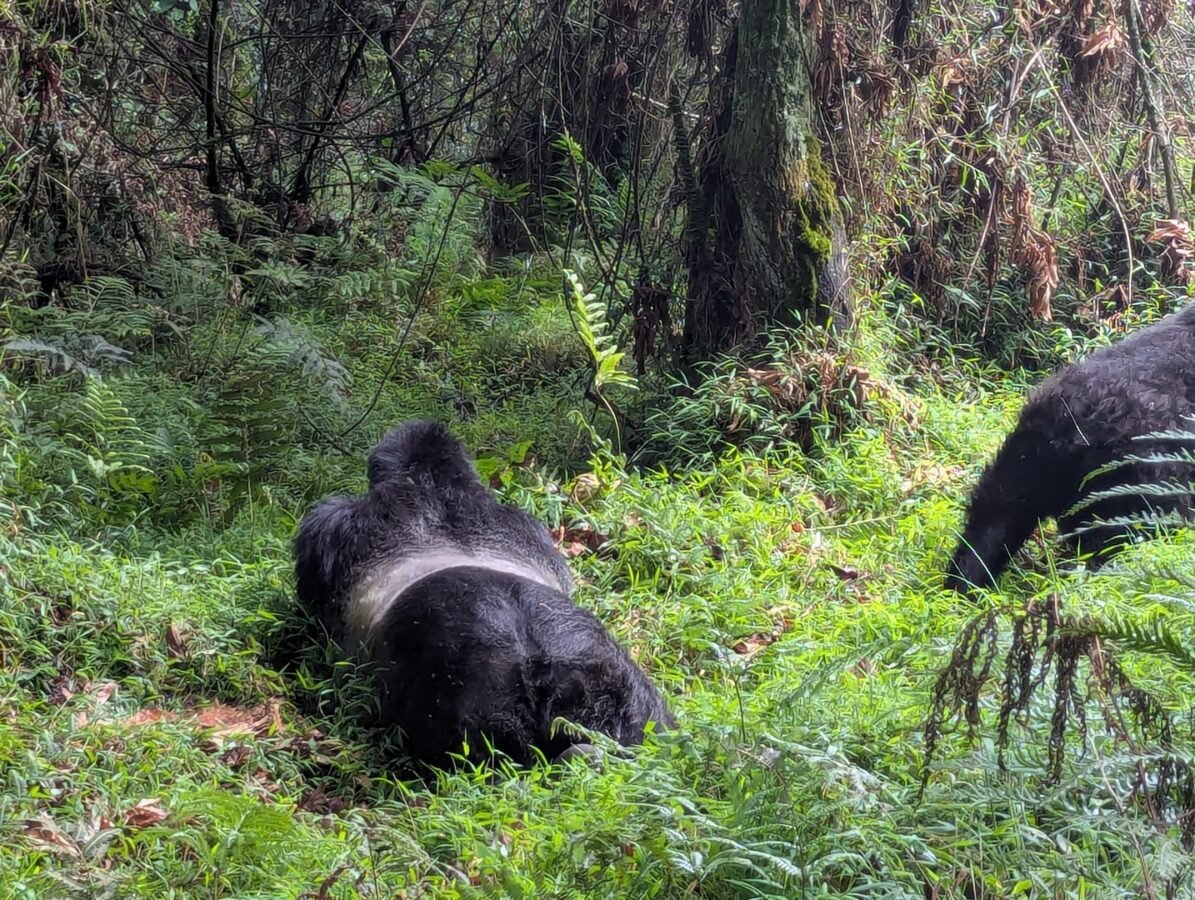
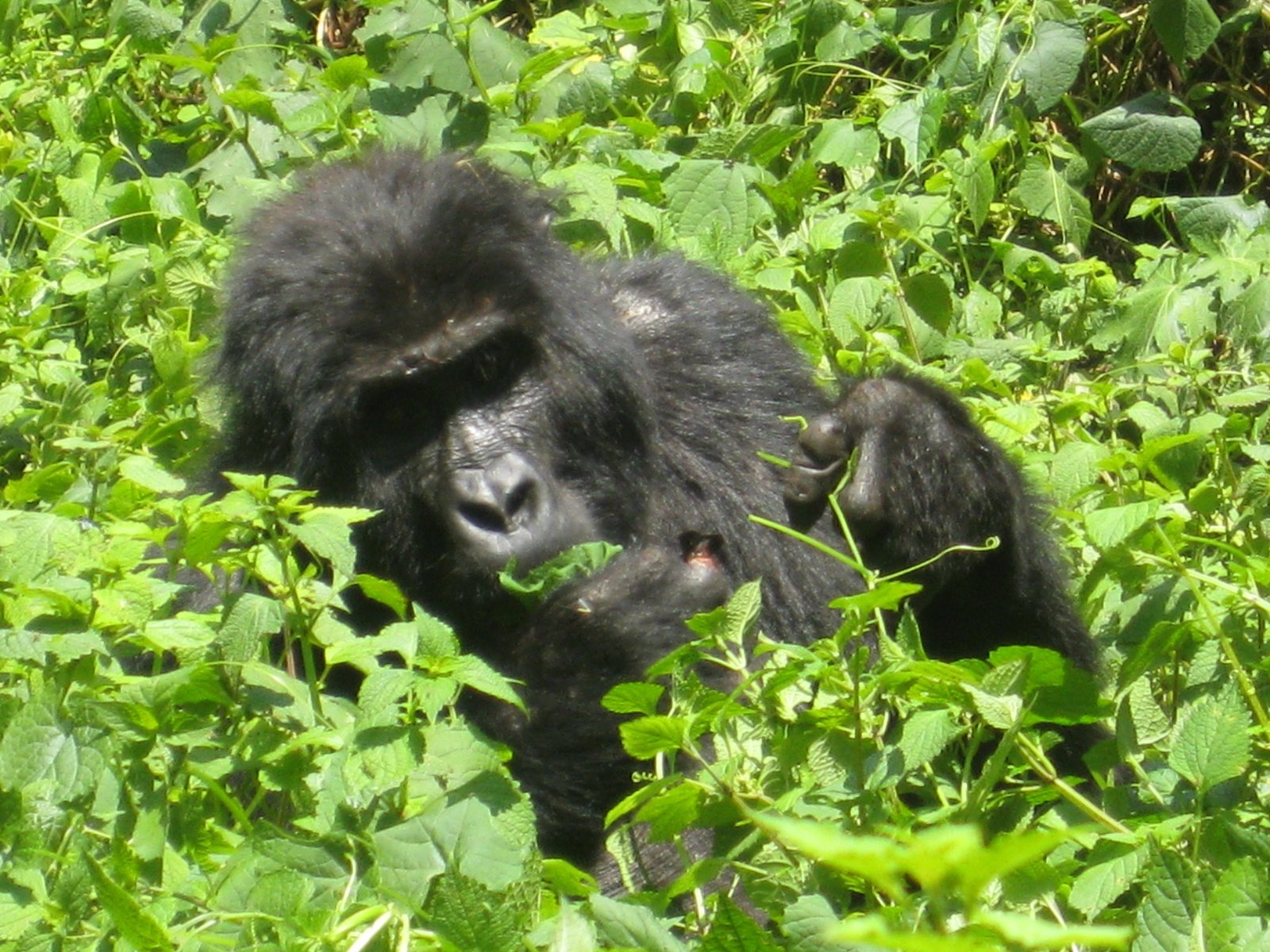
Responsible tourism is essential for ensuring that mountain gorillas remain protected while allowing future generations to experience them. Because gorillas share many similarities with humans, they can be vulnerable to certain human illnesses and environmental pressures.
Visitors participating in a Mountain Gorillas trekking experience must follow strict guidelines designed to protect both the animals and the people visiting them.
Maintaining a respectful distance from gorillas is one of the most important rules. Although gorillas may sometimes approach visitors, travellers should avoid touching them or attempting to move closer.
Visitors are also encouraged to keep noise levels low, avoid sudden movements, and follow instructions from guides at all times. These measures help ensure that gorillas remain comfortable and behave naturally.
Health precautions are equally important. Travellers who are feeling unwell should inform park authorities because illnesses such as respiratory infections can potentially affect gorilla populations.
Responsible tourism also includes respecting the forest environment. Visitors should avoid littering, damaging plants, or disturbing other wildlife encountered during the trek.
By following these guidelines, travellers help maintain a sustainable tourism model where gorilla conservation and unforgettable visitor experiences can continue together.
What to Pack for Mountain Gorilla Trekking


Preparing properly for a mountain gorilla trek ensures greater comfort and enjoyment throughout the experience. Since trekking takes place in rainforest environments with changing weather conditions, having the right equipment is essential.
Travellers should bring strong waterproof hiking boots because trails can become muddy, slippery, and uneven. Good footwear provides stability and makes walking through forest terrain much easier.
Long trousers and long-sleeved shirts are recommended because they protect against vegetation, insects, and rough forest conditions. Comfortable outdoor clothing allows visitors to move freely during the trek.
A waterproof jacket is one of the most important items because rainfall can occur unexpectedly, even during traditionally dry periods. Waterproof protection also helps protect cameras, phones, and personal belongings.
Many experienced trekkers also carry gardening gloves or lightweight hiking gloves to protect their hands when moving through vegetation. A small backpack is useful for carrying water, snacks, cameras, and personal items.
A camera is essential for capturing memories, but visitors should follow photography guidelines provided by park authorities. Flash photography is usually restricted because it may disturb the gorillas.
Other useful items include sunscreen, insect protection, reusable water bottles, personal medication, sunglasses, and a small towel.
With proper preparation, visitors can focus on enjoying one of the world’s greatest wildlife experiences: standing in the forest and witnessing mountain gorillas living freely in their natural home.
Frequently Asked Questions About Mountain Gorillas
Where can I see Mountain Gorillas?
Mountain gorillas can only be seen in three countries: Rwanda, Uganda, and the Democratic Republic of Congo. The most popular trekking destinations are Volcanoes National Park in Rwanda and Bwindi Impenetrable National Park in Uganda.
A Mountain Gorillas safari allows visitors to explore protected forests where habituated gorilla families live. Each destination offers a unique experience depending on scenery, accessibility, trekking conditions, and additional activities available.
Are Mountain Gorillas dangerous?
Mountain gorillas are generally peaceful animals and are not naturally aggressive towards humans. Their calm behaviour during trekking is a result of years of careful habituation by researchers and conservation teams.
However, they remain wild animals and should always be treated with respect. Following guide instructions and maintaining proper distances ensures a safe experience for both visitors and gorillas.
How long do you spend with Mountain Gorillas?
During standard gorilla trekking, visitors usually spend a limited amount of time observing the gorilla family after locating them.
This time allows travellers to watch natural behaviours while minimising disturbance. Longer experiences may be available through specialised habituation programmes in certain locations.
How difficult is Mountain Gorilla trekking?
The difficulty of gorilla trekking varies depending on the location of the gorilla family and the condition of forest trails.
Some treks are relatively short, while others require several hours of hiking through challenging terrain. Good preparation and the support of guides and porters make the experience manageable for many travellers.
How much does Mountain Gorilla trekking cost?
The cost depends on the destination, permit prices, accommodation, transportation, and safari package.
Gorilla permits represent the largest individual expense, but the total cost also includes accommodation, guides, transfers, meals, and additional activities.
What is the best country for Mountain Gorillas?
Rwanda and Uganda are the most popular destinations for mountain gorilla trekking.
Rwanda offers easy access and excellent infrastructure, while Uganda provides diverse trekking locations and additional wildlife experiences.
Can children see Mountain Gorillas?
Age restrictions apply for mountain gorilla trekking because of safety and conservation considerations.
Families should discuss their children’s ages and interests with a professional safari operator when planning their trip.
How many Mountain Gorillas are left in the world?
Mountain gorillas remain endangered, although conservation efforts have helped increase their population.
Their survival depends on continued habitat protection, responsible tourism, research, and community support.
Can I combine Mountain Gorillas with a safari?
Yes, mountain gorilla trekking combines extremely well with traditional wildlife safaris.
Travellers can combine gorilla trekking with chimpanzee trekking, Big Five safaris, bird watching, and cultural experiences in Rwanda or Uganda.
How do I book a Mountain Gorilla safari?
The best way to book a Mountain Gorillas safari is through an experienced local tour operator that can arrange permits, accommodation, transportation, and professional guides.
Early booking is recommended because gorilla permits are limited and demand is high.
Are Mountain Gorillas worth visiting?
Yes, seeing mountain gorillas is considered one of the world’s most unforgettable wildlife experiences.
The opportunity to observe these intelligent animals in their natural habitat creates a powerful memory while supporting important conservation work.
What is the difference between gorilla trekking and gorilla habituation?
Gorilla trekking involves visiting gorilla families that are already accustomed to limited human presence.
Gorilla habituation allows visitors to spend more time with gorillas that are still undergoing the process of becoming comfortable around humans.
Why are Mountain Gorillas endangered?
Mountain gorillas face threats including habitat loss, disease, and historical human activities.
Conservation efforts, protected areas, research, and responsible tourism have helped improve their chances of survival.
Do Mountain Gorillas live in groups?
Yes, mountain gorillas live in social family groups led by a dominant silverback.
These groups include females, juveniles, infants, and sometimes other males who contribute to the social structure.
How can I support Mountain Gorilla conservation?
Travellers support conservation by choosing responsible tourism, following trekking rules, and visiting through legitimate operators.
Gorilla tourism revenue helps fund protection programmes, ranger activities, and community projects.
Book Your Mountain Gorilla Adventure Today
A Mountain Gorillas experience is more than a wildlife encounter; it is an opportunity to connect with one of the world’s most remarkable animals while contributing to their protection.
At Nextgen Safaris, we create personalised gorilla trekking journeys in Rwanda and Uganda, including permits, accommodation, transportation, professional guides, and carefully planned itineraries.
Whether you are planning a luxury gorilla safari, a family adventure, a honeymoon experience, or a combined East African wildlife journey, our team helps you create an unforgettable experience.
Start planning your Mountain Gorilla adventure today with Nextgen Safaris and discover the magic of Africa’s incredible great apes.