
Ultimate Coffee Tours Rwanda: Authentic Coffee Experiences, Farms, Culture & Flavours
Coffee Tours Rwanda

Coffee Tours Rwanda offer travellers an opportunity to discover one of the country’s most important agricultural products while meeting coffee farmers, exploring beautiful growing regions, learning traditional and modern processing methods, and tasting freshly prepared Rwandan coffee. For visitors who want to experience Rwanda beyond gorilla trekking and wildlife safaris, a coffee tour provides a fascinating connection between agriculture, culture, landscapes, and local communities.
Rwanda has developed a strong reputation for producing high-quality Arabica coffee, particularly specialty coffee that is valued for its distinctive flavour profiles and careful processing. Coffee is grown by thousands of smallholder farmers across the country’s fertile highlands, where altitude, rainfall, volcanic and mineral-rich soils, and favourable growing conditions contribute to the quality of the beans.
A Coffee Tours Rwanda experience allows visitors to see what happens before coffee reaches a café or breakfast table. Instead of simply drinking a cup of coffee, travellers can follow the journey from coffee trees and ripe cherries through harvesting, washing, drying, roasting, grinding, brewing, and finally tasting.
The experience can be particularly rewarding because it connects travellers directly with the people whose work supports Rwanda’s coffee industry. Farmers, washing-station workers, roasters, guides, and local communities all play important roles in bringing Rwandan coffee from the hills to consumers around the world.
Coffee tours can also be combined with other Rwanda experiences. Travellers can incorporate coffee experiences into Kigali city tours, Lake Kivu holidays, cultural journeys, gorilla trekking itineraries, or longer Rwanda safaris. This makes coffee tourism suitable for couples, families, photographers, food lovers, coffee enthusiasts, and travellers interested in responsible tourism.
Why Choose Coffee Tours Rwanda?
Choosing a coffee tour provides a completely different perspective of Rwanda. Wildlife safaris introduce visitors to the country’s protected areas, while coffee experiences reveal how agriculture and communities shape everyday life.
Rwanda’s mountainous terrain means that coffee farms are often surrounded by spectacular scenery. Travellers can walk through cultivated hills, observe coffee trees growing among other crops, and meet farmers who have developed generations of knowledge about agriculture.
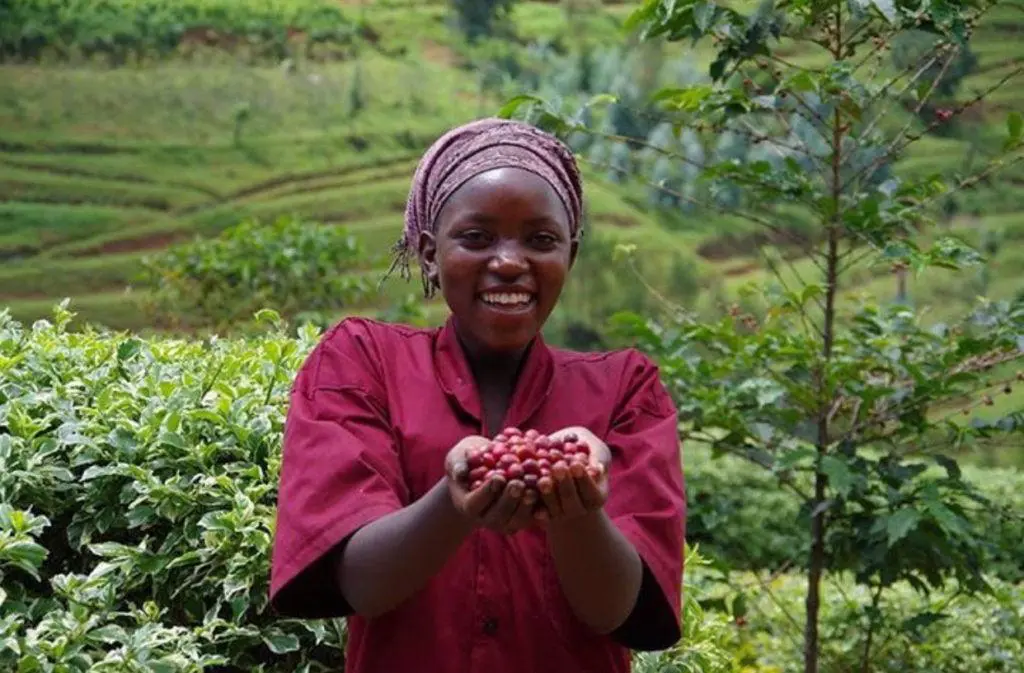
The experience also provides an opportunity to understand how coffee contributes to livelihoods. Smallholder farmers play an important role in Rwanda’s coffee production, and coffee-related tourism can provide additional income opportunities for communities when managed responsibly.
A coffee tour is therefore not simply about drinking coffee. It can become an educational and cultural experience that introduces travellers to agriculture, local food, community life, entrepreneurship, and Rwanda’s connection to international coffee markets.
For coffee lovers, it provides the chance to taste beans closer to their origin while learning how different stages of processing influence flavour.
Understanding Rwanda’s Coffee Heritage
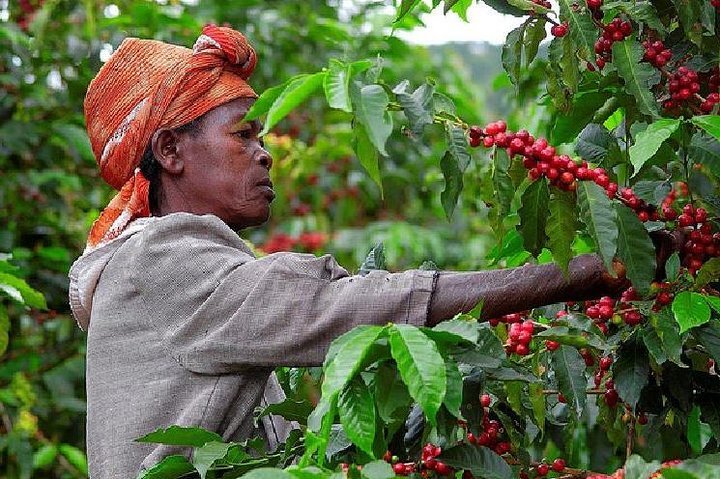
Coffee has become an important part of Rwanda’s agricultural economy and international identity.
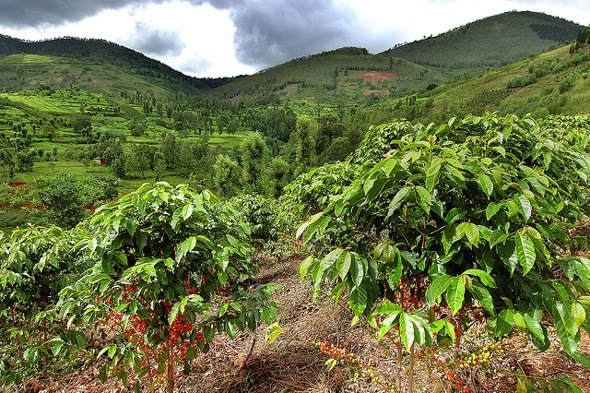
The country’s high elevations and favourable growing conditions provide an environment suitable for Arabica coffee. Many coffee-growing communities cultivate their trees on hillsides, creating a landscape where agriculture and rural life are closely connected.
Over time, Rwanda’s coffee industry has increasingly focused on quality and specialty coffee. Improvements in processing, washing stations, farmer organisation, and quality control have helped Rwandan coffee gain recognition among specialty coffee consumers.
A Coffee Tours Rwanda experience allows visitors to understand this development from the perspective of the people producing the coffee.
Rather than seeing coffee as simply an agricultural commodity, travellers can appreciate the work involved in producing high-quality beans and the importance of careful harvesting and processing.
Visiting a Rwandan Coffee Farm
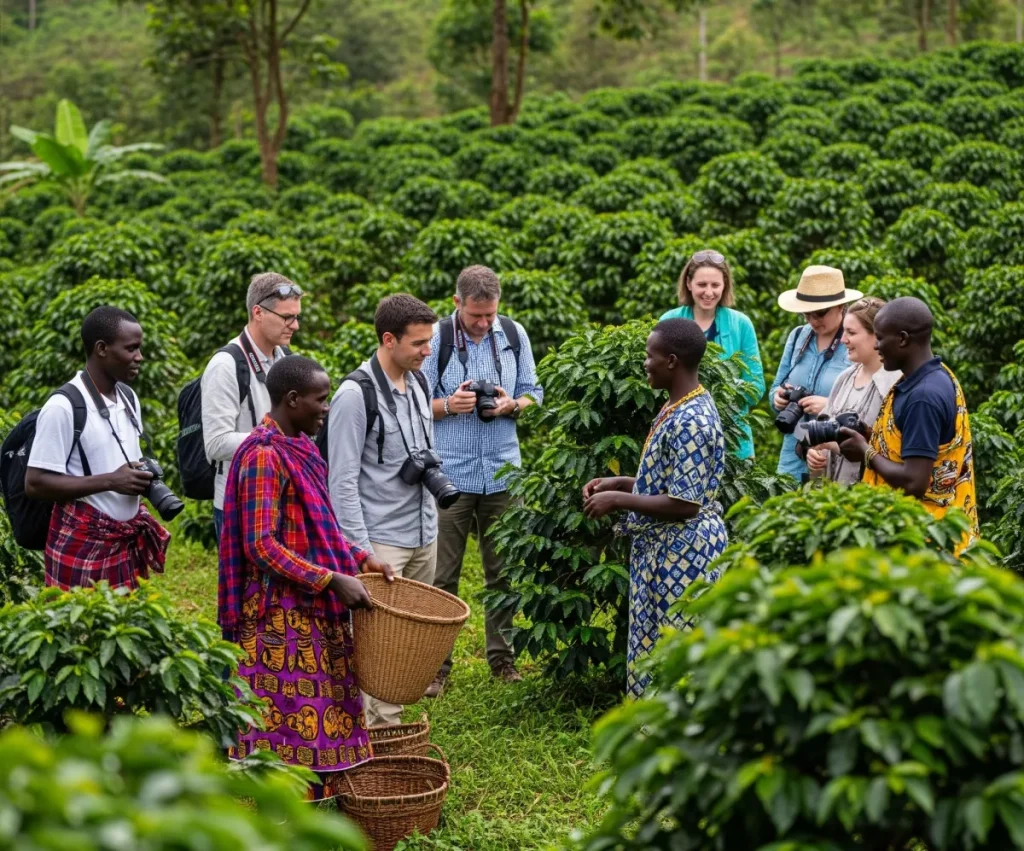
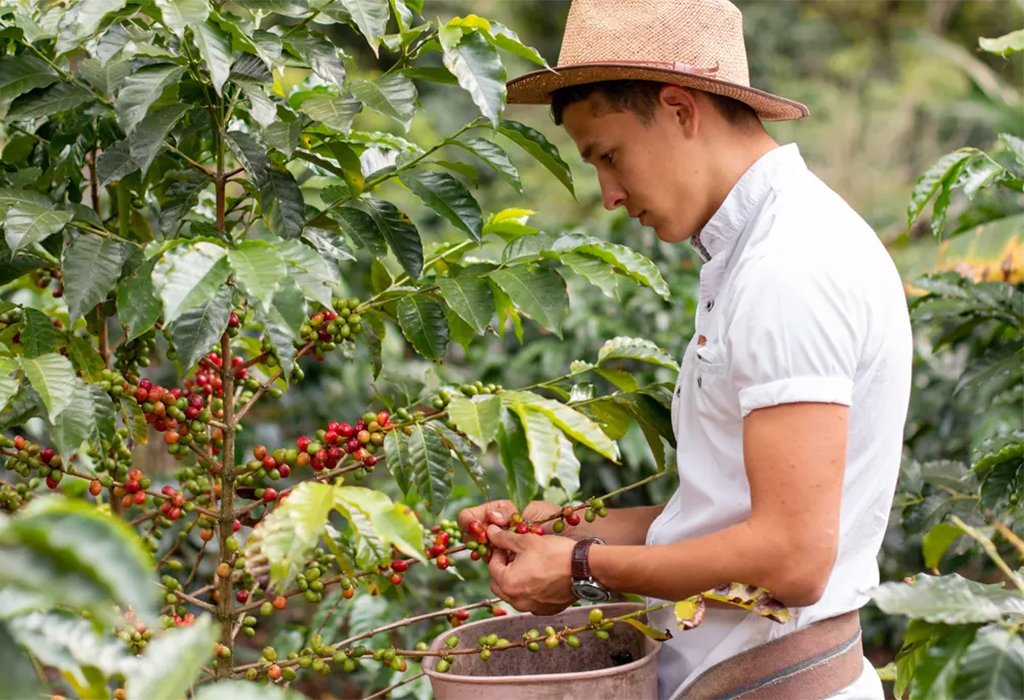
A coffee farm visit is often one of the most enjoyable parts of a coffee tour.
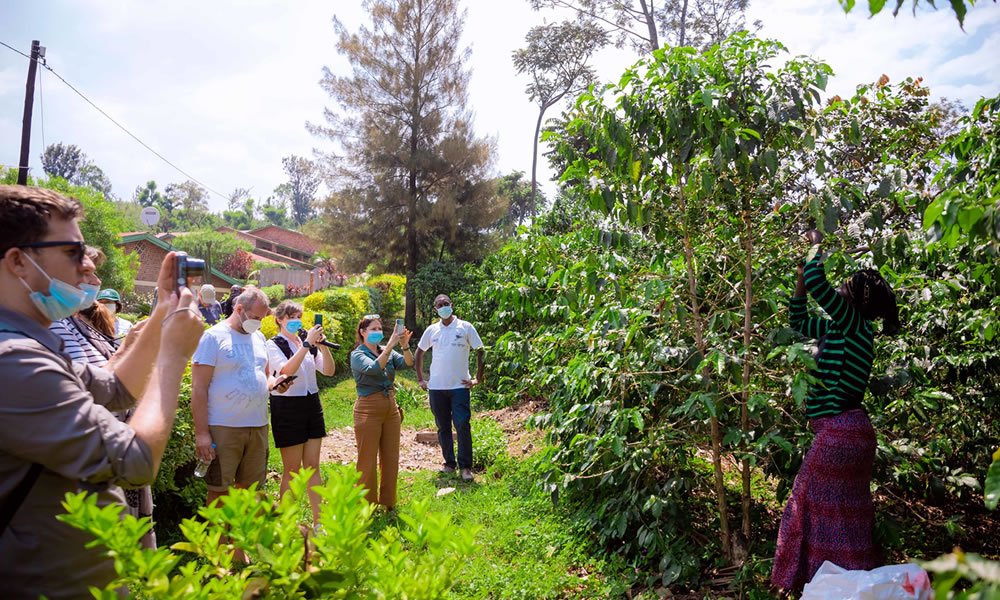
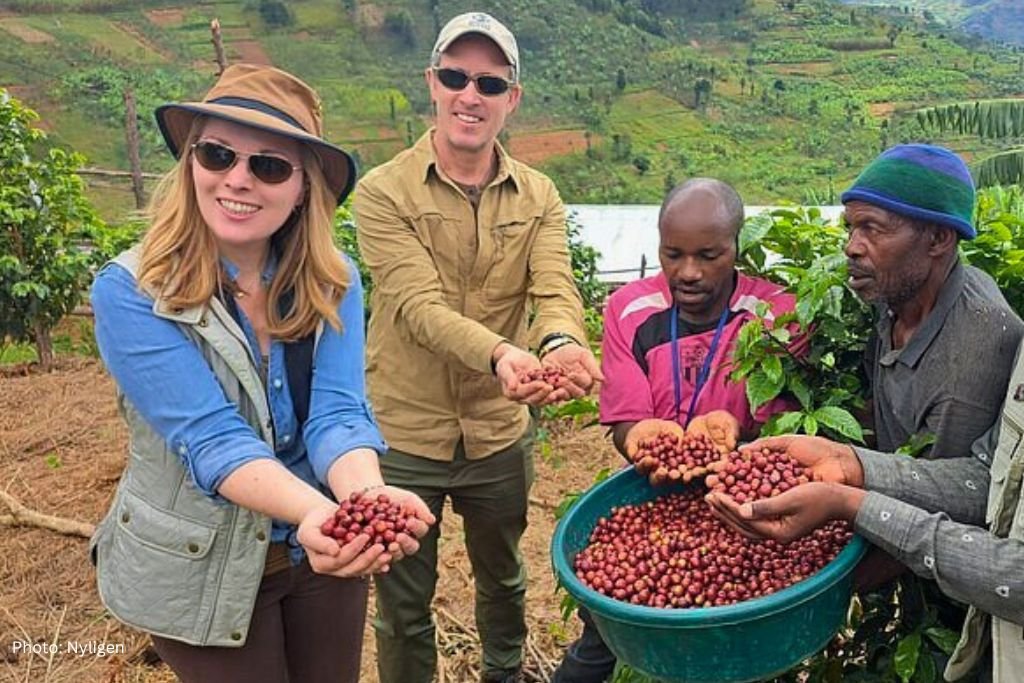
Travellers can walk among coffee trees and learn how the plants are cultivated throughout the year. Guides can explain how coffee cherries develop, when they are ready for harvesting, and how farmers manage their trees.
During the harvesting period, visitors may have the opportunity to observe or participate in suitable activities under the guidance of local hosts.
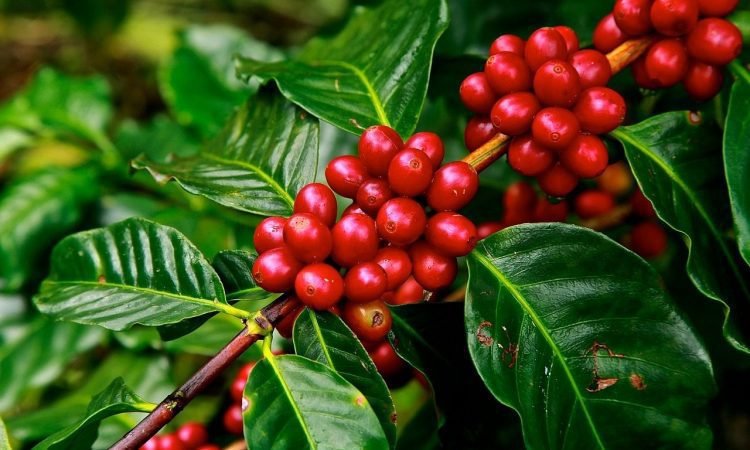
Seeing ripe coffee cherries on the trees helps visitors understand that coffee begins as a fruit rather than the roasted brown beans familiar to consumers.
The farm environment also provides opportunities to observe other crops and aspects of rural life. Rwanda’s smallholder farms may contain food crops alongside coffee, reflecting the importance of diversified agriculture to rural households.
The experience becomes particularly meaningful when farmers explain their daily work and the challenges and opportunities associated with coffee production.
From Coffee Cherry to Coffee Bean
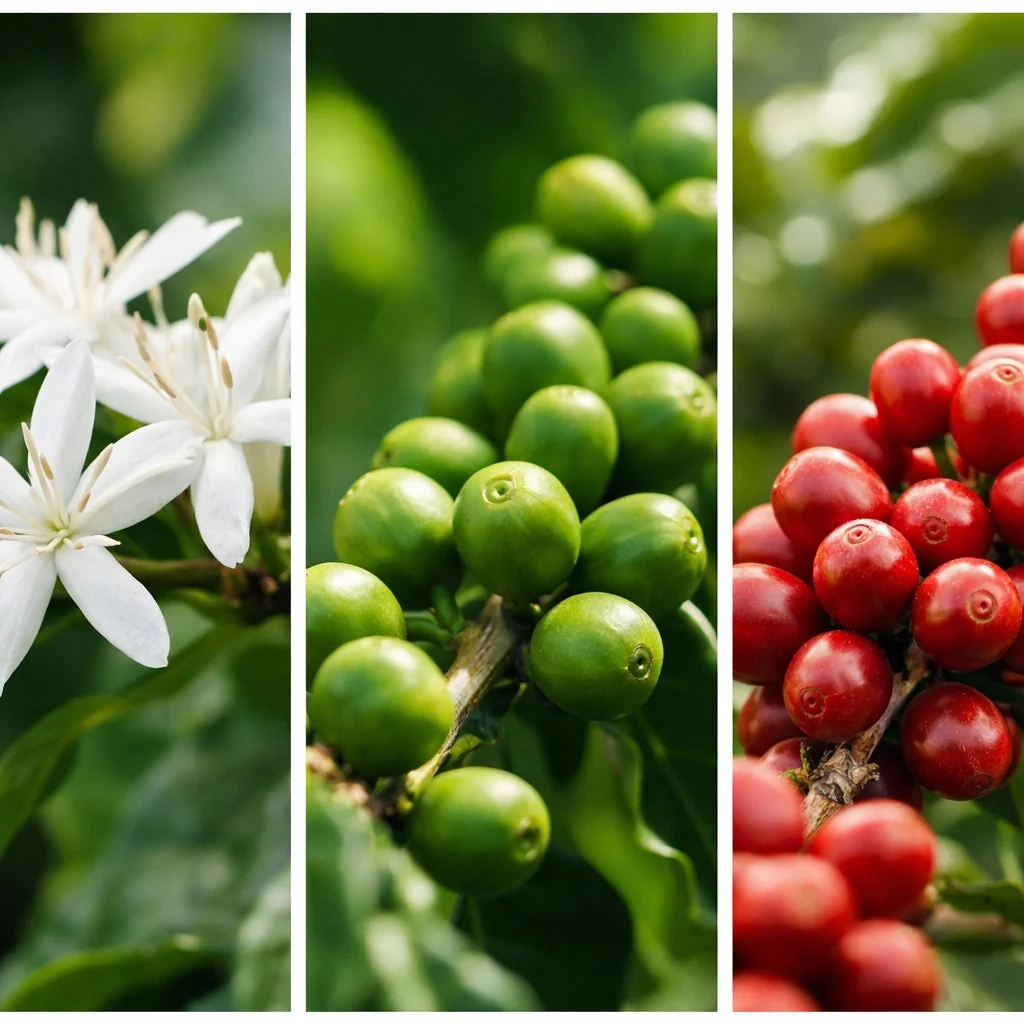
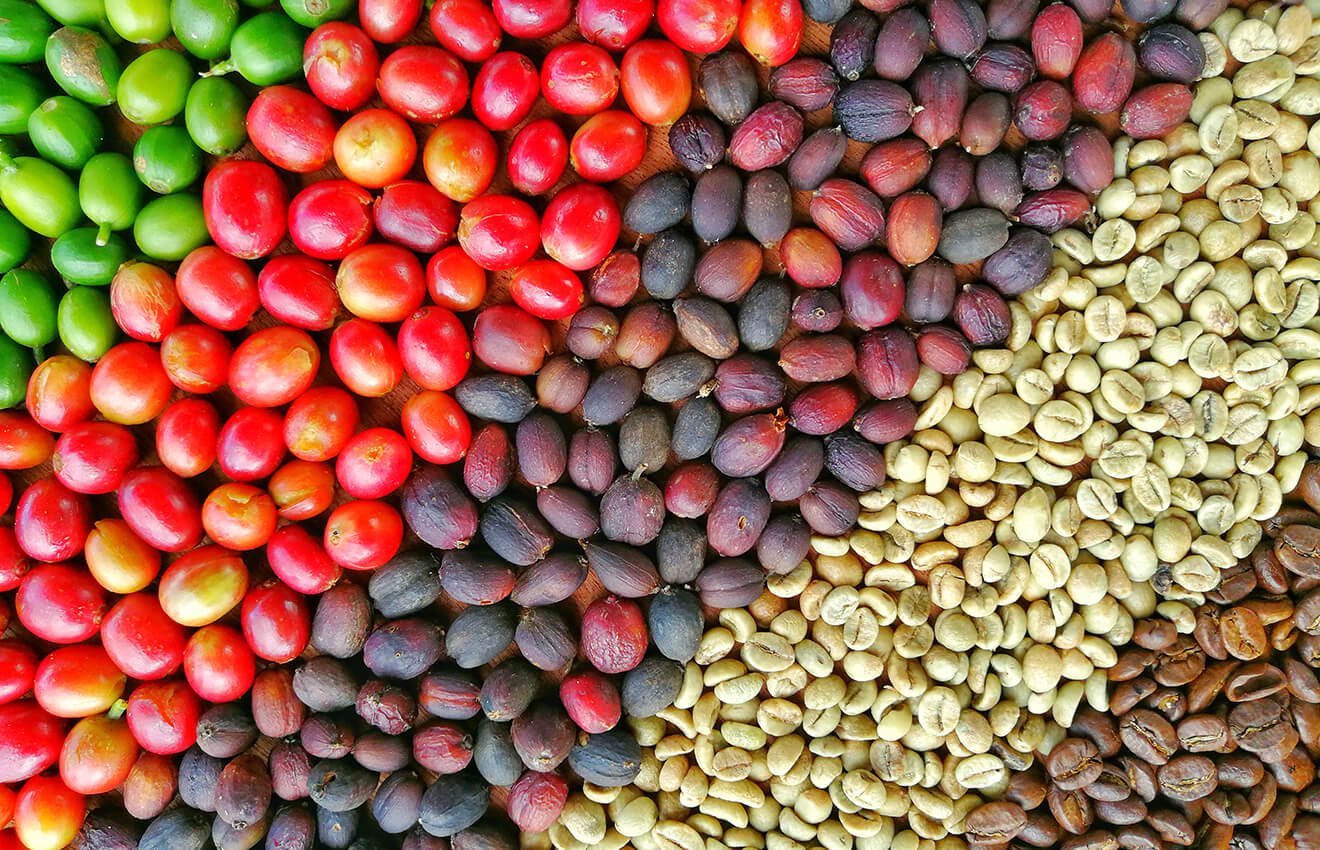
One of the most interesting aspects of Coffee Tours Rwanda is learning how coffee cherries are transformed into the beans eventually used for brewing.
Once ripe cherries are harvested, they undergo processing. Depending on the processing method, the fruit is separated from the coffee seed, which is then cleaned, dried, sorted, and prepared for further processing.
Visitors can learn about the importance of selecting ripe cherries and maintaining quality throughout the process.
At coffee washing stations, travellers may see equipment used to process cherries and learn how coffee is prepared for drying.
The drying process is particularly important because moisture levels must be carefully managed to protect coffee quality.
The beans may then be sorted and prepared for later stages of production, including roasting.
Seeing these processes first-hand provides a much deeper appreciation of the time and effort behind a single cup of coffee.
Rwanda Coffee Washing Station Experience
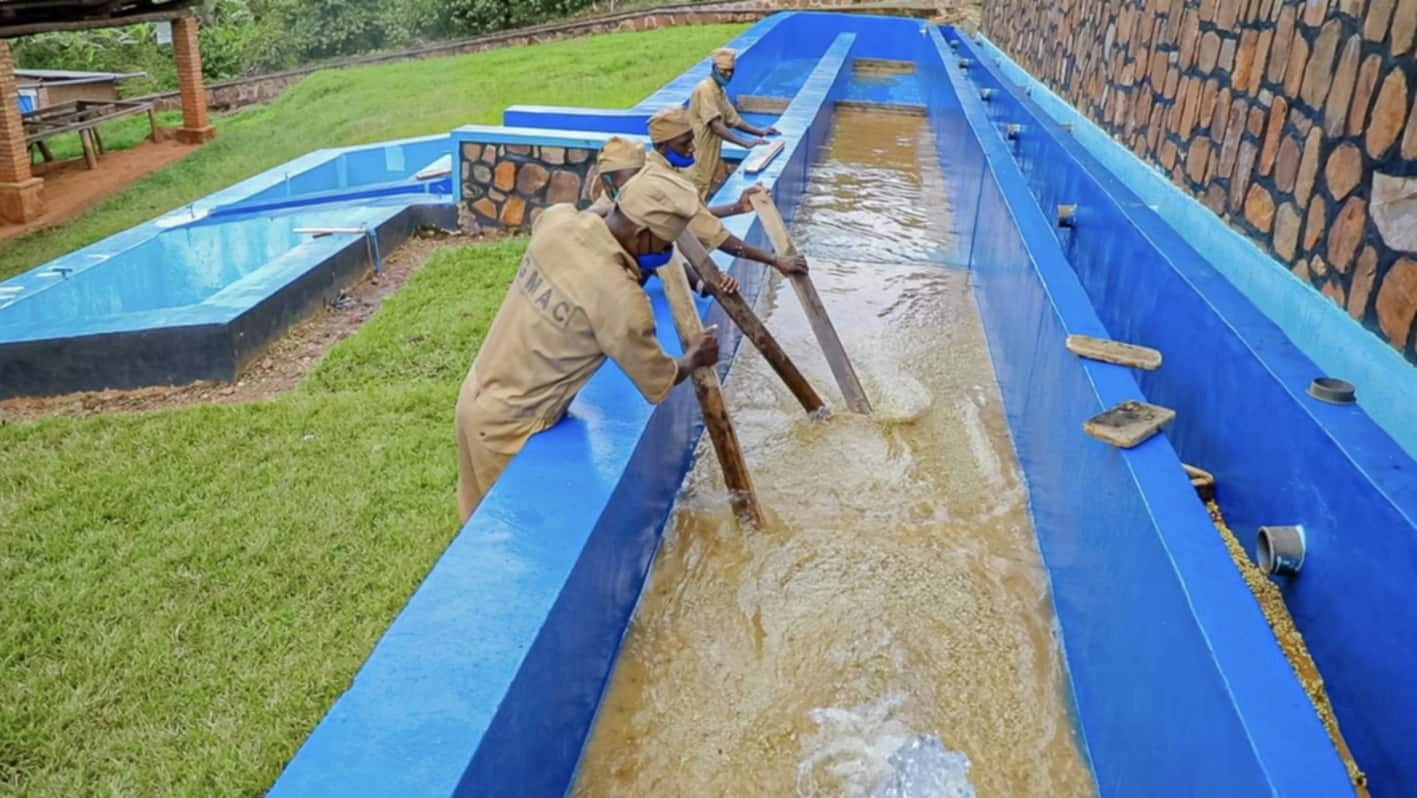
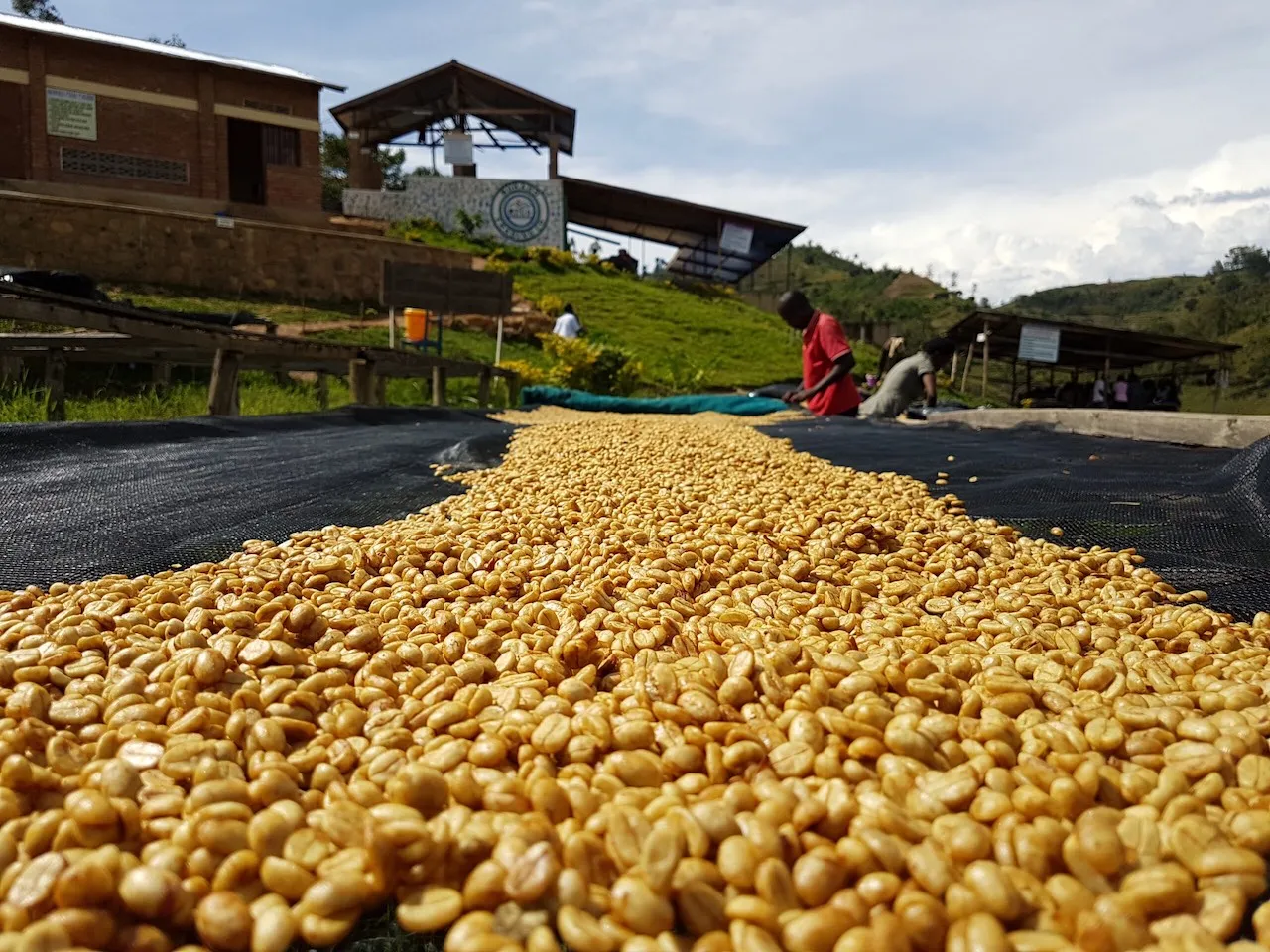
Coffee washing stations play an important role in Rwanda’s coffee industry.
They provide locations where farmers can bring harvested coffee cherries for processing. Visitors can learn how cherries are received, sorted, processed, washed, and prepared for drying.
A guided visit can explain how processing methods influence the eventual characteristics of coffee.
The washing station experience also provides insight into the organisation of Rwanda’s coffee sector and the relationship between farmers, processors, cooperatives, exporters, and international buyers.
For visitors interested in sustainable tourism and agriculture, this can be one of the most educational elements of the tour.
Coffee Roasting Experience in Rwanda
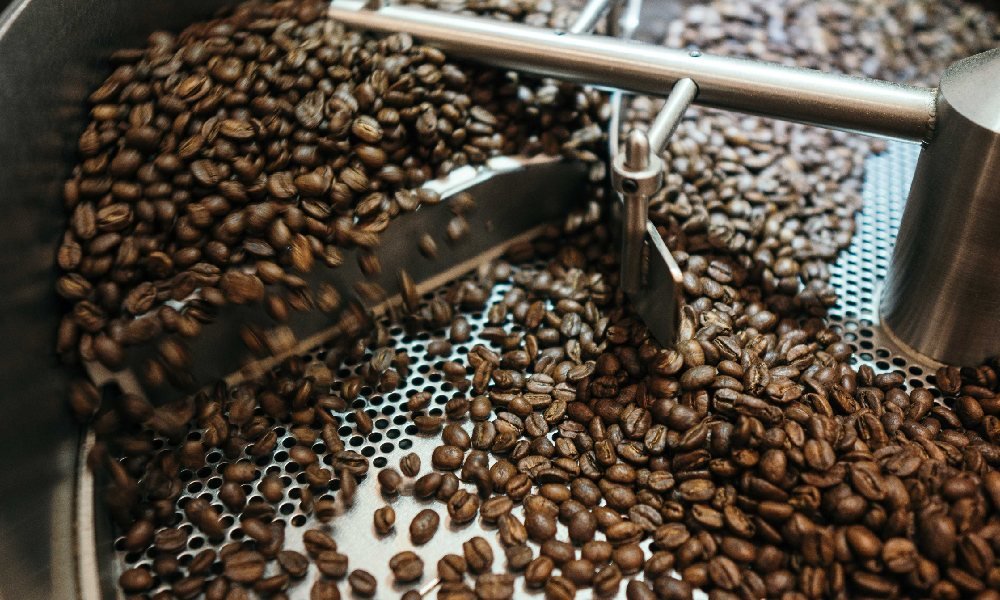
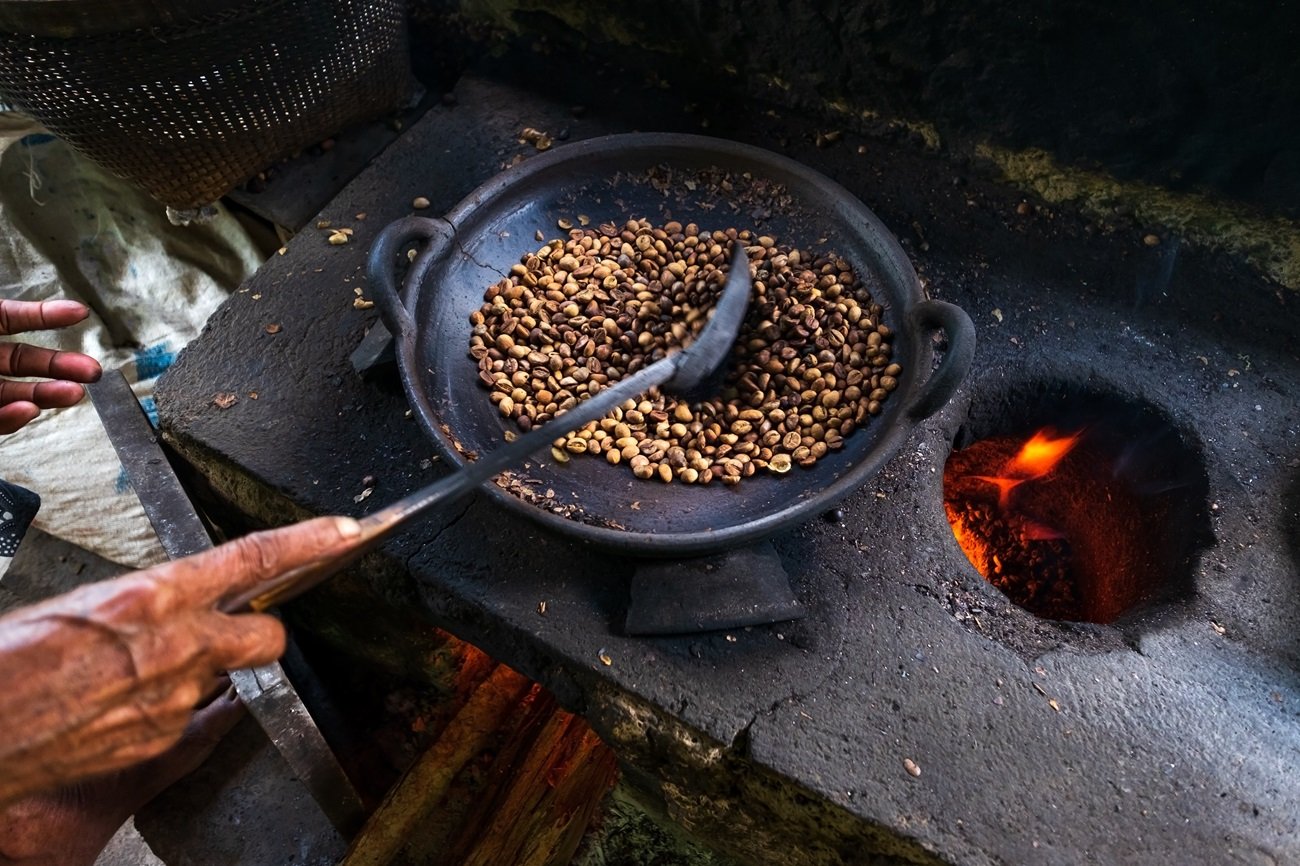
Roasting is where the green coffee beans begin to develop the aromas, flavours, and characteristics associated with brewed coffee.
During a coffee experience, visitors can learn how roasting changes the beans and how different roasting levels can influence flavour.
A local coffee expert or roaster can demonstrate the process and explain what to look for when evaluating roasted coffee.
The smell of freshly roasted coffee often becomes one of the most memorable parts of the experience.
Travellers may also have the opportunity to participate in a simple roasting demonstration, depending on the coffee experience provider.
Understanding roasting helps visitors appreciate why the same coffee can taste different depending on how it is prepared.
Coffee Tasting in Rwanda
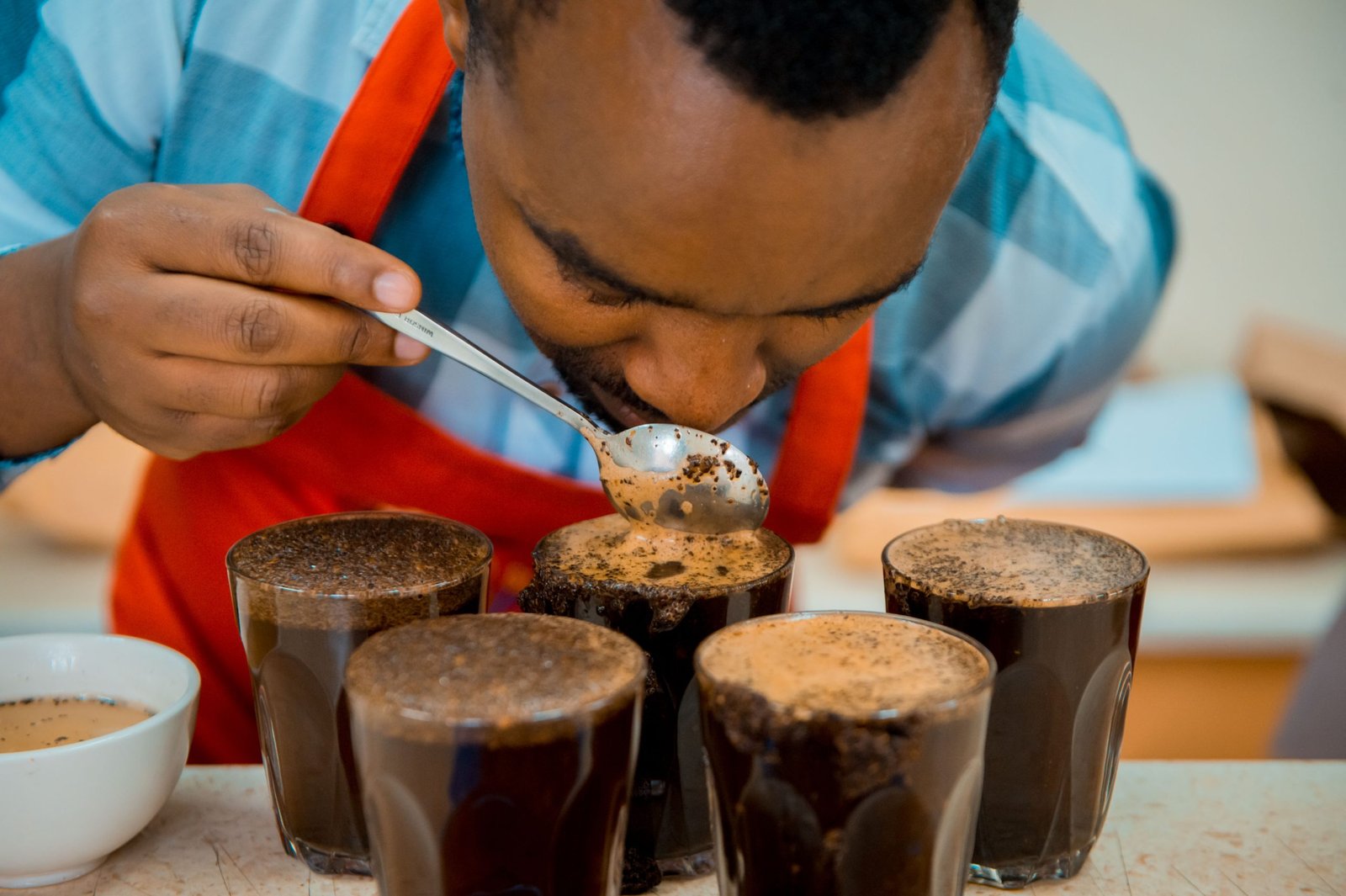
Coffee tasting is an essential part of Coffee Tours Rwanda.
After learning about farming, processing, and roasting, travellers can finally taste the finished product.
A tasting experience may introduce visitors to different coffees and explain characteristics such as aroma, acidity, body, sweetness, and aftertaste.
Rwandan specialty coffees can display a variety of flavour profiles depending on their growing region, processing method, variety, and roasting.
Rather than simply drinking the coffee quickly, visitors are encouraged to observe its aroma and taste carefully.
For people who are already passionate about coffee, this can be an opportunity to develop their understanding of specialty coffee. For beginners, it provides a simple introduction to coffee tasting.
Coffee and Rwandan Culture


Coffee is not separate from Rwanda’s culture and communities. It is part of the agricultural and economic life of many rural areas.
A coffee tour can therefore become a cultural experience as much as an agricultural one.
Travellers can meet local people, learn about farming traditions, hear stories about coffee production, and understand how agriculture contributes to household livelihoods.
In some experiences, coffee can be combined with traditional food, music, crafts, or other community activities.
This makes the experience especially valuable for visitors who want to understand Rwanda beyond its famous national parks.
Coffee Tours Rwanda and Community Tourism
Responsible coffee tourism can create additional opportunities for communities involved in coffee production.
When travellers visit farms, washing stations, cooperatives, or community-based coffee experiences, tourism spending can contribute to local businesses and employment.
Coffee experiences can also encourage visitors to purchase locally produced coffee directly from appropriate producers or recognised outlets.
This creates a meaningful connection between tourism and agriculture.
However, responsible tourism should always respect farmers and local communities. Visitors should follow the guidance of their hosts, ask before taking photographs of people, and avoid treating communities simply as tourist attractions.
The most rewarding coffee experiences are based on genuine interaction and mutual respect.
Coffee Tours Around Lake Kivu
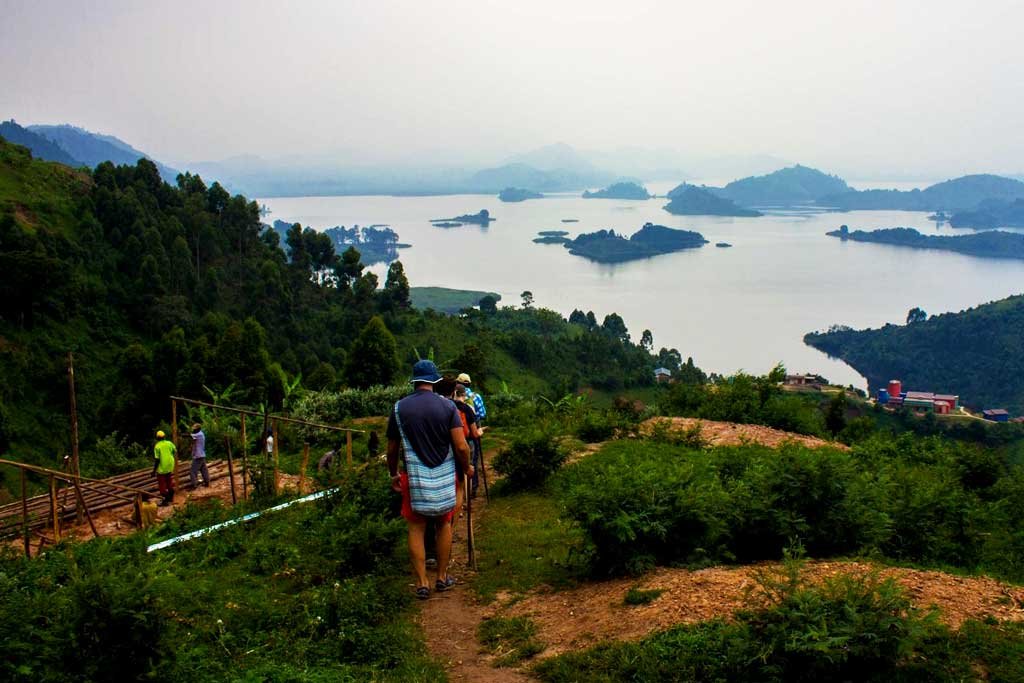

The Lake Kivu region can provide an excellent setting for coffee experiences because visitors can combine agricultural exploration with lakeside relaxation.
A coffee experience can be incorporated into a wider Lake Kivu itinerary, allowing travellers to spend part of the day learning about coffee and another part enjoying the lake and surrounding landscapes.
This combination works particularly well for couples and families because the pace can be relaxed.
Travellers can visit a coffee-growing community, learn about processing and preparation, taste local coffee, and then return to their lakeside accommodation.
The contrast between the agricultural hills and the peaceful lake makes the experience particularly memorable.
Coffee Tours Rwanda and Cultural Travel
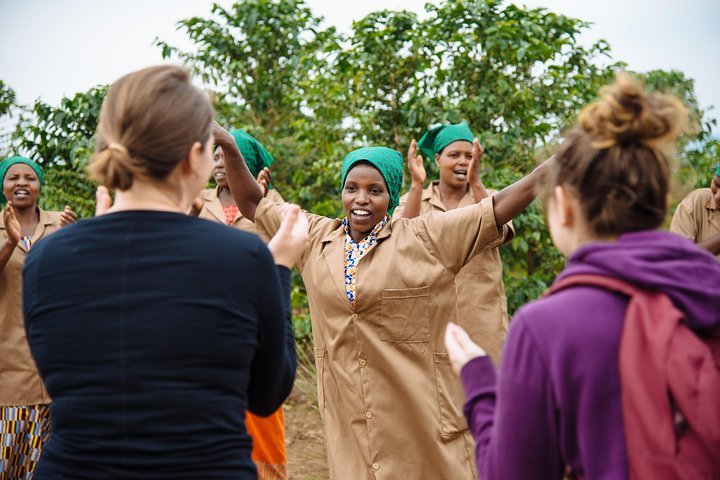

Coffee tourism fits naturally into a wider cultural itinerary.
Travellers interested in Rwandan culture can combine coffee experiences with traditional dance, local cuisine, craft workshops, community visits, and historical attractions.
This creates a more complete understanding of Rwanda.
Instead of spending the entire journey moving between major tourist attractions, visitors have opportunities to slow down and connect with local communities.
Coffee can also become a useful starting point for conversations about agriculture, family life, entrepreneurship, and Rwanda’s development.
Coffee Tours for Couples and Honeymooners
Couples can enjoy coffee experiences as part of a romantic Rwanda holiday.
Walking through coffee farms together, learning about coffee production, and enjoying a tasting session creates a relaxed shared experience.
A coffee tour can be particularly enjoyable after gorilla trekking because it provides a gentler activity while still offering something new to discover.
Couples can also combine coffee with Lake Kivu, luxury accommodation, cultural experiences, and wildlife activities.
For honeymooners, the experience adds a local and authentic element to the itinerary.
What to Pack for Coffee Tours Rwanda

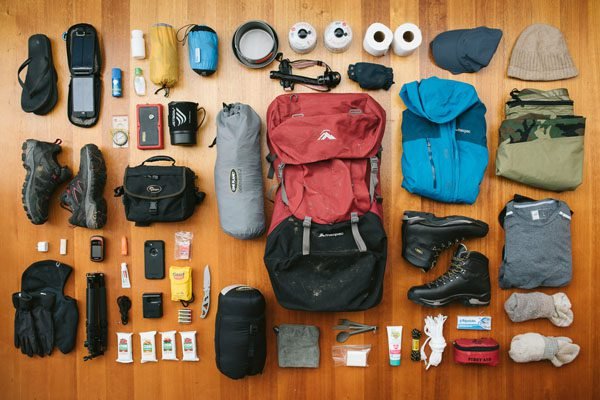
Travellers do not need specialised equipment for most coffee tours.
Comfortable walking shoes are useful for farm visits, particularly when walking across uneven agricultural terrain.
Lightweight clothing, sunscreen, a hat, insect protection, and a reusable water bottle are also useful.
A camera can help capture the coffee farms, processing areas, landscapes, and memorable moments.
If the coffee tour forms part of a gorilla or wildlife safari, travellers should also bring the hiking and safari equipment required for those activities.
Combining Coffee Tours Rwanda With a Gorilla Safari

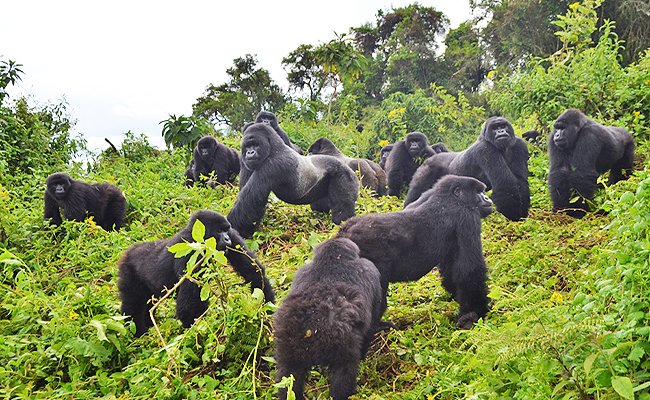
One of the best ways to experience Rwanda is to combine coffee and wildlife.
Travellers can spend part of their journey exploring coffee-growing communities before continuing towards Volcanoes National Park for mountain gorilla trekking.
The two experiences complement one another beautifully.
Coffee introduces visitors to Rwanda’s agricultural communities, while gorilla trekking introduces them to the country’s extraordinary conservation efforts.
The combination creates a balanced journey incorporating food, culture, nature, wildlife, and community experiences.
Combining Coffee Tours With Akagera National Park
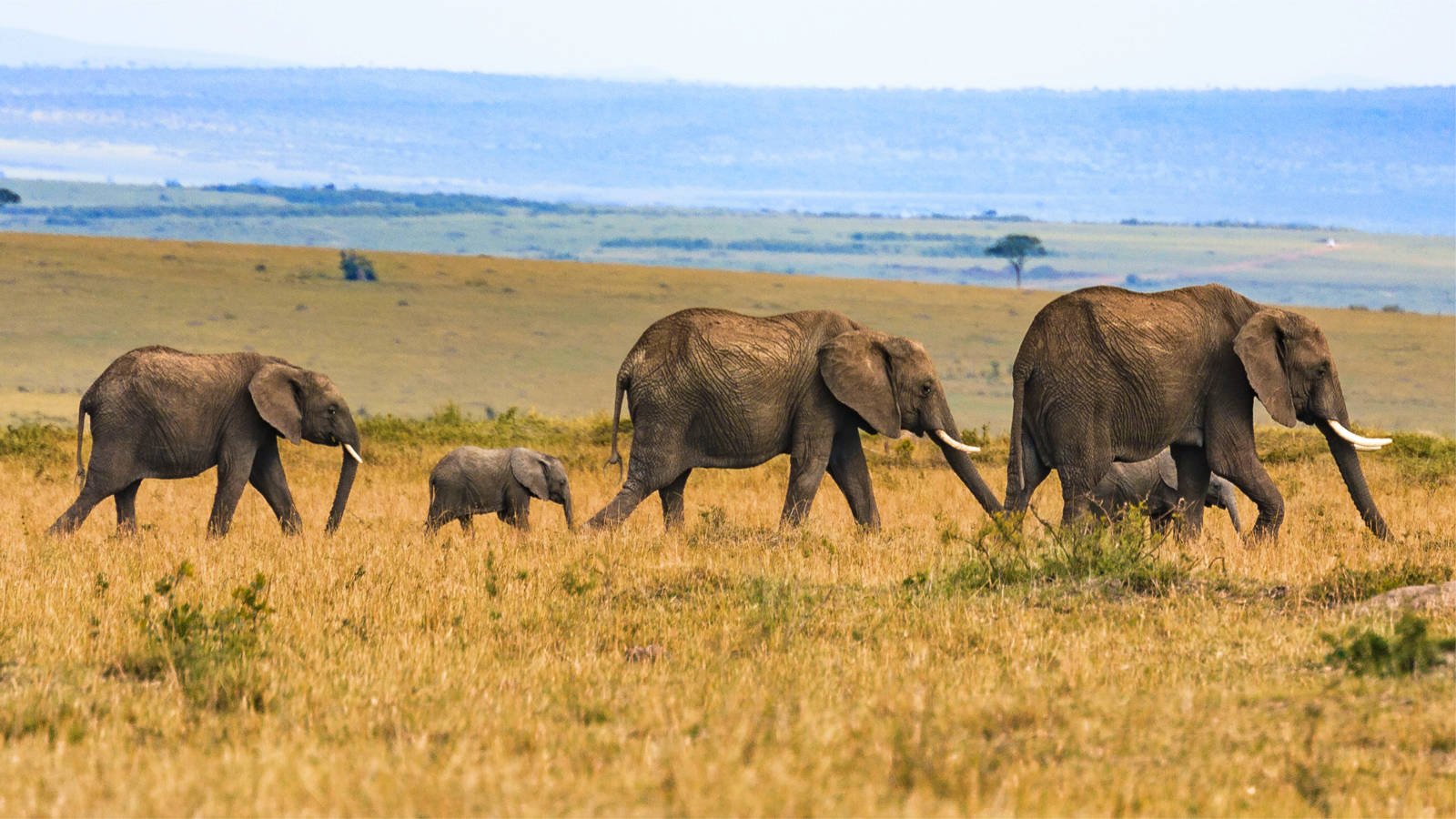

Coffee experiences can also be combined with an Akagera safari.
Travellers can begin with cultural and agricultural experiences before travelling east for game drives and boat experiences.
Akagera introduces visitors to a very different Rwanda, with savannah landscapes, wetlands, and wildlife.
This combination is particularly attractive to travellers who want both cultural immersion and traditional African safari experiences.
Frequently Asked Questions About Coffee Tours Rwanda
What are Coffee Tours Rwanda?
Coffee Tours Rwanda are experiences that introduce travellers to Rwanda’s coffee industry, from cultivation and harvesting to processing, roasting, brewing, and tasting.
They also provide opportunities to meet farmers and local communities while learning about the importance of coffee to Rwanda’s agricultural economy.
Is Rwanda famous for coffee?
Yes, Rwanda has developed a strong reputation for high-quality Arabica coffee and specialty coffee.
The country’s high-altitude growing regions and careful processing practices contribute to distinctive coffees that are appreciated by specialty coffee consumers.
Can I visit a coffee farm in Rwanda?
Yes, organised coffee experiences can include visits to coffee farms where travellers learn about cultivation and harvesting.
Visitors can walk among coffee trees, learn about the growing process, and interact with local farmers where appropriate.
Can I participate in coffee harvesting?
Depending on the season and the experience provider, visitors may have opportunities to observe or participate in suitable harvesting activities.
The availability of harvesting activities depends on the coffee production calendar and local conditions.
What happens during a coffee tour?
A coffee tour can include a farm visit, explanation of coffee cultivation, processing demonstrations, roasting, brewing, and coffee tasting.
The exact programme depends on the location and the experience selected.
Can I taste Rwandan coffee?
Yes, coffee tasting is an important part of many coffee experiences.
Visitors can learn how to identify different aromas and flavours while tasting freshly prepared Rwandan coffee.
Are Coffee Tours Rwanda suitable for non-coffee drinkers?
Yes. Even people who do not regularly drink coffee can enjoy the agricultural and cultural aspects of the experience.
The tour explains farming, processing, community livelihoods, and local traditions, so the experience is not solely about drinking coffee.
Can families take a coffee tour?
Yes, coffee tours can be suitable for families, particularly those interested in farming, food, nature, and cultural experiences.
The activity can provide an educational opportunity for children to understand how a product they may encounter every day is grown and prepared.
Can couples include a coffee tour in a honeymoon?
Yes, coffee experiences are an enjoyable addition to a Rwanda honeymoon.
Couples can combine a farm visit and tasting with gorilla trekking, Lake Kivu, luxury accommodation, and other romantic experiences.
Can Coffee Tours Rwanda be combined with gorilla trekking?
Yes, coffee and gorilla experiences complement each other extremely well.
A traveller can explore Rwanda’s agricultural communities before travelling to Volcanoes National Park for the mountain gorilla experience.
Can I combine a coffee tour with Lake Kivu?
Yes, Lake Kivu and coffee experiences can be combined into a relaxed cultural itinerary.
Visitors can explore coffee-growing communities before enjoying lakeside accommodation, boat experiences, and scenic relaxation.
What is the best time for a coffee tour?
Coffee experiences are available throughout the year, although harvesting activities depend on the agricultural season.
Travellers who specifically want to see or participate in harvesting should ask about current coffee production conditions when planning their journey.
Does coffee tourism support local communities?
Responsible coffee tourism can provide additional income opportunities for farmers, guides, local businesses, and community-based tourism initiatives.
Visitors can also support producers by purchasing locally produced coffee through appropriate and responsible channels.
How long does a coffee tour take?
The duration varies depending on the experience.
A short farm and tasting experience can take part of a day, while more comprehensive experiences involving farms, processing facilities, cultural activities, and meals can take longer.
How do I book Coffee Tours Rwanda?
You can provide your preferred travel dates, location, number of travellers, and other Rwanda activities you would like to combine with the coffee experience.
An experienced Rwanda safari operator can then incorporate the coffee tour into your wider itinerary and arrange transportation, guides, accommodation, and other activities.
Book Your Coffee Tours Rwanda Experience
Coffee Tours Rwanda provide an authentic way to discover the country through agriculture, community, culture, flavour, and beautiful landscapes. From walking through coffee farms and meeting farmers to learning about processing, roasting, brewing, and tasting, the experience reveals the remarkable journey behind every cup.
A coffee tour can stand alone as a cultural experience or become part of a larger Rwanda safari. It can be combined with Kigali city tours, cultural experiences, Lake Kivu, Akagera National Park, Nyungwe Forest, or mountain gorilla trekking in Volcanoes National Park.
At Nextgen Safaris, we can design a personalised Rwanda itinerary around your interests. We can arrange coffee experiences alongside private transportation, professional guides, accommodation, gorilla permits, wildlife activities, cultural experiences, and other attractions.
Whether you are a passionate coffee lover, a couple seeking an authentic experience, a family interested in agriculture, or a traveller wanting to understand Rwanda beyond its famous wildlife, a coffee experience can add a distinctive and memorable dimension to your journey.
To begin planning your Rwanda coffee experience, request a personalised safari and cultural itinerary with your preferred dates, number of travellers, destinations, and experiences you would like to include.
Discover Rwanda one cup at a time through an unforgettable Coffee Tours Rwanda experience connecting farms, flavours, people, culture, and the beautiful landscapes of the Land of a Thousand Hills.