
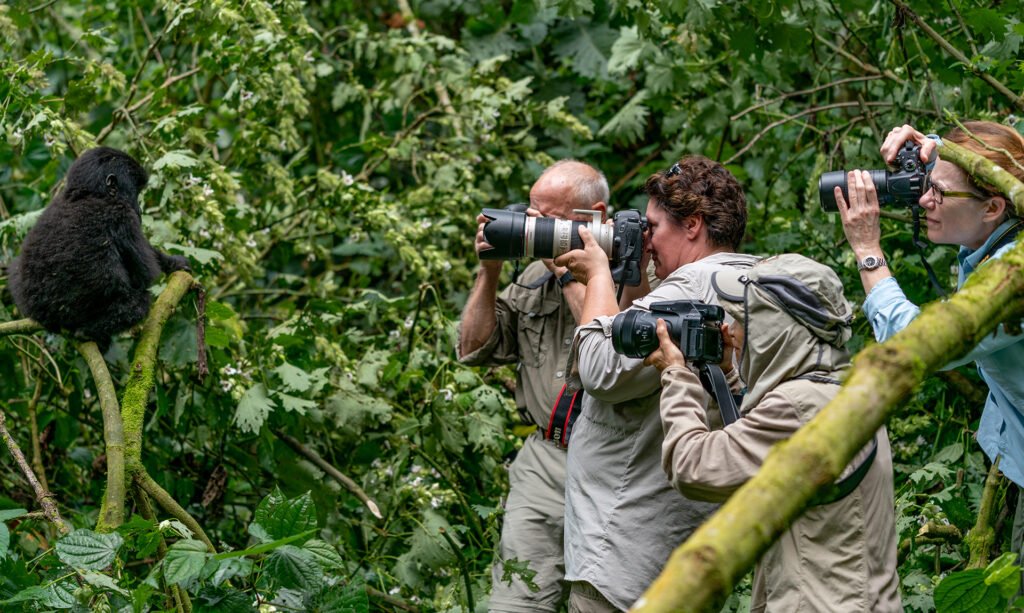
Rwanda Safaris for Photographers: Ultimate Wildlife and Landscape Photography Guide

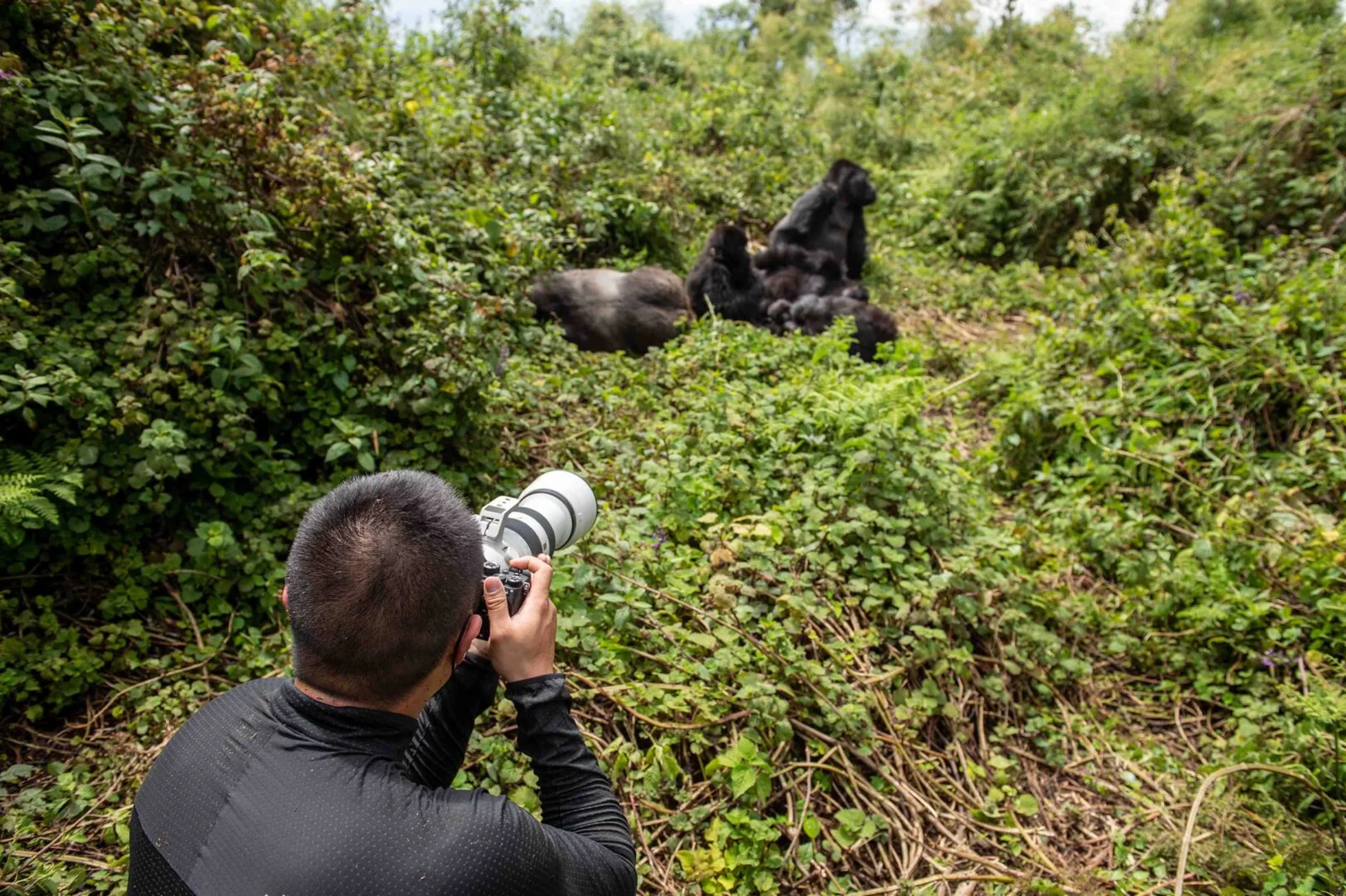
Rwanda is one of Africa’s most rewarding destinations for photographers because its extraordinary landscapes and wildlife experiences can be combined within one relatively compact country. From the mist-covered volcanic mountains of the north to the open savannahs of Akagera National Park, the ancient rainforest of Nyungwe and the peaceful waters of Lake Kivu, Rwanda offers an impressive variety of subjects for photographers. Rwanda Safaris for Photographers can be carefully designed around the type of images you want to create, whether your interests are wildlife, primates, birds, landscapes, conservation, people, culture, or a combination of several photographic disciplines.
Rwanda Safaris for Photographers is particularly rewarding because the scenery changes dramatically between destinations. A morning in the forest can produce intimate wildlife and atmospheric images, while an afternoon drive through the countryside can provide opportunities to photograph rolling hills, farms, villages, tea plantations, volcanic landscapes, and changing skies. In Akagera, photographers can concentrate on wildlife and birds, while Nyungwe provides a completely different environment of dense forest, primates, endemic birds, waterfalls, and mist-covered hills.
For photographers, however, a successful safari requires more than simply visiting beautiful places. Timing, positioning, light, transportation, activity schedules, accommodation locations, and flexibility all influence the final images. A photographer may want to remain with an interesting wildlife subject longer than a conventional tourist, return to a location at a different time of day, or stop for a particular landscape when the light changes. This is why private travel can be especially valuable.
At Rwanda Family Tours, we design photography-focused safaris around the photographer’s priorities. Whether you are using a professional DSLR, mirrorless camera, telephoto lens, smartphone, drone, or a combination of equipment, we can help create an itinerary that provides opportunities to photograph Rwanda at a comfortable and productive pace.
Why Choose Rwanda for a Photography Safari?
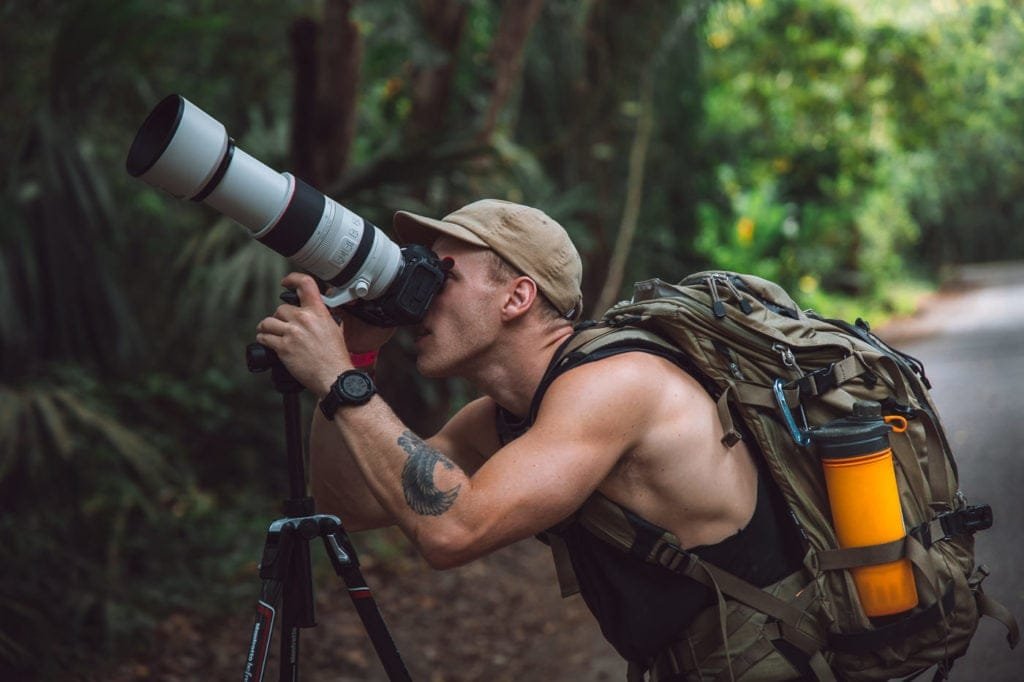
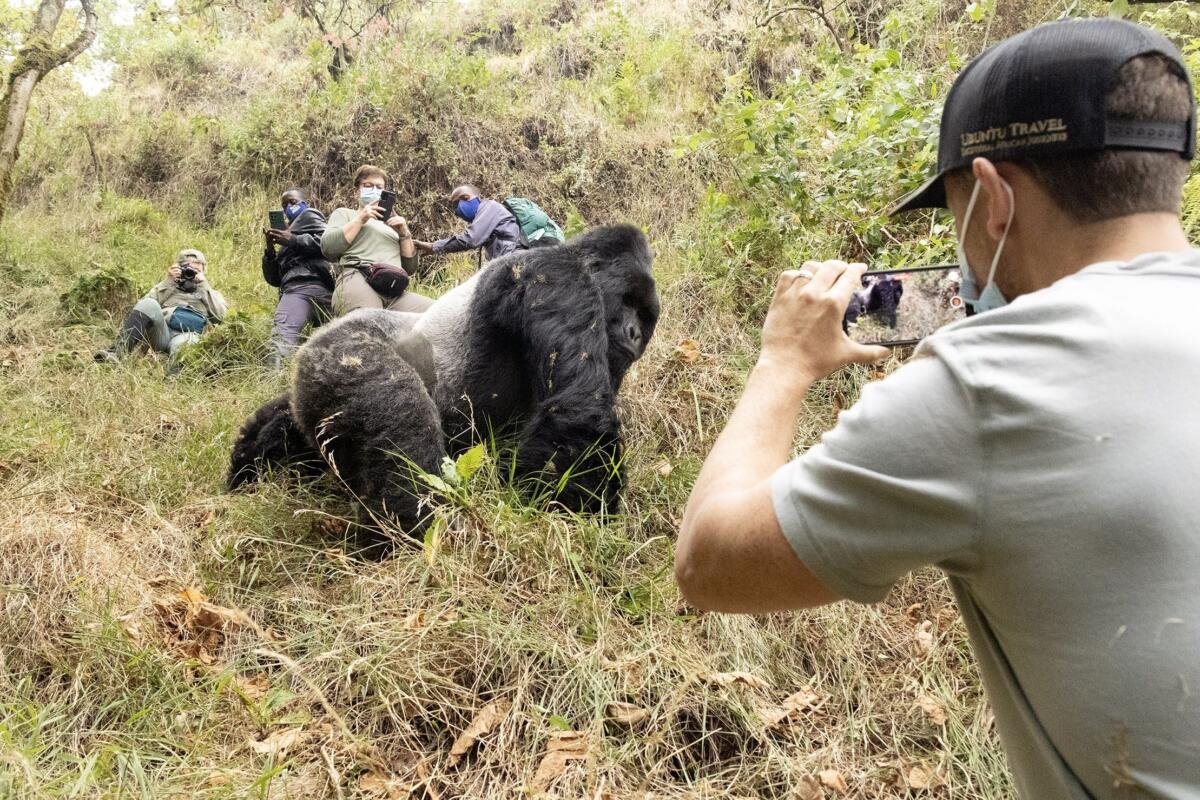
Rwanda offers remarkable photographic diversity within a relatively small geographical area. A photographer can move from urban scenes in Kigali to volcanic landscapes, rainforest, savannah, lakes, and rural communities without needing to cross several countries.
The country’s famous hills are particularly attractive for landscape photographers. The changing elevation creates layers of hills and valleys that can be photographed from different viewpoints, especially during early morning and late afternoon when the light can create depth and atmosphere.
Volcanoes National Park adds dramatic mountain scenery and some of Africa’s most extraordinary wildlife photography opportunities. The combination of dense forest, bamboo, volcanic slopes, mist, and mountain gorillas creates a photographic environment unlike a traditional open-safari setting.
Akagera provides a more conventional wildlife photography environment, with open landscapes and opportunities to photograph elephants, giraffes, zebras, buffaloes, antelopes, hippos, birds, and other wildlife. The variety of habitats also creates opportunities for landscape and environmental photography.
Nyungwe introduces the photographer to a completely different world. Dense rainforest, primates, birds, waterfalls, trails, and canopy views provide opportunities for photographers who enjoy biodiversity and atmospheric forest imagery.
Lake Kivu adds another dimension with water, hills, fishing communities, boats, reflections, sunsets, and lakeside life.
Gorilla Photography in Volcanoes National Park
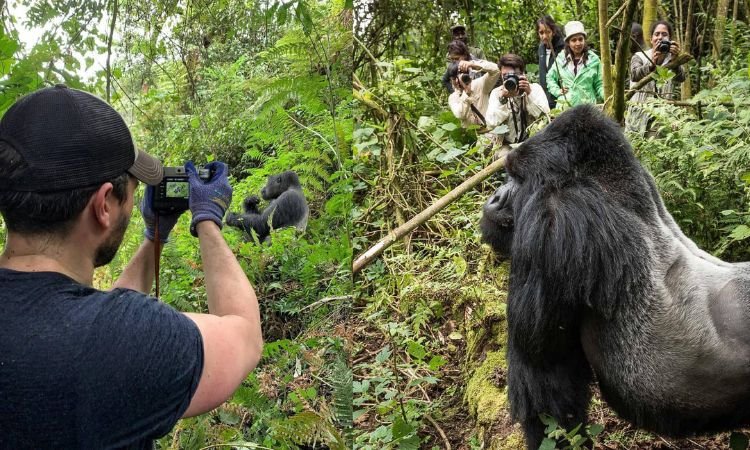
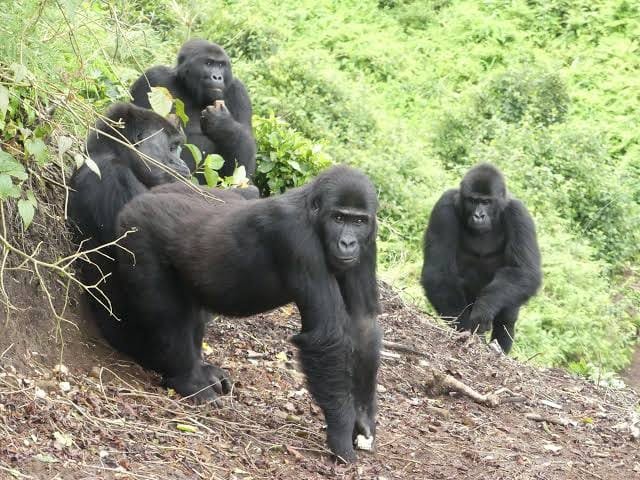
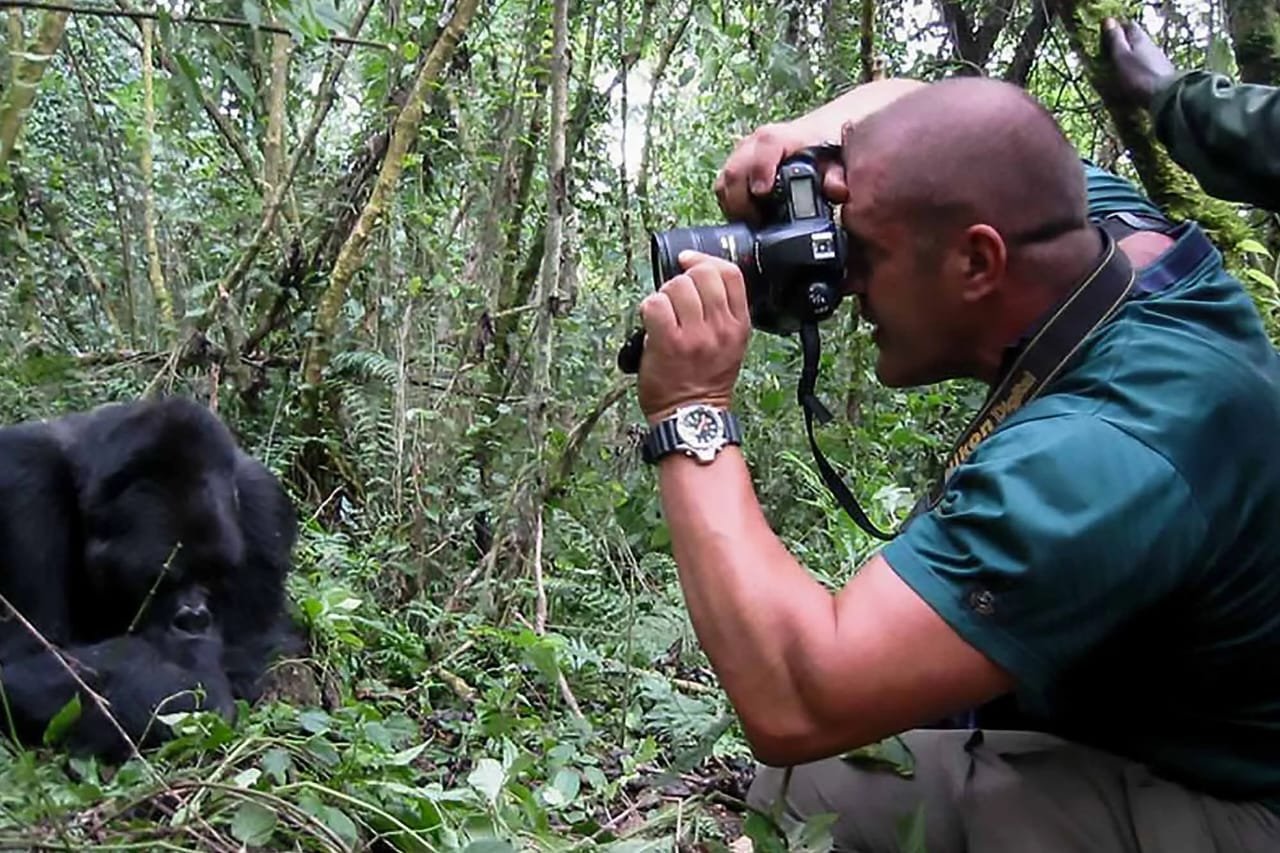
Mountain gorilla photography is one of the main reasons photographers include Volcanoes National Park in their Rwanda itinerary. Photographing a gorilla family in its natural forest environment can produce intimate portraits as well as powerful environmental images showing the animals within their habitat.
Rwanda Safaris for Photographers current official gorilla tracking guidance permits photography but specifically prohibits the use of flash. It also requires visitors to maintain a distance of seven metres from the gorillas, limits viewing time to one hour, and restricts each visitor group to a maximum of eight people.
These rules should shape the photographer’s expectations. Gorilla photography is not a controlled studio environment. The animals move naturally, vegetation may obstruct the view, light can be low, and the photographer may have only a short period to capture a particular expression or interaction.
This is precisely what makes the experience so rewarding. Rather than expecting perfectly posed portraits, photographers can concentrate on authentic behaviour, family relationships, environmental context, gestures, expressions, and moments of interaction.
A good photographer should also be prepared to work with changing light. Forest conditions can range from relatively bright openings to deeply shaded vegetation, so camera settings may need to be adjusted quickly.
Planning a Gorilla Photography Experience
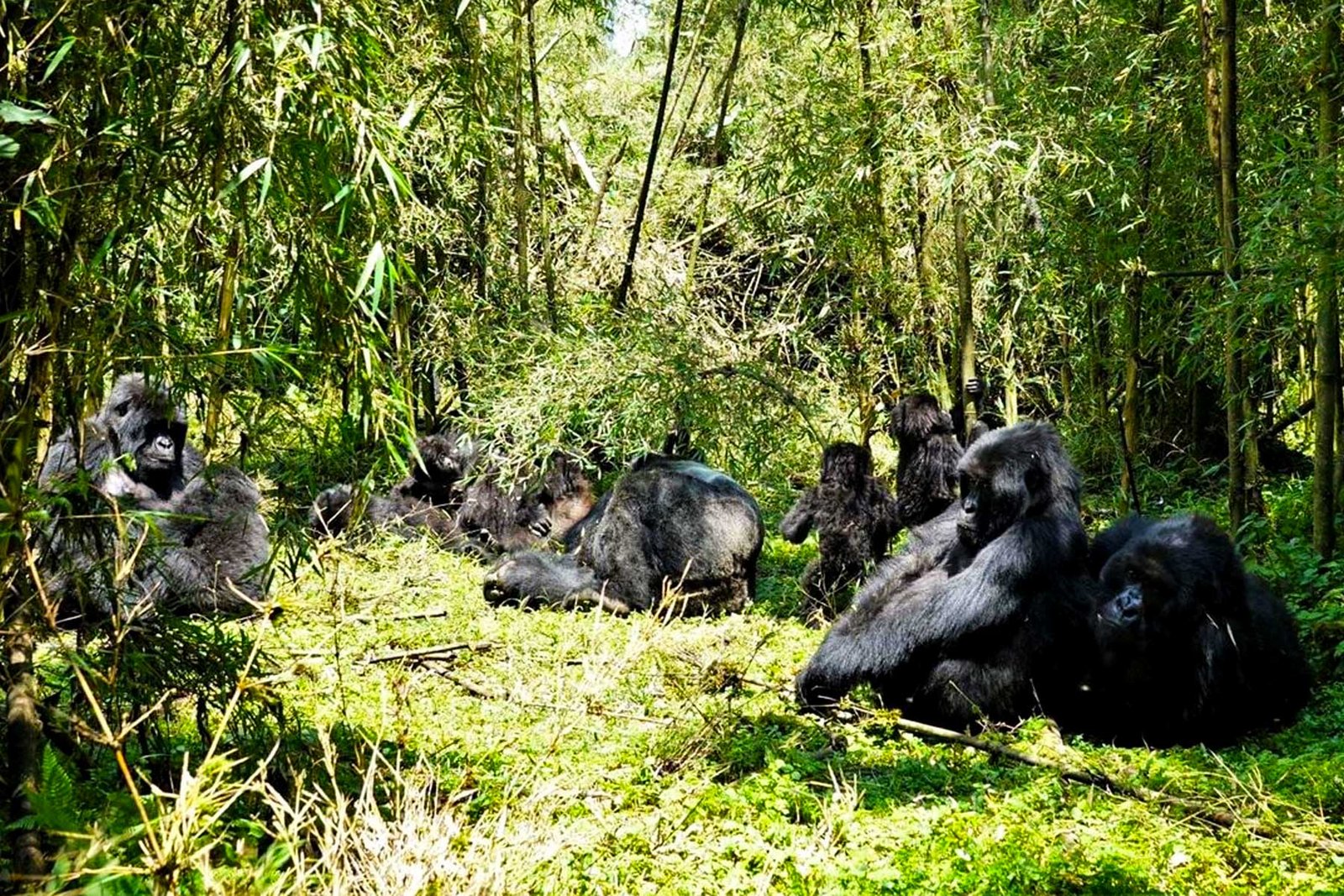
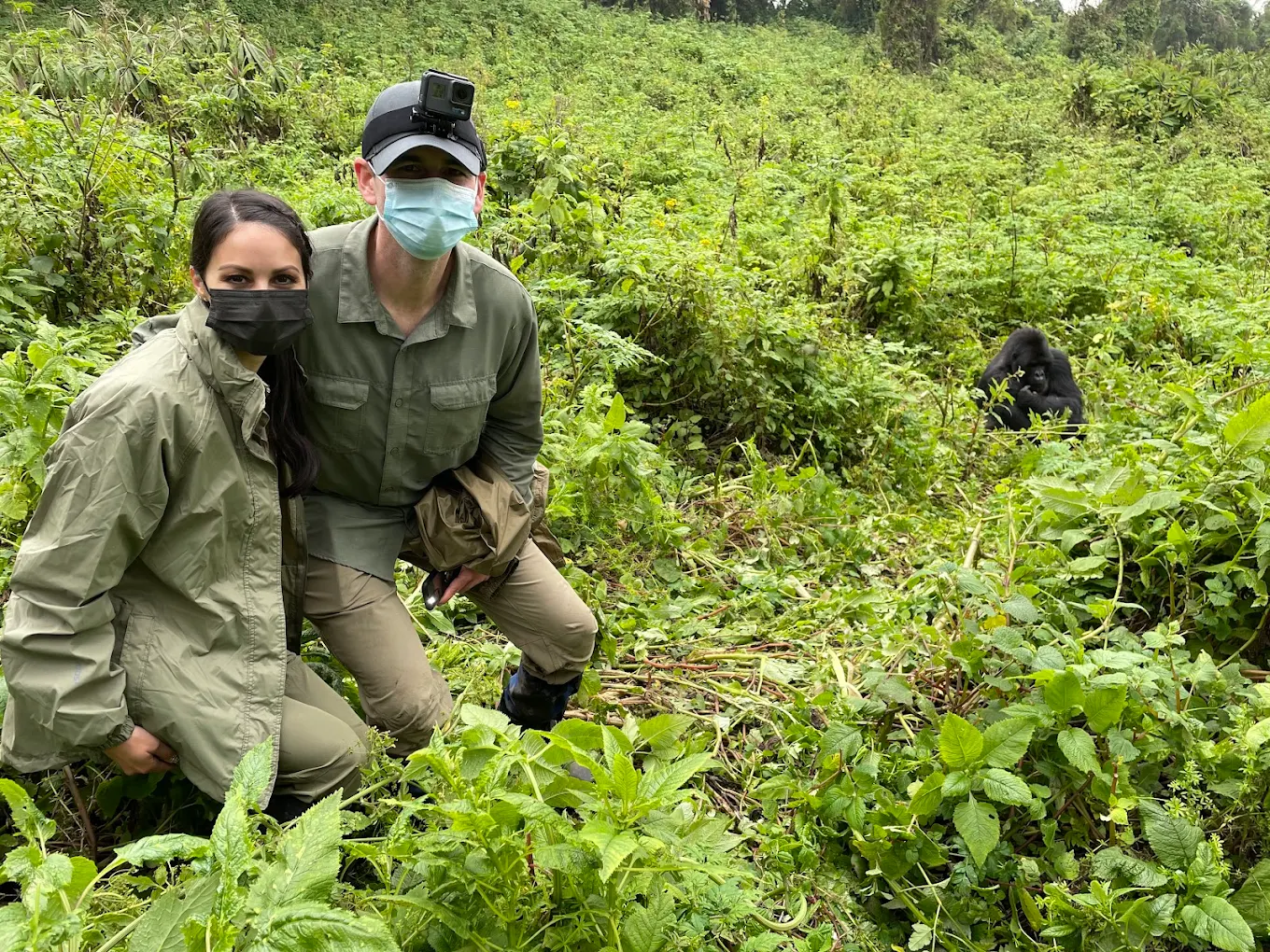
Photographers should consider their equipment carefully before entering the forest. A versatile telephoto lens can be useful for capturing portraits while maintaining the required distance, while a shorter lens can help produce environmental images showing the gorillas within the forest.
Because trekking can involve steep and uneven terrain, photographers should avoid carrying excessive equipment. A heavy camera bag can become tiring during several hours of walking.
A lightweight setup with one primary camera, one backup option where appropriate, carefully selected lenses, spare batteries, and sufficient memory cards can be more practical than carrying an entire studio’s worth of equipment.
Porters are available to assist trekkers with daypacks and can also help with footing during difficult sections.
This can be particularly useful for photographers carrying heavier camera equipment. Hiring a porter also provides direct support to local community members who participate in the tourism economy around the park.
Photographing Gorilla Behaviour
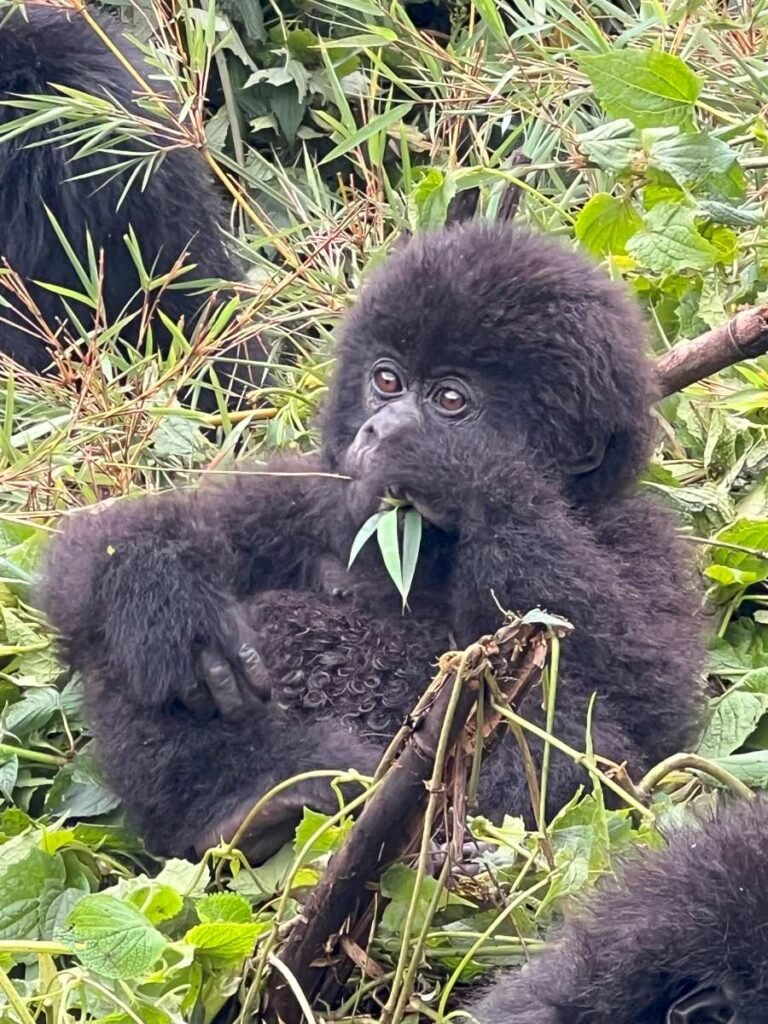

The strongest gorilla photographs are often not simply close-up portraits. Behavioural images can tell a much richer story.
A mother interacting with an infant, a silverback observing the group, a gorilla feeding, resting, grooming, or moving through vegetation can provide photographs that communicate personality and social relationships.
Photographers should therefore resist the temptation to concentrate entirely on facial portraits. Environmental photographs can be equally powerful because they show the relationship between the animals and the forest.
Patience is essential. The best photograph may happen several minutes after the group arrives at a particular location. Because viewing time is limited, photographers should also be ready to capture meaningful moments without spending the entire encounter adjusting equipment.
The guide’s instructions should always take priority over photographic ambitions. The animals’ welfare and the conservation rules of the park come first.
Wildlife Photography in Akagera National Park

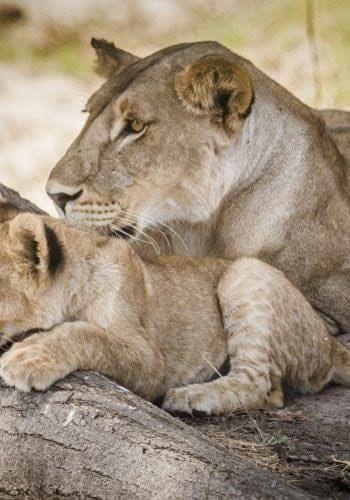
Akagera National Park is one of the best destinations in Rwanda for photographers seeking classic African wildlife imagery. The park’s savannahs, wetlands, lakes, and woodland habitats create a varied photographic environment.
Game drives can provide opportunities to photograph elephants, giraffes, zebras, buffaloes, antelopes, hippos, crocodiles, and many bird species. The diversity of wildlife means photographers can create both individual animal portraits and wider environmental compositions.
Akagera is also particularly valuable for photographers who want more flexibility than a short gorilla encounter allows. Wildlife drives can provide extended periods in the field, increasing opportunities to observe behaviour and wait for better light.
Morning drives can produce softer light and active wildlife, while afternoon and evening periods can offer warmer tones and longer shadows. The exact photographic opportunities naturally depend on animal movements and weather conditions.
Private vehicles are especially valuable because photographers can communicate with the guide about positioning, composition, and the amount of time they would like to spend observing a subject where park rules and circumstances allow.
Bird Photography in Rwanda


Rwanda is an excellent destination for bird photographers. Nyungwe alone is recognised for its rich birdlife, while Akagera offers a very different combination of wetland, savannah, and woodland species.
Rwanda’s official destination information describes Nyungwe as a major birding destination, with more than 300 recorded species and numerous Albertine Rift endemics.
Bird photography requires patience and appropriate equipment. A long telephoto lens can be useful for smaller or distant species, while a fast shutter speed can help freeze movement when birds are flying or feeding.
Photographers should also pay attention to the environment around the bird rather than focusing exclusively on the subject. Branches, leaves, water, mist, and forest backgrounds can create more compelling images than a tightly cropped portrait.
A specialist photography guide or knowledgeable safari guide can be particularly valuable because identifying likely habitats and understanding animal behaviour can save considerable time.
Chimpanzee Photography in Nyungwe Forest
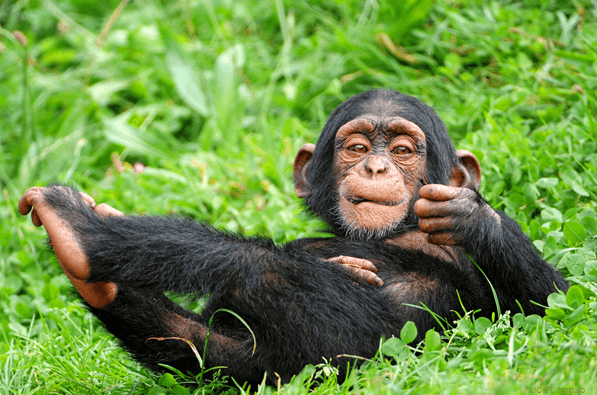

Nyungwe Forest offers photographers an opportunity to work in a dense rainforest environment while searching for chimpanzees and other primates. The forest’s thick vegetation creates both challenges and opportunities.
Chimpanzees can move quickly through the trees, disappear behind vegetation, or appear only briefly in suitable light. Photographers therefore need to be prepared to react quickly.
A camera with good high-ISO performance can be particularly useful because rainforest conditions can be darker than expected, even during daylight.
The objective should not be to force a photograph when visibility is poor. Sometimes a partially obscured chimpanzee can create a more atmospheric image that communicates the character of the rainforest better than a perfectly clear portrait.
Nyungwe is also home to many other primates and bird species, making the destination valuable even when chimpanzees are not the only photographic priority. Official Visit Rwanda information highlights chimpanzees alongside several other primates, birds, butterflies, waterfalls, hiking trails, and the canopy walkway.
Photography Around Lake Kivu

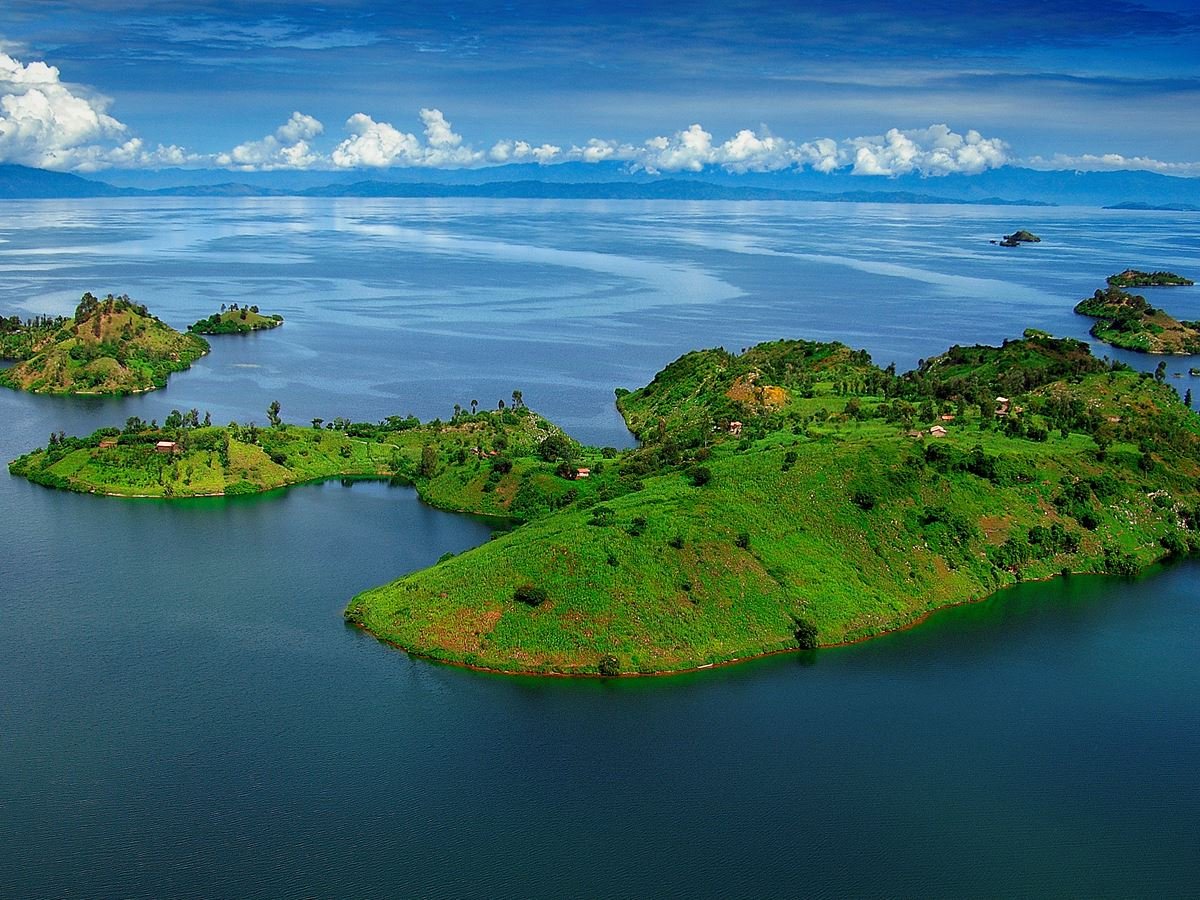
Lake Kivu offers photographers a slower and more contemplative photographic environment. The combination of water, hills, boats, local communities, islands, vegetation, and changing skies provides a wide range of subjects.
Photographers can work with reflections, silhouettes, shoreline landscapes, boats, and everyday life around the lake. The destination also provides a useful contrast to the intensity of wildlife photography.
For photographers travelling with a demanding itinerary, several nights around Lake Kivu can provide time to organise images, recharge batteries, clean equipment, and simply enjoy photography without the pressure of locating a particular animal.
The lake can also be useful for sunrise and sunset photography, although exact conditions depend on weather, season, and location.
Cultural and Documentary Photography in Rwanda
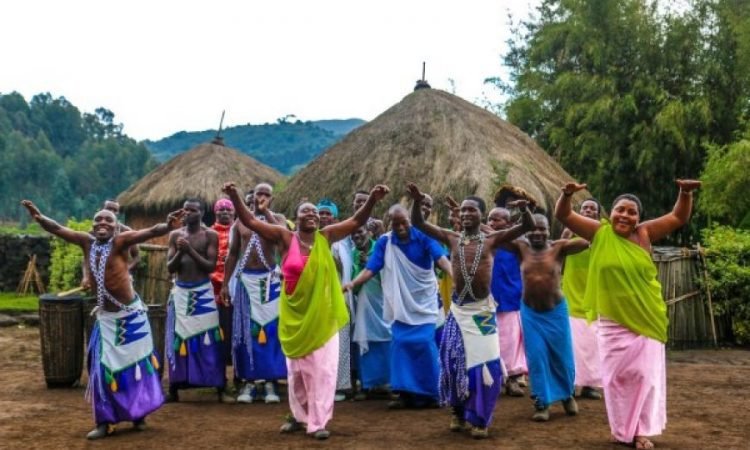

Rwanda offers many opportunities for photographers interested in documentary and cultural photography. Kigali’s urban environment, rural communities, markets, agriculture, traditional crafts, architecture, and everyday life can provide subjects beyond wildlife.
However, cultural photography should always be approached respectfully. People are not simply photographic subjects, and photographers should seek appropriate permission before taking identifiable portraits.
A professional guide can help explain local customs and identify situations where photography is appropriate. This is particularly important when photographing communities, ceremonies, children, religious settings, or private activities.
The strongest documentary photographs often come from genuine interaction rather than quickly photographing strangers from a distance. Taking time to communicate and understand the context can produce images that are both more meaningful and more respectful.
Drone Photography in Rwanda
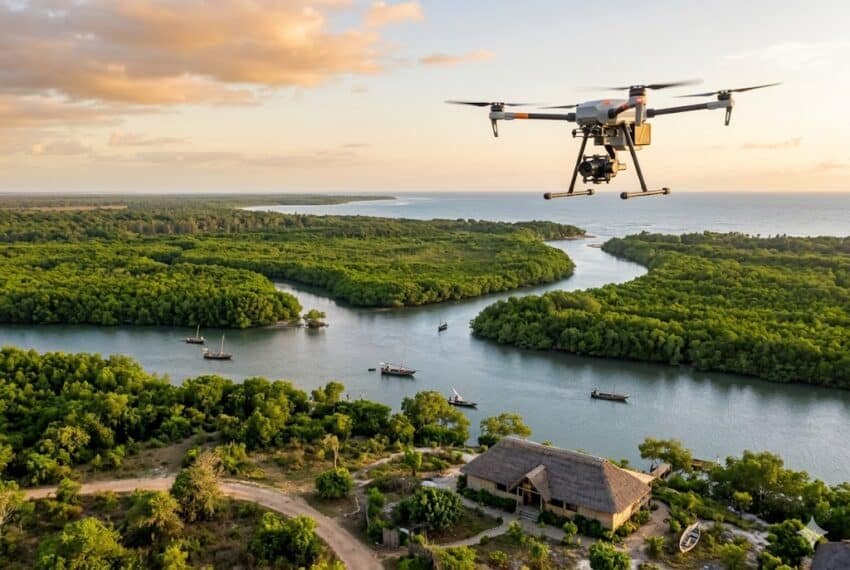
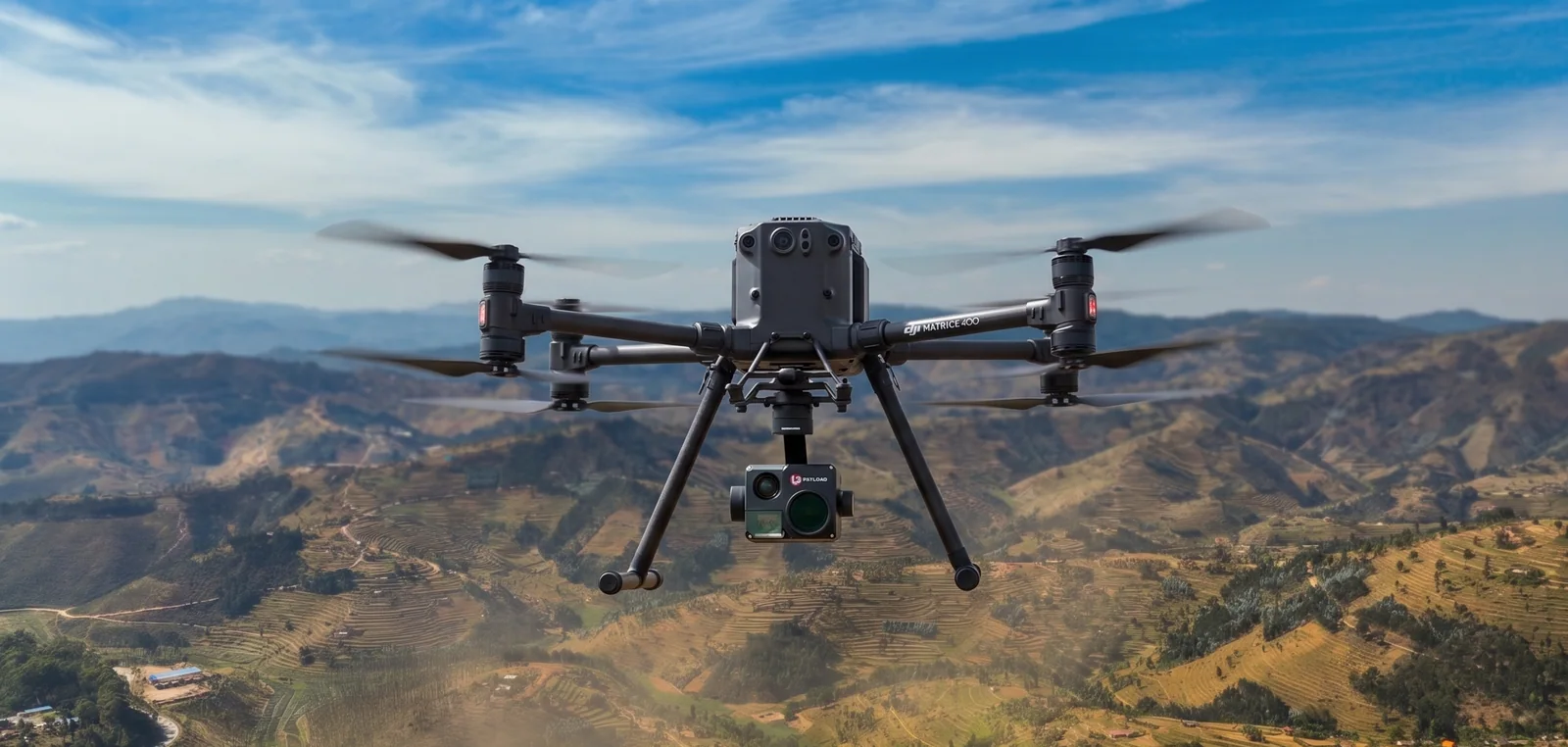
Drone photography can provide extraordinary aerial perspectives of Rwanda’s landscapes, but photographers should not assume that they can simply arrive with a drone and fly it wherever they choose.
Visit Rwanda’s current media guidance states that a permit is required to fly a drone recreationally or commercially in Rwanda and that the application should be made in advance.
This is particularly important when travelling to national parks and protected areas, where additional restrictions or operational considerations may apply.
If aerial photography is an important part of your project, mention it when making your booking enquiry. We can help ensure that the appropriate permissions and practical requirements are considered before the safari.
Choosing the Right Camera Equipment
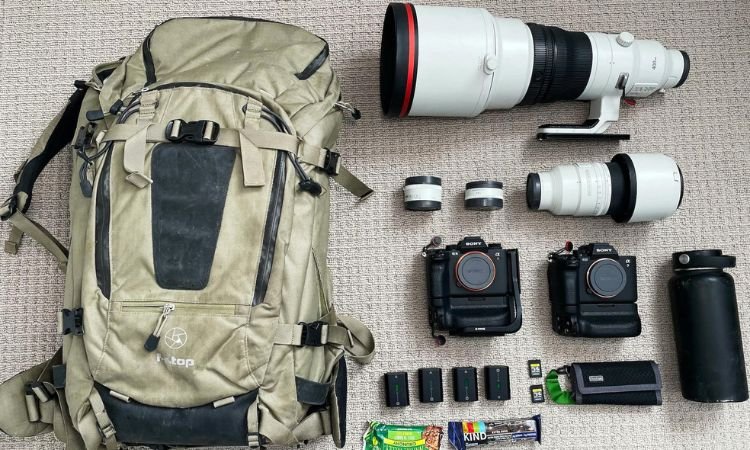
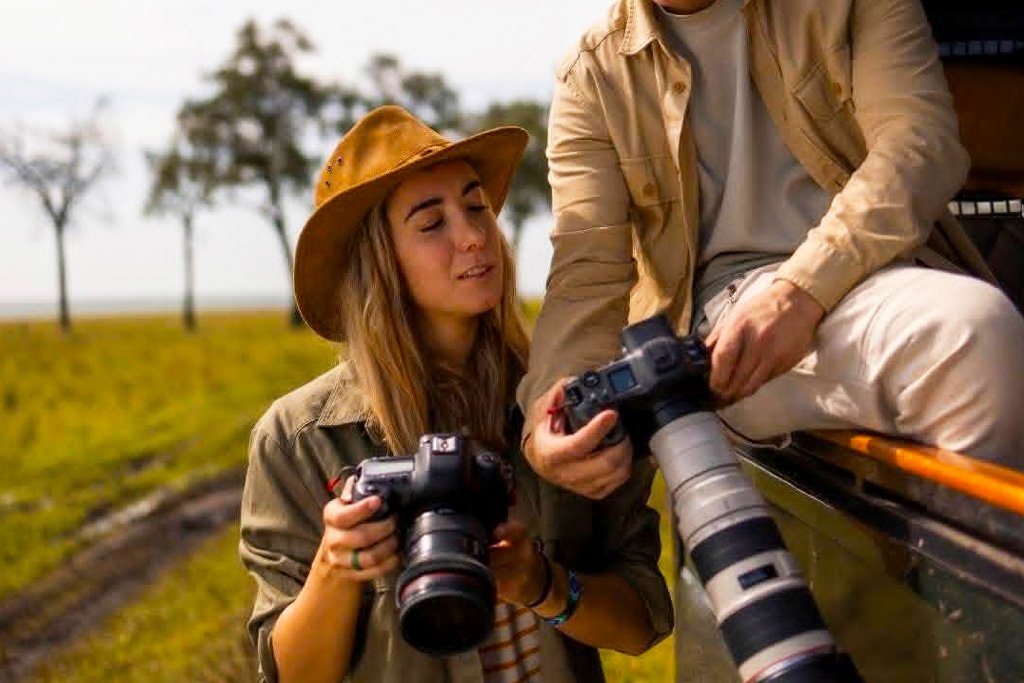
The ideal equipment for Rwanda Safaris for Photographers depends on the subjects you intend to photograph. Wildlife photographers may prioritise a telephoto lens, while landscape photographers may prefer a wide-angle lens.
A versatile zoom lens can be particularly useful for travellers who want to reduce the amount of equipment they carry. A second camera body can provide additional security for professional photographers and reduce the need to change lenses in dusty or wet conditions.
Spare batteries and memory cards are essential. Photographers should not assume that every lodge will provide convenient charging opportunities at every moment, particularly during long days in the field.
Rain protection is also important. Rwanda’s forests and mountains can experience changing weather, so waterproof camera covers or suitable dry bags can protect equipment when conditions change unexpectedly.
The best equipment is ultimately the equipment you can carry comfortably and operate confidently.
Photography Vehicles and Private Safari Planning
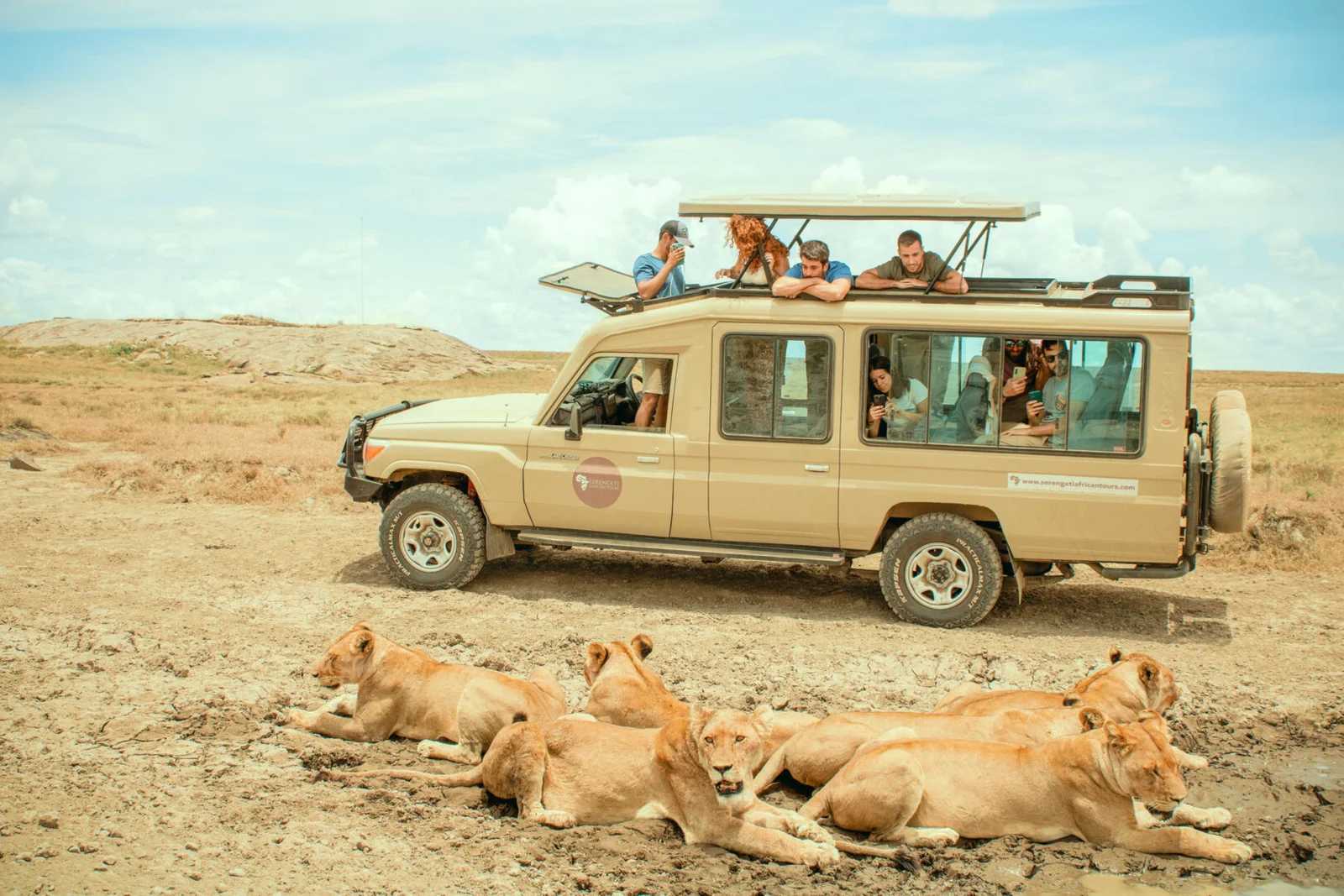
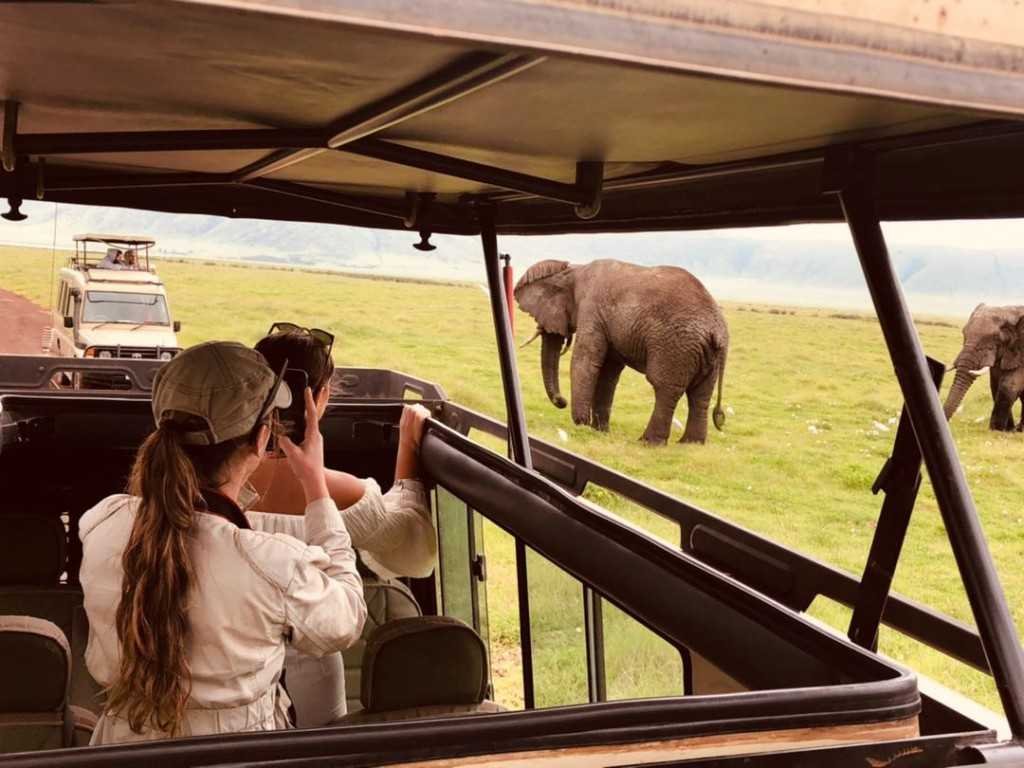
Private transportation is one of the most important investments for photographers. A private vehicle gives you greater control over positioning, timing, stops, and the amount of attention devoted to photographic opportunities.
In Akagera, for example, a private vehicle can make it easier to spend more time observing a particular animal or wait for changing light where park rules and circumstances permit.
During landscape journeys, private transportation can also allow suitable stops for scenic photography.
A shared vehicle can be perfectly adequate for ordinary sightseeing, but photographers often benefit from a more personalised arrangement because their priorities are different from those of other travellers.
The guide should understand that photography requires patience. Finding the animal is only the beginning; the photographer may need additional time to wait for the right behaviour, background, light, or composition.
Best Time for Rwanda Safaris for Photographers
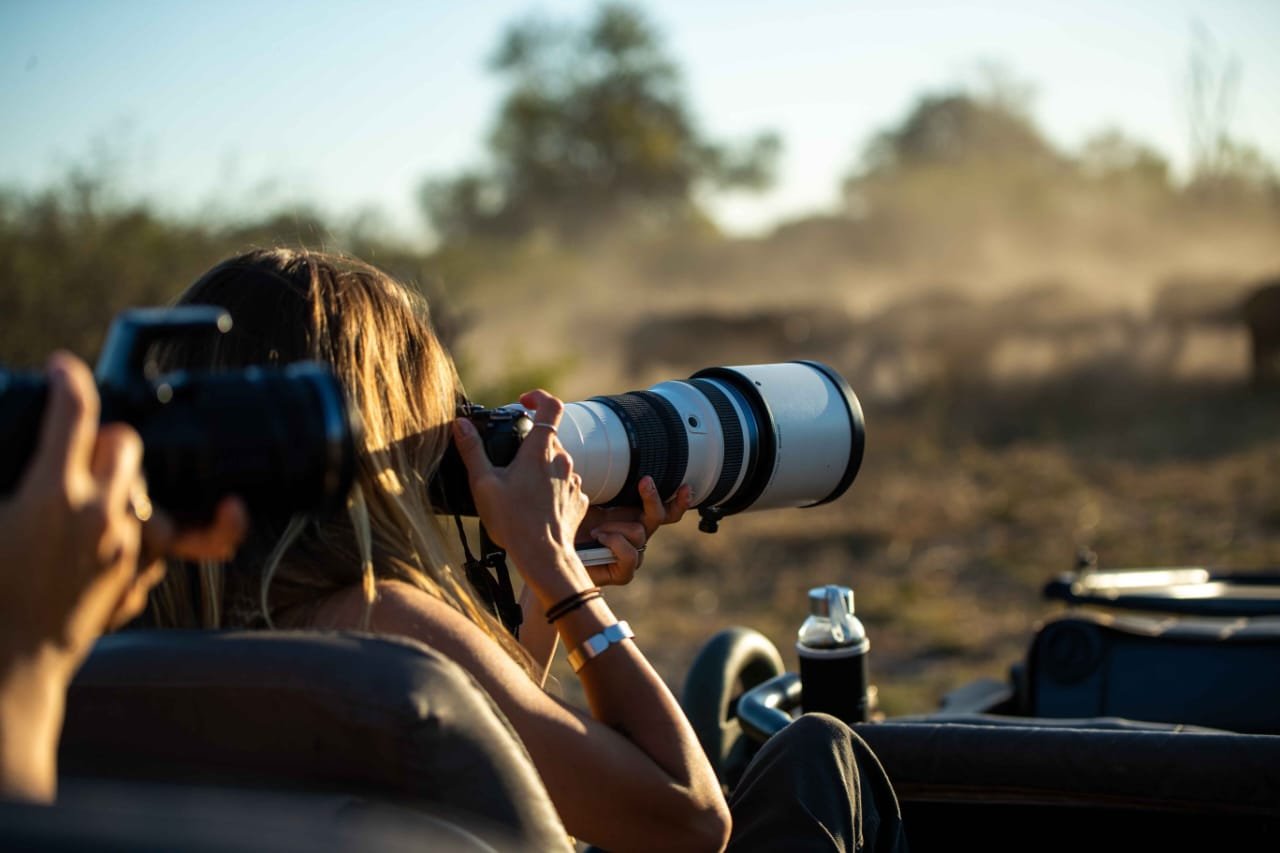
Rwanda can be photographed throughout the year, and each season offers different opportunities. The generally drier periods can provide more predictable conditions for some outdoor activities and wildlife viewing, while wetter periods can produce exceptionally green landscapes and dramatic skies.
Photographers should not automatically avoid rain. Rain can transform the appearance of Rwanda’s landscapes, creating mist, reflections, saturated vegetation, dramatic clouds, and atmospheric forest scenes.
For wildlife photographers, seasonal changes can influence animal behaviour, visibility, and habitat conditions. For landscape photographers, the same seasonal changes can transform the visual character of a location.
The ideal time therefore depends on your photographic priorities. A photographer focused on gorillas may have different considerations from someone primarily interested in landscapes or birds.
Accommodation for Photography Safaris
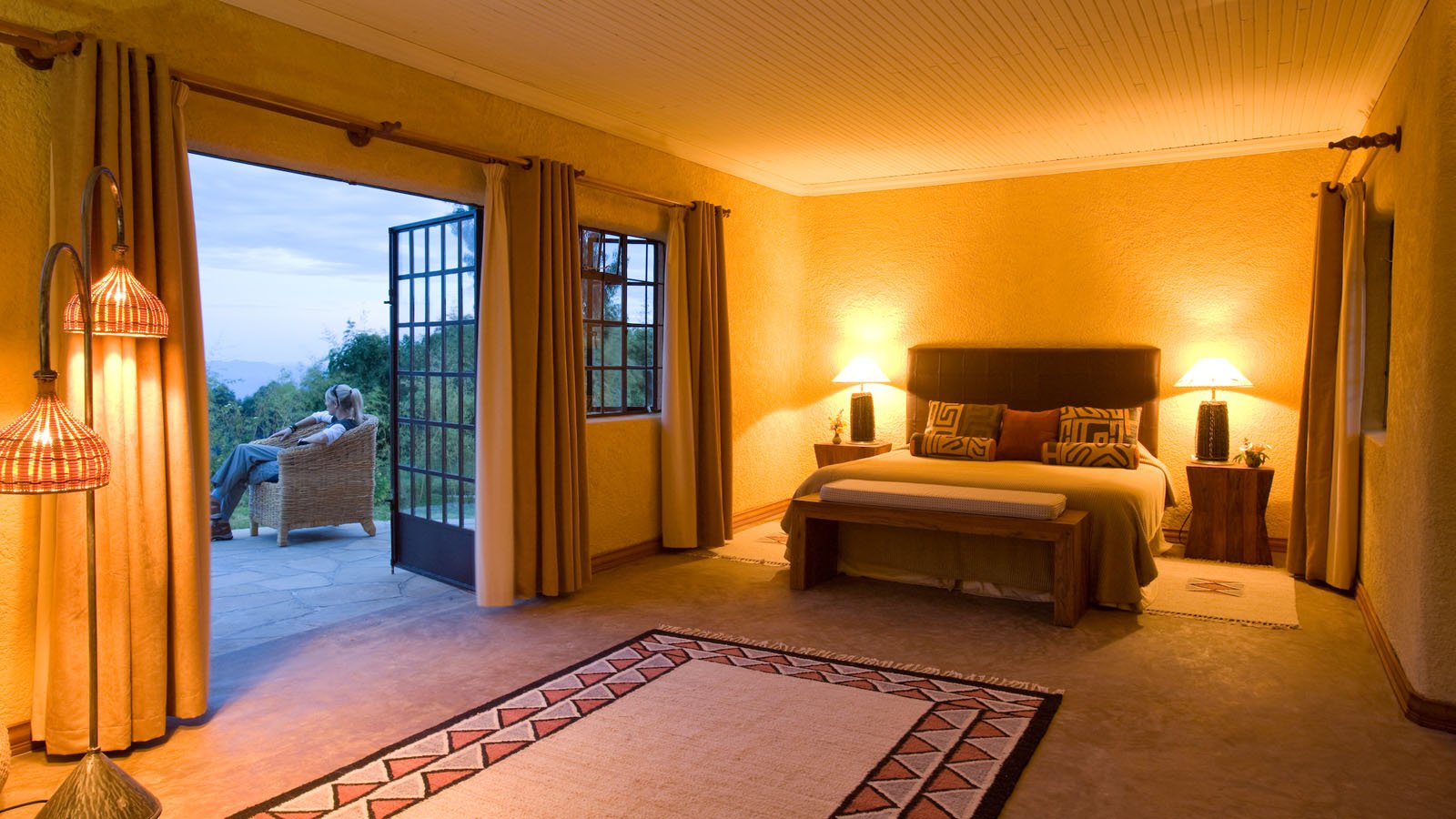
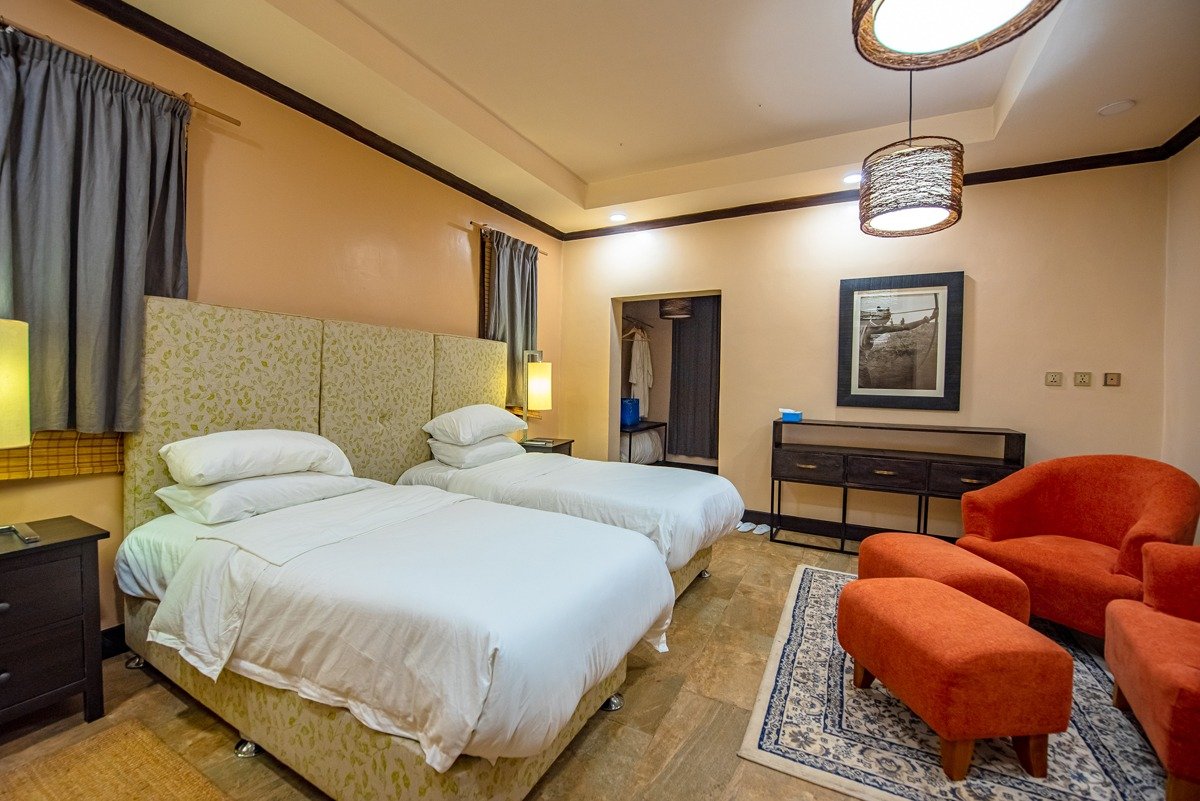
Accommodation should be selected partly according to photographic access and location. A lodge near a national park entrance can reduce unnecessary travel and provide more time in the field.
For photographers, comfortable accommodation also provides an important place to clean equipment, charge batteries, back up photographs, and rest after long days.
If you are carrying professional equipment, you may also prefer accommodation with secure rooms and reliable charging facilities.
Luxury lodges can be particularly appealing to photographers who want to combine serious photography with relaxation. After spending several hours in the field, returning to a beautiful property can provide time to review images while enjoying the surrounding environment.
The accommodation should therefore be considered part of the photographic itinerary rather than merely somewhere to sleep.
Why Book Rwanda Safaris for Photographers With Rwanda Family Tours?
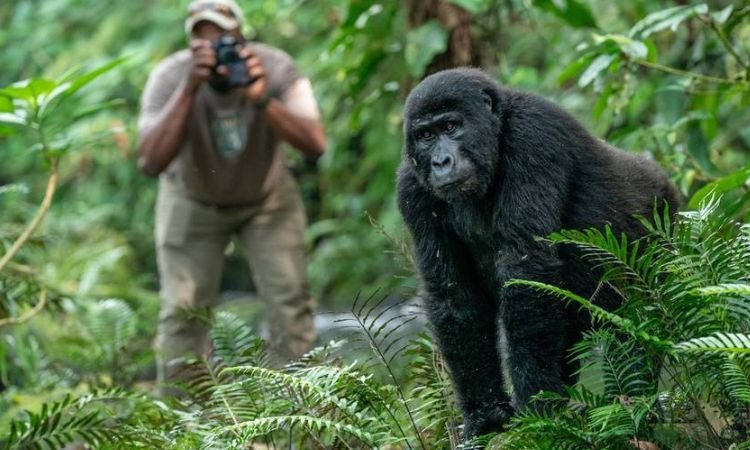
A photography safari requires a different level of planning from an ordinary sightseeing holiday. At Rwanda Family Tours, we understand that photographers need time, flexibility, suitable routes, knowledgeable guides, and transportation arrangements that support their creative objectives.
We can build itineraries around gorilla photography, wildlife, birds, chimpanzees, landscapes, culture, or a combination of these subjects.
We can also structure the journey so that photographers have enough time in each destination rather than spending most of the safari travelling between locations.
Private transportation provides flexibility, while carefully selected accommodation provides convenient bases for photography and image management.
If your trip involves professional or commercial photography, drone use, or media production, tell us during the enquiry stage so that applicable permissions can be considered before travel.
Frequently Asked Questions About Rwanda Safaris for Photographers
1. Are Rwanda Safaris for Photographers suitable for professional photographers?
Yes. Rwanda Safaris for Photographers can be designed for both professional and amateur photographers. Private transportation, flexible schedules, carefully selected accommodation, and photography-focused routes can provide more time to work with changing light, wildlife behaviour, landscapes, birds, and other subjects.
2. Can I photograph mountain gorillas during a Rwanda photography safari?
Yes. Gorilla photography is permitted during trekking, but strict wildlife-viewing rules apply. Flash photography is prohibited, and visitors must maintain the required distance from the gorillas and follow their guide’s instructions. The limited viewing time means photographers should prepare their equipment before approaching the gorilla family.
3. Which destinations are best for photography in Rwanda?
Volcanoes National Park is ideal for mountain gorilla and volcanic landscape photography, while Akagera National Park offers excellent wildlife and bird photography opportunities. Nyungwe Forest is particularly attractive for chimpanzees, primates, birds, and rainforest photography. Lake Kivu and Rwanda’s countryside provide beautiful opportunities for landscape and cultural photography.
4. Can I use a drone during Rwanda Safaris for Photographers?
Drone use in Rwanda requires appropriate permission, and photographers should not assume that drones can be flown freely in national parks or other locations. If aerial photography is part of your project, mention it when booking so the applicable permits and operating requirements can be considered before your safari.
5. How can I book Rwanda Safaris for Photographers with Rwanda Family Tours?
To book Rwanda Safaris for Photographers, provide your preferred travel dates, number of travellers, photography interests, destinations you want to photograph, accommodation preferences, and approximate budget. Professional photographers should also explain whether the photography is for personal, editorial, commercial, or commissioned use so that any additional requirements can be considered during planning.
Book Your Rwanda Photography Safari Today
Rwanda offers photographers an extraordinary opportunity to create images across several ecosystems without sacrificing comfort or spending the entire journey travelling between distant destinations.
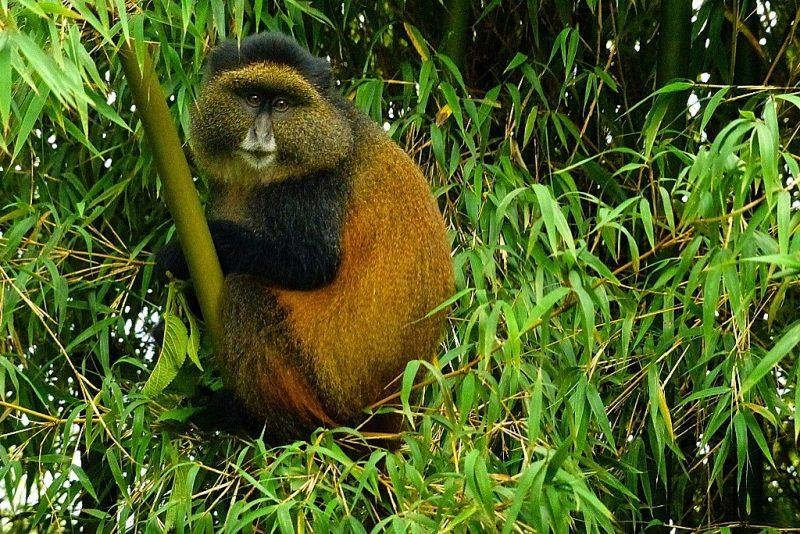
You can photograph mountain gorillas in the misty forests of Volcanoes National Park, wildlife across the savannahs of Akagera, chimpanzees and birds in Nyungwe, dramatic landscapes across the country’s hills, and lakeside life around Lake Kivu.
The journey can be designed for an amateur photographer seeking memorable holiday images or for an experienced professional planning a serious wildlife and conservation photography project.
The difference is in the planning. Your equipment, interests, travel pace, accommodation, transportation, permits, and photographic objectives should all be considered before the safari begins.
Rwanda offers photographers the rare opportunity to combine intimate wildlife encounters with dramatic landscapes, rainforest biodiversity, cultural stories, and beautiful lakes within one destination.
From the first morning light over Kigali to the mist surrounding the Virunga volcanoes, the movement of wildlife across Akagera, the dense canopy of Nyungwe, and the reflections of Lake Kivu, every stage of the journey can provide a different visual story.
The best images often come from allowing yourself enough time to observe. Instead of chasing every possible location, a well-designed photography safari gives you the opportunity to stay longer, wait for the right moment, and experience the destination at a thoughtful pace.
Whether you are an amateur photographer, wildlife enthusiast, bird photographer, landscape specialist, documentary photographer, content creator, or professional working on a commissioned project, Rwanda can be shaped around your photographic ambitions.