
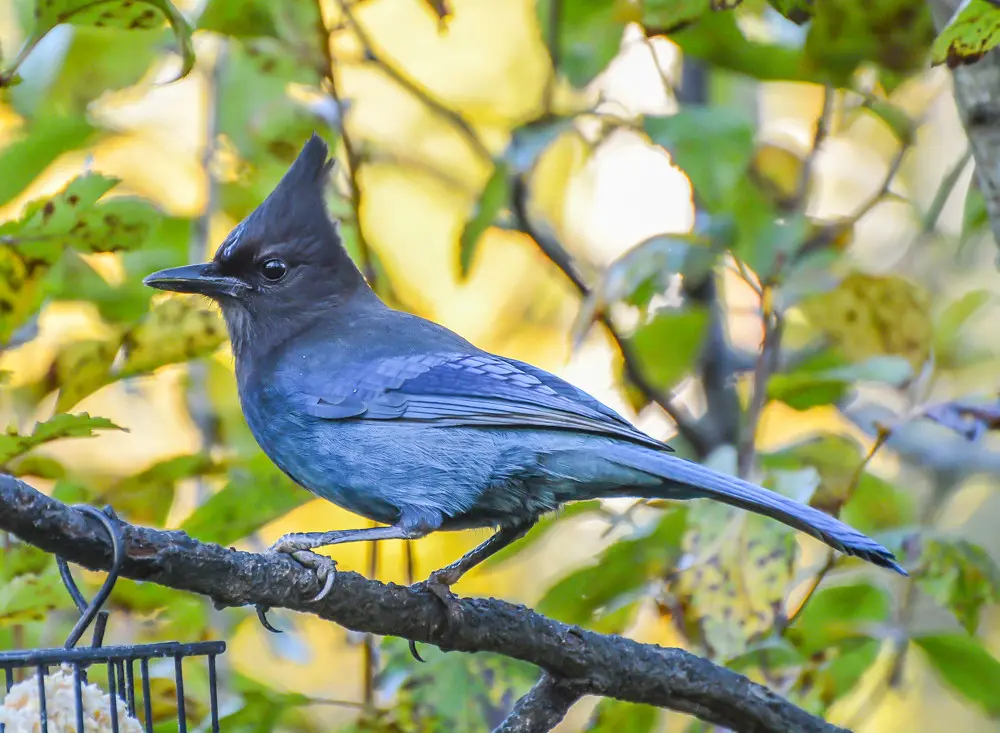
Rwanda Safaris for Birders: Ultimate Birdwatching Adventure in Rwanda


Rwanda is one of Africa’s most rewarding destinations for birdwatchers, offering an extraordinary combination of montane forests, wetlands, savannahs, lakes, cultivated landscapes, high-altitude habitats, and Albertine Rift ecosystems within a relatively compact country. Rwanda Safaris for Birders can be designed for both dedicated birdwatchers looking for rare and endemic species and travellers who simply want to add exceptional birding experiences to a broader wildlife safari. With more than 700 recorded bird species, including Albertine Rift endemics and numerous forest specialists, Rwanda offers remarkable opportunities for birding across several distinct habitats.
The country’s compact geography is one of its greatest advantages for birders. Rather than spending most of your holiday travelling enormous distances between birding sites, you can combine several productive habitats within one itinerary. Nyungwe National Park can provide exceptional montane forest birding, Akagera National Park offers wetlands, savannah and woodland species, Volcanoes National Park provides high-altitude and Albertine Rift birds, while Lake Kivu and Kigali can add further opportunities along the route.
A successful birding safari is about much more than counting species. It is about understanding habitats, learning bird calls, observing behaviour, finding difficult species, enjoying beautiful landscapes, and spending time in ecosystems where birds are part of a much larger natural story. Rwanda allows you to combine serious birdwatching with primates, wildlife, culture, landscapes, and comfortable accommodation, creating a journey that appeals to both specialist birders and couples, families, photographers, and nature enthusiasts.
At Rwanda Family Tours, we can create a private birding itinerary around your interests, available travel time, target species, accommodation preferences, and preferred pace. Whether you are searching specifically for Albertine Rift endemics or simply want to experience Rwanda’s remarkable bird diversity, we can help create a route that makes the most of your time in the country.
Why Choose Rwanda for a Birding Safari?


Rwanda’s appeal to birders comes from the extraordinary diversity of habitats found within a relatively small area. Official Rwanda tourism information describes the country as having 703 recorded bird species, including 29 Albertine Rift Endemics and several Lake Victoria Basin endemics. The country’s montane forests are particularly important for specialist birding, while its wetlands and savannahs provide completely different species and habitats.
This diversity means that Rwanda Safaris for Birders give experience to several different types of birding during one safari. A forest-focused morning in Nyungwe can be followed by a completely different wetland experience in Akagera on another part of the journey. Volcanoes provides another high-altitude environment, while Lake Kivu introduces lakeshore and wetland species.
Rwanda is also attractive because good birding is not restricted to remote national parks. Official tourism information notes that productive birding can be found across the country and even close to Kigali. This makes it possible to create short birding trips as well as longer specialist expeditions.
For travellers who have limited time, this compactness can be extremely valuable. Instead of choosing between a conventional safari and a birding trip, you can combine both. For travellers with more time, Rwanda’s different ecosystems can be explored at a slower pace, increasing the opportunity to observe both common species and more specialised birds.
Nyungwe National Park for Birders

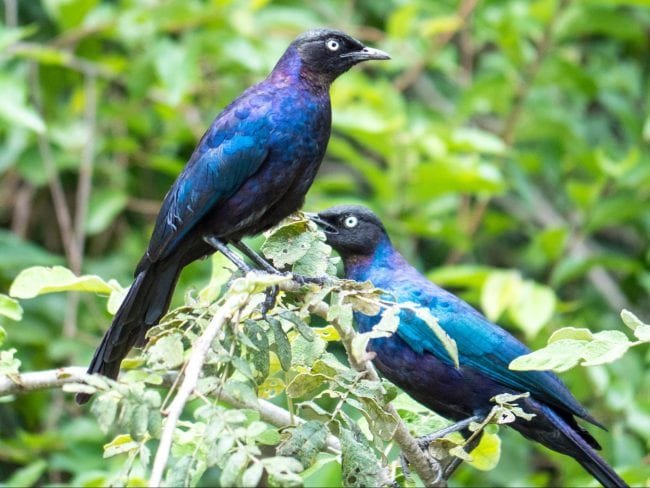
Nyungwe National Park is one of the most important destinations for Rwanda Safaris for Birders and should be a central part of an itinerary focused on forest birds and Albertine Rift species. The park’s tropical montane rainforest creates a completely different birding environment from the savannahs of Akagera. Official Rwanda tourism information records 322 bird species in Nyungwe, including numerous Albertine Rift endemics and forest specialists.
Nyungwe’s dense vegetation means that birding here requires patience and concentration. Some species can be heard before they are seen, while others move quickly through dense vegetation or remain high in the forest canopy. This makes the experience particularly rewarding for experienced birders who enjoy identifying birds through calls, movement, habitat, and subtle visual characteristics.
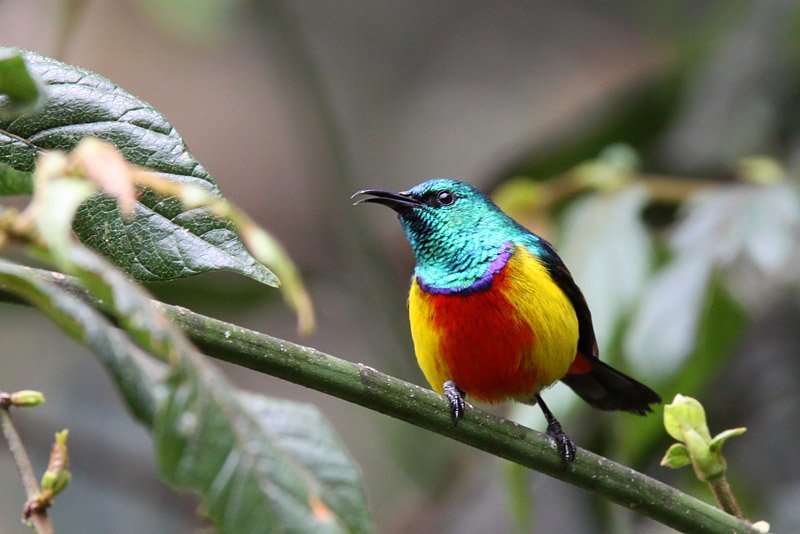
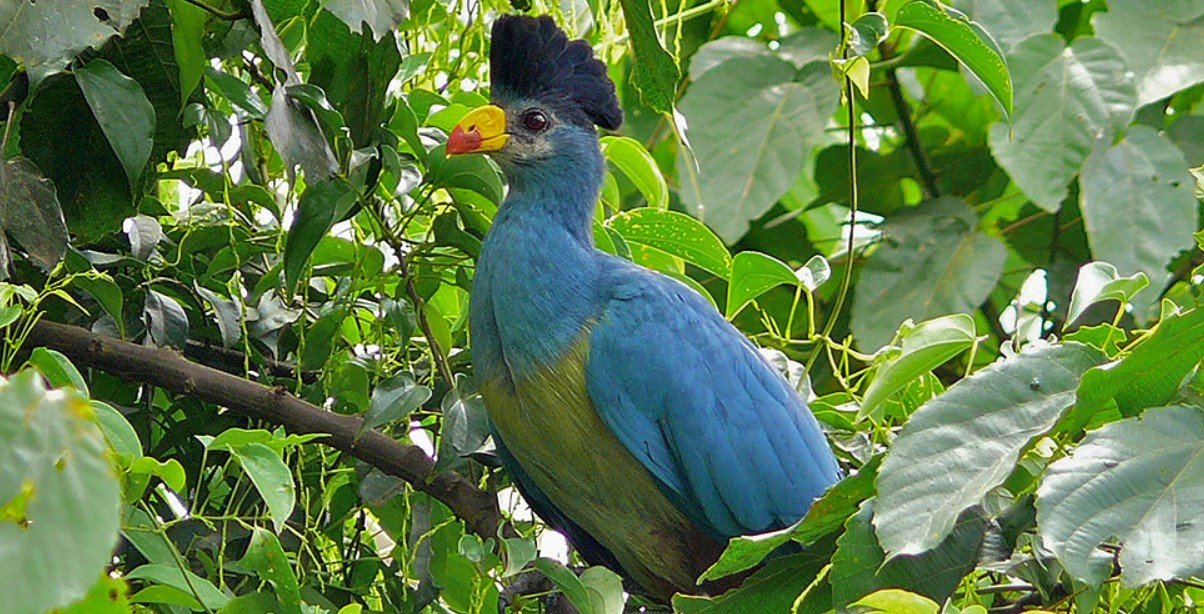
The forest’s trail network provides access to different habitats and creates opportunities to explore areas where specialist species may occur. The Rwanda Safaris for Birders guide highlights species such as Red-collared Babbler, Rwenzori Turaco, Handsome Francolin, Rwenzori Nightjar, Grauer’s Warbler, Regal Sunbird, Blue-headed Sunbird, Purple-breasted Sunbird, Grauer’s Swamp Warbler, and Neumann’s Warbler among the important species associated with Nyungwe.
The Red-collared Babbler is particularly significant for specialist birders. Rwanda Safaris for Birders information describes Nyungwe as the only safe place to see this striking species, making the park a major attraction for birders with specific target species on their list.
Albertine Rift Endemics in Rwanda


One of the strongest reasons serious birders choose Rwanda is the opportunity to search for Albertine Rift endemic species. The Albertine Rift is recognised for its exceptional biodiversity, and Rwanda’s western and northwestern forests form part of this important ecological region.
Official Rwanda tourism information records 29 Albertine Rift Endemic bird species within the country. For birders, these species can become the central focus of a specialist itinerary because they cannot simply be encountered anywhere in Africa.
Searching for endemic birds also changes the way a safari is experienced. Instead of focusing only on large animals, birders begin paying attention to calls, vegetation types, elevation, forest structure, feeding behaviour, and subtle movement within the canopy.
This makes an experienced birding guide particularly valuable. A knowledgeable guide can help identify calls, understand likely habitats, and improve the chances of locating species that an inexperienced visitor might walk past without noticing.
For serious birders, an itinerary targeting Albertine Rift endemics can therefore be designed differently from a general wildlife safari, with more time allocated to forest destinations and suitable birding trails.
Akagera National Park for Birdwatching
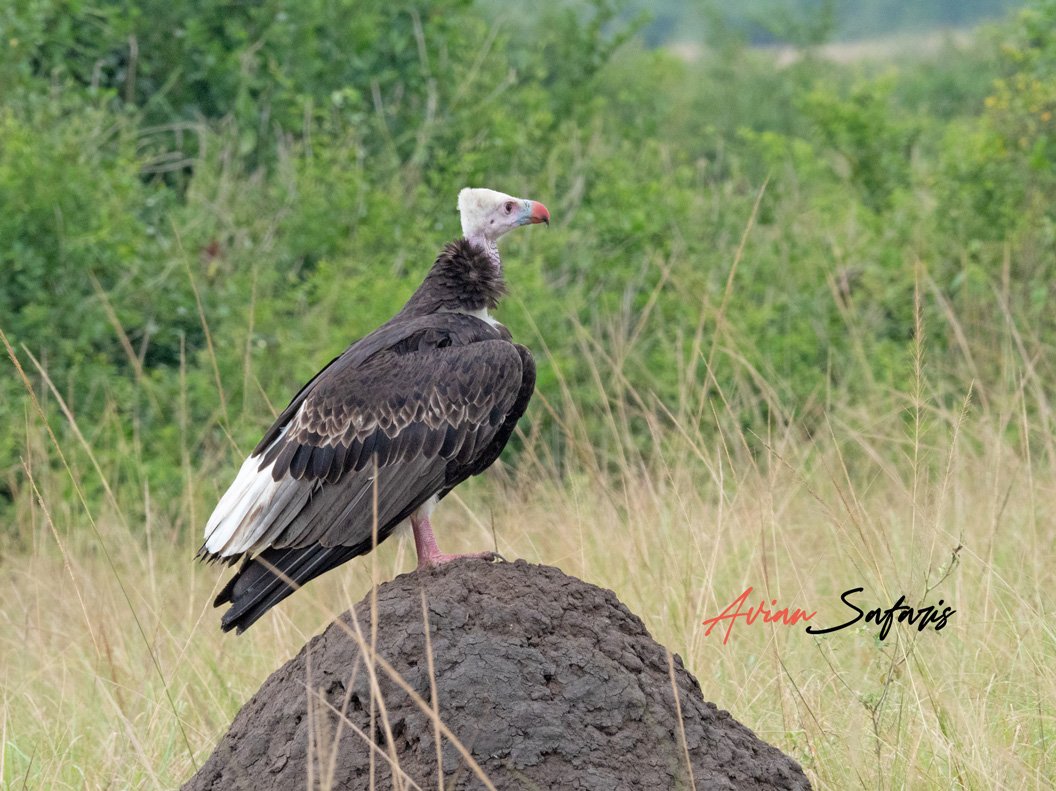
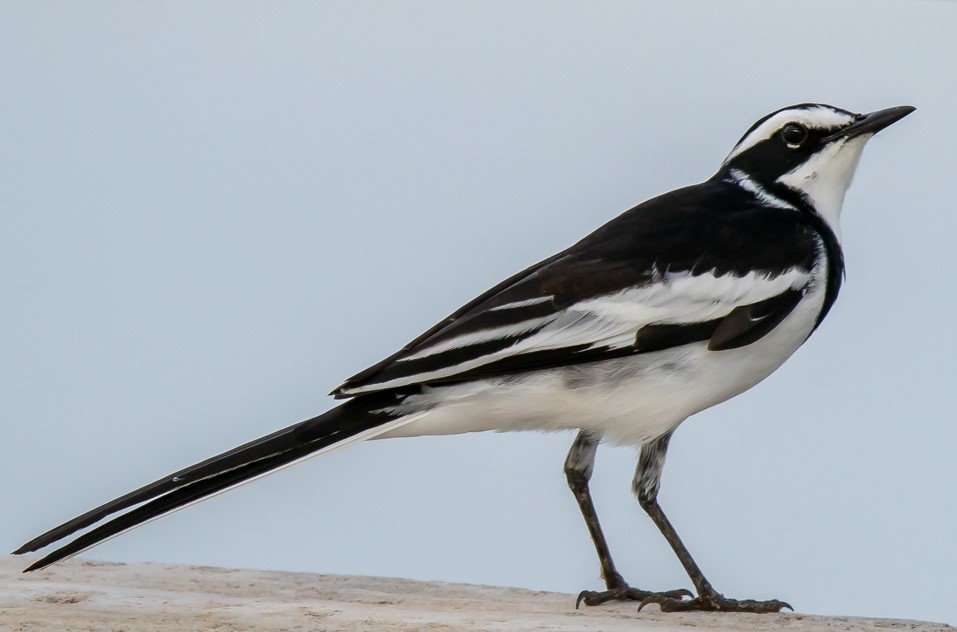
Akagera National Park provides an excellent contrast to Nyungwe and is another major destination for Rwanda Safaris for Birders. Its combination of savannah, woodland, wetlands, papyrus swamps, lakes, and rolling landscapes supports a wide variety of birdlife.
Official Rwanda tourism information currently highlights around 490 bird species in Akagera, while its dedicated birdwatching information gives a broader figure of 525 species associated with the park and its habitats. The difference reflects the way species records and destination listings can be presented and updated, so birders seeking a specific target list should work with current local sightings and a specialist guide.
Akagera’s wetlands are particularly important. The park is known for its large numbers of waterbirds and provides opportunities to search for species associated with papyrus and aquatic habitats.
The park also offers excellent general wildlife viewing, meaning birders travelling with non-birding companions can combine specialist birdwatching with game drives to see elephants, giraffes, zebras, buffaloes, antelopes, hippos, and other wildlife.
This combination makes Akagera especially valuable for couples and families where not everyone wants to spend every day exclusively focused on birds.
Shoebill and Wetland Birding in Akagera
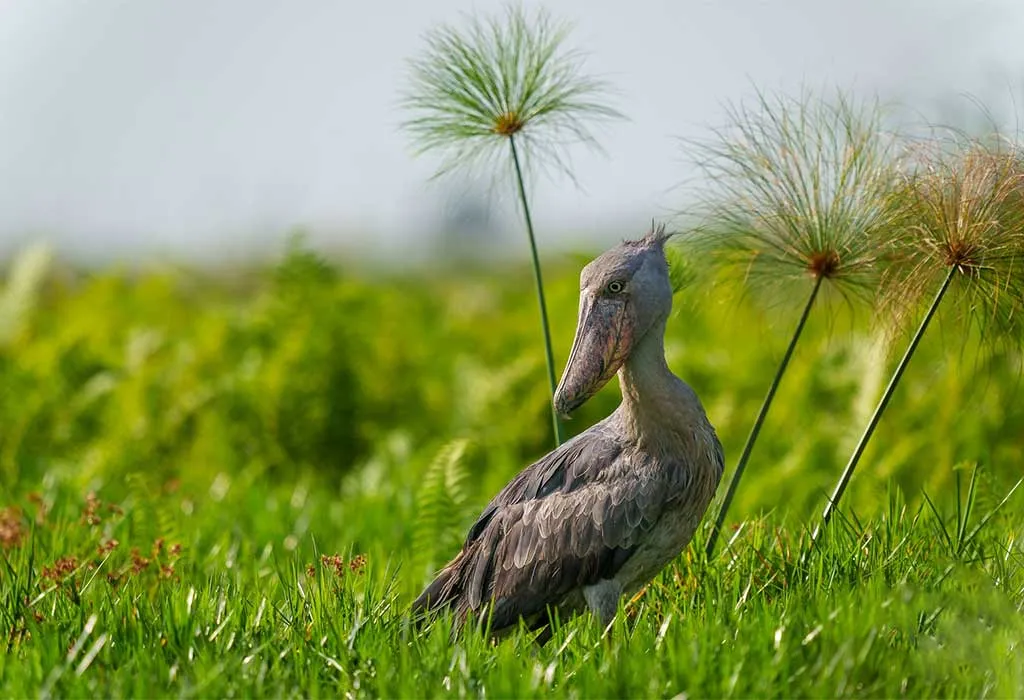

One of the major attractions for birders visiting Akagera is the possibility of searching for the shoebill. The park’s extensive wetlands and papyrus habitats provide an important environment for this distinctive and highly sought-after bird.
Official Rwanda tourism information identifies the shoebill among Akagera’s notable bird species and highlights Lake Ihema as an important area for observing waterbirds.
A boat experience on Lake Ihema can provide a completely different perspective from a vehicle-based birding drive. Waterbirds can be observed around the lake and nesting areas, while the surrounding wetland environment provides opportunities to appreciate the relationship between aquatic habitats and birdlife.
A specialist birder should understand that sightings of sought-after species can never be guaranteed. Birds move naturally, weather changes, and habitat conditions vary. The goal should therefore be to maximise opportunities through good timing, local knowledge, patience, and repeated exploration of suitable habitats.
Birding in Volcanoes National Park
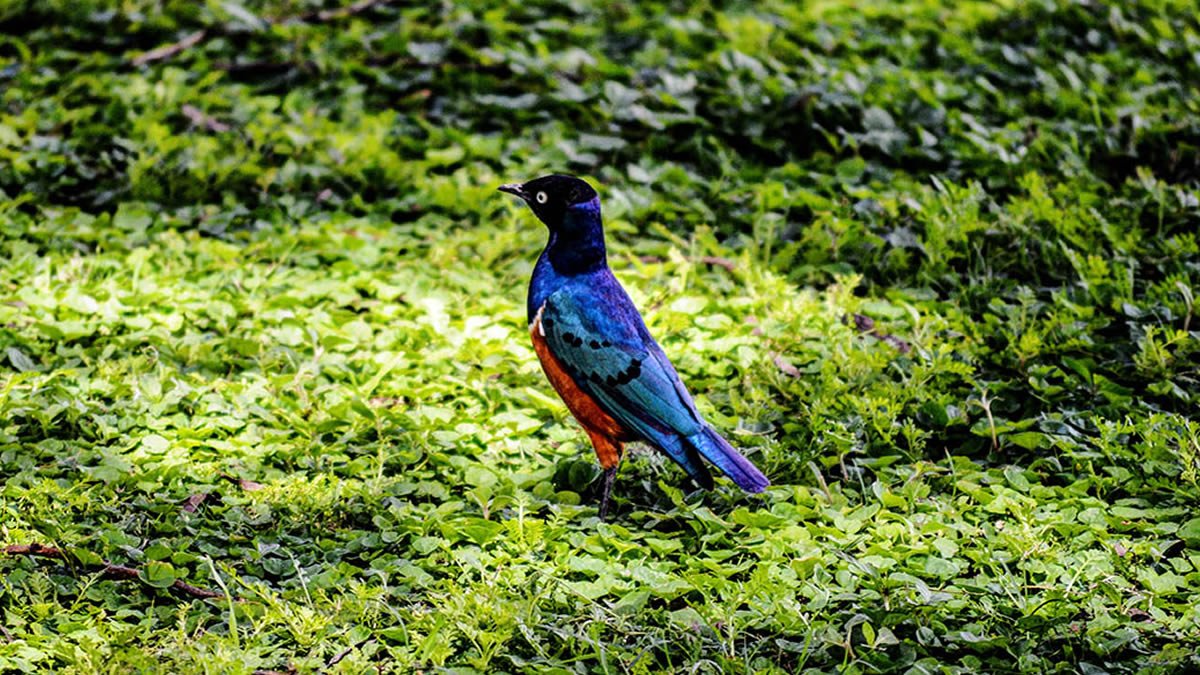
Volcanoes National Park is internationally famous for mountain gorillas, but it also provides valuable birding opportunities. The high-altitude volcanic environment supports species that differ from those encountered in Rwanda’s lower-elevation habitats.
Official Rwanda tourism information records around 200 bird species in the Volcanoes region, including 17 Albertine Rift Endemics. This makes the destination particularly attractive to birders who want to combine gorilla trekking with specialist birdwatching.
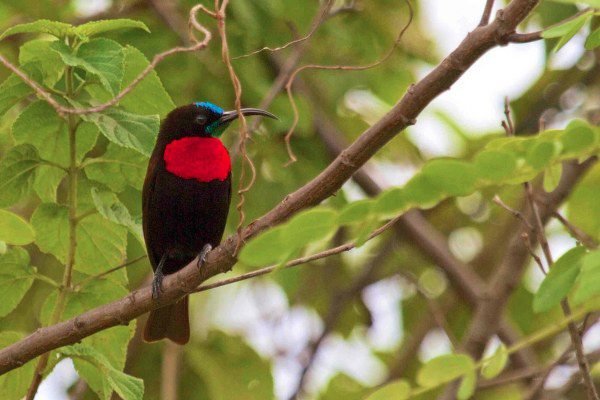
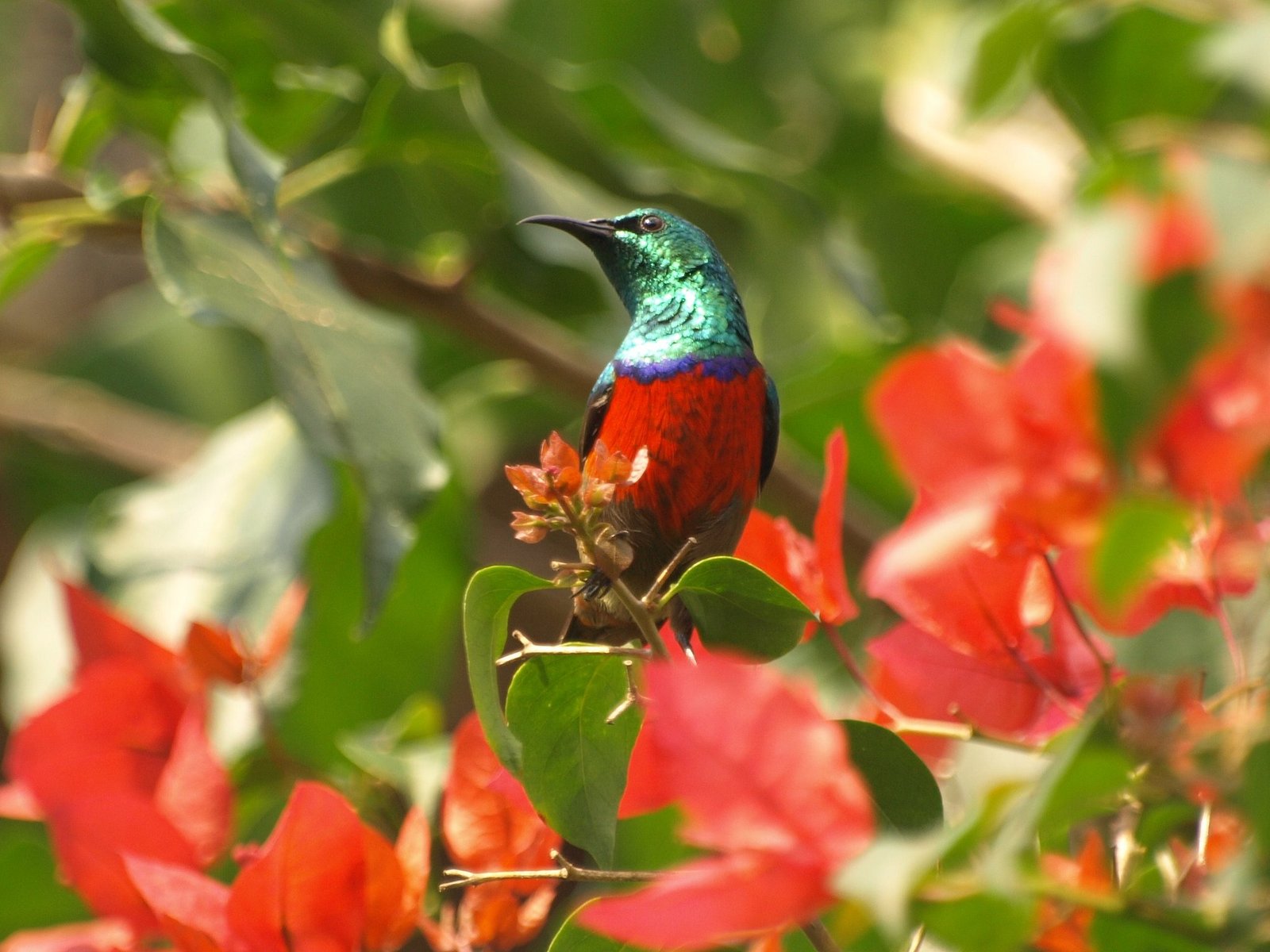
The park’s high elevations, bamboo zones, montane forest, and volcanic landscapes create a distinctive environment for birding. The Scarlet-Tufted Sunbird is particularly notable in Rwanda’s Volcanoes region, with the official birdwatching guide identifying the area as the best place in Rwanda to search for this species.
Birding here can therefore complement a gorilla safari rather than competing with it. A traveller can spend one day focused on gorillas and another exploring the area’s birdlife, creating a richer understanding of the ecosystem.
Gishwati-Mukura National Park for Birders
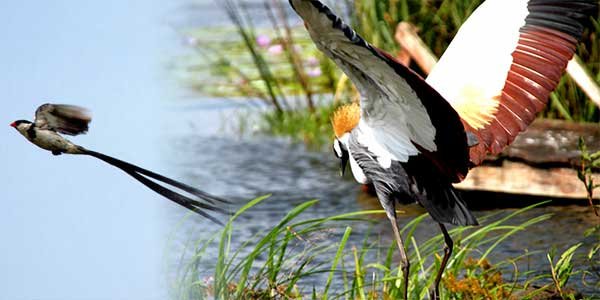
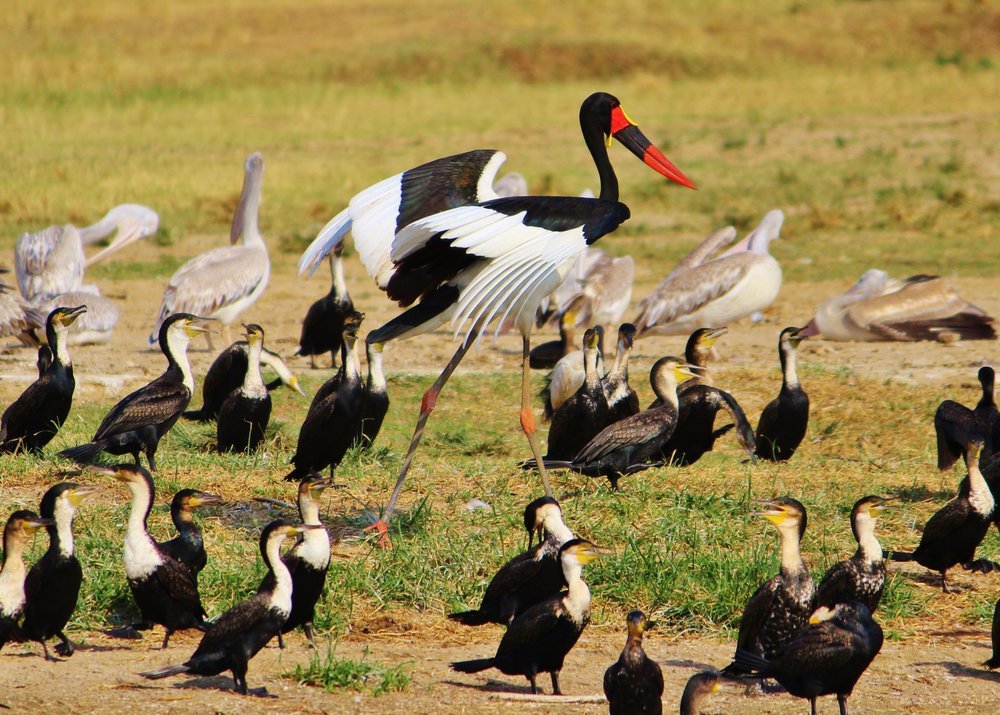
Gishwati-Mukura National Park provides another opportunity for birders interested in Rwanda’s western forests and Albertine Rift biodiversity. The park consists of Gishwati and Mukura forests and forms part of the ecologically important Albertine Rift.
Official Visit Rwanda information records 232 bird species at Gishwati and 163 at Mukura, including Albertine Rift Endemics and forest specialists.
The destination can be particularly attractive for birders who want to explore beyond Rwanda’s most famous national parks. Activities include guided nature hikes, birdwatching, primate tracking, and visits to waterfalls, providing opportunities to combine birding with broader nature experiences.
Because Gishwati-Mukura is less frequently included in conventional safari itineraries, it can provide a more specialised experience for travellers who want to explore Rwanda’s conservation landscapes in greater depth.
Lake Kivu Birdwatching
Lake Kivu offers a relaxing stop within a birding itinerary while still providing worthwhile opportunities for observation. The lake environment supports waterbirds, lakeshore species, and birds associated with surrounding vegetation and communities.
Rwanda’s official birdwatching information highlights White-breasted Cormorants, Pied Kingfishers, Osprey during migration, and several other species around Lake Kivu. It also identifies opportunities for Papyrus Gonolek, Papyrus Canary, White-winged Swamp Warbler, White-collared Oliveback, Lesser Jacana, White-backed Duck, African Fish Eagle, and other birds in suitable habitats around the region.
Lake Kivu can therefore be incorporated into a longer birding itinerary as both a productive birding destination and a place to relax between more intensive forest sessions.
For photographers, the lake also adds landscape opportunities. Birds can be photographed against water and mountain backgrounds, while boats, fishing communities, vegetation, and changing weather provide additional subjects.
Kigali Birdwatching
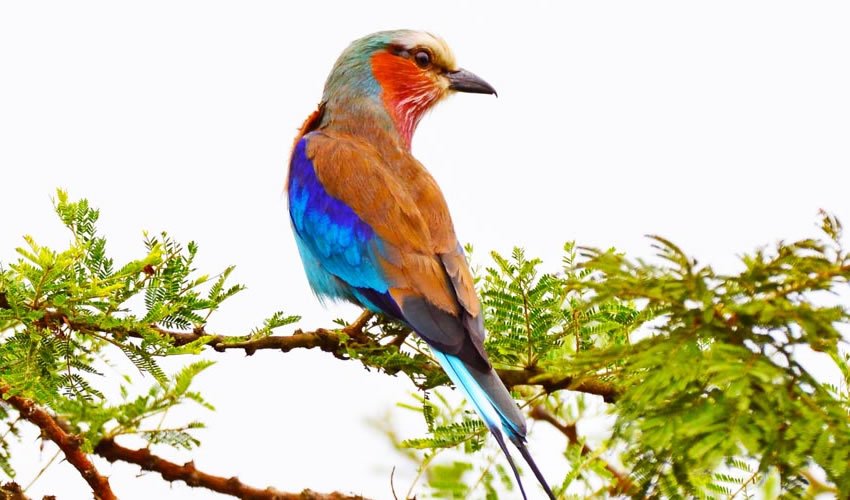
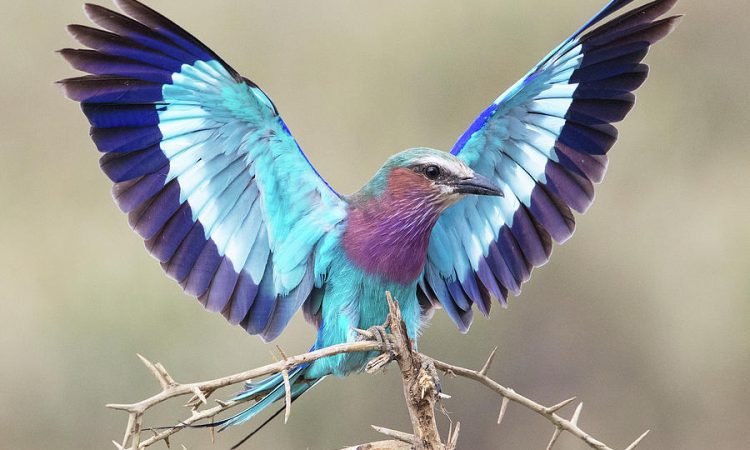
Kigali may not be the first destination that comes to mind when planning a specialist birding safari, but the capital can provide surprisingly productive opportunities. Official Rwanda tourism information specifically highlights urban birding in Kigali and notes that hotel gardens, Nyarutarama Lake, wetlands, and other green areas can produce interesting sightings.
This makes Kigali useful at both the beginning and end of a birding itinerary. A traveller arriving in Rwanda can use spare time for introductory birding rather than waiting until reaching a national park.
For short trips, Kigali can also provide an opportunity to experience some birding without travelling deep into the countryside.
The city environment demonstrates another interesting aspect of Rwanda’s bird diversity: good birding does not always require remote wilderness. Carefully managed urban green spaces and wetlands can provide habitat for a surprising variety of species.
Birding Trails and Forest Walks
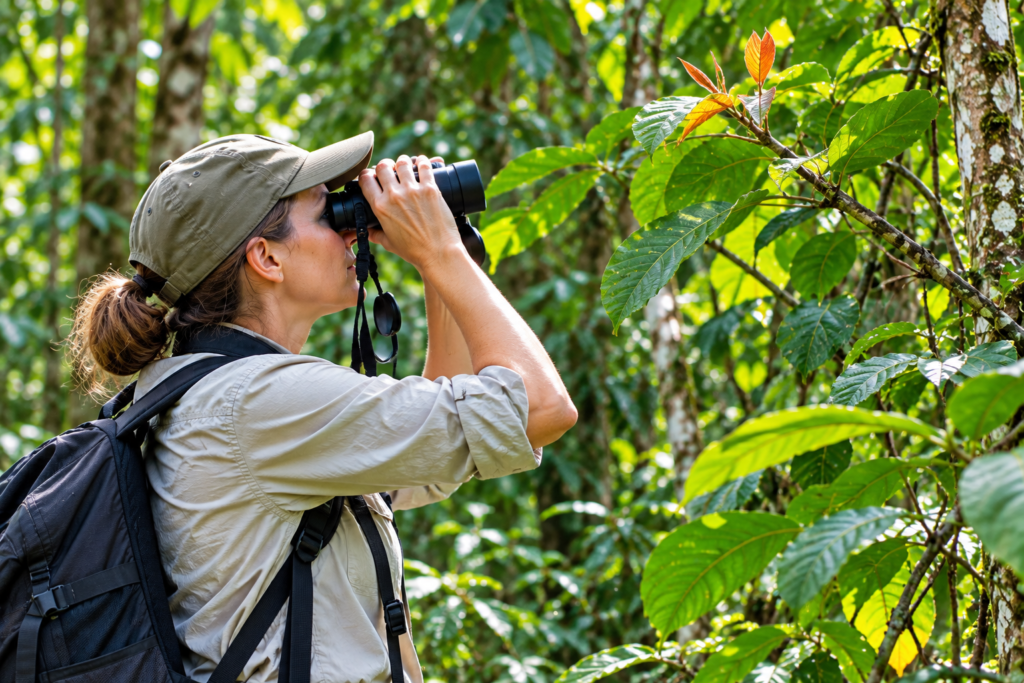
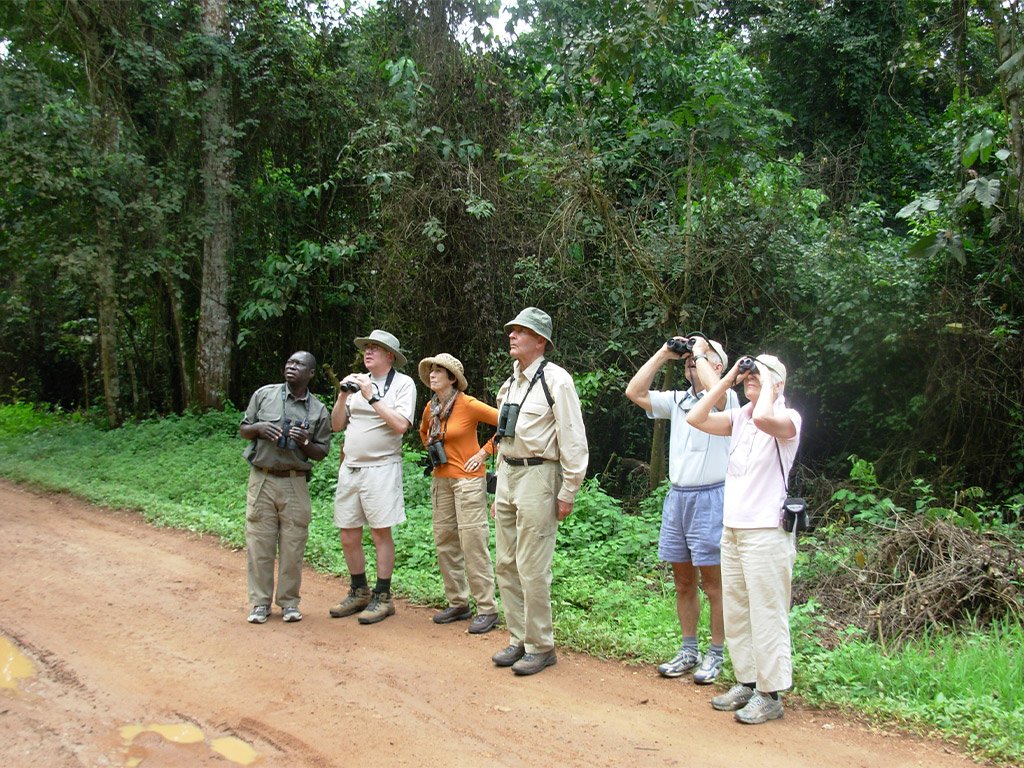
Walking is an important part of specialist birding because many forest species cannot be adequately experienced from a vehicle. Rwanda’s forest destinations offer trails that allow birders to move through different elevations and habitats.
Nyungwe’s trail network provides opportunities to search for forest species, while official Rwanda hiking information highlights trails such as Karamba and Umugote as particularly interesting for birding and primate viewing.
The Karamba Trail is described as one of the better birding locations in Nyungwe, with fern trees and forest habitat providing opportunities for bird observation. The Umugote Trail combines views of ridges and rainforest with opportunities for bird and primate viewing.
These experiences can make a birding safari more immersive because travellers are moving through the habitat rather than simply observing it from a vehicle.
Birding and Primates in One Safari
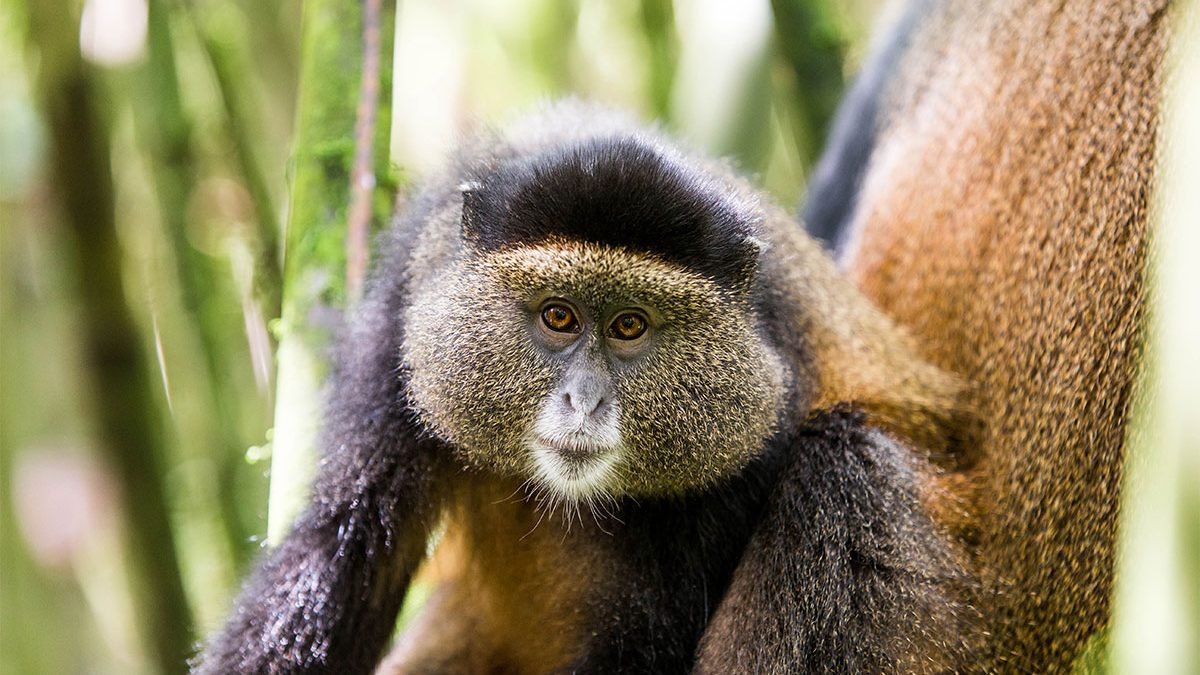
Rwanda is particularly rewarding for nature enthusiasts because birding can easily be combined with primate experiences. Nyungwe is home to chimpanzees and several other primates, while Volcanoes provides opportunities to combine birdwatching with mountain gorillas and golden monkeys.
Official Rwanda tourism information identifies several primate species in Nyungwe and notes that the forest’s black-and-white colobus population is particularly notable.
This combination can make a specialist nature itinerary much more varied. A morning spent searching for a forest bird can be followed by a primate experience, creating a full understanding of the ecosystem rather than focusing on a single taxonomic group.
For travellers who are passionate about biodiversity, this is one of Rwanda’s strongest advantages.
Bird Photography During a Rwanda Birding Safari
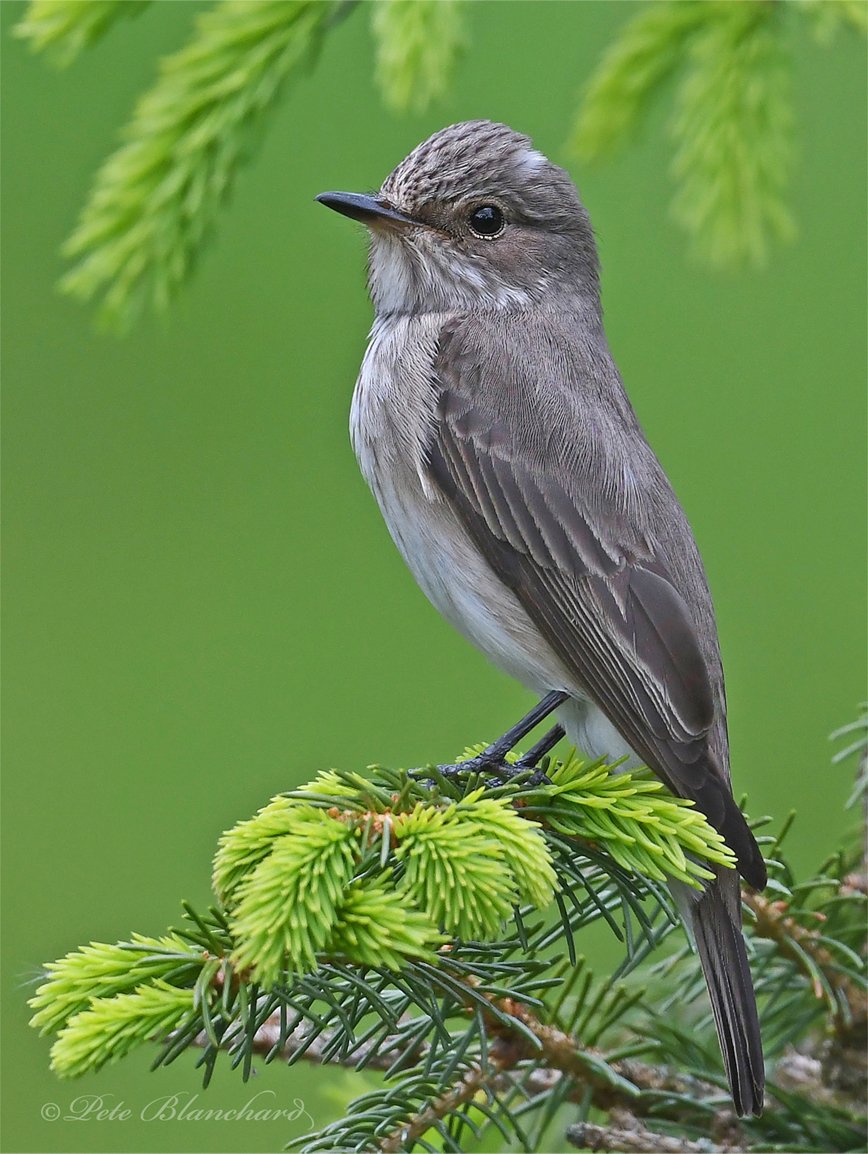
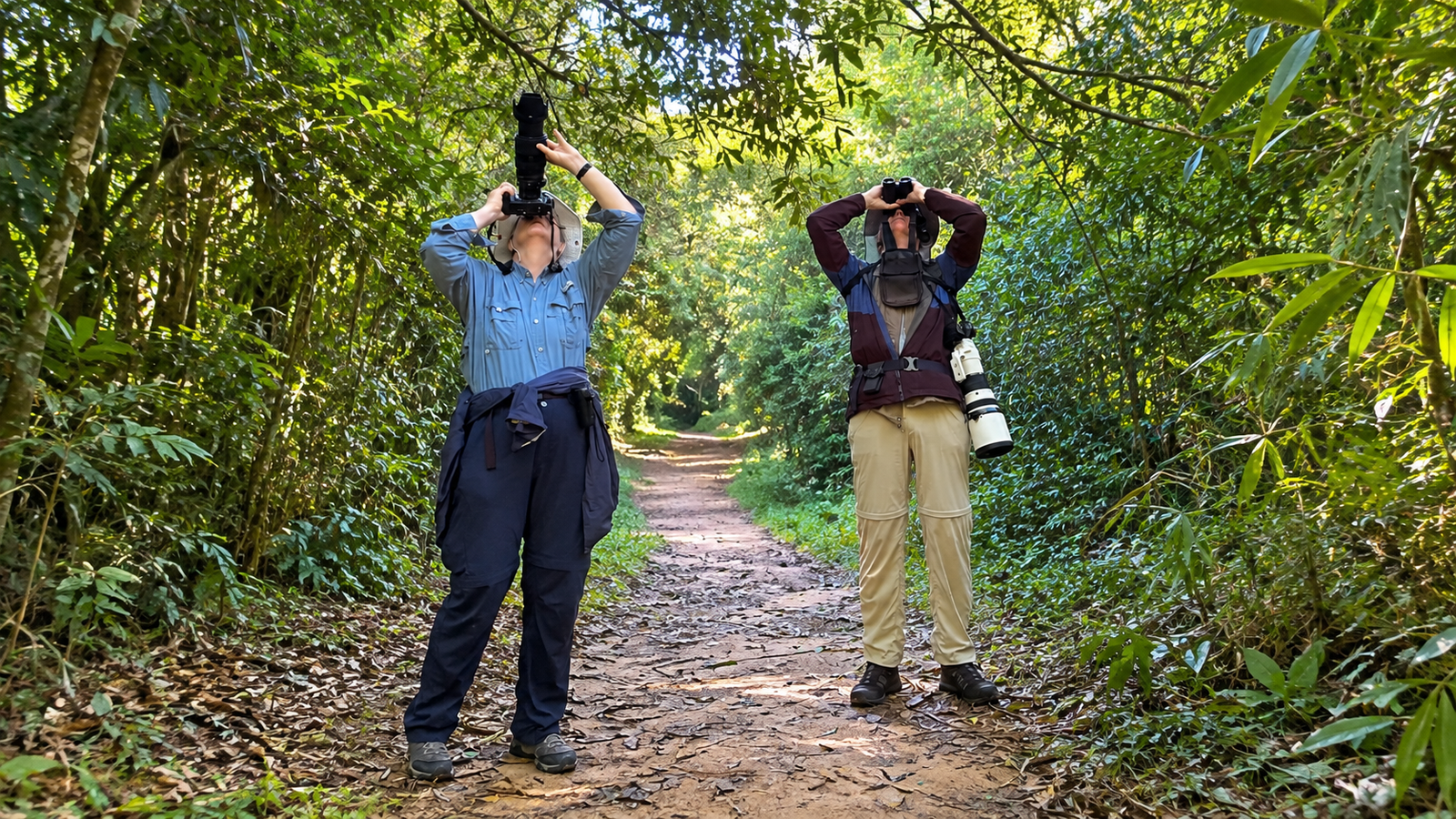
Bird photography can be incorporated naturally into Rwanda Safaris for Birders, particularly in Akagera, Nyungwe, Volcanoes, Lake Kivu, and Gishwati-Mukura.
Bird photography requires patience and suitable equipment. A long telephoto lens can help with distant birds, while a fast shutter speed is useful for species in flight. Forest birding can present low-light challenges, making good high-ISO performance valuable.
Photographers should also be prepared for situations where the bird is partly hidden by vegetation. In dense forests, the objective may be to capture a behavioural or environmental image rather than a perfectly unobstructed portrait.
Responsible photography is equally important. Birds should never be disturbed simply to obtain a photograph, and photographers should follow the instructions of their guide and park authorities.
Best Time for Rwanda Safaris for Birders


Rwanda can be visited for birding throughout the year, but seasonal conditions influence habitats, bird activity, migration, and road or trail conditions. The best period depends on whether your priority is resident species, Albertine Rift endemics, migrants, forest birds, waterbirds, or a broad country list.
For specialist birders, the exact timing can be planned around target species and current field conditions rather than relying on a single universal “best month.”
Wet periods can produce lush vegetation and active birdlife, while drier periods may provide easier movement along some trails and roads. Migratory periods can also add species that are not present year-round.
Because bird sightings can change, current local information is valuable. Official Visit Rwanda birdwatching information encourages birders to use recent sightings and contributes to ongoing bird data collection through platforms such as eBird.
What to Pack for a Rwanda Birding Safari


Birders should pack equipment according to their level of interest. Binoculars are essential for most birding trips, while a spotting scope can be valuable for serious birders travelling with the appropriate support.
A field notebook or digital birding application can help record observations, while a camera and telephoto lens are useful for those who also want photographic records.
Comfortable walking footwear is particularly important for forest birding. Lightweight layers and rain protection are also useful because weather can change quickly in mountainous and forest environments.
A small daypack can carry water, snacks, field guides, batteries, memory cards, and rain protection while keeping the main luggage at the lodge.
Combining Birding With a Rwanda Wildlife Safari
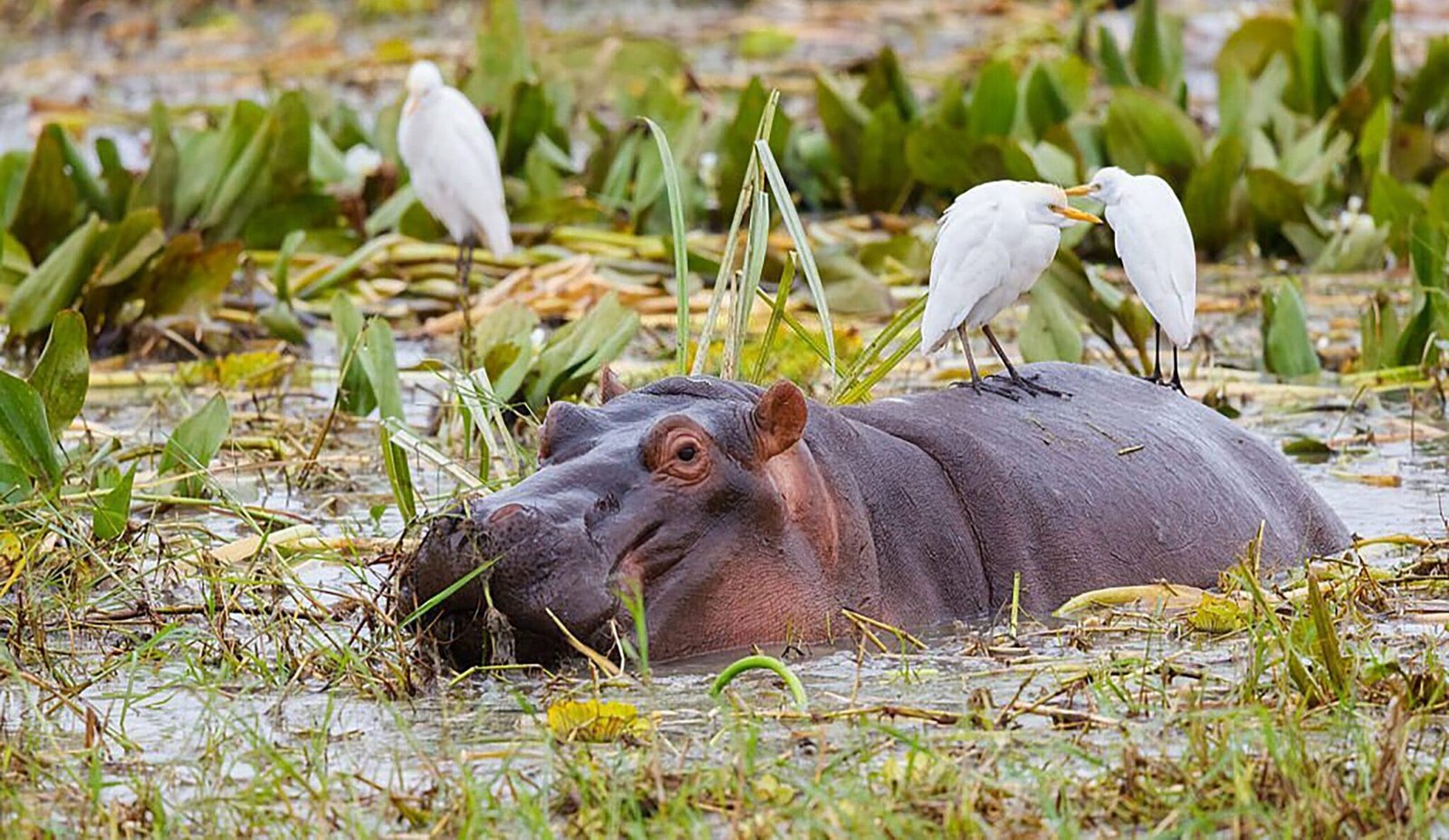
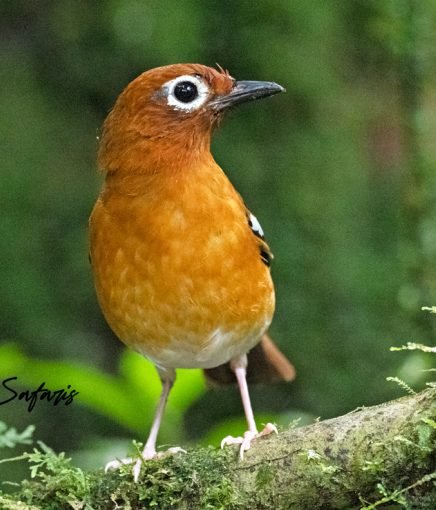
One of the advantages of Rwanda is that birding does not have to replace traditional wildlife experiences. A well-planned safari can combine specialist birdwatching with game drives, boat trips, primate experiences, cultural visits, and scenic travel.
Akagera is particularly effective for this combination because birding can be integrated into game drives and Lake Ihema experiences. Nyungwe combines birds with chimpanzees, colobus monkeys, forest landscapes, and hiking. Volcanoes adds mountain gorillas and high-altitude birding, while Lake Kivu introduces lakeshore species and relaxation.
This makes Rwanda a strong option for couples or families where one person is a dedicated birder and others have broader interests.
Private Rwanda Birding Safaris
Private travel is particularly valuable for serious birders because it allows the itinerary to follow the birds rather than a rigid group schedule.
If a rare species appears, the group can spend additional time observing it where practical. If a particular trail is especially productive, more time can be allocated to that environment.
Private vehicles are also useful in Akagera because birders can communicate directly with their guide about positioning, observation time, and habitat preferences.
For photographers, the benefits are even greater because the vehicle can be positioned more thoughtfully and unnecessary pressure to move on can sometimes be reduced.
The result is a more flexible experience built around observation rather than simply checking destinations off a schedule.
Birding Safaris for Experienced Birders
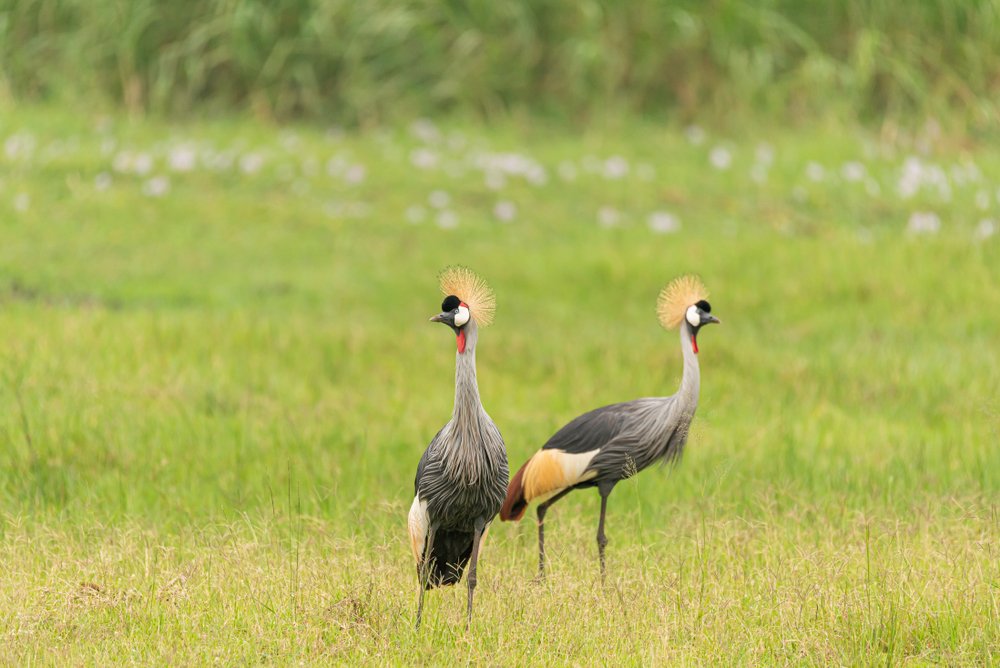
Experienced birders can approach Rwanda as a serious destination for target species and country-listing opportunities. The itinerary can focus more heavily on Nyungwe, Akagera, Volcanoes, Gishwati-Mukura, wetlands, and other productive habitats.
The number of days can also be increased to allow repeated visits to important habitats. This is useful because birding success is influenced by weather, timing, bird behaviour, and luck.
Experienced birders can provide a target list before travelling so that the itinerary is designed with those priorities in mind.
Where recent sightings are available, the route can also be reviewed with local guides to maximise opportunities for difficult species.
Accommodation During Rwanda Safaris for Birders
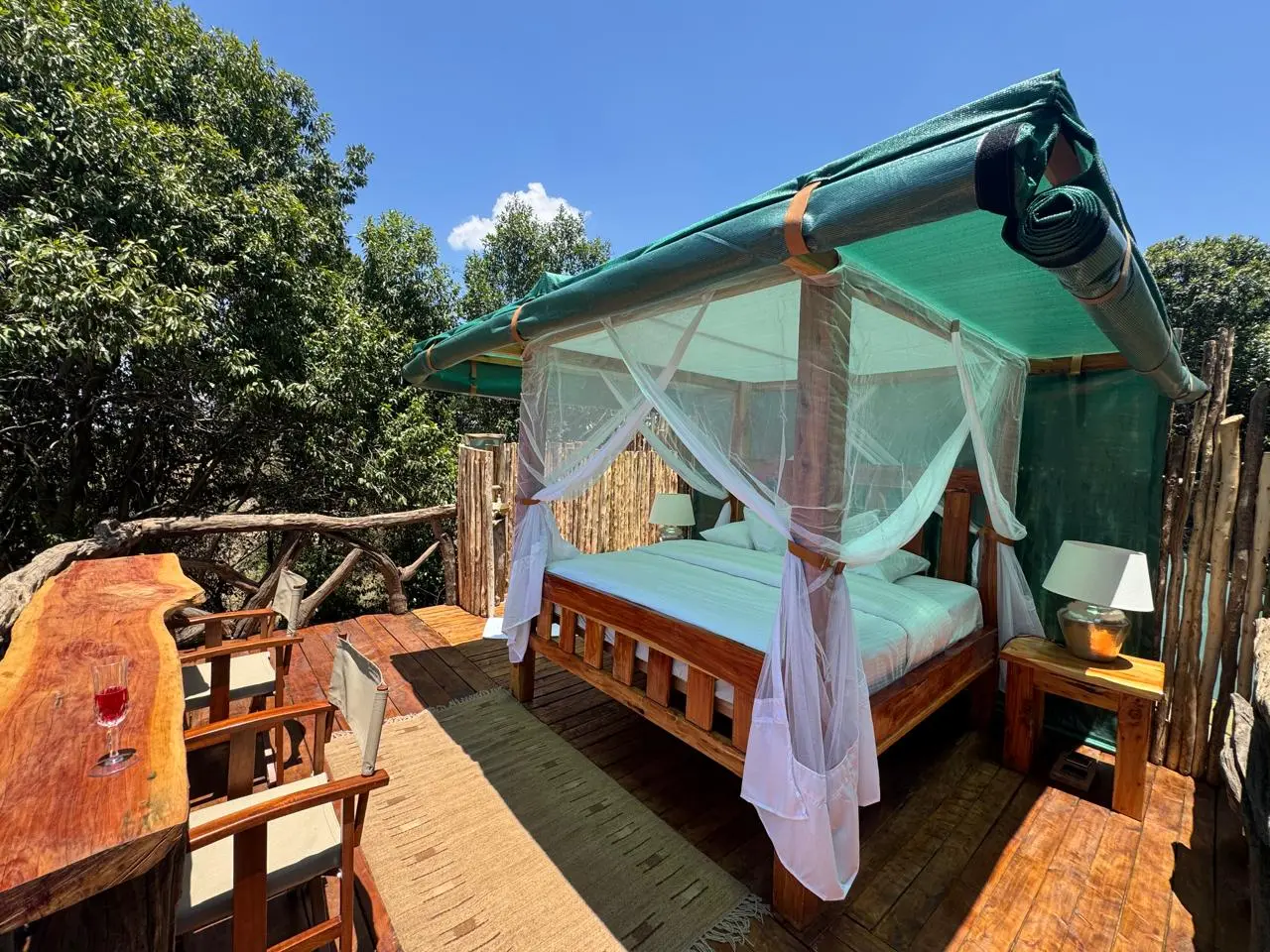
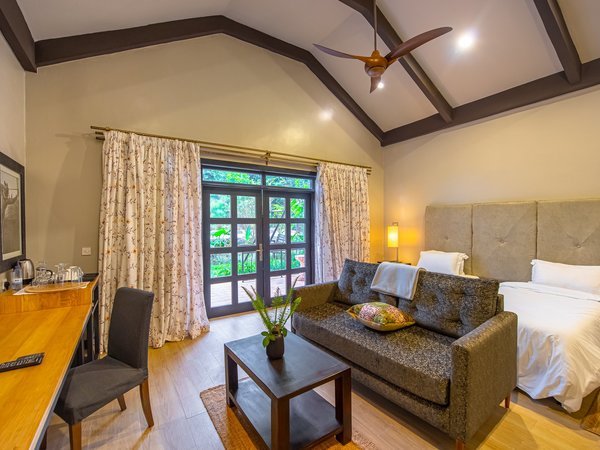
Accommodation should be selected according to both comfort and birding convenience. Staying closer to productive habitats can reduce transfer time and provide more hours available for observation.
Early breakfasts may be important for birders who want to begin activities around first light, so accommodation arrangements should be discussed during planning.
Lodges with gardens or natural surroundings can also provide opportunities for casual birding during downtime. In some destinations, birds can be observed without leaving the accommodation grounds.
For serious birders, this can be an underrated advantage. A lodge garden can sometimes produce unexpected species while the traveller is relaxing between excursions.
Why Book Rwanda Safaris for Birders With Rwanda Family Tours?
At Rwanda Family Tours, we understand that birders travel with different priorities from conventional safari visitors. You may want to spend more time listening for calls, searching forest edges, observing wetland species, or waiting patiently for a difficult target species.
We can design private itineraries around those priorities while still incorporating the other experiences that make Rwanda special.
Our team can help combine birding with Akagera game drives, Lake Ihema boat experiences, Nyungwe forest exploration, chimpanzee tracking, Volcanoes experiences, Lake Kivu, Kigali, and other suitable destinations.
We also understand the importance of comfortable accommodation, private transportation, sensible routing, and flexible daily schedules.
If you have a specific target list, tell us before the safari is planned. This allows us to build the itinerary around the habitats and destinations most relevant to your interests.
Frequently Asked Questions About Rwanda Safaris for Birders
1. Are Rwanda Safaris for Birders suitable for beginners?
Yes. Rwanda Safaris for Birders are suitable for both beginners and experienced birdwatchers. Beginners can enjoy guided birding alongside wildlife and scenic experiences, while experienced birders can focus on target species, Albertine Rift endemics, forest birds, wetland species, and country-listing opportunities.
2. Which destinations are best for birdwatching in Rwanda?
Nyungwe National Park is one of the most important destinations for forest birding and Albertine Rift endemics, while Akagera National Park is excellent for wetland, savannah, woodland, and waterbird species. Volcanoes National Park and Gishwati-Mukura also provide opportunities for specialist montane and forest birds, while Lake Kivu and Kigali can add further birding experiences.
3. What birds can I see during a Rwanda birding safari?
Depending on the destinations and season, birders can search for Albertine Rift endemics, turacos, sunbirds, babblers, waterbirds, raptors, forest specialists, and migratory species. Nyungwe is particularly important for specialist forest birds, while Akagera offers excellent opportunities for wetland and savannah species, including the sought-after shoebill.
4. What is the best time for Rwanda Safaris for Birders?
Rwanda can be visited for birdwatching throughout the year, although the best period depends on your target species and preferred habitats. Different seasons can offer opportunities for resident birds, Albertine Rift endemics, and migratory species. Rwanda Safaris for Birders can provide a target list so the itinerary can be planned around the most relevant destinations and seasonal opportunities.
5. How can I book Rwanda Safaris for Birders with Rwanda Family Tours?
To book Rwanda Safaris for Birders, provide your preferred travel dates, number of travellers, birding experience, target species if available, preferred accommodation, and approximate budget. You can also tell us whether you would like to combine birdwatching with gorilla trekking, chimpanzee tracking, wildlife viewing, photography, cultural experiences, or Lake Kivu.
Book Your Rwanda Birding Safari Today
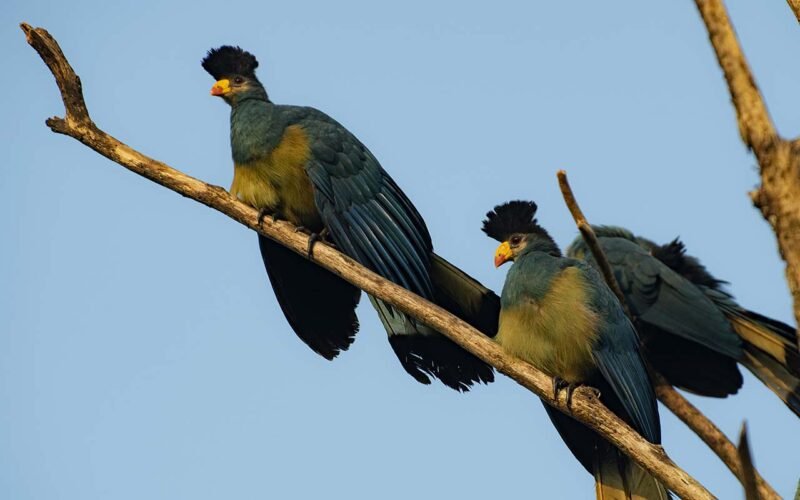
Rwanda provides an exceptional setting for a dedicated birding holiday because it combines remarkable species diversity with accessible destinations and a wide range of habitats. From the montane forests of Nyungwe to the wetlands of Akagera and the volcanic landscapes of the north, every region can add something different to your bird list.
You can focus entirely on birds or combine birdwatching with gorilla trekking, chimpanzees, wildlife, landscapes, culture, photography, and relaxation.
Whether you are a first-time birder, an experienced birdwatcher, a wildlife photographer, a couple seeking a nature-focused holiday, or a specialist traveller searching for Albertine Rift endemics, we can create a journey around your priorities.
Tell us your preferred travel dates, number of travellers, birding experience, target species if you have a list, preferred accommodation level, approximate budget, and whether you would like to combine birdwatching with gorillas, chimpanzees, wildlife, photography, or cultural experiences.
Your Rwanda Safaris for Birders can begin with a simple enquiry. You do not need to have a complete itinerary or a perfect species list before contacting us.
Tell us what you want to see, how long you have, and the type of birding experience you are looking for. We can help turn those interests into a practical route through Rwanda’s forests, wetlands, mountains, lakes, and savannahs.
Whether your priority is the Red-collared Babbler in Nyungwe, Albertine Rift endemics, wetland birds in Akagera, high-altitude species around Volcanoes, or simply experiencing Rwanda’s extraordinary bird diversity, we are ready to help.
Contact Rwanda Family Tours today and let our specialists design your personalised Rwanda safari for birders.