
Self-Drive Rwanda Guide: Ultimate Road Trip & Safari Planning Guide
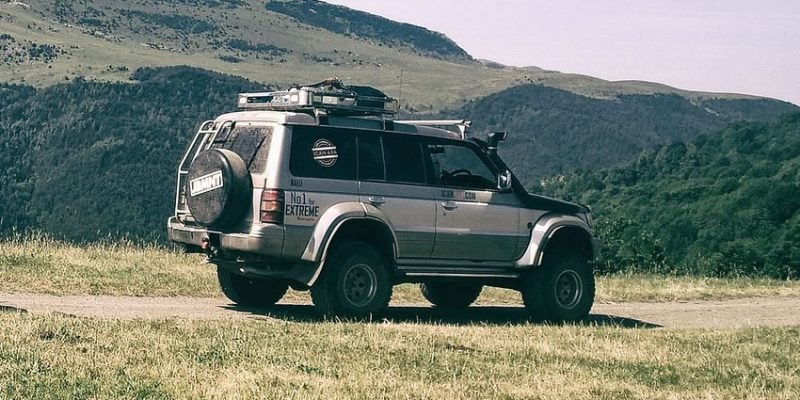
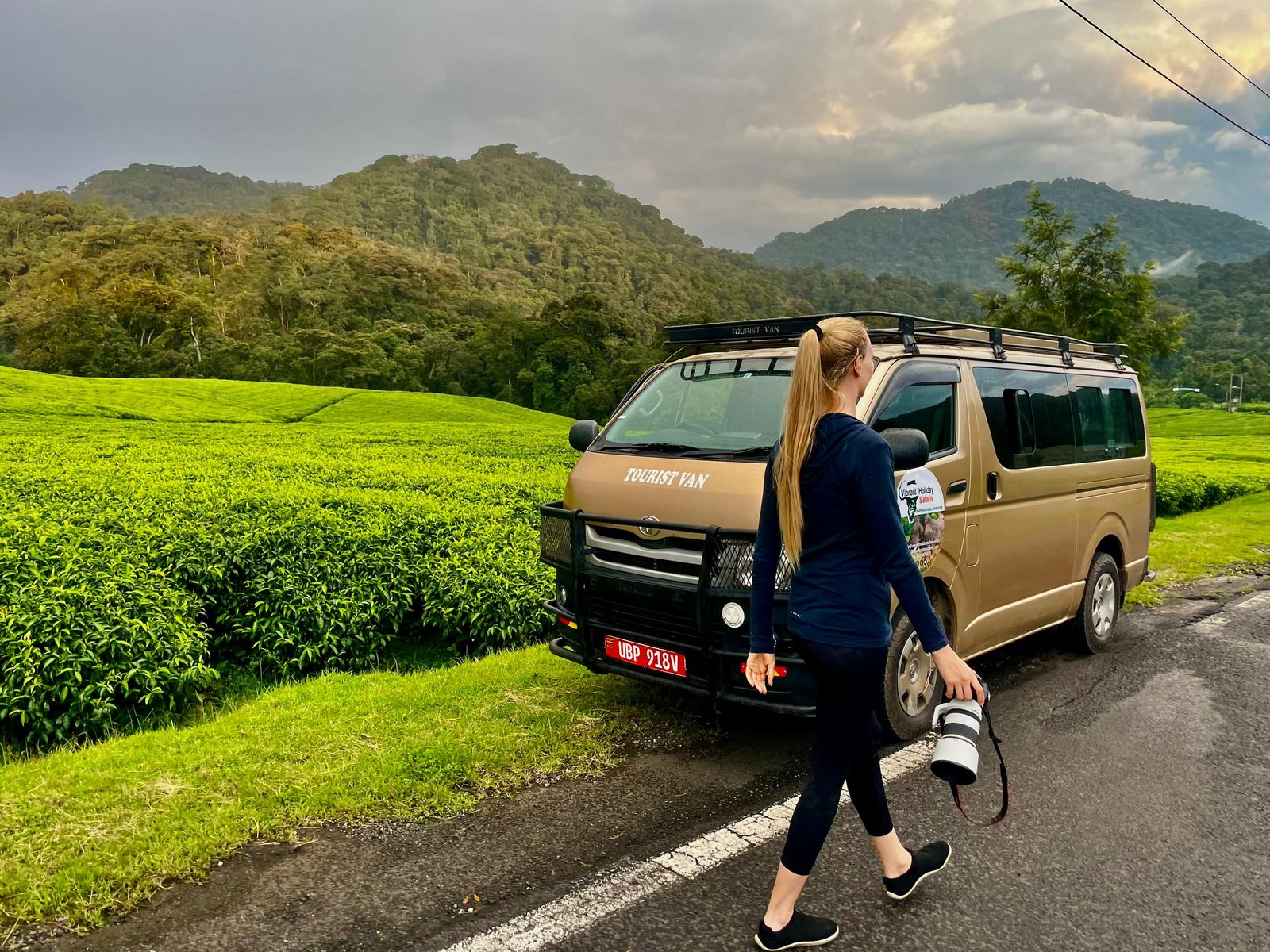
Rwanda is one of the most rewarding countries in East Africa for travellers who want the freedom of exploring by road. Its compact size, spectacular hills, scenic countryside, major paved routes, and concentration of important attractions make independent road travel an exciting way to discover the country. This Self-Drive Rwanda Guide explains what you need to know before hiring a vehicle, planning your route, entering national parks, driving between destinations, and combining a road trip with Rwanda’s famous wildlife experiences.
A self-drive holiday gives you control over your schedule. Instead of following a fixed departure time, you can decide when to leave your hotel, where to stop for photographs, how long to spend at viewpoints, and which towns or attractions deserve additional time. This can be especially rewarding in Rwanda because the journey itself is part of the experience. The country’s roads pass through rolling hills, cultivated landscapes, villages, forests, mountain scenery, and lakeside areas, creating constantly changing views.
Rwanda’s official tourism information states that the country is easy to explore by car, with a well-surfaced road network connecting major towns. It also notes that smaller roads are frequently unsurfaced and can have varying conditions, particularly during the rainy season. This distinction is important when planning a self-drive safari because a route that looks straightforward on a map can become more demanding once you leave the main highways.
Self-Drive Rwanda Guide also allows you to combine Rwanda’s destinations according to your interests. You can spend time in Kigali, drive north towards Musanze and Volcanoes National Park, continue towards Lake Kivu, travel south to Nyungwe, or head east towards Akagera National Park. With careful planning, the road trip itself becomes part of your Rwanda adventure rather than simply a way of moving between hotels.
Which Side of the Road Does Rwanda Drive On?

One of the most important things to understand before starting your road trip is that Rwanda drives on the right-hand side of the road. Rwanda’s new road traffic law, Law No. 014/2026, explicitly states that the driving side for vehicles on the road is the right-hand side.
This is particularly important for travellers arriving from countries such as Uganda, Kenya, or Tanzania, where driving is on the left. The change can take some conscious adjustment, especially when leaving Kigali, entering roundabouts, making turns, or overtaking. Drivers who normally use the left side should take extra care during the first part of the journey.
Rwanda National Police also reminds motorists to keep right, use the left lane for overtaking where applicable, respect road signs, and give priority to vehicles already in a roundabout. Pedestrian rights must also be respected, particularly at marked crossings.
If right-hand traffic is unfamiliar to you, it is sensible to spend some time becoming comfortable with the vehicle before starting a long intercity journey. Take your time, avoid unnecessary overtaking, and concentrate on maintaining the correct road position.
Driving Licence Requirements for Rwanda

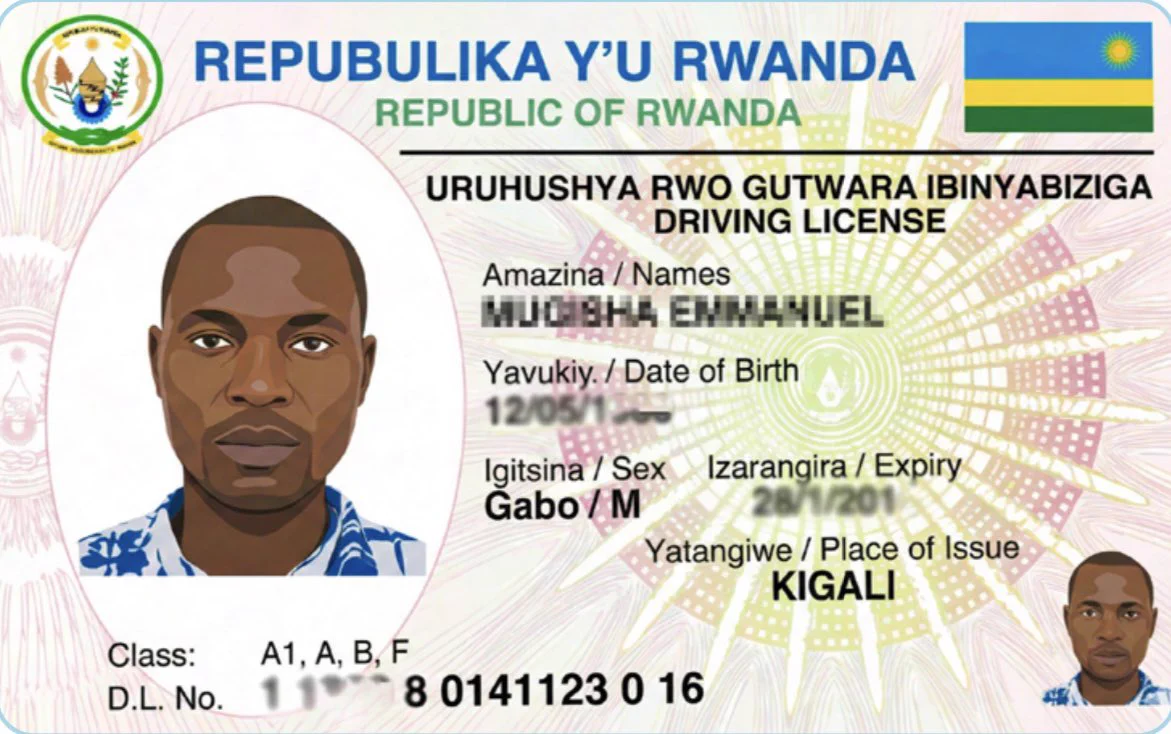
You should travel with a valid driving licence appropriate for the vehicle you intend to drive. Rwanda recognises international driving licences as well as certain national driving licences, but rental companies can impose their own documentation requirements, so you should confirm exactly what your chosen rental provider requires before travelling.
Rwanda National Police states that a driver is required to carry a driving licence, vehicle registration certificate, up-to-date car insurance certificate, and the vehicle’s required documentation.
If your national licence is not in a language accepted by the rental company or authorities, an International Driving Permit may be useful or required by the rental provider. The safest approach is to confirm this before collecting your vehicle rather than discovering a documentation problem at the rental desk.
Drivers who are residents rather than short-term visitors have separate procedures for exchanging a foreign driving licence for a Rwandan licence. Rwanda National Police currently explains that foreign residents can drive using a foreign licence for a defined period before applying for a Rwandan licence, subject to the applicable procedures.
For tourists, the key point is simple: carry the original valid licence and any additional documentation requested by the rental company, and make sure your insurance and rental paperwork are available in the vehicle.
Choosing the Right Vehicle for a Rwanda Self-Drive Trip
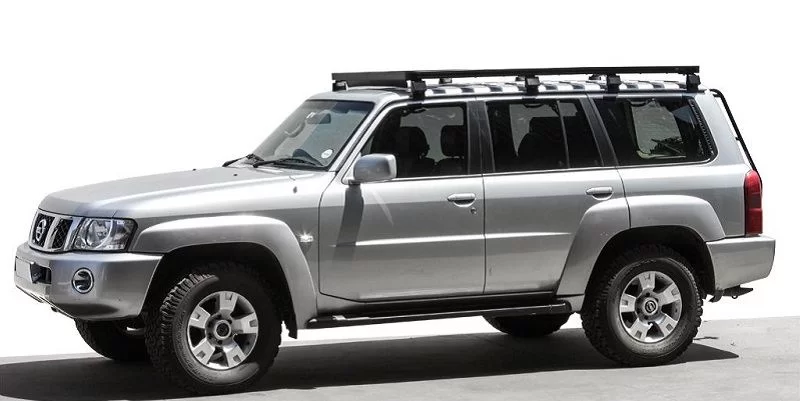
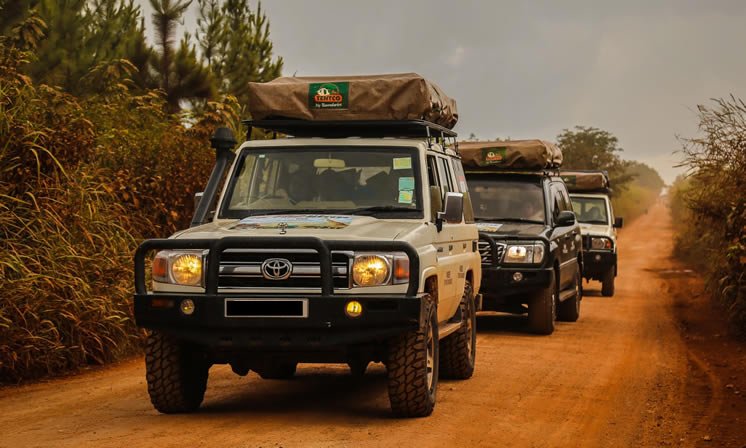
Vehicle selection is one of the most important decisions in a self-drive itinerary. A small vehicle can be perfectly adequate for a road trip concentrated around Kigali and major paved highways, but travellers planning national parks, mountain areas, remote accommodation, or mixed road conditions should consider a suitable SUV or 4×4.
The reason is not that every road in Rwanda requires four-wheel drive. The main road network is generally well surfaced, but smaller roads can be unpaved and conditions can vary. A vehicle with good ground clearance provides greater confidence when you leave the main highways.
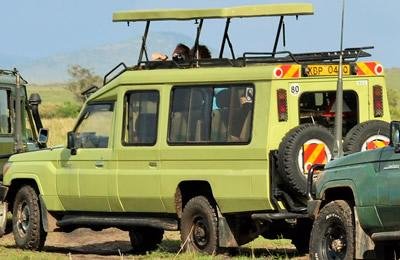
If your itinerary includes Akagera National Park, the type of vehicle should also be considered carefully. Akagera is specifically a vehicle-based safari destination, and the park confirms that visitors can explore by vehicle through either a tour operator or self-drive. The park also recommends using a guide, who can be booked through the park.
For a multi-destination safari involving Volcanoes, Nyungwe, Lake Kivu, and Akagera, a capable SUV or 4×4 is generally the more comfortable choice. Families with significant luggage should also consider passenger and luggage capacity rather than selecting a vehicle based only on its rental price.
The official Visit Rwanda guidance specifically notes that smaller roads can have varying conditions, particularly during rainy periods. A good Self-Drive Rwanda Guide should therefore encourage travellers to build flexibility into every road day.
Driving in Kigali
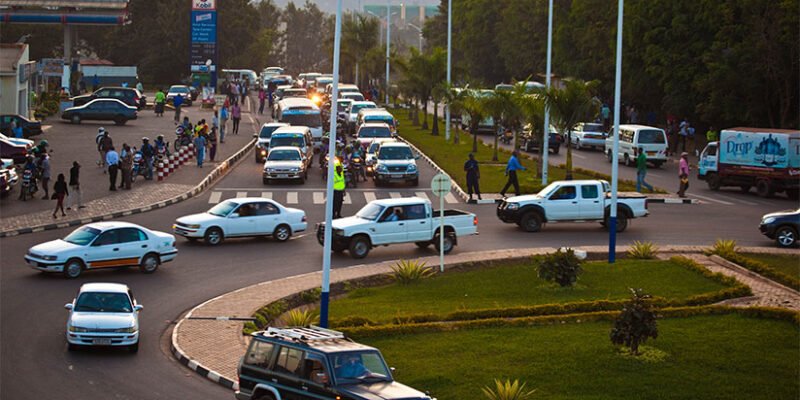
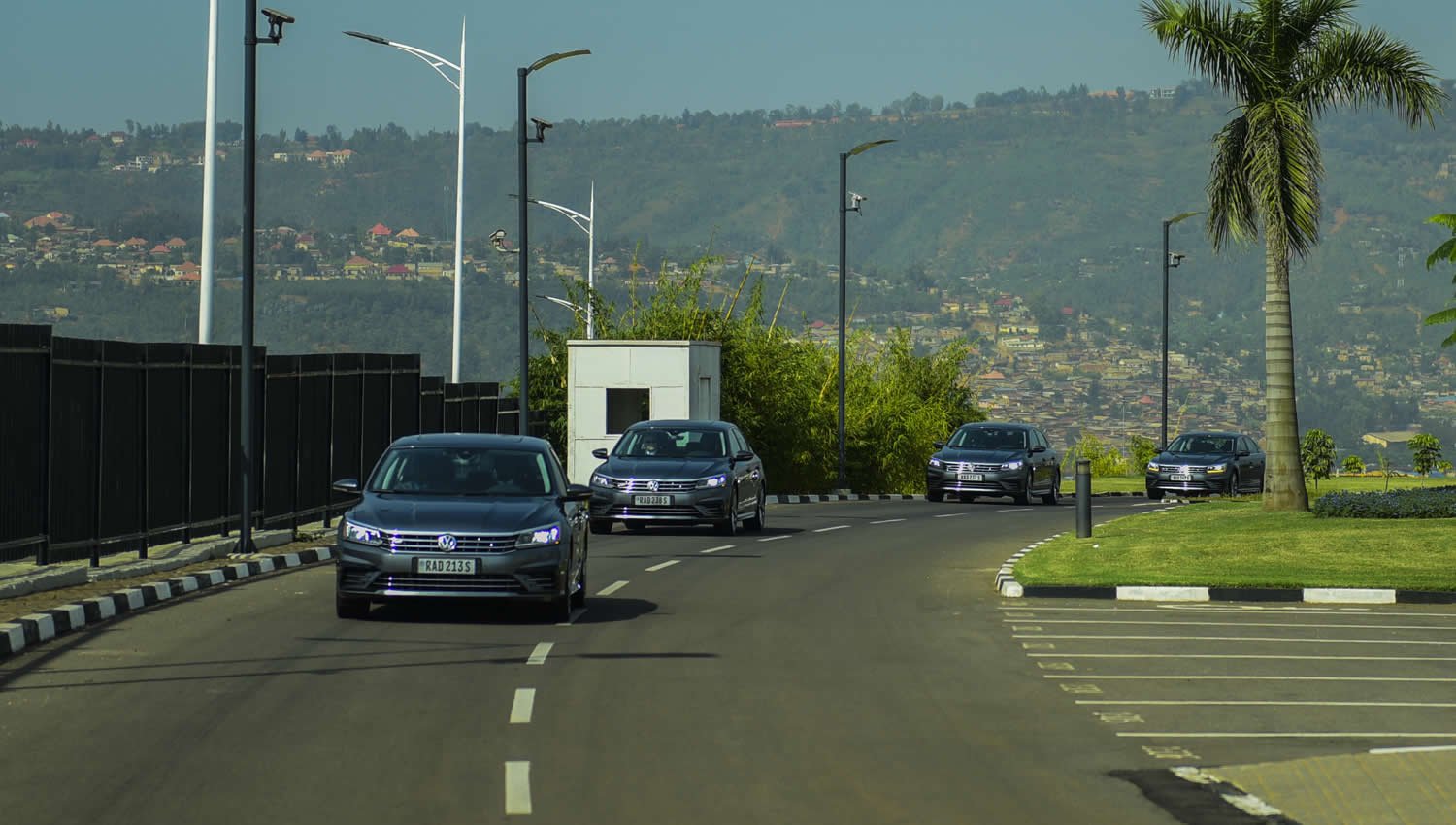
Kigali is generally the easiest place to begin a Self-Drive Rwanda Guide because it introduces you to Rwanda’s traffic environment before you head into rural areas.
The city has organised roads, traffic lights, roundabouts, pedestrians, motorcycles, cyclists, and busy intersections. Drivers unfamiliar with right-hand traffic should take extra care when navigating the first few roundabouts and junctions.
Avoid becoming distracted by navigation applications while driving. Set your route before moving, use a passenger to help with navigation where possible, and pull over safely if you need to study the map.
Rwanda National Police actively enforces traffic rules, including rules concerning speed, seatbelts, mobile-phone use, pedestrian crossings, and other road-safety requirements.
Kigali can therefore be an excellent place to collect your rental vehicle, inspect it carefully, and become comfortable with the driving position before beginning your longer road trip.
Rwanda Road Safety Rules You Should Know
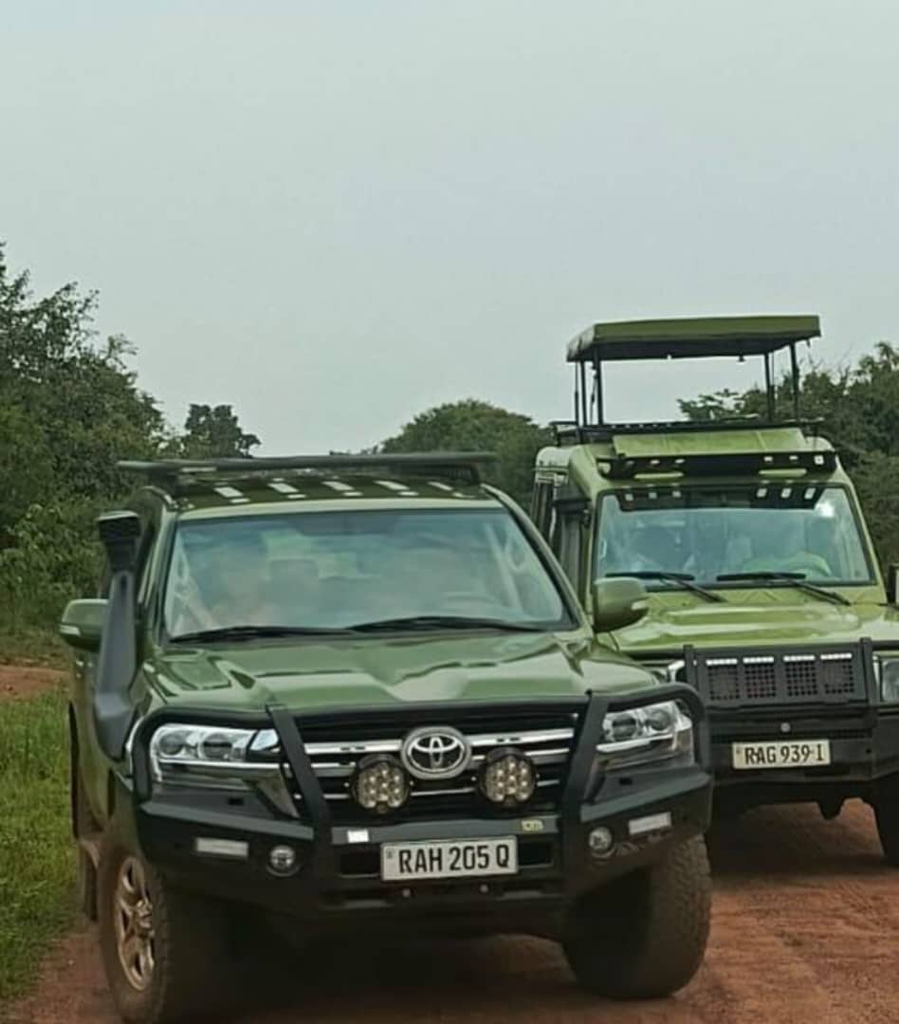
Road safety should be the first priority on every self-drive journey. Rwanda National Police advises drivers to avoid using phones while driving, avoid drunk driving, obey speed limits, respect pedestrians, wear seatbelts, and avoid dangerous manoeuvres.
Speed enforcement is also supported by cameras. Rwanda National Police explains that camera-detected tickets can apply to speeding and red-light offences, with notices linked to vehicle registration information.
This means you should not assume that a quiet road allows you to drive faster than the posted limit. Always follow the signs applicable to the road you are using.
Seatbelts should be worn by everyone in the vehicle, and children should be properly seated rather than standing or moving around while the vehicle is travelling. Mobile-phone use while driving should be avoided.
Pedestrians, cyclists, motorcycles, and other road users share the roads, particularly outside major urban areas. Slow down near settlements, schools, markets, crossings, and busy roadside areas.
Driving at Night in Rwanda
Where possible, plan your self-drive itinerary so that the majority of longer journeys take place during daylight.
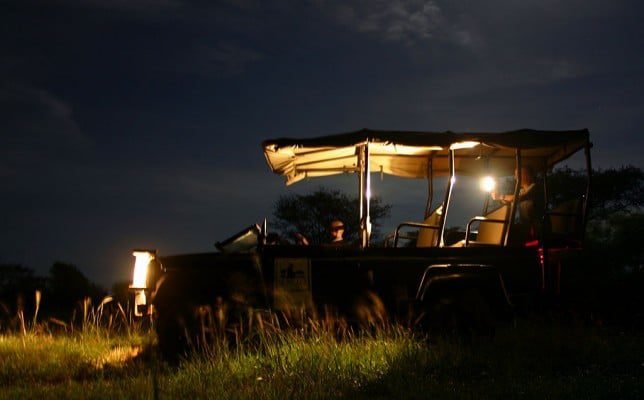
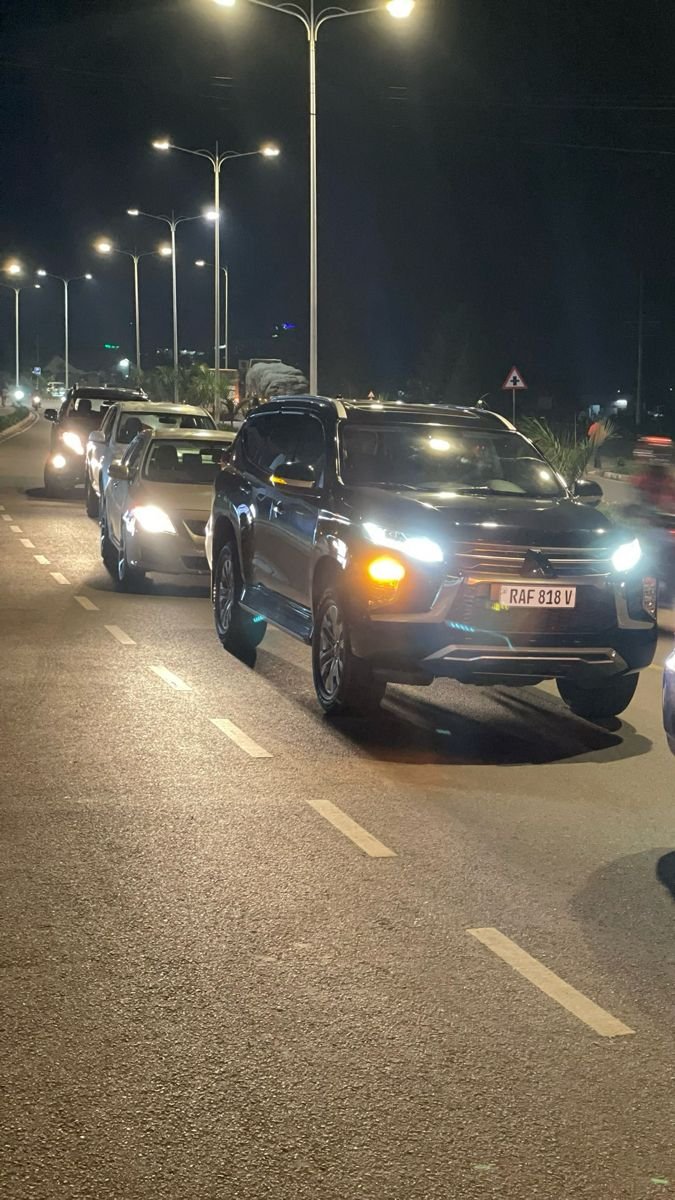
Night driving can be more challenging because rural roads may have limited lighting and pedestrians, cyclists, motorcycles, animals, and other hazards can be harder to see. Mountain roads can also become more demanding when visibility is reduced.
For this reason, it is wise to leave accommodation early enough to reach your next destination comfortably before darkness. This is particularly important when driving towards remote lodges or unfamiliar rural areas.
A Self-Drive Rwanda Guide itinerary should therefore not be built around the assumption that you can drive long distances late into the evening whenever necessary. A slower, daylight-focused approach is safer and usually more enjoyable because you can actually appreciate Rwanda’s scenery along the way.
Self-Driving to Volcanoes National Park
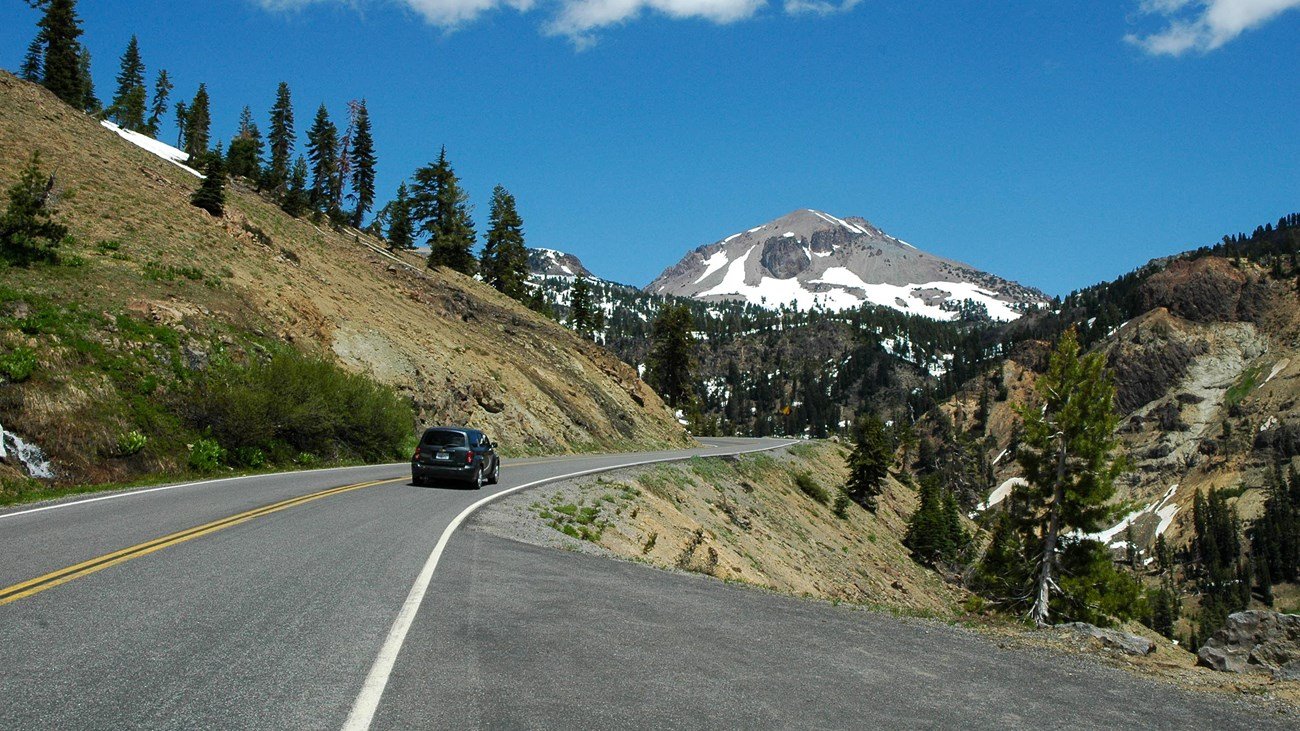
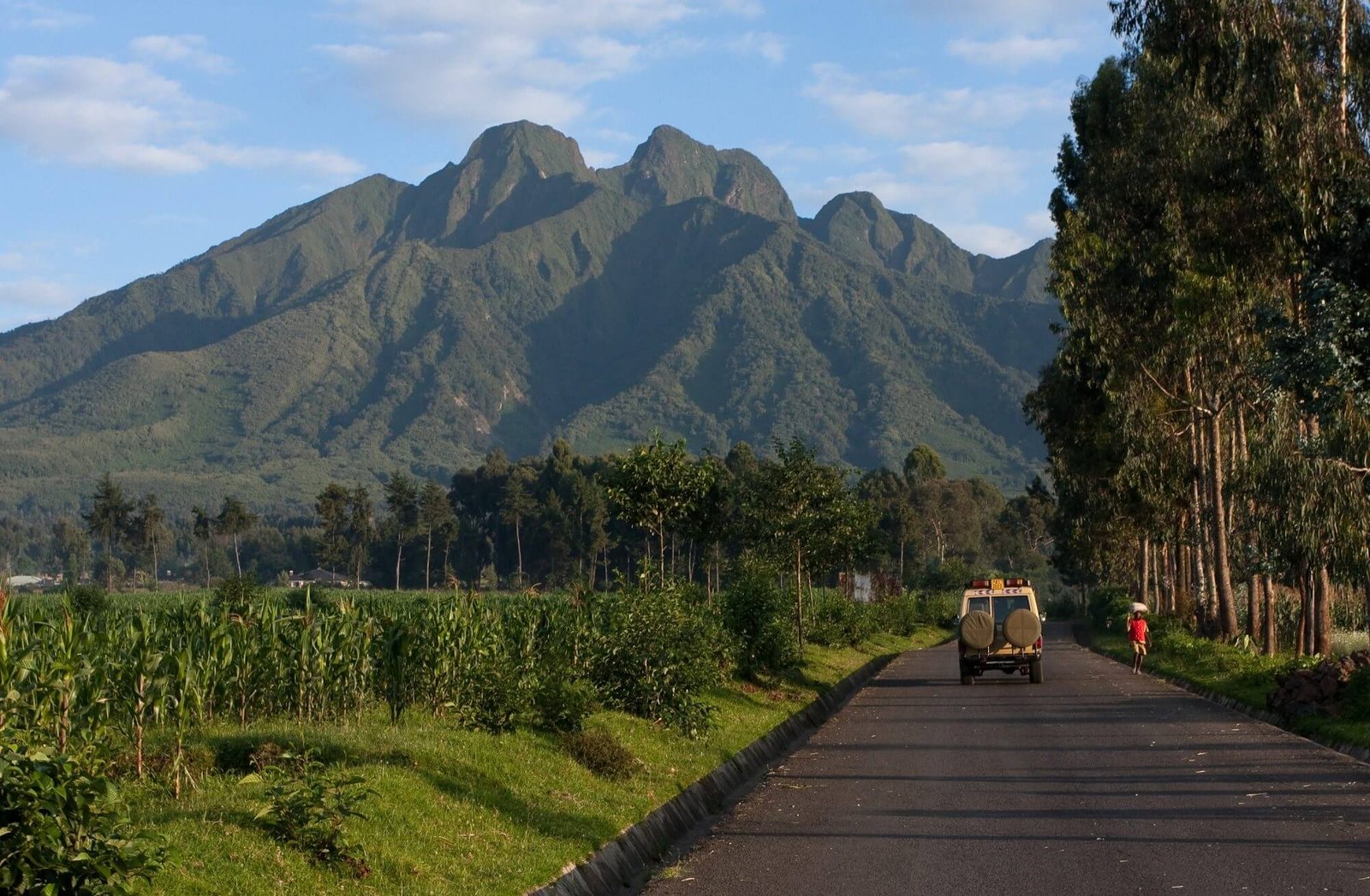
Volcanoes National Park is one of Rwanda’s most important destinations for self-drive travellers because the journey from Kigali towards Musanze takes you through some of the country’s most scenic landscapes.
Rwanda’s official gorilla booking information explains that travellers can reach Musanze from Kigali by private car or public transport, then continue to Kinigi, where gorilla trekking activities begin. It also states that trekkers must report for briefing at the relevant offices in Kinigi at 7:00 AM on the scheduled trekking day.
This makes planning particularly important for self-drivers. If you are trekking the following morning, staying close enough to Kinigi to arrive comfortably for the early briefing is preferable to attempting a long drive on the morning of your trek.
Self-Drive Rwanda guide to the region does not mean self-guiding the gorilla trek. Gorilla tracking is a regulated, guided conservation experience, and visitors must follow the applicable permit, guide, and park requirements.
Gorilla Trekking and Self-Drive Rwanda
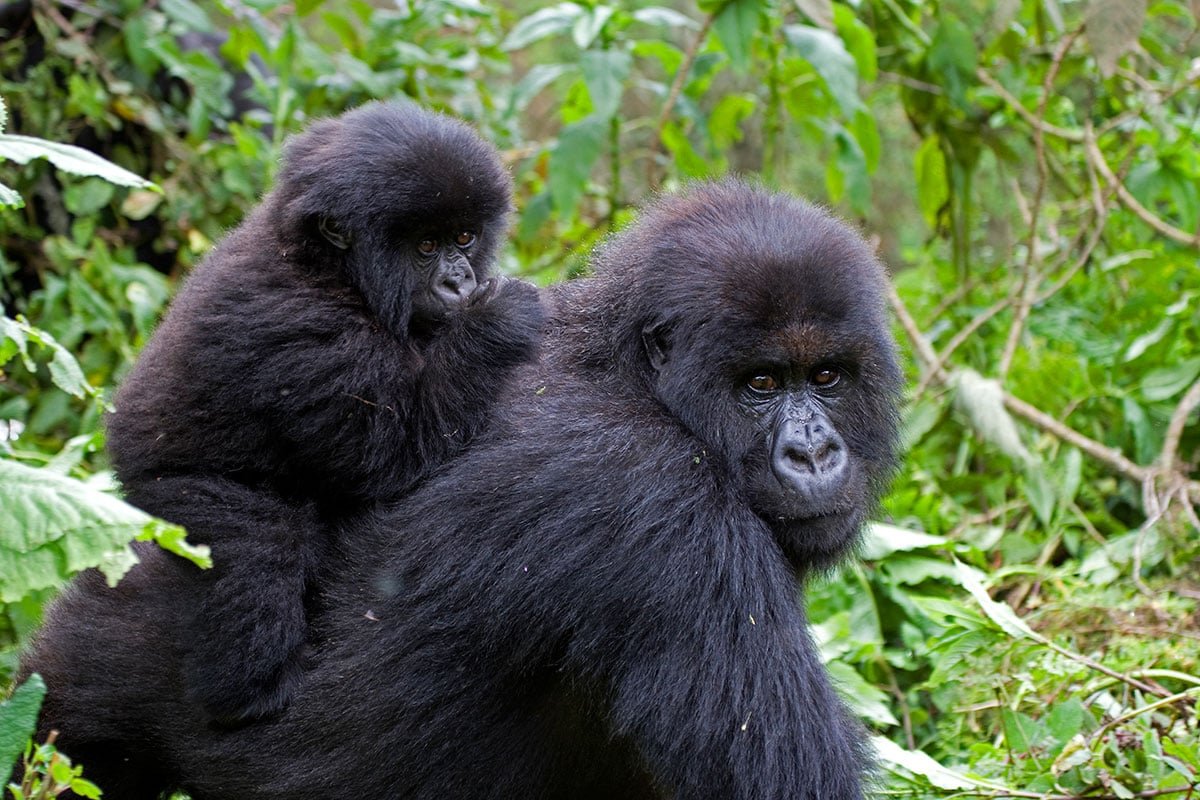
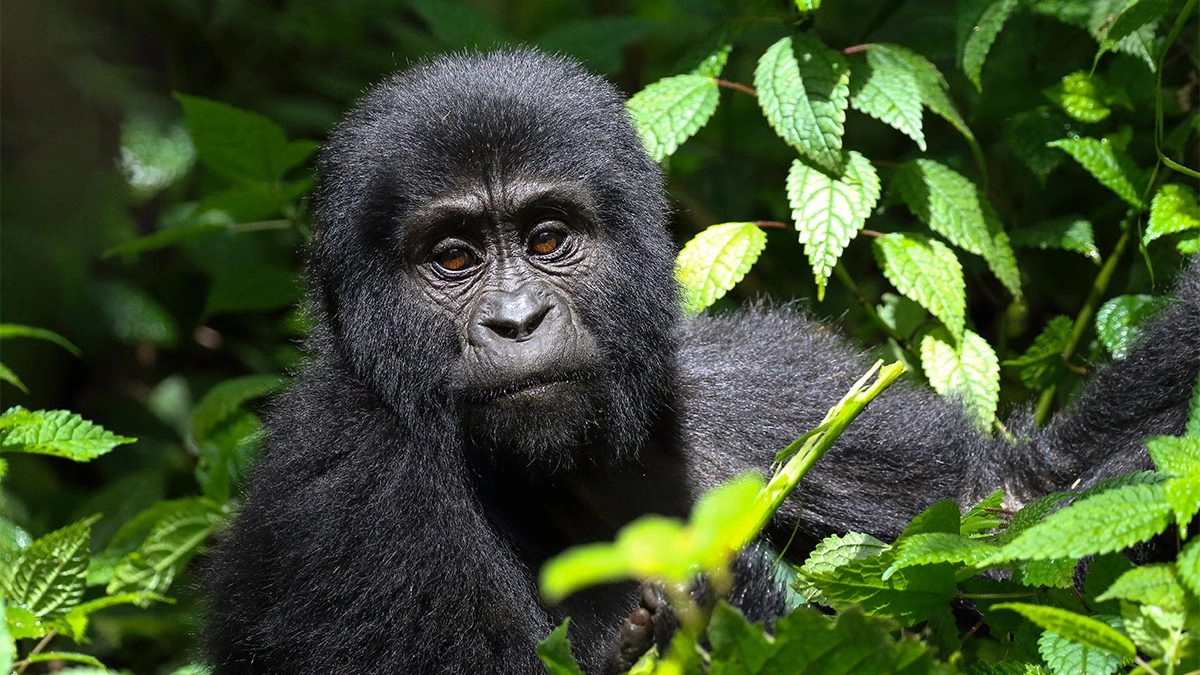
You can combine a self-drive road trip with gorilla trekking, but the two experiences should be planned separately.
Your rental vehicle gets you to the relevant area, while the gorilla experience itself is conducted under the national park’s established procedures. Rwanda’s current official booking information lists the minimum age for gorilla tracking as 15 years, and the foreign visitor permit is currently listed at US$1,500.
The official information also states that gorilla tracking bookings can be made in advance and are handled on a first-come, first-served basis.
For self-drivers, this means the gorilla permit date should influence your entire route. Do not simply rent a vehicle first and decide when to trek later. Establish your gorilla trekking date, reserve accommodation near the park, and then build the road itinerary around those fixed arrangements.
This is especially important during popular travel periods when accommodation and permits can become limited.
Self-Driving in Akagera National Park

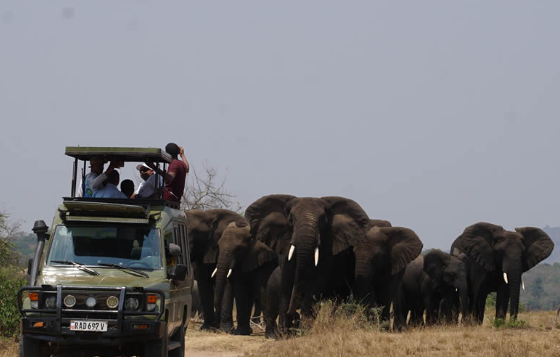
Akagera is arguably the most straightforward national park to incorporate into a self-drive safari because the park explicitly permits visitors to explore by vehicle through either a tour operator or self-drive.
The park contains savannah, woodland, wetlands, and lakes and supports elephants, buffaloes, giraffes, zebras, antelopes, lions, rhinos, hippos, and a large variety of birds.
Although independent driving is possible, the park recommends taking a guide. This is particularly valuable for first-time visitors because a knowledgeable guide can help identify wildlife, understand the park’s roads, and improve the overall safari experience.
A Self-Drive Rwanda Guide should never treat the national park like an ordinary public road. Wildlife has priority, and drivers should follow park regulations, remain alert, respect viewing distances, and avoid reckless driving.
Game Drives and Boat Safaris in Akagera


A self-drive itinerary can combine independent vehicle exploration with a boat experience on Lake Ihema.
The boat experience provides a different perspective from a game drive and can offer opportunities to see hippos, Nile crocodiles, waterbirds, and other wildlife around the lake. Official Visit Rwanda information identifies the boat experience as one of Akagera’s major attractions.
This combination is particularly useful for travellers who want independence without attempting to organise every activity themselves. You can drive around the park independently while using the park’s organised activities where they add value.
For wildlife photography, the combination can also produce a broader range of subjects and landscapes.
Self-Driving to Nyungwe National Park
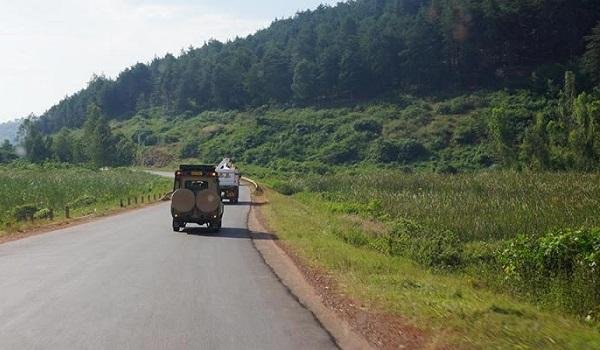

Nyungwe National Park is another important destination for a Rwanda road trip, particularly for travellers interested in chimpanzees, primates, rainforest, birdwatching, hiking, and the canopy walkway.
The route towards Nyungwe takes you through southern Rwanda and offers a very different landscape from the volcanic north and savannah east.
Because Nyungwe is a rainforest environment, weather can change and roads around the wider region can become more challenging during wet conditions. Travellers should therefore avoid planning extremely tight schedules around forest activities.
If chimpanzee trekking is important, arrange the activity before finalising your accommodation and driving schedule. Like gorilla trekking, chimpanzee experiences involve specific reporting arrangements and should not be treated as spontaneous roadside activities.
Lake Kivu on a Rwanda Road Trip

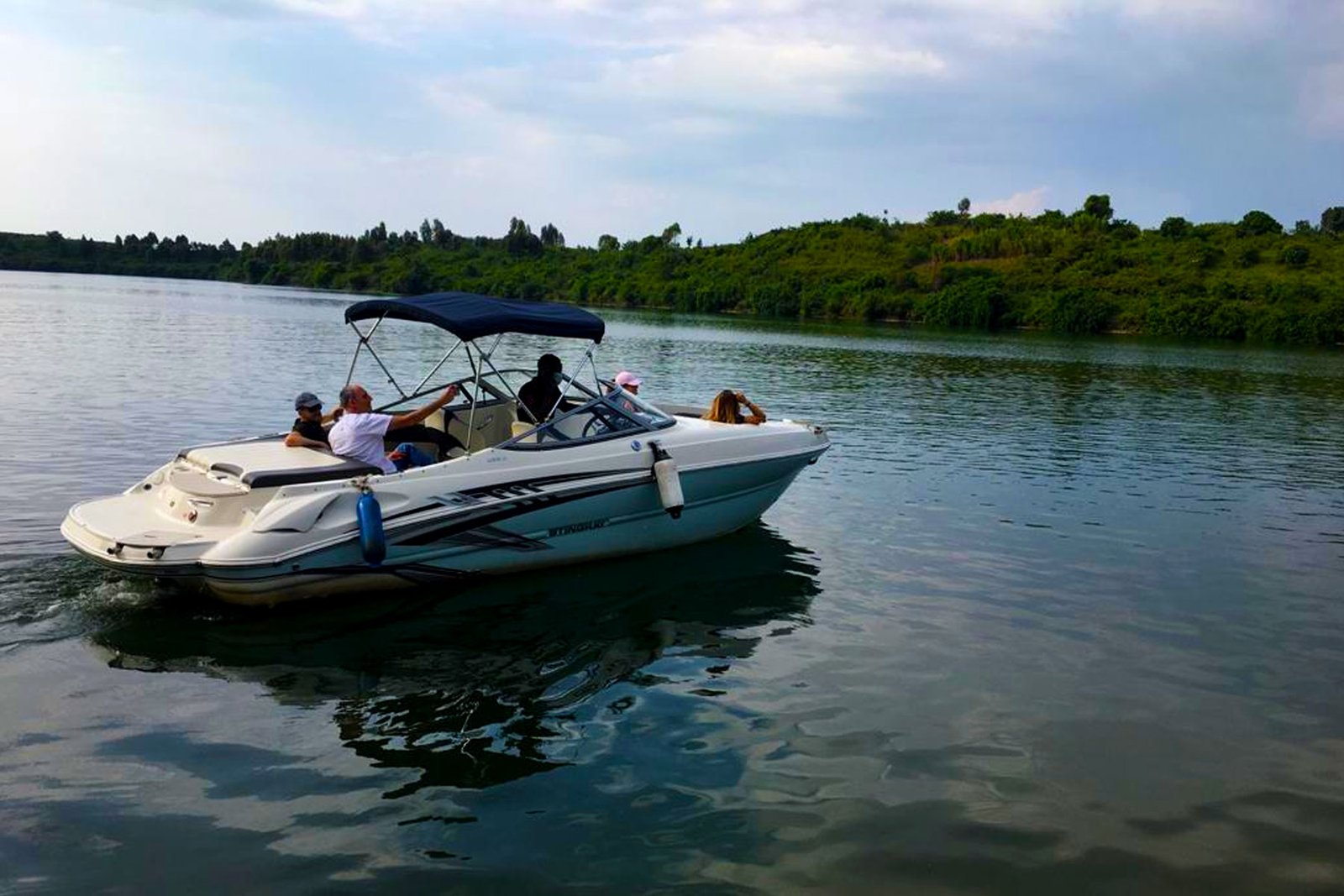
Lake Kivu is one of the best destinations to add to a self-drive circuit because it breaks up longer journeys and introduces a slower, more relaxing side of Rwanda.
You can travel towards Rubavu or Karongi and spend several nights beside the lake before continuing your road trip. The surrounding hills, water, villages, and scenic viewpoints provide excellent opportunities for photography and exploration.
Lake Kivu is particularly useful after gorilla trekking because it gives you time to recover before continuing towards another destination.
A self-drive itinerary can also be more flexible around the lake because you can stop at viewpoints, towns, and other suitable locations along the route rather than simply travelling directly from one hotel to another.
Kigali to Volcanoes National Park by Self-Drive
The road from Kigali towards Musanze and Volcanoes National Park is one of the most popular self-drive routes in Rwanda. Official Rwanda tourism information describes the country as easy to explore by car and highlights the scenic road network linking major destinations.
The journey is about more than reaching the park. The changing hills and countryside make the drive part of the holiday.
If you are planning a gorilla trek, however, do not make the mistake of arriving in the region immediately before an early morning trek if your journey schedule is tight. Staying near the park headquarters the night before provides greater peace of mind.
A self-drive trip should always prioritise comfortable arrival over squeezing additional sightseeing into the same day.
Kigali to Nyungwe by Self-Drive
The journey from Kigali towards Nyungwe is longer than the route to Volcanoes or Akagera, so it deserves more careful planning.
Rather than treating the drive as something to complete as quickly as possible, consider incorporating a stop along the southern route if your schedule allows. This can reduce fatigue and give you the opportunity to experience more of Rwanda beyond the major national parks.
If your primary purpose is chimpanzee trekking, arrive with enough time to rest before the activity. Forest trekking can be physically demanding, and you do not want to begin after an exhausting road journey.
For a comprehensive self-drive circuit, Nyungwe can be combined with Lake Kivu before continuing north or returning towards Kigali.
A Classic Rwanda Self-Drive Circuit
A well-balanced road trip can begin in Kigali, continue east to Akagera, return towards the central region, then travel north to Volcanoes before continuing towards Lake Kivu and eventually Nyungwe.
Another option is to concentrate on the northern and western circuit by combining Kigali, Volcanoes, Lake Kivu, and Nyungwe. This route is particularly attractive to travellers focused on primates, forests, mountains, and scenic landscapes.
If wildlife is the priority, Kigali and Akagera can form the foundation of the trip, with Volcanoes added for gorilla trekking.
There is no single perfect self-drive route. The right circuit depends on how many days you have, whether gorilla or chimpanzee trekking is included, the type of vehicle you rent, and how much time you want to spend driving each day.
How Many Days Do You Need for a Self-Drive Rwanda Trip?
A short road trip can concentrate on Kigali, Akagera, or Volcanoes. A longer trip gives you enough time to combine several destinations without rushing.
If you want gorillas, traditional wildlife, chimpanzees, and Lake Kivu, a longer itinerary is strongly preferable because each experience requires time and the road journeys themselves take part of the day.
Trying to complete too many destinations in a short period can turn a self-drive holiday into a transport schedule. You may spend more time watching the road clock than appreciating Rwanda.
A good Self-Drive Rwanda Guide should therefore prioritise quality over quantity. It is better to enjoy three destinations properly than to drive through five without having enough time to experience them.
Self-Drive Rwanda for Families
Self-driving can work well for families because parents have greater control over departure times, meal breaks, rest stops, and the daily pace.
Families can stop when children become tired and can adapt the itinerary according to their needs. This flexibility can be particularly useful when travelling with younger children.
However, families should select accommodation and vehicles carefully. Adequate luggage space, comfortable seating, and reasonable daily driving times can make a significant difference.
Akagera can be particularly enjoyable for families because wildlife viewing takes place by vehicle. Lake Kivu can then provide a relaxing break between safari activities.
Families considering gorilla trekking should also remember that Rwanda’s current minimum age for mountain gorilla tracking is 15 years.
Self-Drive Rwanda for Couples


Couples can enjoy a self-drive holiday because it provides privacy and flexibility. You can choose scenic stops, spend longer at places you enjoy, and build quiet evenings into the itinerary.
A romantic road trip can combine Kigali, Volcanoes, Lake Kivu, and Akagera. Gorilla trekking can provide the adventure element, while Lake Kivu offers a slower environment for relaxation.
Couples who prefer luxury can choose premium accommodation and use self-drive for selected portions of the journey. Another option is to combine self-drive with private transfers or domestic flights where appropriate.
The key is to avoid creating an itinerary that requires several hours of driving every day. Romance is easier to enjoy when there is enough time to relax.
Self-Drive Rwanda for Photographers
Rwanda is particularly rewarding for photographers because the road itself provides numerous landscape opportunities.
The hills around Kigali and the northern countryside provide broad landscape views, while Volcanoes offers dramatic volcanic scenery. Akagera provides wildlife photography, and Nyungwe offers rainforest and primate photography.
A self-drive trip gives photographers the freedom to stop at suitable viewpoints where it is safe and legal to do so.
However, photography should never compromise road safety. Pull completely off the road before taking photographs, avoid stopping on blind corners, and never attempt to photograph while driving.
For gorilla trekking, follow all park photography rules. Rwanda’s official gorilla guidance permits photography but prohibits flash photography.
Self-Drive Rwanda for Birdwatchers
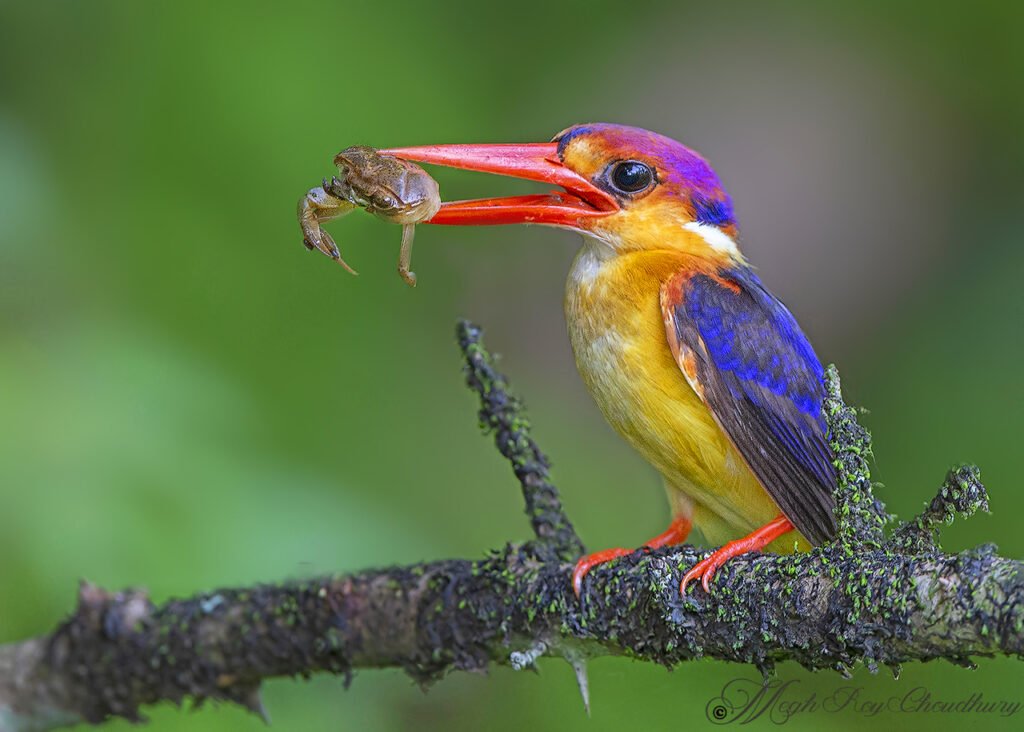
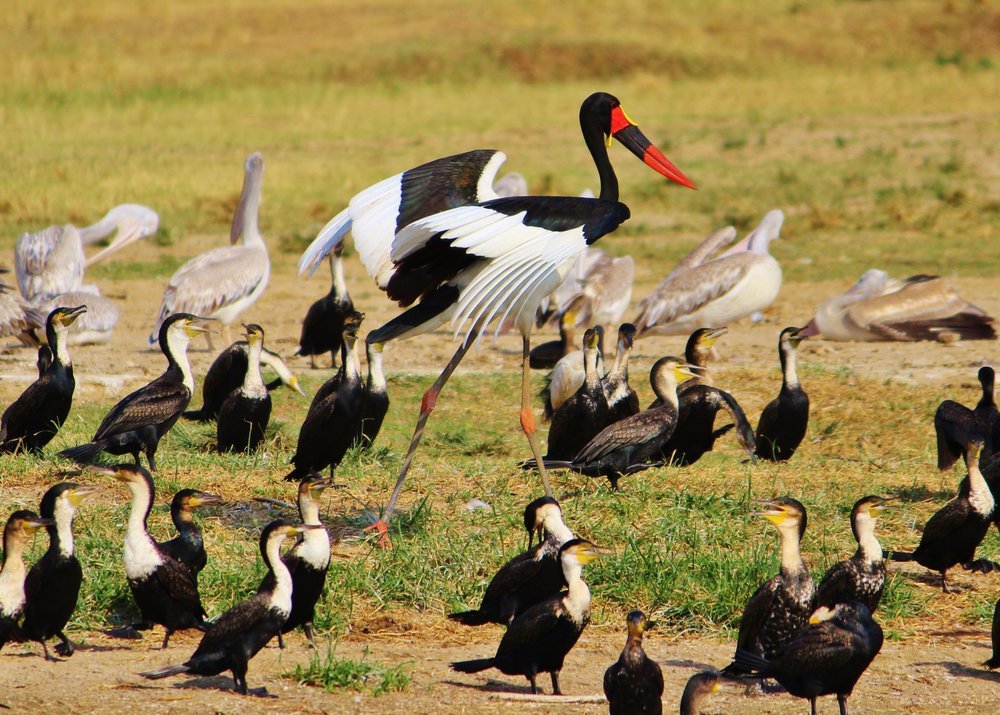
Birdwatchers can also benefit from self-drive because Rwanda contains several different habitats within a relatively small country.
Akagera offers wetlands, lakes, woodland, and savannah, while Nyungwe provides forest birding. Volcanoes adds montane habitats, creating a varied birding circuit.
Self-driving allows birders to spend additional time at appropriate locations instead of following a rigid group schedule.
For serious birders, however, a local specialist guide can add considerable value. Knowing where to look and recognising calls can make the difference between driving past an area and actually finding the species you came to see.
A hybrid approach can therefore work very well: self-drive between destinations while arranging specialist guides for specific birding activities.
Self-Drive and Accommodation Check-In Times


When planning a road trip, do not assume that you can arrive at every lodge at any hour.
Remote properties may have specific arrival procedures, and reaching an unfamiliar lodge after dark can be inconvenient or unsafe.
Contact the accommodation in advance when your route is likely to result in a late arrival. If necessary, adjust the itinerary so that you reach the property during daylight.
This is particularly important when travelling during rainy periods or when the final section of the route is unpaved.
A self-drive holiday becomes much more enjoyable when every day’s destination is realistic rather than based purely on the number of kilometres shown on a map.
What to Pack for a Self-Drive Rwanda Road Trip


Packing for a self-drive safari should combine ordinary travel essentials with items useful for road travel.
Comfortable clothing, sturdy walking shoes, a lightweight waterproof jacket, sun protection, personal medication, a reusable water bottle, and a small daypack are useful throughout the trip.
For national park visits, binoculars and a camera can greatly enhance the experience. For gorilla or chimpanzee trekking, appropriate hiking footwear and rain protection are particularly important.
Keep important documents easily accessible rather than buried inside your luggage. Your passport, driving licence, rental documents, insurance information, accommodation details, and emergency contacts should be available whenever you are driving.
If you are travelling with children, include the items they need during longer road journeys rather than packing everything into the luggage compartment.
Is Self-Drive Cheaper Than a Guided Safari?
Self-drive Rwanda guide can sometimes reduce transportation costs because you are not paying separately for a driver-guide for every day of the journey. However, it should not automatically be assumed to be cheaper.
Your overall cost includes vehicle rental, fuel, insurance, park access, accommodation, activities, possible guide services, parking, and other travel expenses.
For some travellers, the value of a guided safari comes from the convenience, local knowledge, wildlife expertise, and reduced driving responsibility.
For others, the freedom of self-drive is worth the additional planning.
The best comparison is therefore not simply the daily rental price. Compare the complete cost and the type of experience you want.
Self-Drive Versus a Car With a Driver
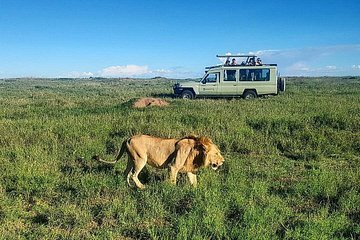
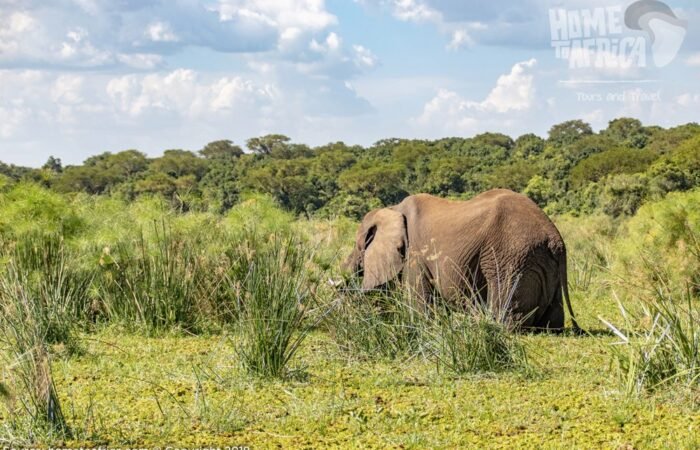
The decision between self-drive and chauffeur-driven travel depends mainly on confidence, convenience, and the type of route you are planning.
Self-Drive Rwanda Guide is ideal if you enjoy driving, want independence, and are comfortable navigating unfamiliar roads.
A driver-guide is particularly attractive if you want to focus on scenery and wildlife instead of road navigation. It can also be useful on more demanding mountain routes or when your itinerary involves multiple national parks.
A hybrid arrangement can also work. You might self-drive around Kigali and Lake Kivu but use a driver-guide for a wildlife-focused section or arrange a guide for Akagera activities.
There is no need to choose one format for the entire holiday if a combination better suits your plans.
Cross-Border Self-Drive From Rwanda
Travellers considering combining Rwanda with Uganda, Tanzania, Kenya, or the Democratic Republic of Congo should not assume that an ordinary rental agreement automatically permits cross-border travel.
Cross-border vehicle use requires additional documentation and may involve insurance, authorisation, border, and rental-company conditions.
Before booking a vehicle, tell the rental company about every country you intend to enter. Do not wait until you reach the border to ask for permission.
The same principle applies if you are entering Rwanda with a vehicle rented or registered in another country. Border procedures and vehicle documentation should be confirmed before departure.
For travellers planning a multi-country safari, a professional safari operator can sometimes make the logistics considerably easier.
Responsible Self-Drive Tourism in Rwanda
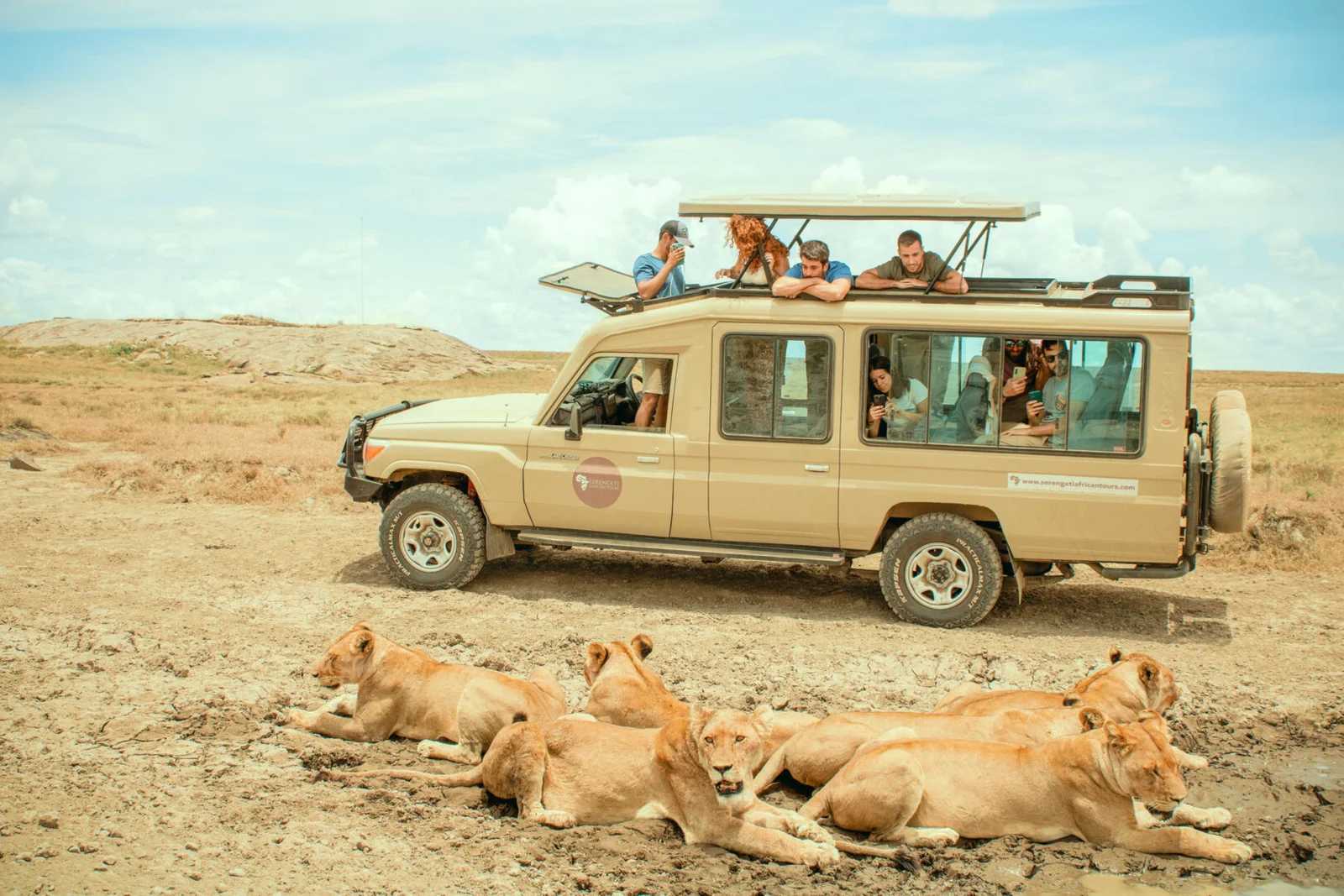

Self-driving gives you freedom, but it also gives you responsibility.
Respect wildlife and never leave your vehicle in prohibited areas or approach animals unnecessarily. Do not litter, avoid damaging vegetation, and respect local communities when stopping for photographs.
When passing through villages, reduce speed and be considerate of pedestrians and cyclists.
Support local businesses where appropriate by using local accommodation, restaurants, guides, craft producers, and community experiences.
Rwanda has invested heavily in conservation and tourism, and responsible behaviour by visitors helps protect the destinations that make the country special.
Best Time for a Self-Drive Rwanda Safari
Rwanda can be explored throughout the year, but road conditions vary seasonally.
The drier periods can be attractive for travellers who want generally easier road conditions, while wetter periods can provide lush landscapes and dramatic scenery. The trade-off is that smaller roads can become more challenging when rain affects them.
Your choice should therefore depend on your route rather than simply searching for one universally perfect month.
If your journey includes remote roads, national parks, or mountain areas, ask about current road conditions before departure.
Why Book Your Self-Drive Rwanda Safari With Rwanda Family Tours?
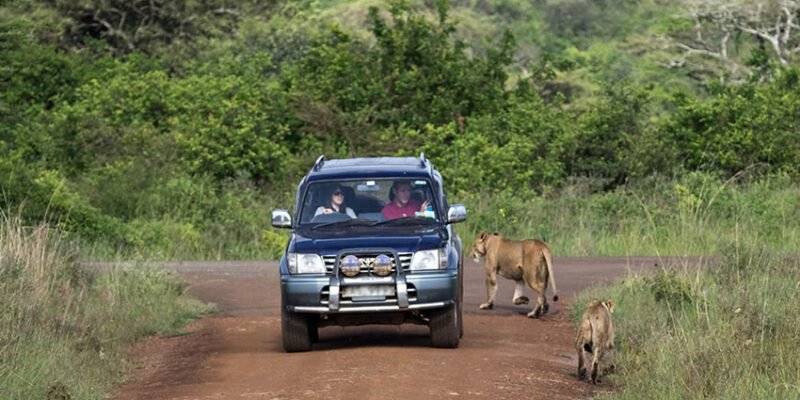
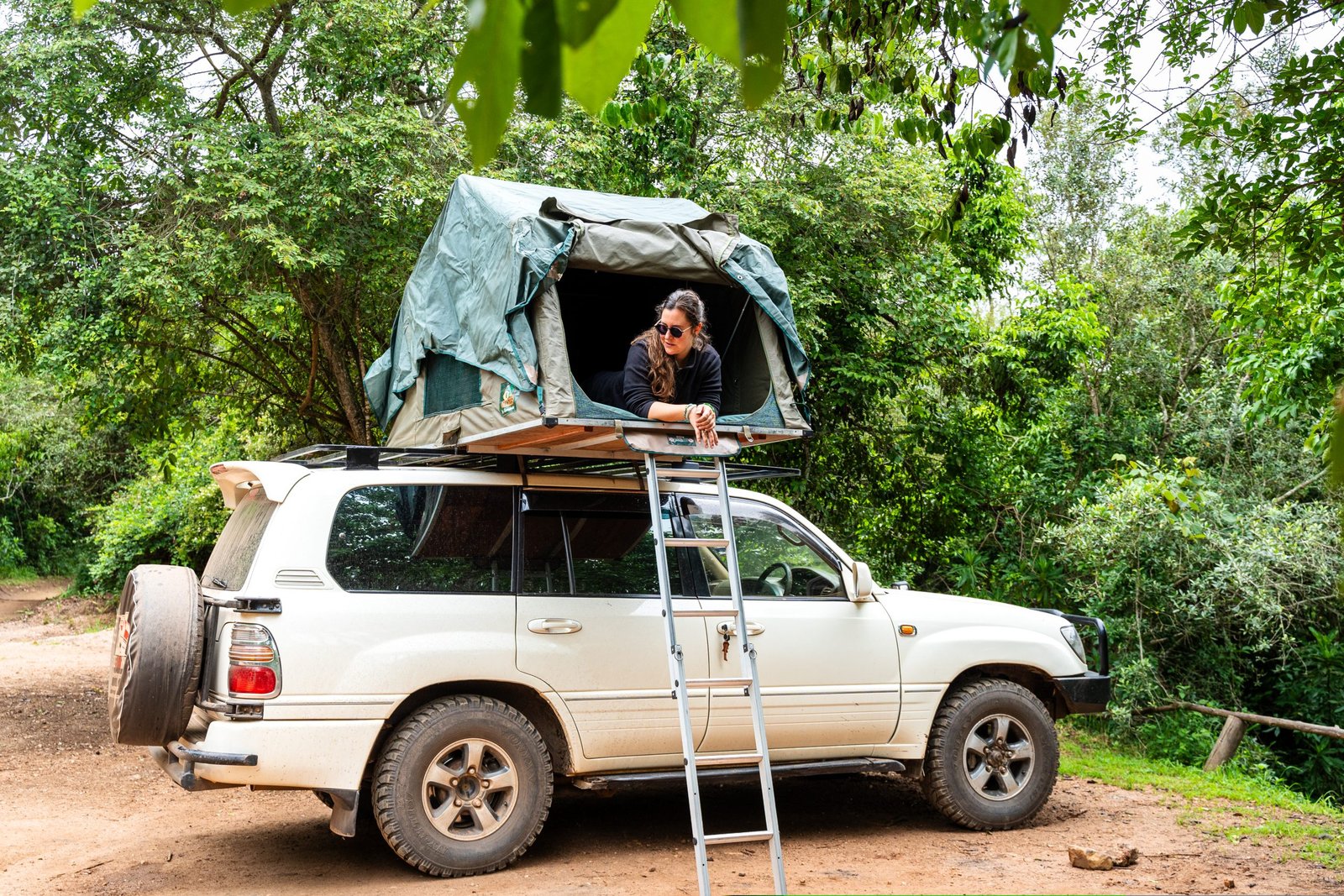
A self-drive safari does not mean you have to plan everything alone. Rwanda Family Tours can help you design the route, select suitable accommodation, coordinate park activities, and structure the journey around your interests while allowing you to remain behind the wheel.
We can help you determine whether self-drive is suitable for your itinerary and recommend when a driver-guide or specialist guide would add value.
We can also design family road trips, romantic self-drive holidays, wildlife-focused journeys, photography itineraries, birding circuits, gorilla trekking road trips, and longer Rwanda adventures combining several destinations.
The objective is to give you the freedom of self-drive without leaving the important logistics to chance.
Frequently Asked Questions About the Self-Drive Rwanda Guide.
1. Is self-driving in Rwanda safe for first-time visitors?
Yes, self-driving can be suitable for confident drivers who are comfortable navigating unfamiliar roads. Rwanda has a well-developed main road network, although rural and smaller roads can have different conditions. Drivers should follow local traffic rules, drive cautiously, avoid unnecessary night driving, and allow extra time on mountainous or unpaved routes.
2. Which side of the road do you drive on in Rwanda?
Rwanda drives on the right-hand side of the road. This is particularly important for travellers arriving from countries where vehicles drive on the left. You should take time to become familiar with the vehicle and pay close attention at roundabouts, intersections, and when making turns.
3. Can I combine self-driving with gorilla trekking in Rwanda?
Yes. You can drive yourself to the Volcanoes National Park area and arrange a guided gorilla trekking experience separately. Gorilla trekking requires a valid permit and must follow the park’s regulations. Rwanda currently requires trekkers to be at least 15 years old, so families should consider this requirement when planning their trip.
4. Do I need a 4×4 for a self-drive Rwanda safari?
A 4×4 is not necessary for every Rwanda road trip because many major roads are paved and well maintained. However, an SUV or 4×4 can provide greater comfort and confidence when travelling on rural roads, visiting national parks, or driving during wetter conditions. Your vehicle should be selected according to your planned route, season, and driving experience.
5. How can I book a self-drive Rwanda safari with Rwanda Family Tours?
To book a Self-Drive Rwanda Guide, provide your preferred travel dates, number of travellers, intended destinations, accommodation preferences, vehicle requirements, and activities you want to experience. Rwanda Family Tours can help organise your itinerary, accommodation, park activities, gorilla or chimpanzee experiences, and other arrangements while allowing you to enjoy the freedom of driving yourself.
Book Your Self-Drive Rwanda Safari Today
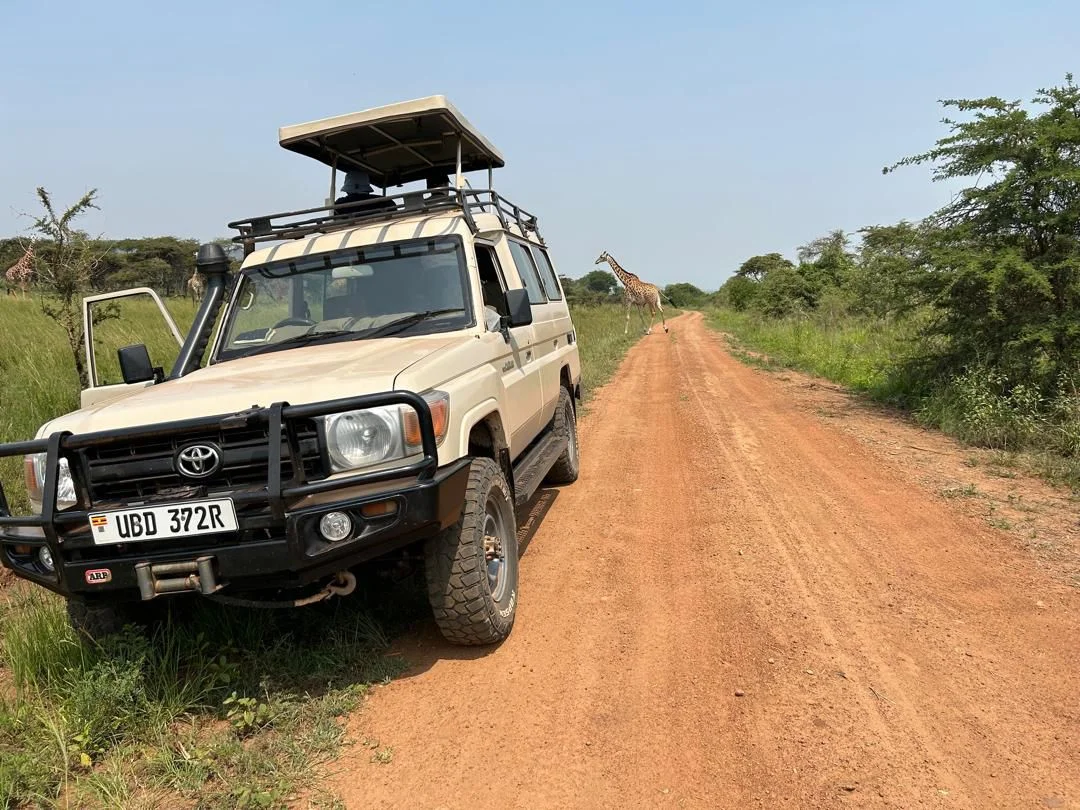
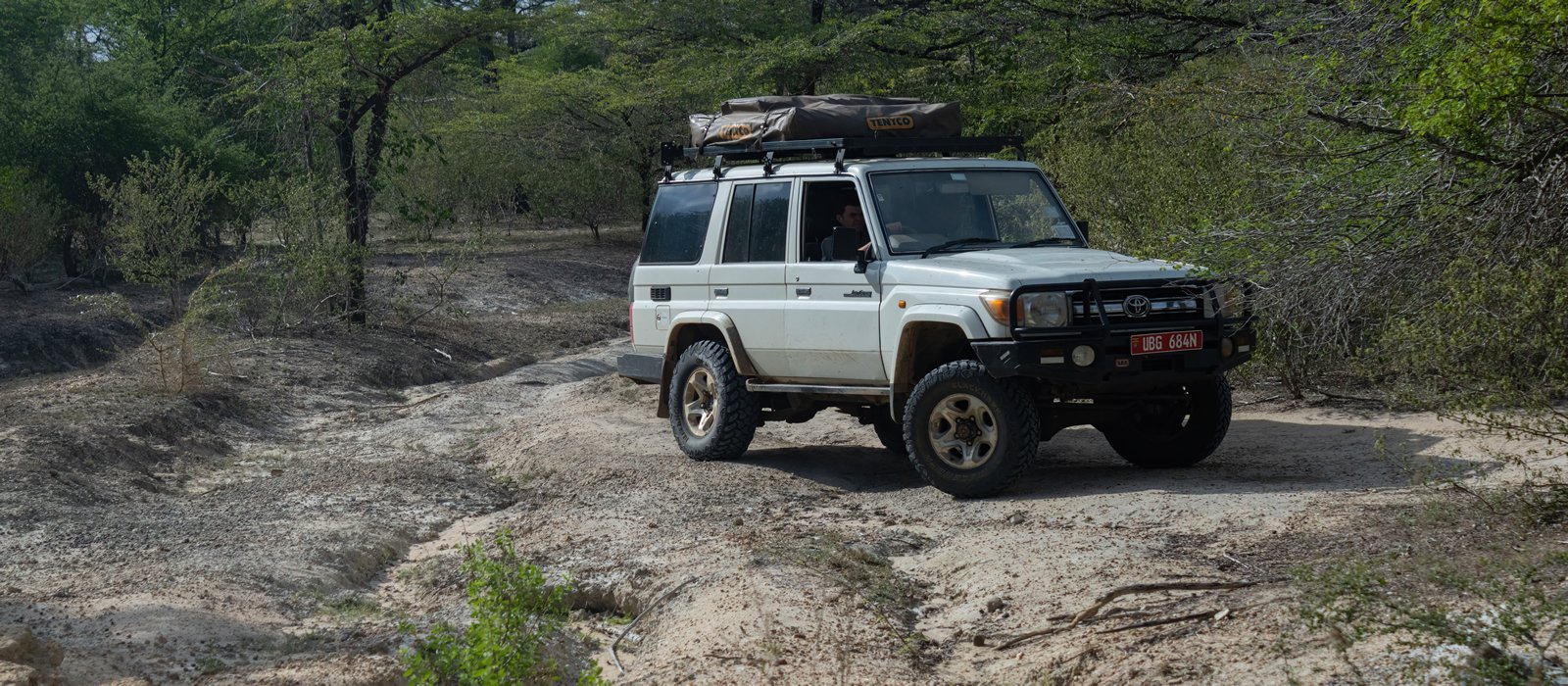
A Rwanda road trip can be one of the most rewarding ways to experience the country’s famous landscapes. Instead of simply travelling between airports and lodges, you become part of the journey, watching the hills change, discovering small towns, stopping at scenic viewpoints, and experiencing the countryside at your own pace.
You can combine the freedom of self-drive with some of Rwanda’s most extraordinary experiences. Drive towards Volcanoes National Park for a gorilla adventure, explore Akagera’s savannah and wetlands, continue to Nyungwe for chimpanzees and rainforest, or relax beside Lake Kivu between active portions of your trip.
The most important part of planning is choosing the right vehicle and building a realistic route. Allow enough time for mountain roads, weather changes, photography stops, wildlife activities, and rest.
The beauty of a self-drive safari is the freedom to make the journey your own. You can stop for a photograph when the landscape catches your eye, spend longer in a town that interests you, take a scenic detour, or simply enjoy the road without being tied to a large group.
At the same time, successful self-drive travel depends on preparation. Understanding Rwanda’s right-hand traffic system, carrying the correct documents, choosing the right vehicle, respecting speed limits, planning fuel stops, avoiding unnecessary night driving, and allowing sufficient time between destinations will make the experience considerably easier.
You should also remember that some of Rwanda’s greatest experiences remain guided experiences even when you drive yourself to them. Gorilla trekking, chimpanzee experiences, and specialist wildlife activities have their own regulations, permits, guides, and reporting requirements.
With the right balance of independence and local support, you can enjoy the best of both worlds.
Request your personalised Self-Drive Rwanda Guide itinerary and start planning your unforgettable Rwanda road trip with Rwanda Family Tours.