
Rwanda Safari vs Uganda Safari: Ultimate Comparison Guide
Rwanda Safari vs Uganda Safari: Which African Safari Is Better?
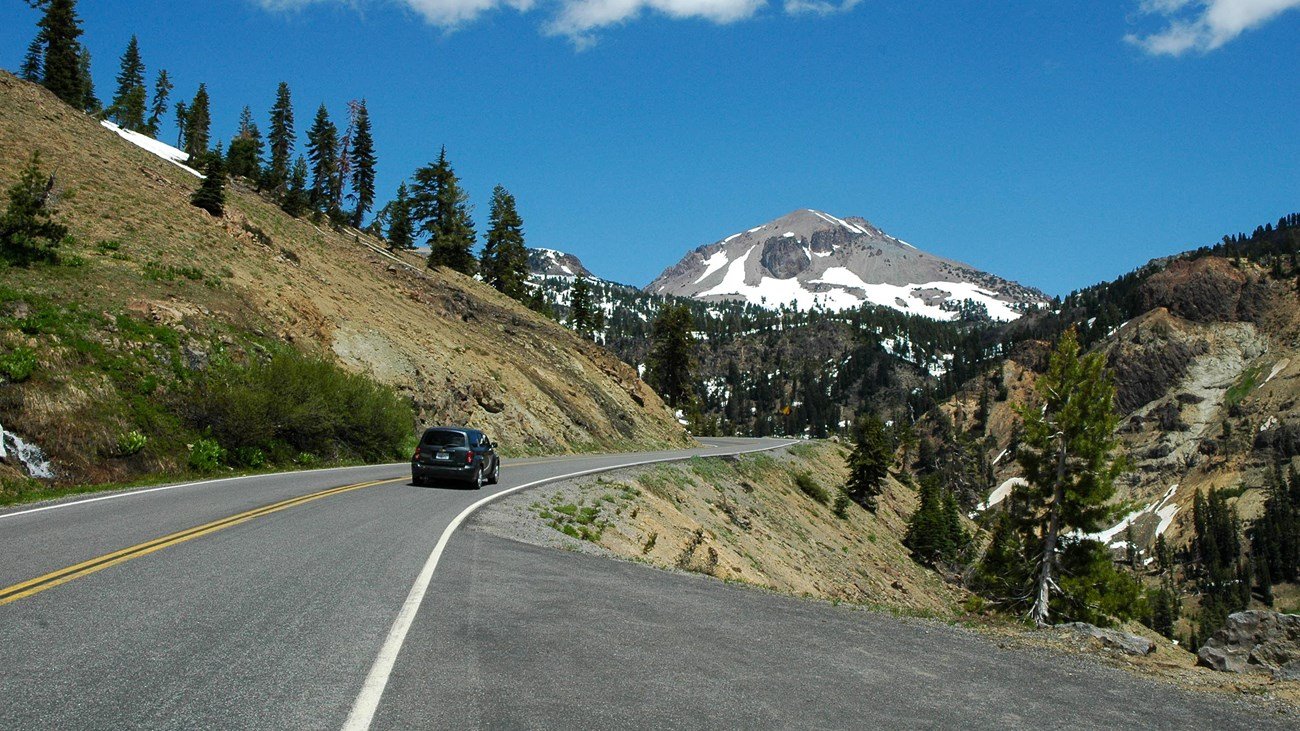
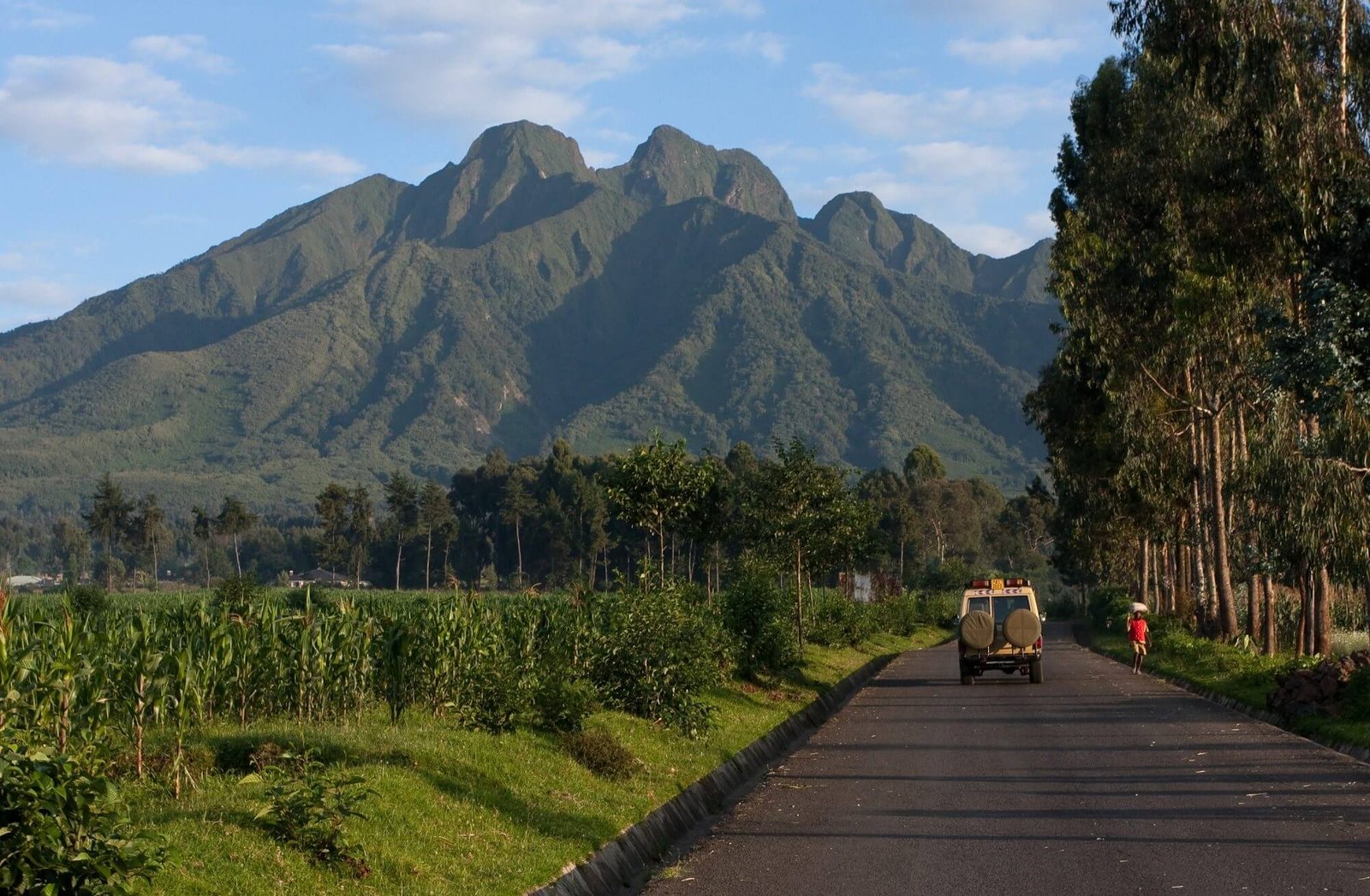
Choosing between Rwanda and Uganda can be difficult because both countries offer extraordinary wildlife experiences, mountain gorillas, chimpanzees, beautiful landscapes, cultural encounters, and excellent opportunities for adventure. The right choice depends less on which country is universally “better” and more on the type of safari you want to experience. A traveller looking for a short, highly focused gorilla holiday may have very different priorities from someone wanting a two-week journey combining primates, savannah wildlife, waterfalls, lakes, forests, and several national parks.
A Rwanda Safari vs Uganda Safari comparison becomes especially interesting because the two destinations share part of the same Virunga mountain ecosystem while offering very different overall travel experiences. Rwanda’s Volcanoes National Park is one of the world’s best-known gorilla destinations, while Uganda offers gorilla trekking in Bwindi Impenetrable National Park and Mgahinga Gorilla National Park. Uganda also has a much broader collection of safari landscapes, including Kibale Forest, Queen Elizabeth National Park, Murchison Falls National Park, and other protected areas. Uganda Wildlife Authority currently lists ten national parks across the country, providing considerable scope for longer wildlife journeys.
Rwanda, meanwhile, has the advantage of compactness. Visit Rwanda notes that the country’s relatively small size makes it possible to experience an extraordinary range of wildlife and landscapes within about a week, while its principal safari circuit connects destinations through scenic roads. This makes Rwanda particularly attractive when you want to maximise experiences without spending too much of your holiday on long road transfers.
The best decision therefore depends on your priorities. If gorilla trekking is the absolute centre of your holiday and you prefer a compact, polished itinerary, Rwanda may be the stronger choice. If you want a broader safari with more time in different wildlife habitats and a potentially lower gorilla permit cost, Uganda may offer greater value and variety. For some travellers, the best answer is not choosing one over the other at all, but combining Rwanda and Uganda into one East African primate and wildlife adventure.
Rwanda Safari vs Uganda Safari at a Glance
| Feature | Rwanda | Uganda |
|---|---|---|
| Main gorilla destination | Volcanoes National Park | Bwindi Impenetrable National Park and Mgahinga Gorilla National Park |
| Standard gorilla permit for foreign non-residents | US$1,500 currently listed | US$800 under the published 2027 UWA tariff |
| Gorilla habituation | Not the standard visitor experience | Available in Uganda; published 2027 tariff lists US$1,800 for foreign non-residents |
| Chimpanzee highlight | Nyungwe National Park | Kibale National Park |
| Classic Big Five safari | Akagera National Park | Queen Elizabeth and Murchison Falls, among others |
| Main advantage | Compact, gorilla-focused, scenic | Broader wildlife and primate circuit |
| Best for short safari | Excellent | Good, depending on route |
| Best for longer safari | Excellent | Excellent |
| Luxury travel | Strong luxury offering | Strong luxury offering |
| Family travel | Excellent with age-appropriate activities | Excellent with broader wildlife options |
| Main airport gateway | Kigali International Airport | Entebbe International Airport |
Permit prices can change, so travellers should confirm the applicable tariff when booking. Rwanda’s official booking portal currently lists the foreign gorilla permit at US$1,500 and a minimum tracking age of 15 years. Uganda’s published 2026–2027 tariff keeps standard gorilla tracking at US$800 for foreign non-residents, while the revised tariff from January 1, 2027 lists gorilla habituation at US$1,800 for foreign non-residents.
Gorilla Trekking in Rwanda vs Uganda
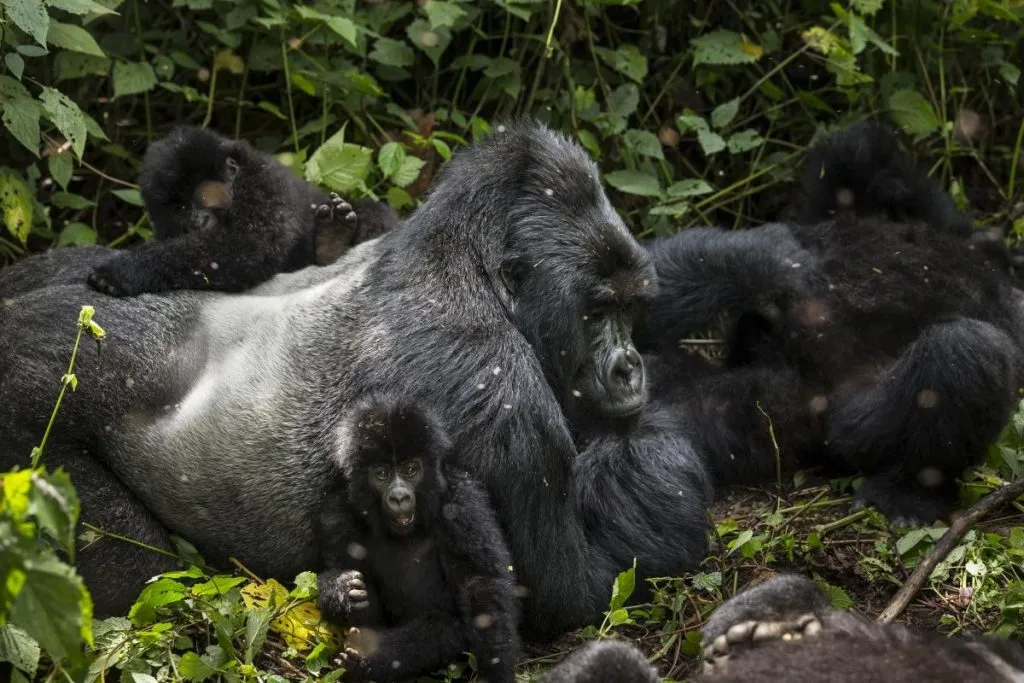

For many travellers, the biggest question in a Rwanda Safari vs Uganda Safari decision is simple: where should you go for gorilla trekking?
Both countries provide genuine mountain gorilla experiences, and both are part of the wider conservation landscape protecting the endangered mountain gorilla. Rwanda offers gorilla trekking in Volcanoes National Park, while Uganda offers it in Bwindi Impenetrable National Park and Mgahinga Gorilla National Park. Uganda Wildlife Authority confirms that Uganda’s gorilla trekking takes place in Bwindi and Mgahinga, with Bwindi divided into four principal trekking sectors: Buhoma, Ruhija, Rushaga, and Nkuringo.
Rwanda’s main advantage is accessibility. Volcanoes National Park is relatively close to Kigali, making it possible to build a short gorilla-focused itinerary without spending several days travelling across the country. This is particularly useful for travellers who have limited holiday time or who are combining Rwanda with another destination.
Uganda’s advantage is choice. Bwindi provides several trekking sectors, each with its own accommodation and landscape character, while Mgahinga offers an alternative within the Virunga Mountains. This gives Uganda greater flexibility when designing a gorilla safari around accommodation, route, trekking sector, and broader wildlife experiences.
The actual gorilla encounter is not something that can be judged simply by saying one country has “better gorillas.” The animals are the same mountain gorilla species, and every trek is influenced by where the family has moved, terrain, weather, and the conditions of the day.
Gorilla Permit Cost: Rwanda vs Uganda

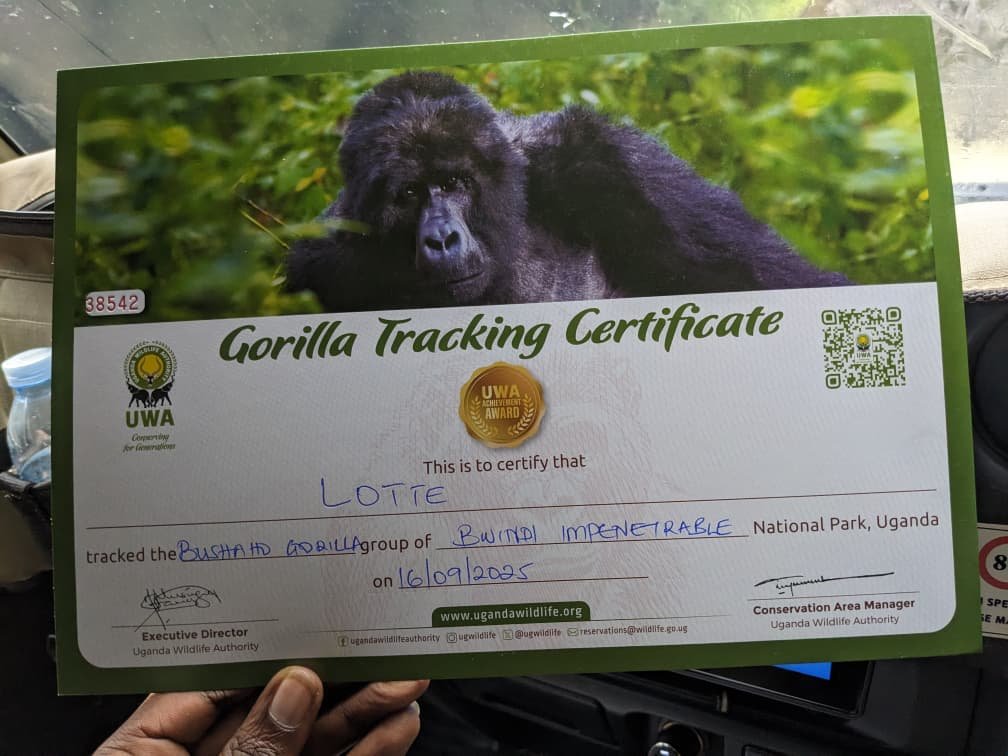
Price is one of the clearest differences in a Rwanda Safari vs Uganda Safari comparison.
Rwanda’s official gorilla booking system currently lists a foreign visitor permit at US$1,500 per person. The same official information states that gorilla tracking has a minimum age of 15 and that visitors should report to the relevant visitor information or registration centre at 7:00 AM.
Uganda’s published 2026–2027 UWA tariff lists standard gorilla tracking for foreign non-residents at US$800. The tariff also lists lower rates for foreign residents, other African visitors, and East African citizens under the applicable categories.
This creates a significant difference at the permit level. For two foreign non-residents undertaking one standard trek, the current listed permit difference alone is US$1,400 for the two travellers.
However, the permit is only one component of a safari. You also need to consider accommodation, transportation, meals, park activities, guide services, international or domestic flights, and the number of days required to complete your itinerary.
Uganda can therefore offer a lower starting point for travellers focused on gorilla trekking, but the final safari cost depends on the complete route rather than the gorilla permit alone.
Gorilla Habituation: Why Uganda Has a Major Advantage
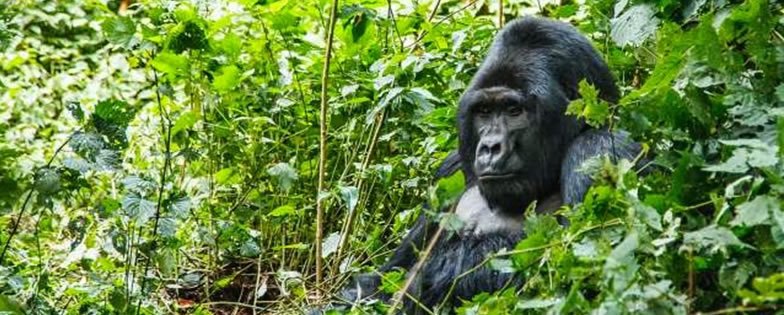
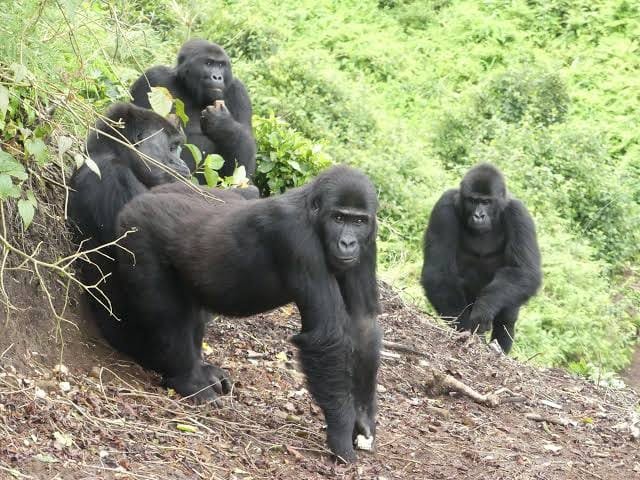
Travellers who want more than the standard gorilla trekking experience should pay particular attention to Uganda.
Uganda offers a Gorilla Habituation Experience in which visitors participate in a longer experience with a semi-habituated gorilla group. The published UWA 2027 tariff lists the foreign non-resident price at US$1,800, compared with US$800 for standard gorilla tracking.
The distinction is important for serious primate enthusiasts and photographers. Standard tracking provides a limited viewing period, while habituation is designed as a much more extended experience.
Rwanda is therefore particularly strong for the classic gorilla trekking experience, while Uganda becomes especially attractive if your priority is spending substantially more time with gorillas through a habituation programme.
If your dream is to observe gorilla behaviour in greater depth, Uganda deserves serious consideration.
Rwanda vs Uganda for Chimpanzee Trekking


The chimpanzee comparison is another major factor.
Rwanda’s Nyungwe National Park is an ancient rainforest with chimpanzees, other primates, birds, orchids, butterflies, and extensive forest biodiversity. Visit Rwanda describes Nyungwe as one of Africa’s ancient rainforests and highlights its chimpanzees and multiple primate species.
Uganda’s Kibale National Park is one of the country’s major primate destinations and is particularly renowned for chimpanzee tracking. UWA describes Kibale as a major primate destination and offers both chimpanzee tracking and chimpanzee habituation experiences.
For travellers whose main priority is chimpanzees, Uganda’s Kibale experience is especially compelling because the destination is strongly centred around primate tourism and also provides opportunities to encounter a wide range of other primates.
Rwanda’s advantage is the broader rainforest experience. Nyungwe combines chimpanzees with canopy walks, forest trails, birding, waterfalls, and the atmosphere of an ancient montane rainforest.
If you want a dedicated primate-focused Uganda itinerary, Kibale is difficult to overlook. If you want chimpanzees as part of a wider rainforest and Rwanda circuit, Nyungwe is an excellent choice.
Rwanda Safari vs Uganda Safari for Big Five Wildlife
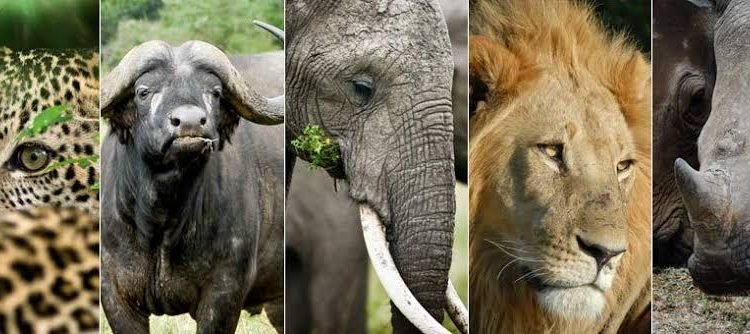

Travellers who want a traditional African safari should compare the savannah experiences carefully.
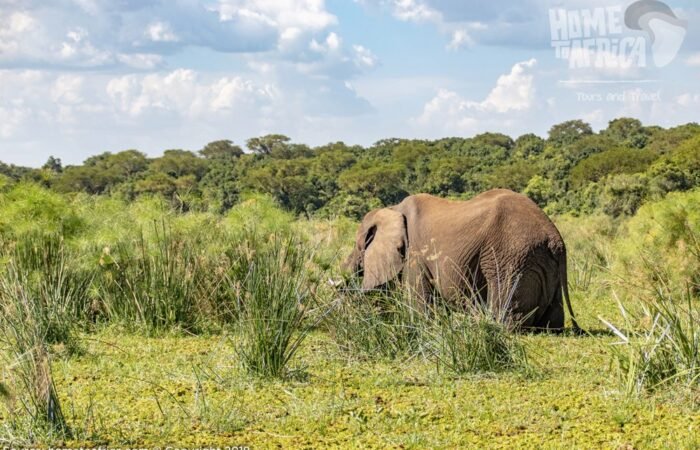
Rwanda’s Akagera National Park provides the country’s main classic savannah safari experience. The park includes savannah, woodland, wetlands, lakes, and diverse wildlife, and Visit Rwanda states that lions and rhinos have been reintroduced, allowing visitors to seek the Big Five.
Uganda offers a broader choice of savannah destinations. Queen Elizabeth National Park provides extensive game viewing, the Kazinga Channel, and the famous tree-climbing lions of Ishasha. Murchison Falls National Park adds extensive savannah, the Nile, game drives, boat experiences, and the dramatic Murchison Falls landscape. UWA identifies both parks among Uganda’s major protected areas.
This is one area where Uganda has a clear advantage for travellers wanting a longer classic safari. You can spend several days moving between different wildlife landscapes rather than concentrating the majority of your safari around one savannah park.
Rwanda’s Akagera remains an excellent option for travellers who want to add Big Five-style wildlife to a compact Rwanda itinerary.
Rwanda vs Uganda for Safari Variety
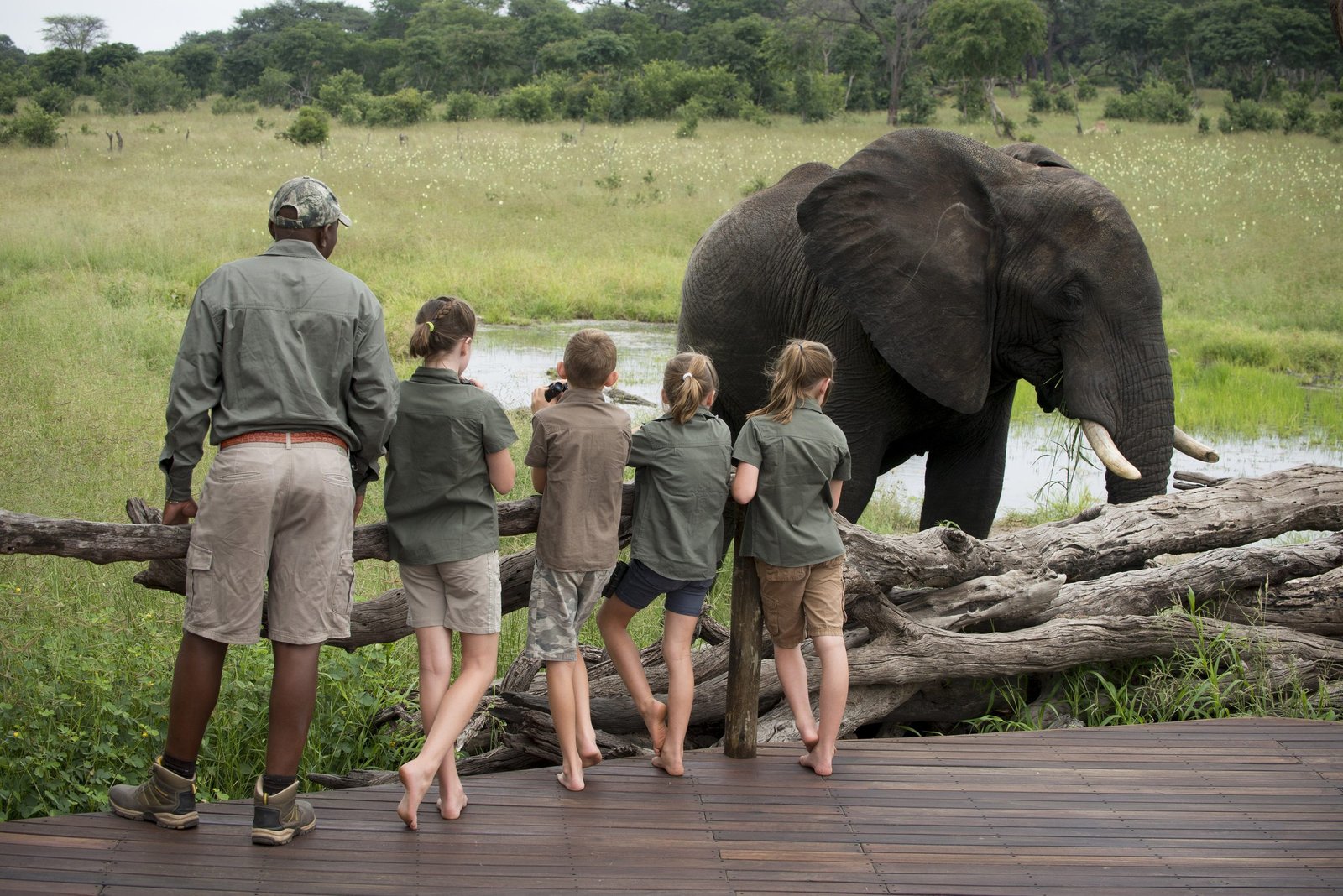
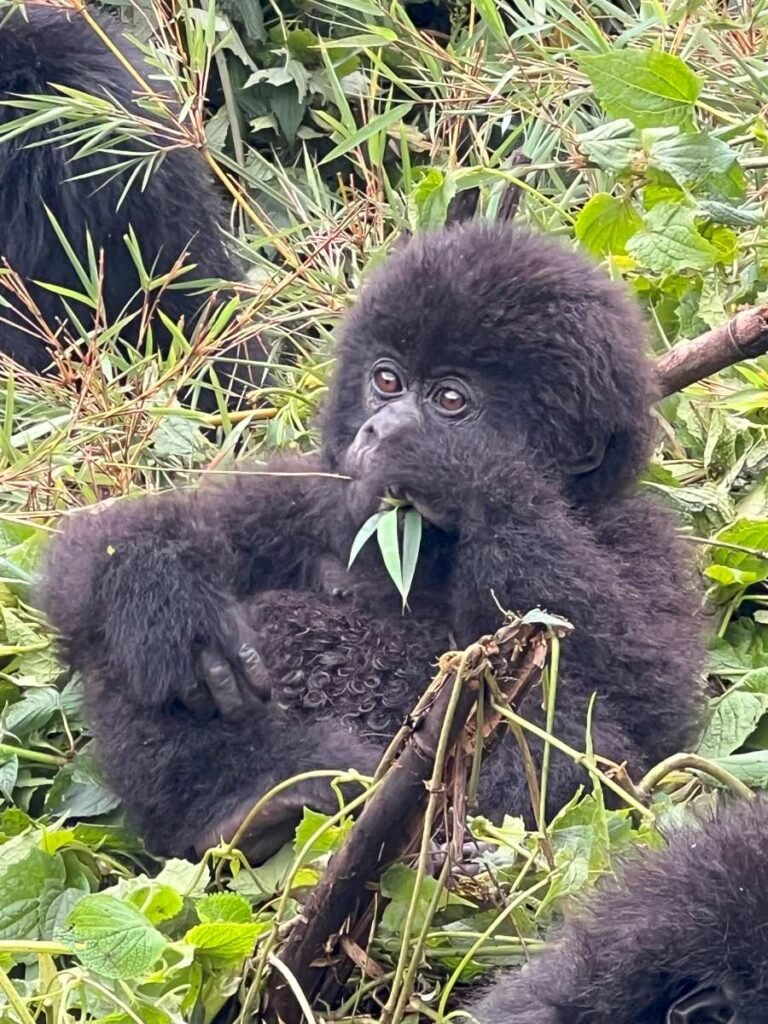
Uganda generally wins when the deciding factor is sheer safari variety.
A longer Uganda journey can combine gorilla trekking in Bwindi, chimpanzee tracking in Kibale, game drives in Queen Elizabeth, a Kazinga Channel cruise, and an extended wildlife experience in Murchison Falls. UWA’s national park portfolio provides numerous options for building longer journeys.
Rwanda offers a different kind of variety. Its principal experiences can combine Volcanoes for gorillas and golden monkeys, Akagera for savannah wildlife, Nyungwe for chimpanzees and rainforest, Lake Kivu for relaxation, and Kigali for culture and city experiences. Visit Rwanda specifically promotes itineraries combining its national parks and Lake Kivu.
Therefore, Uganda is particularly attractive if you want a classic extended East African safari, while Rwanda is excellent if you want a concentrated combination of primates, wildlife, scenery, culture, and relaxation.
Which Country Is Better for a Short Safari?
If you have only three to five days, Rwanda is often the easier destination to organise.
You can arrive in Kigali, transfer to Volcanoes National Park, undertake gorilla trekking, add another experience such as golden monkey tracking or a cultural activity, and return to Kigali without needing to cross large portions of the country.
Rwanda’s compact geography is a major advantage for travellers with limited holiday time. Visit Rwanda specifically notes that its small size makes it possible to experience a wide range of wildlife and landscapes within a week.
Uganda can also support short safaris, particularly if you focus on one region. For example, a short itinerary can concentrate on Bwindi or Mgahinga rather than attempting to combine multiple distant national parks.
However, Uganda becomes more rewarding as the number of available days increases because its wider selection of wildlife and primate destinations can be incorporated into longer circuits.
Which Country Is Better for a Longer Safari?
For a seven- to fourteen-day safari, Uganda becomes exceptionally attractive because there is enough time to connect multiple destinations.
You can create a journey combining gorillas, chimpanzees, savannah wildlife, boat cruises, cultural experiences, and different landscapes. A route through Kibale, Queen Elizabeth, and Bwindi can provide an especially strong combination of primates and wildlife.
Rwanda can also support an excellent longer safari. A comprehensive route can combine Akagera, Volcanoes, Lake Kivu, Nyungwe, and Kigali, creating a journey that covers savannah, rainforest, mountains, lakes, primates, wildlife, and culture.
The difference is that Rwanda’s destinations can often be experienced in a more compact circuit, while Uganda’s larger geography creates a more expansive road-trip feeling.
If you enjoy long scenic drives and discovering multiple wildlife regions, Uganda can be particularly rewarding. If you prefer a more concentrated itinerary with less time spent transferring, Rwanda may suit you better.
Rwanda vs Uganda for Luxury Safaris

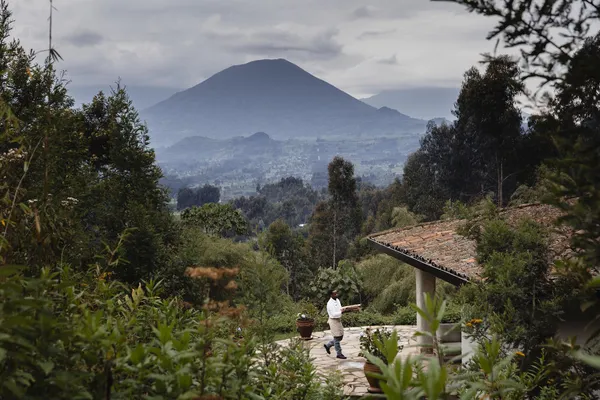
Both countries offer outstanding luxury safari possibilities, so the decision should not be based simply on whether luxury exists in one country.
Rwanda has developed a strong premium tourism identity around Volcanoes National Park and gorilla trekking. Luxury travellers can combine high-end accommodation, private transportation, premium dining, personalised guiding, and carefully timed experiences.
Uganda also offers luxury accommodation in major safari destinations, including the gorilla region, Kibale, Queen Elizabeth, and Murchison Falls. The greater geographical variety allows luxury travellers to create a multi-destination journey with very different environments.
The important difference is that Rwanda can make luxury travel particularly efficient because its destinations are relatively compact. A traveller can spend several nights in premium accommodation while moving between major experiences without turning the holiday into a succession of extremely long transfers.
Uganda’s luxury experience can feel more like a traditional grand safari, especially when several national parks are combined.
Rwanda Safari vs Uganda Safari for Families


Both countries can work beautifully for family holidays, but the itinerary needs to be designed around children’s ages.
Rwanda offers the advantage of a compact route and several experiences that can be enjoyed without strenuous trekking. Akagera provides vehicle-based wildlife viewing, while Lake Kivu offers a relaxing environment between safari activities.
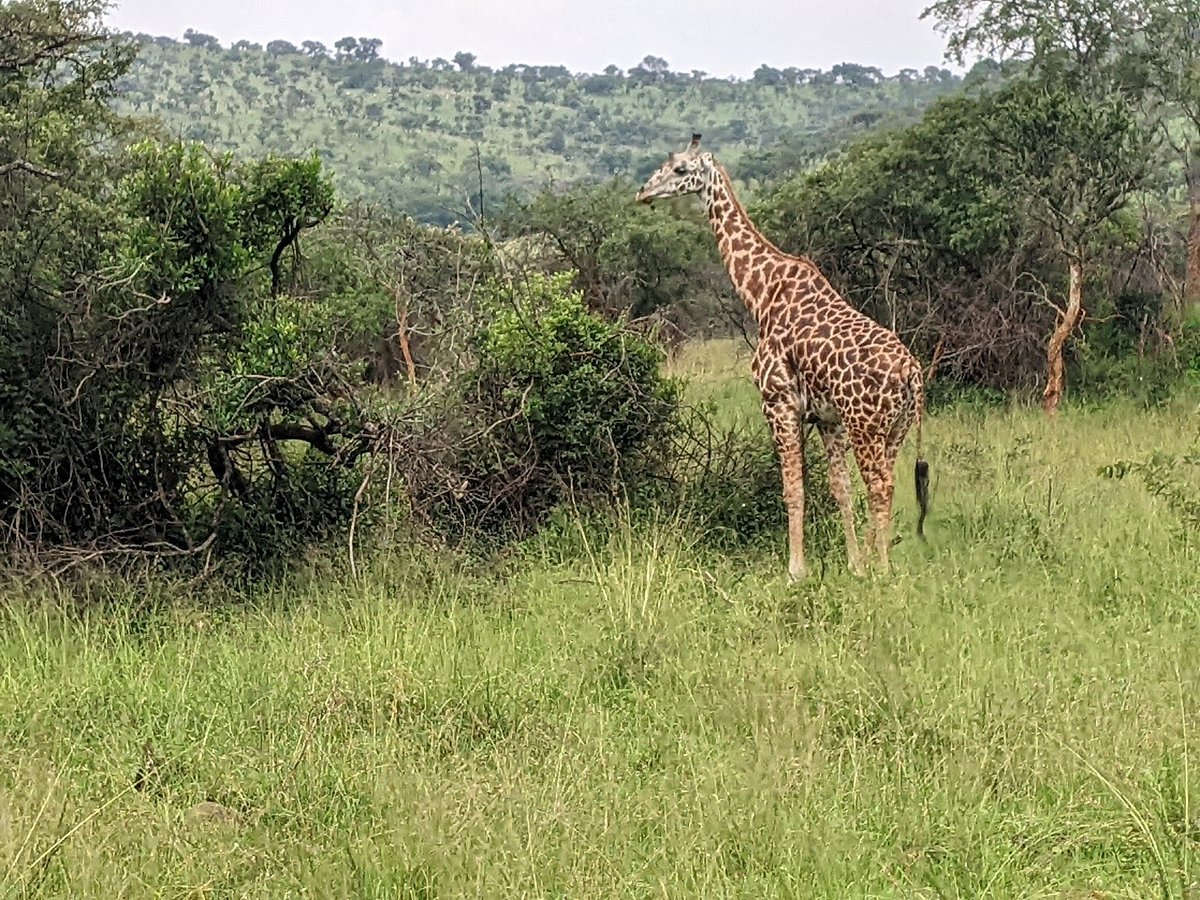
Uganda provides an even broader selection of family wildlife experiences. Queen Elizabeth and Murchison Falls can introduce children to elephants, buffaloes, giraffes, hippos, birds, and other wildlife, while Kibale can add a fascinating primate experience.
Families interested in gorilla trekking must pay attention to age requirements. Rwanda’s official gorilla booking information currently sets the minimum tracking age at 15 years. Uganda’s gorilla experience also has regulated age requirements, so the applicable rules should be confirmed when booking.
For families with younger children, a safari can still be built around game drives, cultural experiences, scenic destinations, and suitable nature activities without making gorilla trekking the centre of the journey.
Rwanda vs Uganda for Teenagers
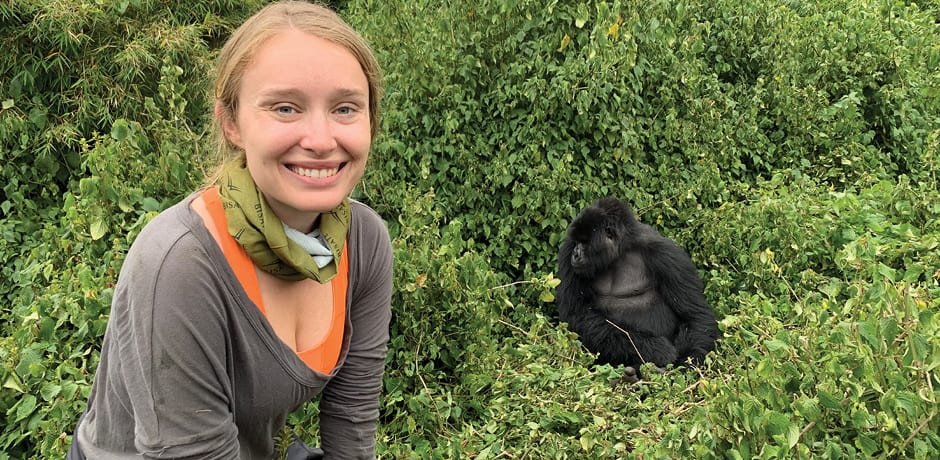

Teenagers can benefit enormously from either destination because both countries offer experiences that combine adventure, wildlife, photography, and education.
Uganda can be particularly appealing to teenagers who want a more extensive safari. They can combine chimpanzee tracking in Kibale, wildlife viewing in Queen Elizabeth or Murchison Falls, and gorilla trekking if they meet the applicable age requirement.
Rwanda can provide a more compact adventure, with gorilla trekking, golden monkey experiences, Akagera wildlife, Nyungwe rainforest, canopy walks, and Lake Kivu.
Teenagers interested in photography may enjoy both countries, but Uganda’s larger variety of wildlife environments can provide more opportunities for extended wildlife photography.
Rwanda’s mountainous landscapes and compact routes can be particularly attractive to families who want to combine wildlife with scenic travel and cultural experiences.
Rwanda vs Uganda for Birdwatching
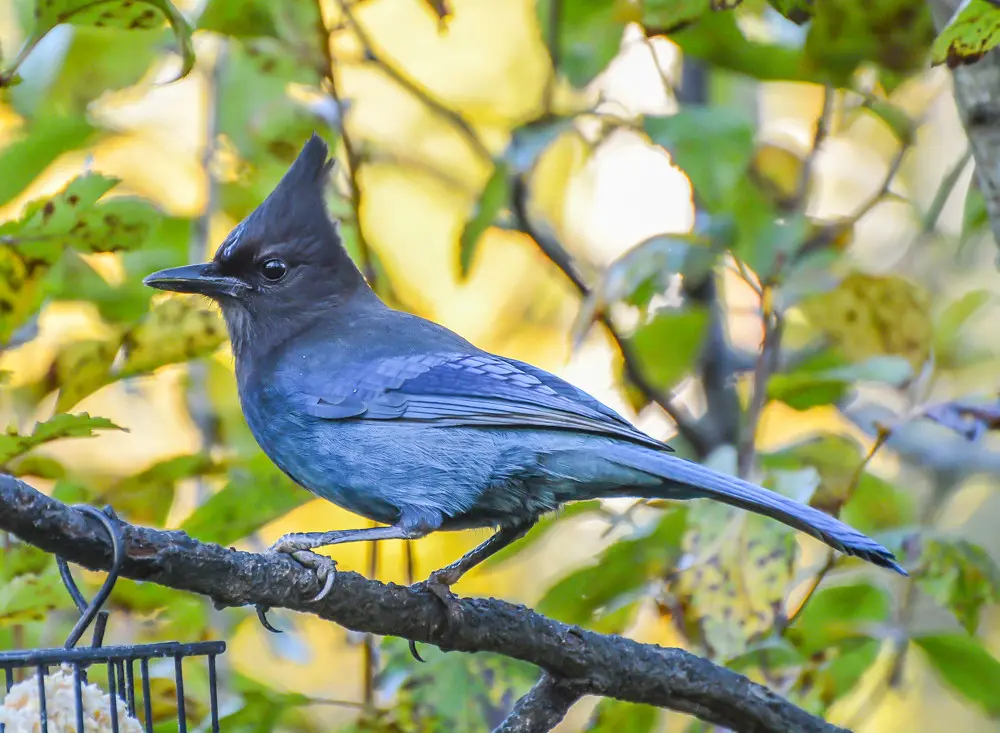
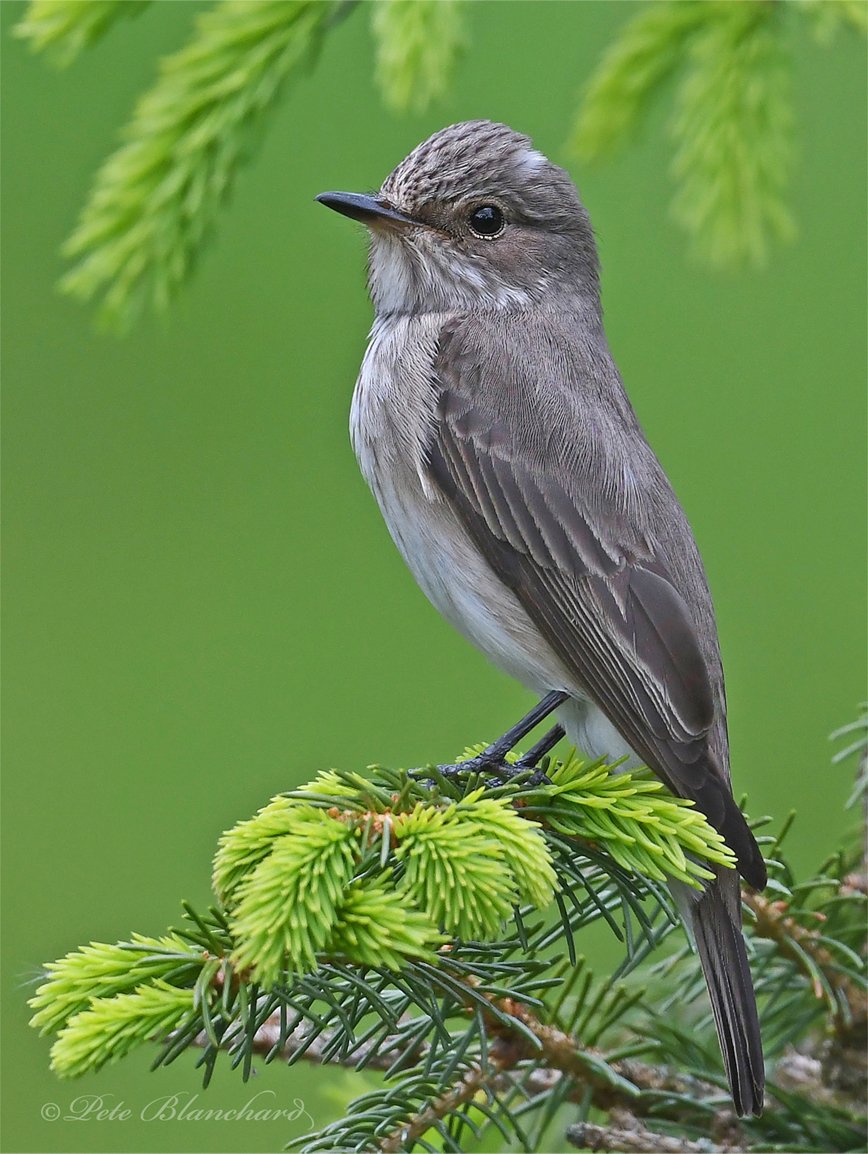
Both destinations are excellent for birdwatchers, but the habitats are different.
Rwanda’s Akagera and Nyungwe national parks are particularly important birding destinations. Visit Rwanda highlights Nyungwe and Akagera as major birdwatching locations and describes Rwanda as having a very high bird count relative to its size.
Nyungwe is particularly attractive for forest birding and Albertine Rift species, while Akagera offers wetlands, lakes, woodland, and savannah habitats.
Uganda provides an enormous range of habitats across its national parks, forests, wetlands, and other protected areas. A longer Uganda itinerary can therefore be extremely rewarding for serious birders who want to target species across different ecosystems.
For a shorter birding holiday, Rwanda can be easier to manage. For a dedicated extended birding expedition, Uganda’s larger geographical and habitat diversity can provide greater scope.
Rwanda vs Uganda for Photography
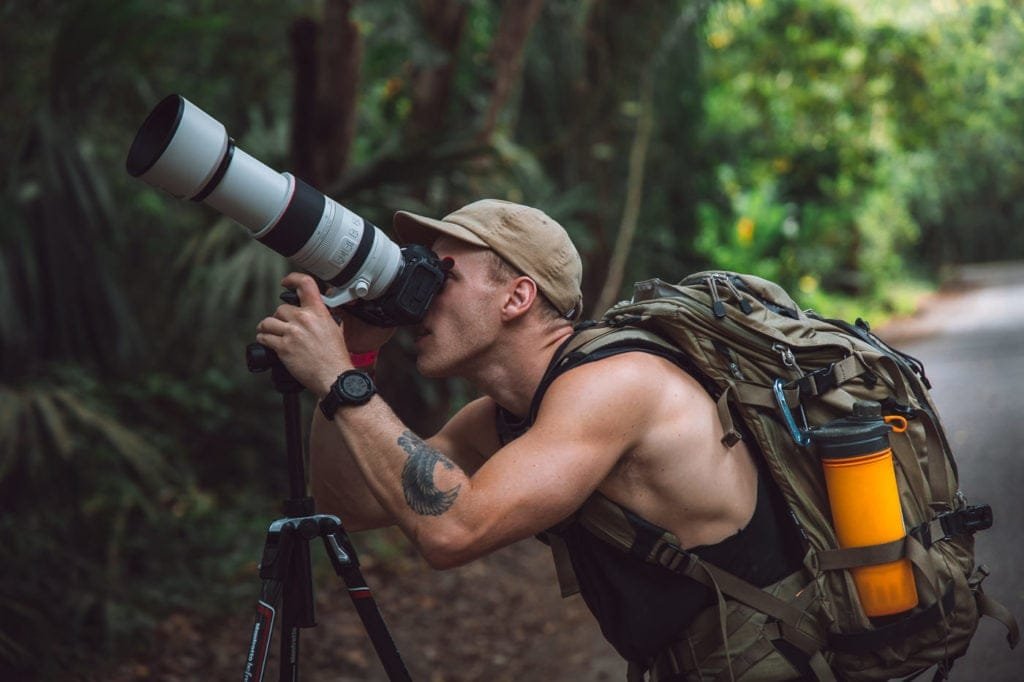
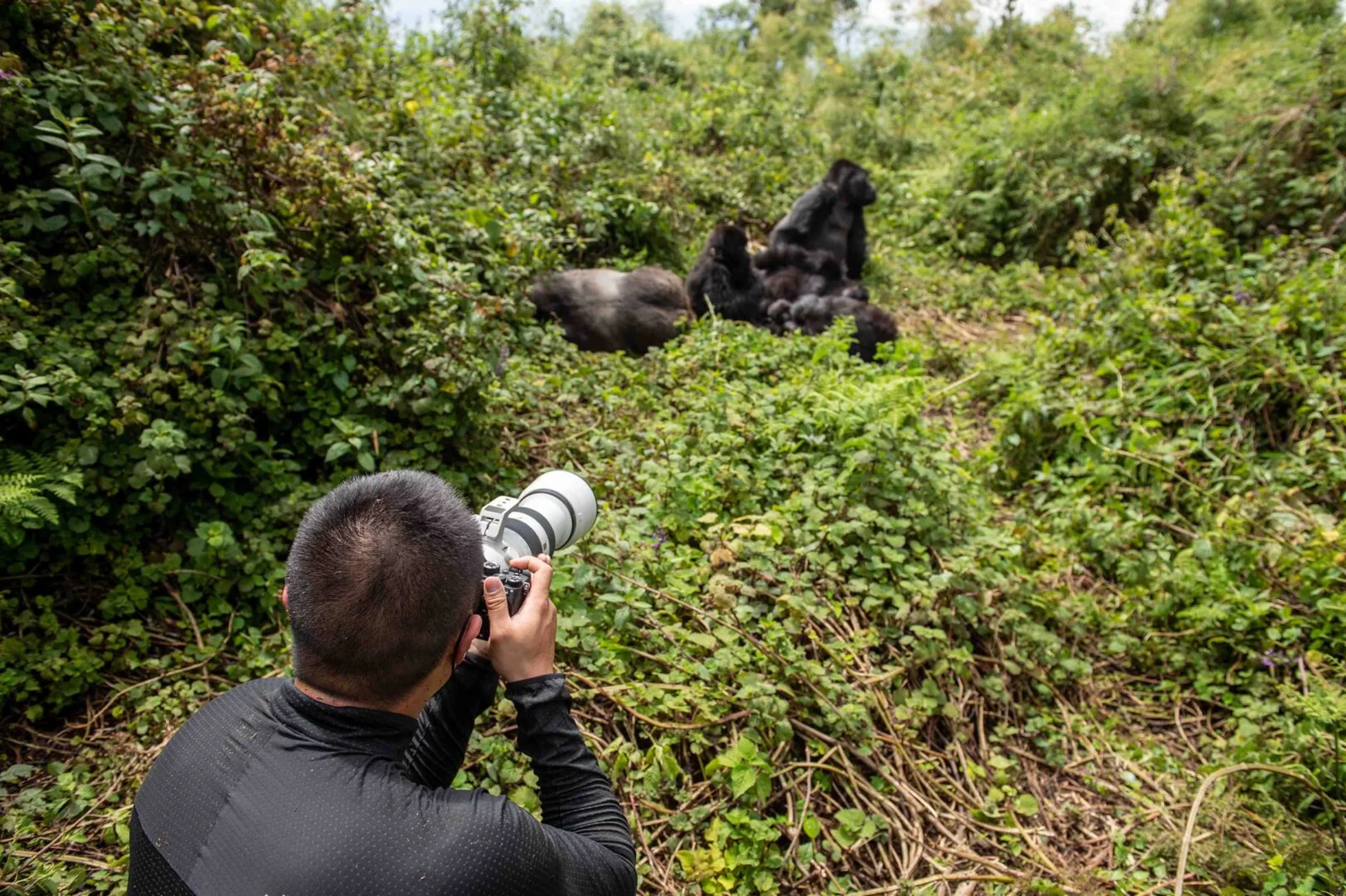
Photographers will find compelling subjects in both countries.
Rwanda offers dramatic volcanic landscapes, misty forests, mountain gorillas, golden monkeys, Akagera wildlife, Lake Kivu scenery, Kigali architecture, and the elevated rainforest perspectives of the Nyungwe canopy walkway.
The canopy walkway in Nyungwe is suspended above a ravine in the rainforest and offers elevated views of the forest canopy and surrounding biodiversity. Visit Rwanda currently lists it as a major adventure experience.
Uganda provides an even wider photographic range. Bwindi offers dense rainforest and gorillas, Kibale offers chimpanzees and other primates, Queen Elizabeth offers savannah and the Kazinga Channel, and Murchison Falls adds the Nile, wildlife, and dramatic waterfalls.
If your photography priority is mountain gorillas and landscapes in a compact itinerary, Rwanda is excellent. If you want a broad wildlife photography expedition with multiple ecosystems, Uganda has a major advantage.
Rwanda Safari vs Uganda Safari for Adventure
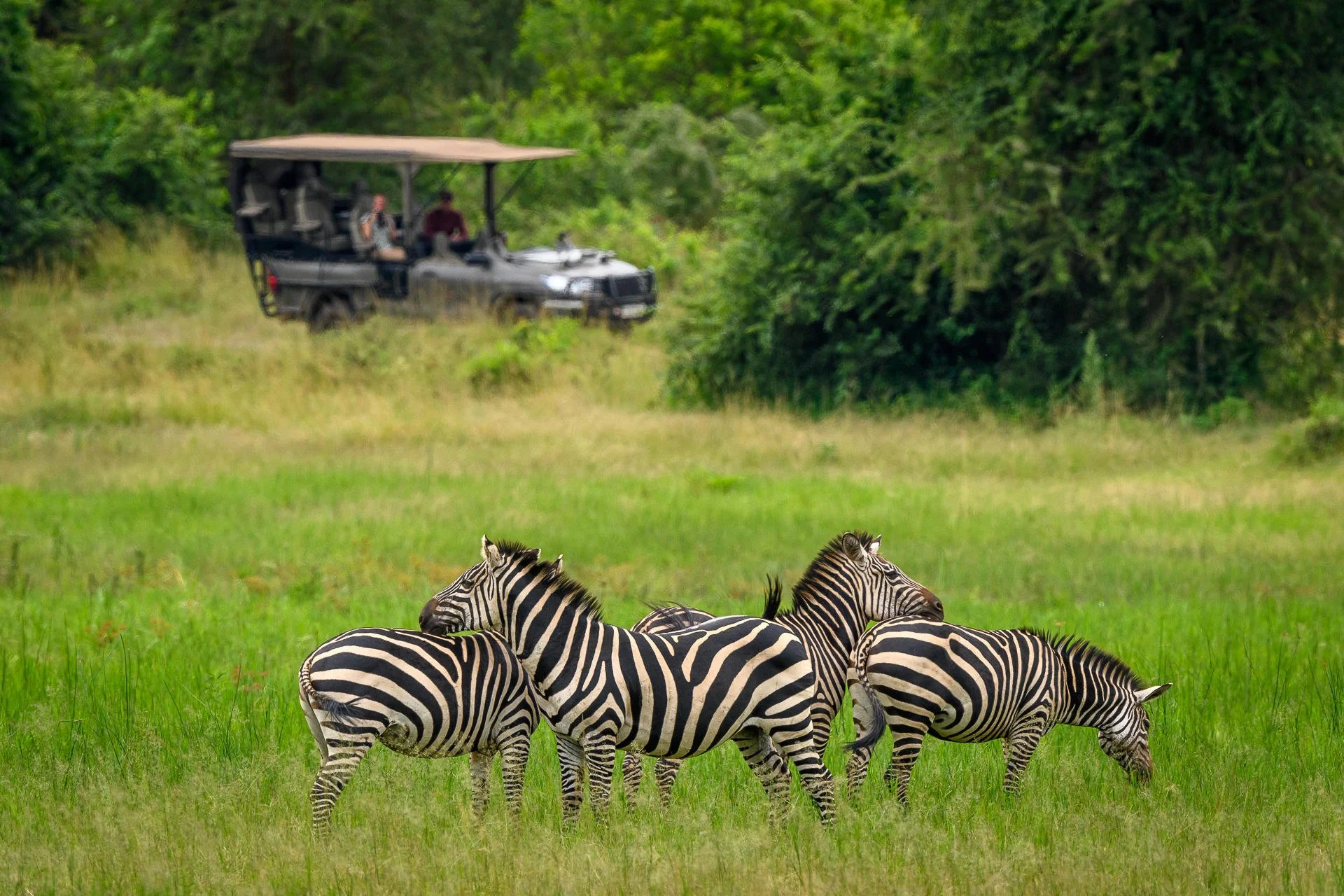

Adventure travellers can find plenty to do in both countries.
Rwanda offers mountain hiking around Volcanoes, golden monkey tracking, gorilla trekking, canopy walks in Nyungwe, hiking around Lake Kivu, cycling, kayaking, caves, and other outdoor activities. Visit Rwanda highlights hiking, canopy experiences, caving, kayaking, cycling, and other adventure activities across the country.
Uganda provides gorilla trekking, chimpanzee tracking, extensive wildlife safaris, boat cruises, forest walks, and a much larger selection of protected-area experiences.
If your definition of adventure centres on mountains, primates, and scenic outdoor activities, Rwanda is outstanding. If you want a broader expedition combining several different wildlife and landscape experiences, Uganda offers greater scope.
Which Country Has Better Chimpanzee Habituation?


Uganda is the stronger choice if chimpanzee habituation is one of your main priorities.
Kibale offers both chimpanzee tracking and a chimpanzee habituation experience, allowing visitors to spend considerably more time observing chimpanzee behaviour than during a standard tracking experience. UWA confirms that chimpanzee habituation and tracking take place at Kibale throughout the year.
This makes Uganda particularly attractive to serious primate enthusiasts, wildlife researchers, photographers, and travellers who want to understand chimpanzee behaviour in greater depth.
Rwanda’s Nyungwe remains an excellent chimpanzee destination, particularly when combined with the forest’s other primates, birds, trails, waterfalls, and canopy walkway.
Best Choice for Couples and Honeymoons


Both destinations can create unforgettable romantic safaris.
Rwanda works particularly well for couples who want luxury accommodation, gorilla trekking, beautiful mountain scenery, Lake Kivu, and a relatively compact itinerary.
Uganda can provide a more expansive romantic adventure, especially when couples want to combine gorillas with chimpanzees, savannah wildlife, boat cruises, and several different landscapes.
The decision should therefore depend on whether you want a concentrated romantic escape or a longer adventure.
A particularly powerful combination is to experience an adventurous gorilla trek followed by several nights of relaxation at a luxury lodge or lakeside property.
Frequently Asked Questions About Rwanda Safari vs Uganda Safari
1. Which is better, Rwanda Safari vs Uganda Safari?
The better choice depends on your travel priorities. Rwanda is ideal for a compact safari with easy access to gorilla trekking, Volcanoes National Park, Lake Kivu, Akagera, and Nyungwe. Uganda is better suited to travellers seeking a longer and more diverse wildlife journey combining gorillas, chimpanzees, savannah parks, boat safaris, and several national parks.
2. Is gorilla trekking cheaper in Uganda or Rwanda?
Uganda generally has a lower gorilla permit price for foreign non-residents than Rwanda. Rwanda currently lists its foreign visitor gorilla permit at US$1,500, while Uganda’s published tariff lists standard gorilla tracking at US$800 for foreign non-residents. However, the total safari cost also depends on accommodation, transportation, activities, number of days, and the destinations included.
3. Which country is better for gorilla trekking, Rwanda or Uganda?
Both Rwanda and Uganda offer exceptional mountain gorilla trekking experiences. Rwanda’s main advantage is accessibility, as Volcanoes National Park is relatively close to Kigali, making it excellent for short gorilla-focused trips. Uganda offers more trekking options through Bwindi and Mgahinga and is particularly attractive for travellers interested in gorilla habituation.
4. Which is better for chimpanzee trekking, Rwanda or Uganda?
Both countries offer excellent chimpanzee experiences, but Uganda is particularly well known for chimpanzee trekking in Kibale National Park. Rwanda offers chimpanzee trekking in Nyungwe National Park, where the experience can be combined with rainforest exploration, birdwatching, primate viewing, hiking, and the canopy walkway. Your choice should depend on whether chimpanzees are your main priority or part of a wider safari.
5. Can I combine Rwanda and Uganda in one safari?
Yes. A Rwanda Safari vs Uganda Safari can be an excellent option for travellers who want to experience the strengths of both countries. You can combine gorilla trekking, chimpanzee trekking, savannah wildlife, cultural experiences, Lake Kivu, and several national parks into one journey. Rwanda Family Tours can design a cross-border itinerary according to your travel dates, budget, preferred accommodation, and safari interests.
Book Your Rwanda or Uganda Safari Today


Your safari should be designed around what you want to experience rather than around a generic package.
Tell us whether your priority is gorilla trekking, gorilla habituation, chimpanzee trekking, Big Five wildlife, birdwatching, photography, luxury accommodation, family travel, a honeymoon, or a longer multi-country adventure.
Provide your preferred travel dates, number of travellers, children’s ages where applicable, accommodation level, and approximate budget. If you already know whether you prefer Rwanda, Uganda, or both, include that information in your enquiry.
Whether you choose Rwanda, Uganda, or both, early planning is especially important if gorilla trekking or chimpanzee experiences are central to your journey. Permit availability and preferred accommodation can influence the entire route, so establishing your key activity dates early makes itinerary planning much easier.
Your safari can be completely private and tailored to your preferred pace. Families can have additional flexibility, couples can enjoy romantic experiences, luxury travellers can incorporate premium accommodation and flights where appropriate, while photographers and birders can have additional time dedicated to their specialist interests.
Rwanda and Uganda are both extraordinary destinations, but they tell very different safari stories.
Rwanda gives you a compact journey through volcanic mountains, gorilla forests, savannah, ancient rainforest, lakes, and a modern capital. Uganda gives you a broader journey through forests, savannahs, rivers, primate habitats, gorilla landscapes, and multiple national parks.
And if you want the most comprehensive primate and wildlife journey possible, combining Rwanda and Uganda can create an unforgettable East African adventure.
Contact Rwanda Family Tours today and let us help you choose between Rwanda and Uganda—or design an exceptional safari combining both countries.
Request your personalised safari quotation and start planning your ultimate East African adventure.