
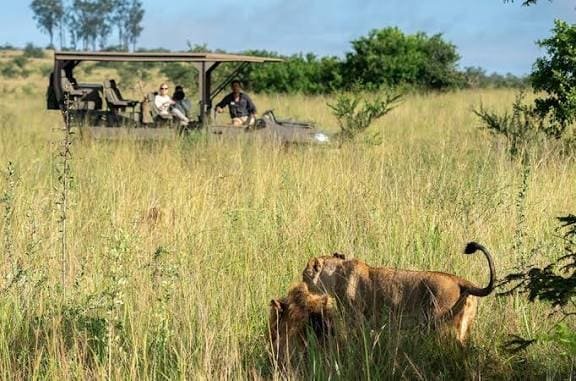
Rwanda vs Kenya Safari: Ultimate East Africa Comparison
Rwanda vs Kenya Safari: Which African Safari Is Better?
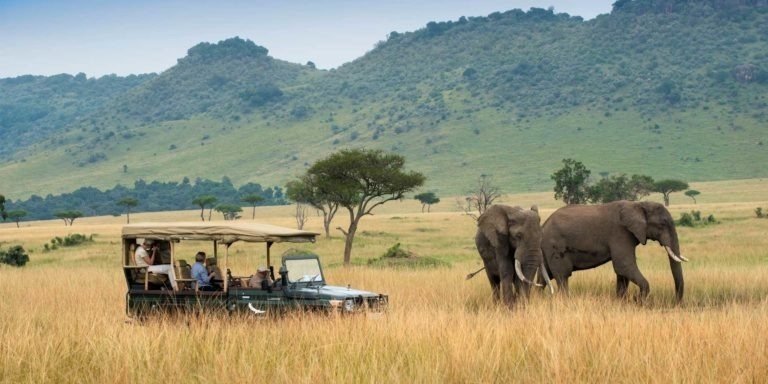
Choosing Rwanda vs Kenya Safari means choosing between two very different African safari experiences. A Rwanda vs Kenya Safari comparison is therefore not simply about asking which country has more wildlife or which destination is cheaper. The better choice depends on what you want to see, how much time you have, whether mountain gorillas are on your bucket list, whether you want the Great Migration, how important classic Big Five game viewing is to you, and whether you want to combine your safari with a beach holiday.
Rwanda is a compact destination where you can combine mountain gorilla trekking in Volcanoes National Park, chimpanzee experiences in Nyungwe National Park, Big Five wildlife in Akagera National Park, Lake Kivu, Kigali and a wide range of cultural and adventure experiences. Visit Rwanda describes Akagera as a safari destination with savannah, woodland, wetlands and lakes, while Volcanoes provides the dramatic volcanic landscape associated with mountain gorillas.
Kenya is one of Africa’s most established safari destinations and offers an enormous variety of wildlife environments. The Maasai Mara is famous for its Big Five and Great Migration, while Amboseli is renowned for elephants and its spectacular views towards Mount Kilimanjaro. Kenya also offers Lake Nakuru, Tsavo East, Tsavo West, Samburu, Laikipia, Nairobi National Park and a long Indian Ocean coastline. Kenya Wildlife Service currently manages a broad network of national parks and protected areas, while Magical Kenya promotes the Maasai Mara, Great Migration and numerous safari and cultural experiences.
The simplest way to think about the difference is this: Rwanda is especially powerful for primates, gorillas, mountains and compact luxury journeys, while Kenya is especially powerful for classic savannah wildlife, the Great Migration, Big Five encounters and safari-plus-beach holidays.
What Makes Rwanda Special for Safari?
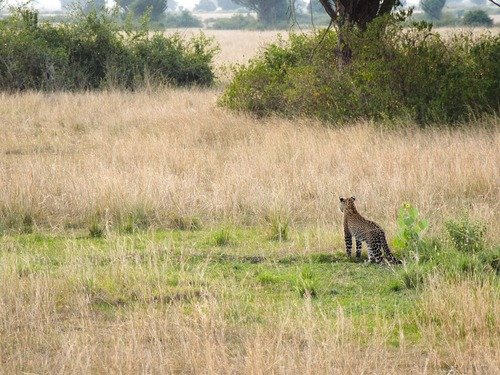
Rwanda is often described through its mountains, forests and gorillas, but the country’s safari offering extends far beyond primates. Its compact geography allows you to combine several very different environments within one holiday, which is particularly useful if you do not want to spend most of your trip travelling between distant destinations.
Volcanoes National Park is Rwanda’s signature primate destination. The park lies within the Virunga mountain landscape and is associated with mountain gorillas, golden monkeys and a variety of hiking experiences. The surrounding volcanic scenery creates a completely different atmosphere from the open savannahs of the Maasai Mara. Visit Rwanda highlights the Virunga mountains, gorillas and golden monkeys among the principal attractions of the park.
Nyungwe National Park provides another side of Rwanda. This ancient montane rainforest is home to chimpanzees, numerous other primates, birds, butterflies and forest trails. Its canopy walkway provides elevated views through the rainforest, while hiking trails allow you to explore the forest at ground level. Visit Rwanda currently describes the canopy walkway as a 160-metre-long structure suspended about 70 metres above a ravine.
Akagera National Park then changes the character of your safari completely. The park contains savannah, woodland, wetlands and lakes and is once again home to the Big Five following the reintroduction of lions and eastern black rhinos. Akagera also offers game drives and boat trips on Lake Ihema, making it possible to experience both land and water-based wildlife viewing.
This combination makes Rwanda particularly attractive when you want a safari that includes much more than conventional game drives.
What Makes Kenya Special for Safari?
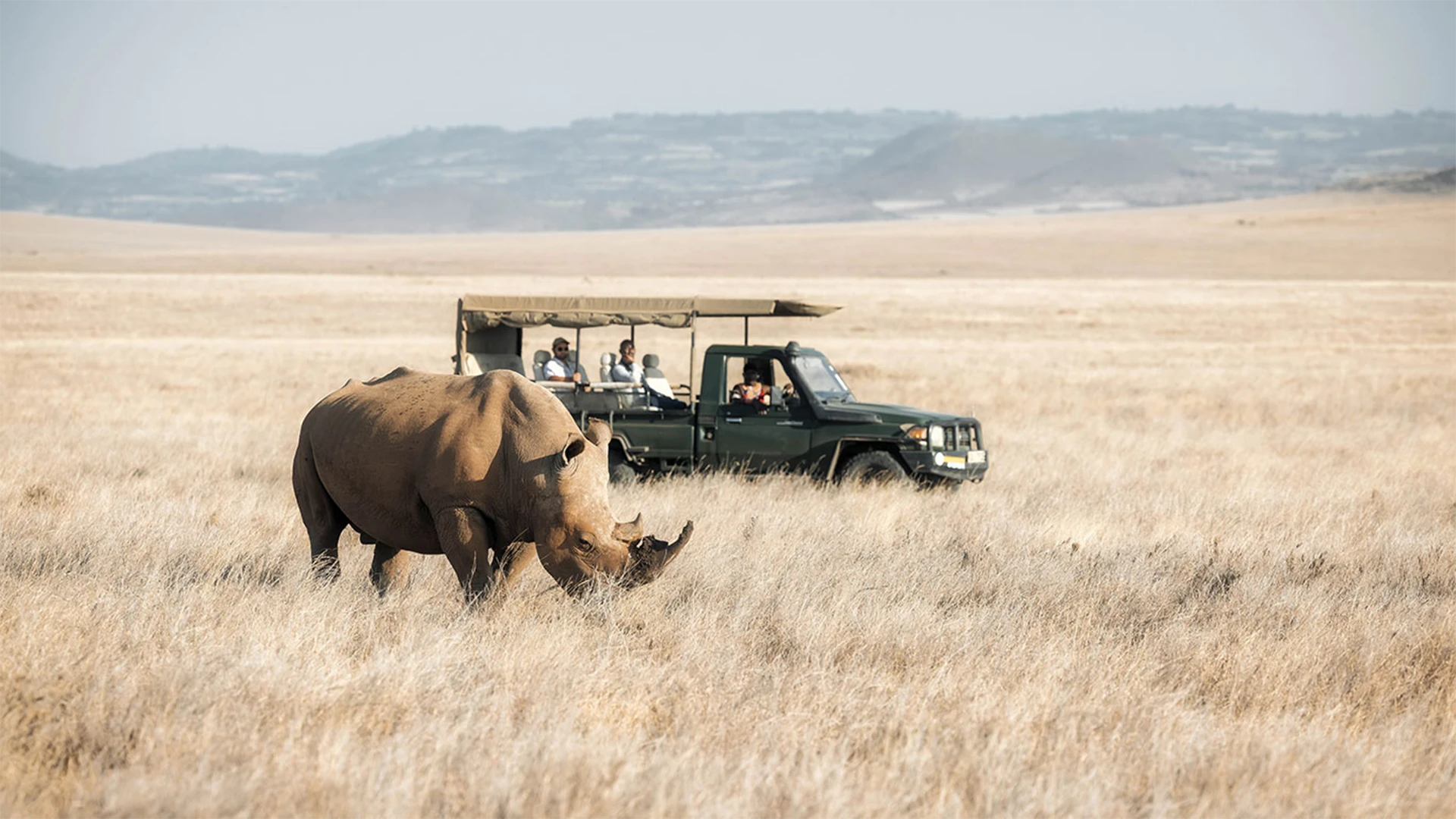
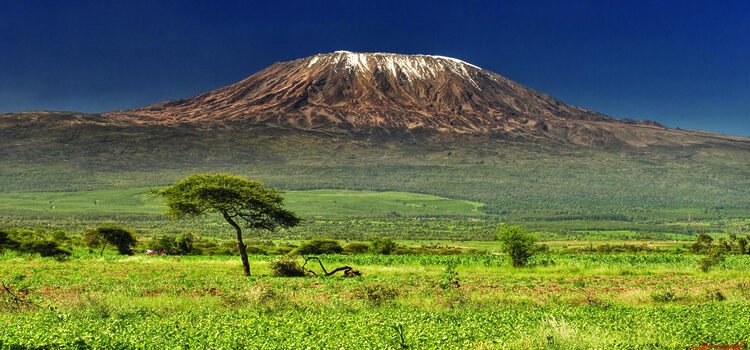
Kenya has one of Africa’s strongest safari identities because it offers enormous wildlife variety across different ecosystems and is home to destinations that have become synonymous with African wildlife.
The Maasai Mara is perhaps the most famous. Magical Kenya describes it as a vast grassland ecosystem containing the Big Five and identifies the Great Migration as one of its defining experiences. The Mara also offers hot-air balloon safaris, guided nature walks and Maasai cultural experiences, giving travellers several ways to experience the landscape.
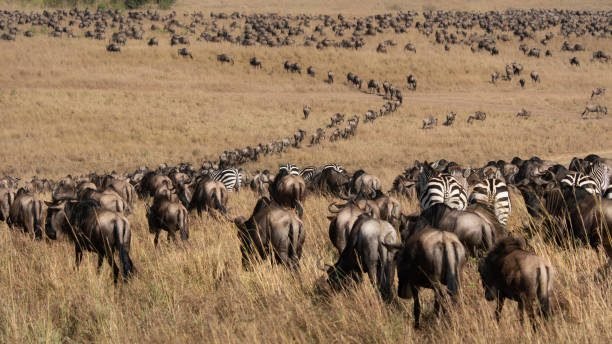
The Great Migration is particularly important when comparing Kenya with Rwanda. The migration is a year-round ecological movement across the wider Serengeti-Mara ecosystem, with the most dramatic Mara River crossing period generally associated with July to October. Magical Kenya describes the event as involving millions of wildebeest and zebras moving through the ecosystem in search of water and fresh grazing.
Kenya also offers Amboseli National Park, where large elephant herds move through open plains beneath the dramatic backdrop of Mount Kilimanjaro. Kenya Wildlife Service highlights the park’s elephant herds, diverse habitats, birdlife, Maasai culture and iconic Kilimanjaro views.
Further south, Tsavo East and Tsavo West provide enormous wilderness landscapes, while Lake Nakuru and other destinations add different ecosystems and wildlife opportunities. Kenya Wildlife Service currently lists a wide selection of national parks and protected areas across the country.
Gorilla Trekking: Rwanda vs Kenya Safari
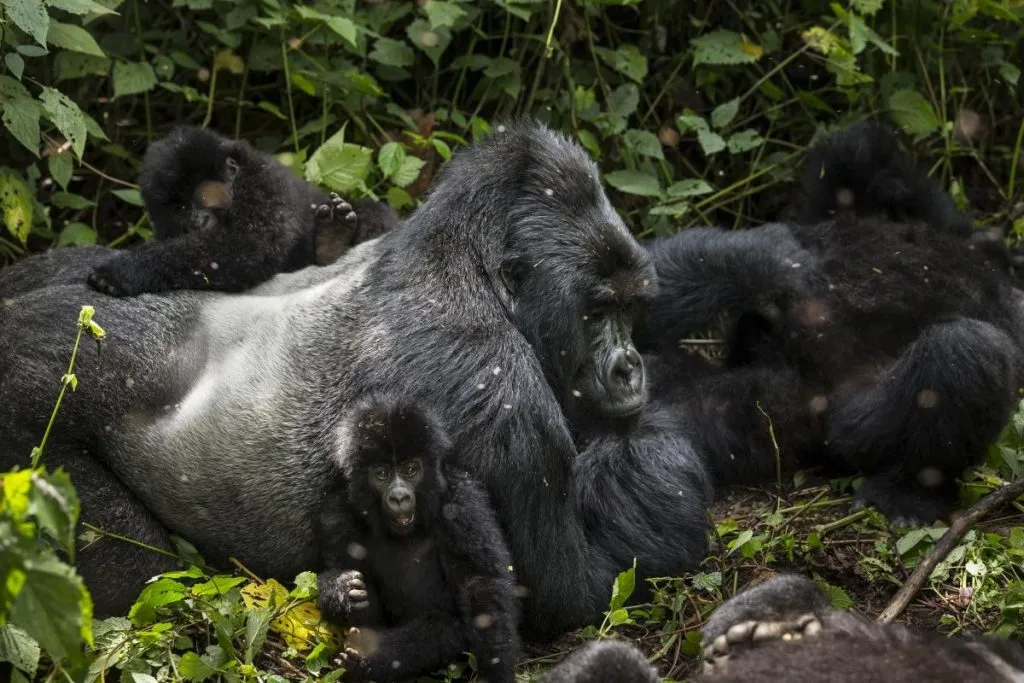

This is one of the clearest differences in a Rwanda vs Kenya Safari comparison.
Kenya does not offer mountain gorilla trekking. If meeting mountain gorillas is one of the main reasons you want to visit East Africa, Rwanda is therefore the natural choice between the two.
Rwanda’s Volcanoes National Park provides access to mountain gorilla trekking, where you walk through the mountainous forest with trained guides and trackers in search of a habituated gorilla family. The experience is physically active and can involve hiking through steep or muddy terrain depending on where the gorillas are located.
Rwanda’s official gorilla booking information currently lists the minimum tracking age as 15 years and a foreign visitor permit fee of US$1,500. The same official information states that visitors should report to the park registration centres at 7:00 AM.
Kenya can provide spectacular wildlife encounters with elephants, lions, leopards, rhinos and other large mammals, but it cannot replace the specific experience of walking through a mountain forest to observe wild mountain gorillas.
If gorillas are non-negotiable, Rwanda wins this category immediately.
Rwanda vs Kenya for Big Five Wildlife
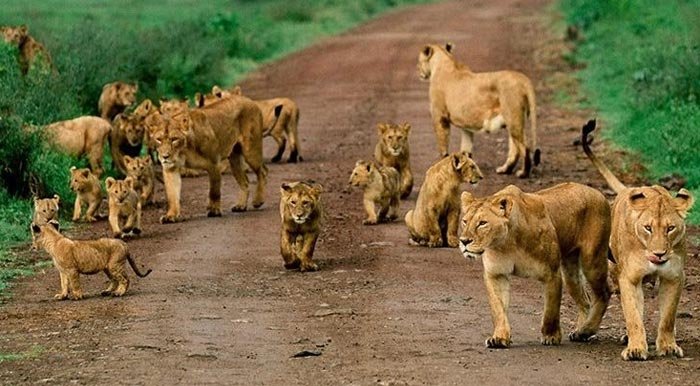
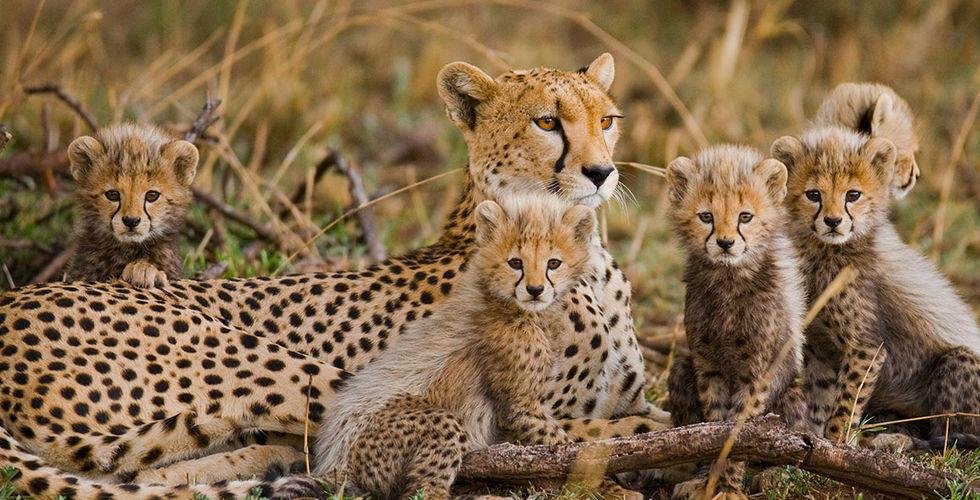
Kenya has a major advantage for travellers whose primary goal is classic Big Five wildlife.
The Maasai Mara is famous for lions, leopards, elephants, buffaloes and rhinos, and the surrounding conservancies add further opportunities for wildlife experiences. Magical Kenya identifies the Mara as a destination for Big Five viewing and the Great Migration.
Amboseli adds another spectacular wildlife environment, particularly for elephant lovers. Kenya Wildlife Service describes it as one of Africa’s premier destinations for close encounters with large elephant herds and notes its rich birdlife and dramatic Mount Kilimanjaro backdrop.
Tsavo provides an even larger wilderness setting. Tsavo West is described by Kenya Wildlife Service as one of Kenya’s most visually striking landscapes, with savannah, lava flows, springs and rich biodiversity including the Big Five.
Rwanda’s Akagera also offers the Big Five, so it would be inaccurate to say Rwanda cannot provide a classic wildlife safari. The difference is scale and safari depth. Akagera works beautifully as part of a wider Rwanda itinerary, whereas Kenya can support an entire holiday centred on large mammals and savannah wildlife.
If your dream is lions, leopards, elephants, buffaloes and rhinos across extensive savannah landscapes, Kenya is generally the stronger choice.
Rwanda vs Kenya for the Great Migration
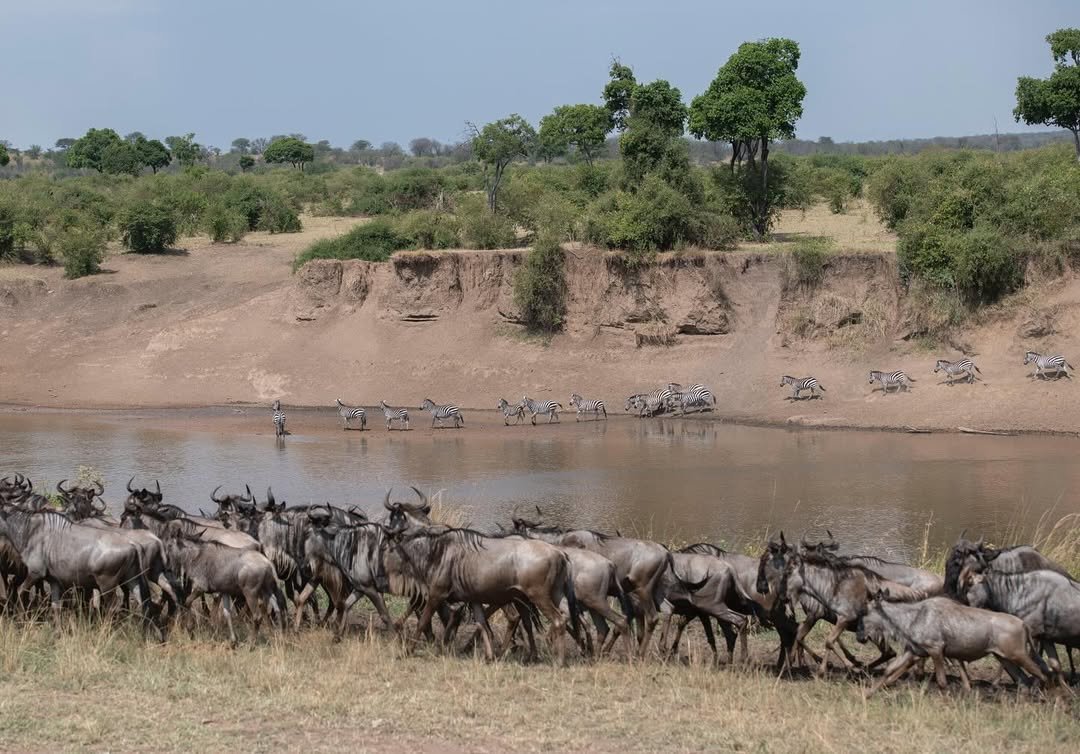
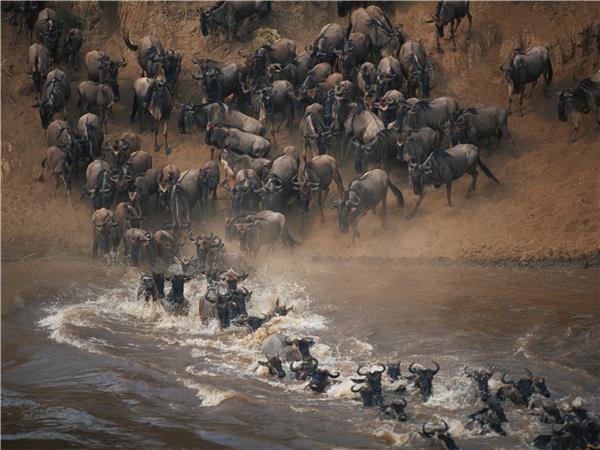
Kenya wins this category decisively.
The Maasai Mara is one of the most famous locations associated with the Great Migration. Magical Kenya explains that the migration takes place throughout the year across the wider Serengeti-Mara ecosystem, while the most dramatic Mara River crossing period generally occurs between July and October.
This means you should not book a migration safari simply because someone says “July is migration season.” Wildlife movements are dynamic, and the location of the herds depends on rainfall, grazing conditions and other ecological factors.
During the migration period, the Mara can provide extraordinary opportunities to photograph wildebeest, zebras and predators. The ecosystem is also known for high concentrations of lions and other predators attracted by the abundance of prey.
Rwanda has no comparable large-scale wildebeest migration. If the Great Migration is the experience you have always dreamed about, Kenya should be at the top of your list.
Rwanda vs Kenya for Chimpanzee Experiences


Rwanda has the stronger profile for travellers who want chimpanzees as an important part of their safari.
Nyungwe National Park is a major primate destination with chimpanzees and numerous other primates. Visit Rwanda describes the forest as an ancient rainforest with extraordinary biodiversity, while its current tourism information highlights chimpanzees, birds, orchids, butterflies and other forest species.
The chimpanzee experience in Nyungwe is very different from watching elephants or lions on a savannah game drive. You enter dense forest habitat, follow expert trackers and search through the canopy and vegetation for chimpanzees and other primates.
Kenya has excellent wildlife and some primate opportunities, but chimpanzee trekking is not one of the country’s defining safari experiences.
If your ideal safari involves gorillas, chimpanzees and other primates, Rwanda is considerably more compelling.
Rwanda vs Kenya for Primates
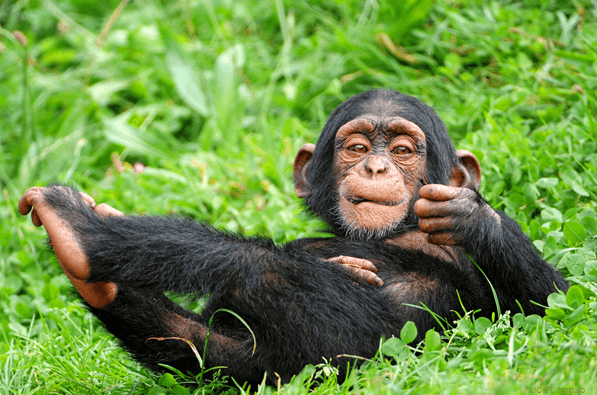
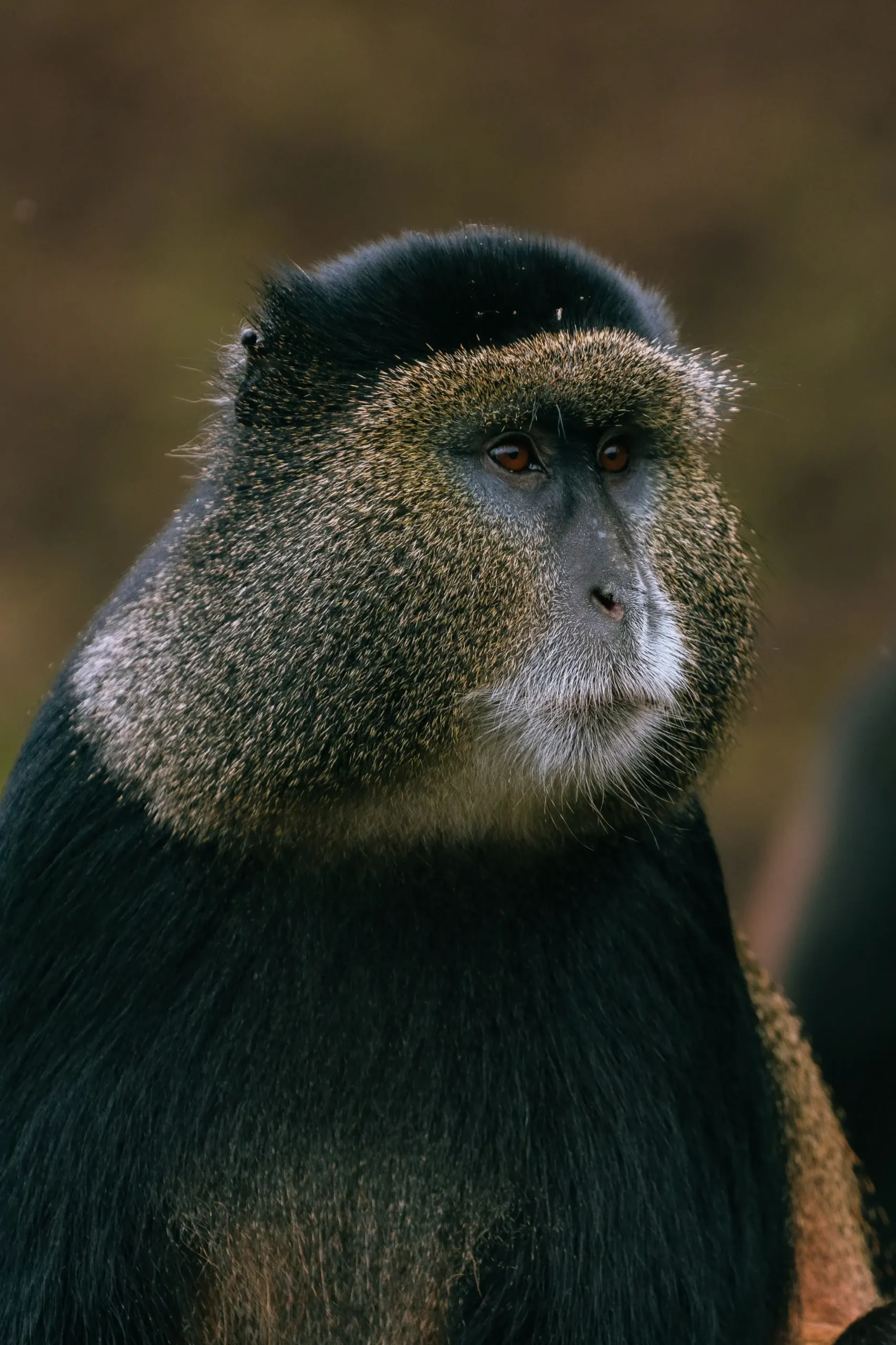
Rwanda is one of the strongest choices in East Africa for travellers whose safari is centred on primates.
Volcanoes National Park provides mountain gorillas and golden monkeys, while Nyungwe adds chimpanzees and other forest primates. The country’s relatively compact geography also makes it possible to design a primate-focused itinerary without crossing enormous distances.
The Nyungwe canopy walkway adds another dimension because it allows you to experience the forest from above. Visit Rwanda currently notes that 13 primate species occur in Nyungwe and that the forest supports numerous butterflies, orchids and endemic birds.
Kenya’s great strength lies elsewhere. It is particularly powerful for large mammals, predators, migration and classic savannah photography.
Therefore, if you are a dedicated primate enthusiast, Rwanda should receive serious consideration before Kenya.
Rwanda vs Kenya for Wildlife Photography
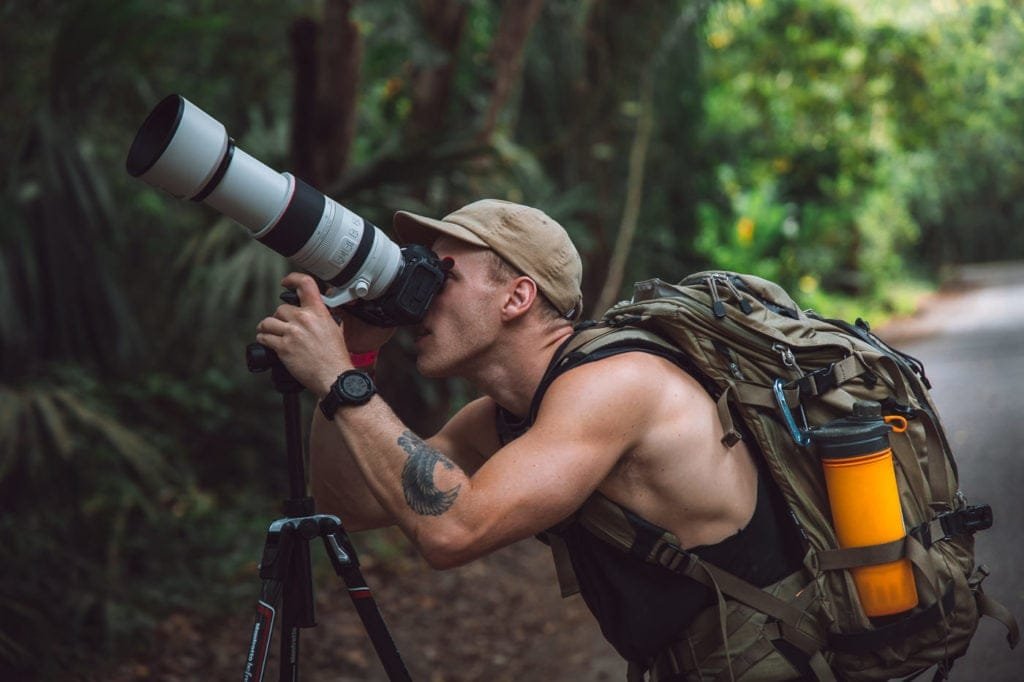
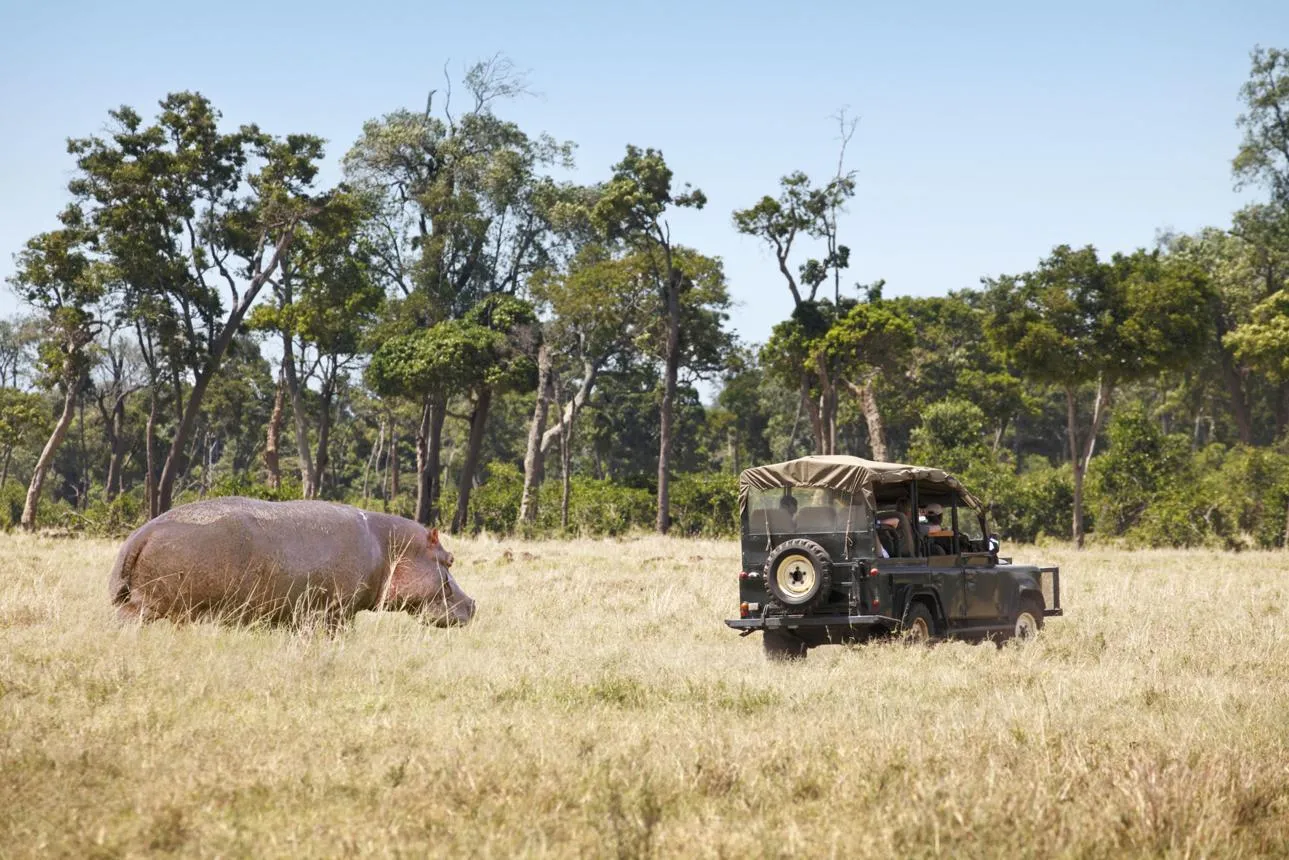
The best destination for photography depends on the subjects you want to photograph.
Rwanda is exceptional for intimate primate photography. Mountain gorillas provide powerful portrait opportunities, while golden monkeys, chimpanzees and other forest species create a diverse portfolio. The country’s volcanic mountains, misty forests, tea landscapes and lakes also provide dramatic landscape photography.
Kenya is exceptionally strong for traditional wildlife photography. The Maasai Mara provides lions, leopards, cheetahs, elephants, buffaloes, rhinos, wildebeest and zebras. The Great Migration can add enormous herds and predator activity to the photographic experience. Magical Kenya also highlights hot-air balloon experiences over the Mara, which can provide a completely different perspective on the landscape.
Amboseli adds spectacular elephant photography against Mount Kilimanjaro. Kenya Wildlife Service specifically identifies the park’s landscapes as highly suitable for photography and visual storytelling.
For wildlife photographers who want Big Five action and open landscapes, Kenya is difficult to beat. For primate portraits and dramatic mountain forests, Rwanda is outstanding.
Rwanda vs Kenya for Birdwatching
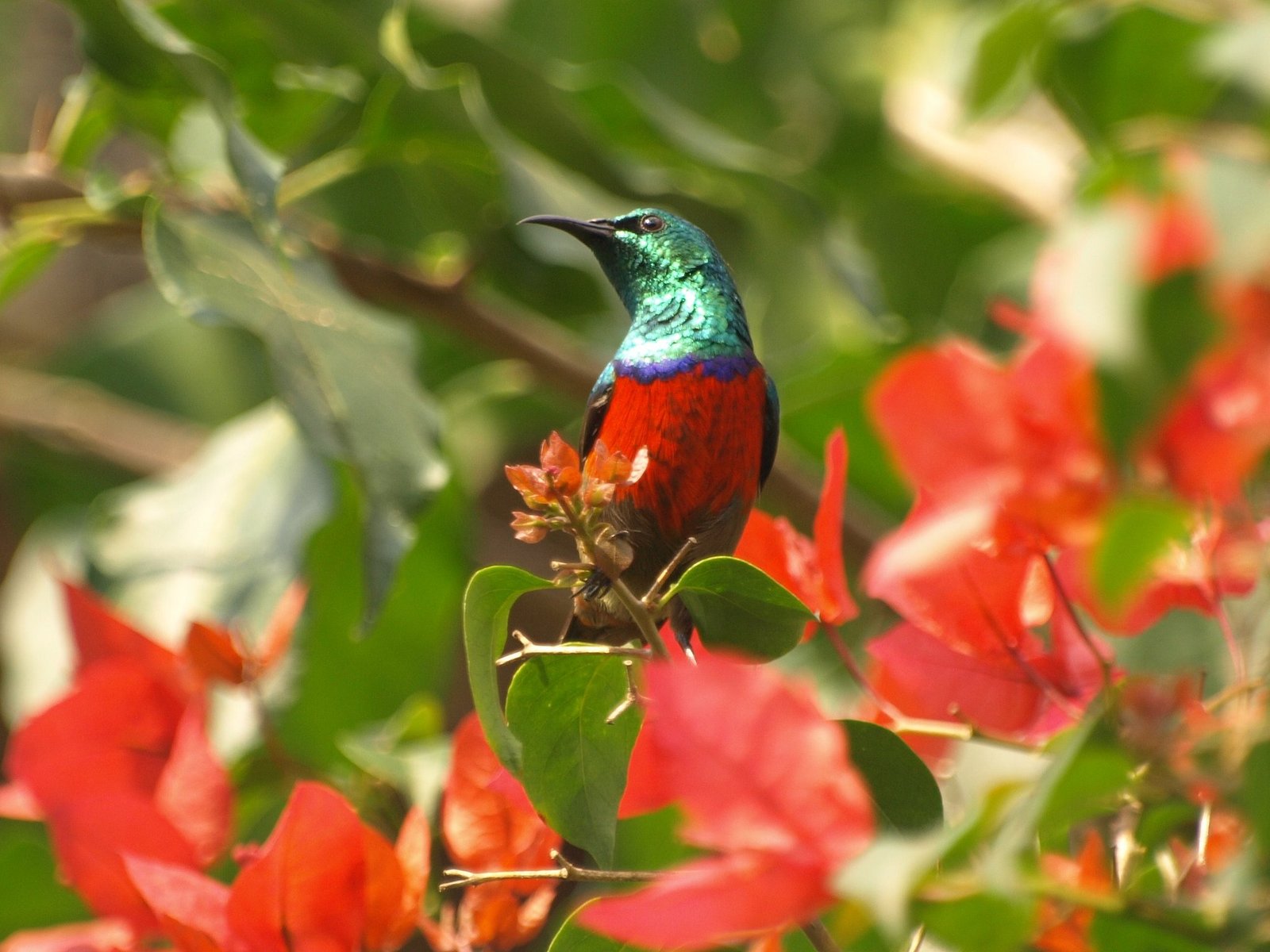
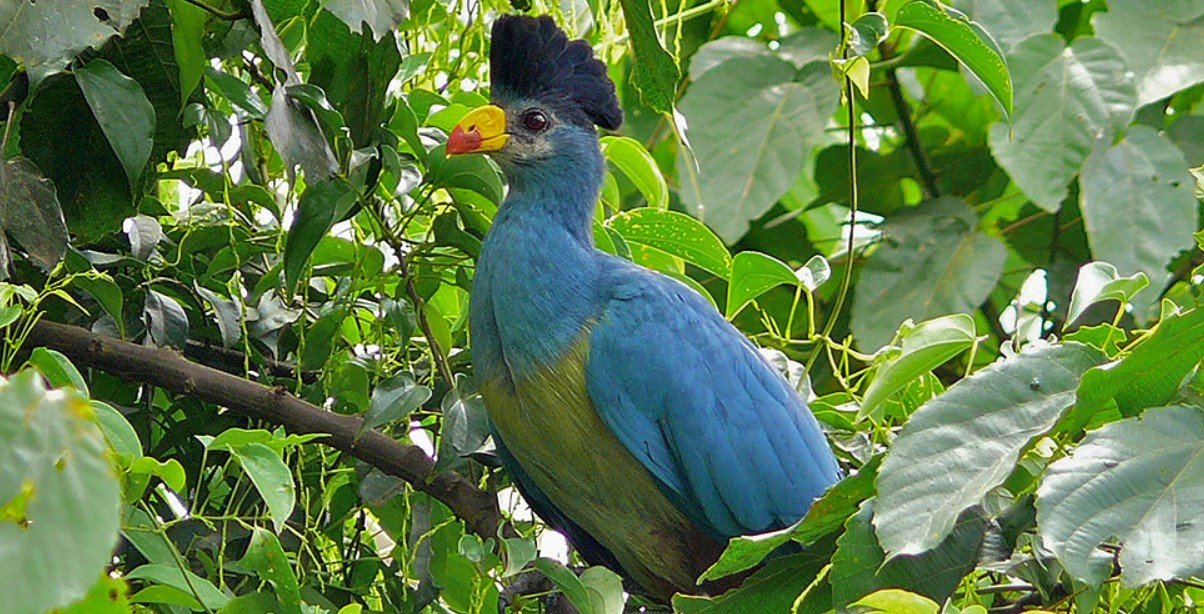
Both countries offer exceptional birdwatching, but the habitats are different.
Rwanda’s Nyungwe and Akagera are particularly important birding destinations. Visit Rwanda describes Rwanda as having one of the highest bird counts in Africa relative to its small size, with Nyungwe and Akagera among the principal birdwatching destinations.
Nyungwe is especially interesting for forest birding and Albertine Rift species, while Akagera provides wetland, woodland and savannah habitats.
Kenya offers a much larger geographical range of bird habitats. Amboseli, Tsavo, Lake Nakuru and other protected areas provide different environments, while the wider country includes wetlands, forests, mountains, savannahs and coastal ecosystems. Kenya Wildlife Service highlights bird diversity across its parks, including more than 400 species in Amboseli and more than 600 recorded species in Tsavo West.
For a dedicated birding expedition covering multiple habitats, Kenya can offer tremendous scope. For a compact birding safari combined with primates and rainforest, Rwanda is highly attractive.
Rwanda vs Kenya for Scenery
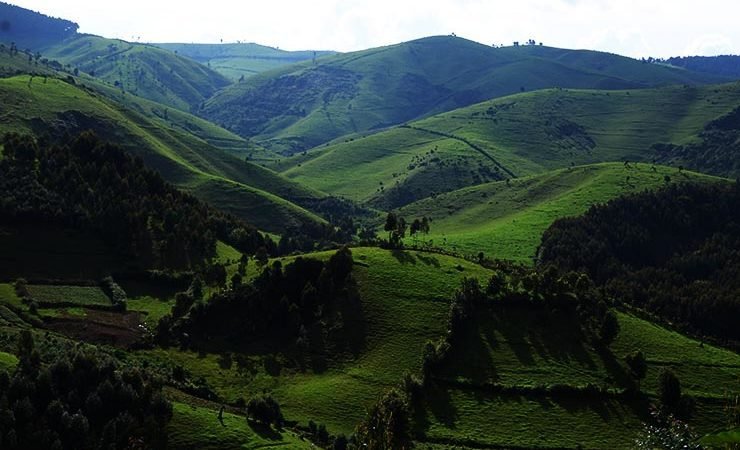
Rwanda is known as the Land of a Thousand Hills, and the scenery is one of the country’s strongest assets.
The journey between destinations can itself become part of the experience. Green hills, cultivated slopes, volcanic mountains, forests, tea plantations and Lake Kivu create a constantly changing visual landscape. Visit Rwanda promotes road travel through the country specifically because the routes provide changing views across its hills and destinations.
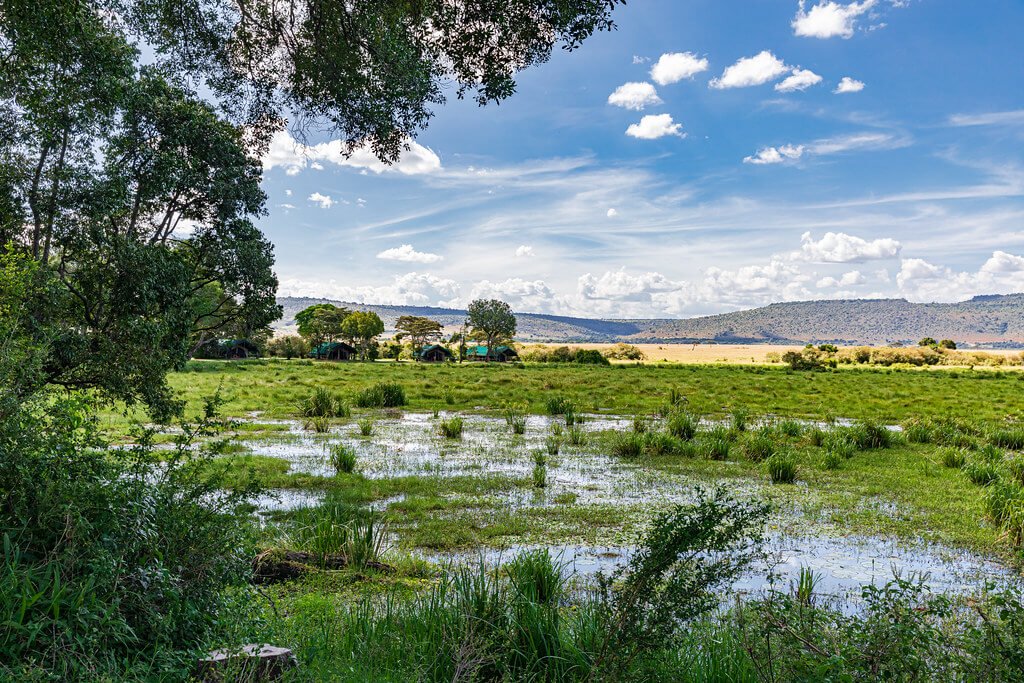
Kenya’s scenery is more geographically varied and often much larger in scale.
The Maasai Mara provides open grasslands, Amboseli offers Kilimanjaro views, Tsavo delivers huge semi-arid landscapes and volcanic features, while other destinations introduce mountains, lakes and forests. Kenya Wildlife Service describes Tsavo East as a vast semi-arid wilderness and Amboseli as a landscape of plains, wetlands and woodland beneath Mount Kilimanjaro.
Choose Rwanda for lush hills, volcanoes and intimate landscapes. Choose Kenya for vast savannah horizons, iconic mountains and expansive wilderness.
Rwanda vs Kenya for Luxury Safaris


Both countries can deliver exceptional luxury safaris.
Rwanda’s luxury proposition is particularly strong around gorilla trekking. You can combine premium accommodation with private transfers, personalised guiding, carefully selected meals and exclusive experiences. The compact nature of the country also makes it easier to create a comfortable itinerary without excessive road transfers.
A luxury Rwanda safari can combine Kigali, Volcanoes National Park, Nyungwe, Lake Kivu and Akagera depending on how many days you have.
Kenya has one of Africa’s most developed luxury safari ecosystems. You can stay in high-end lodges and tented camps around the Maasai Mara, private conservancies, Amboseli and other wildlife destinations. The Mara also provides luxury experiences such as hot-air balloon safaris and guided activities in selected areas. Magical Kenya highlights both luxury accommodation and specialised safari experiences in the Mara region.
If luxury means an intimate gorilla-focused experience, Rwanda is compelling. If luxury means a classic private African safari across multiple wildlife areas, Kenya has an enormous advantage.
Rwanda vs Kenya for Family Safaris
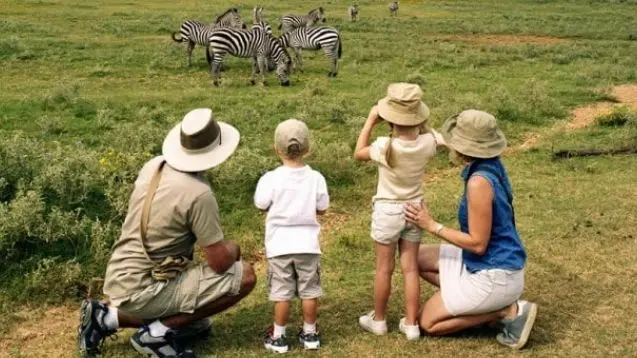

Both Rwanda and Kenya can work extremely well for families, but the best itinerary depends on the children’s ages and interests.
Kenya is particularly strong for families because game drives can provide exciting sightings of elephants, giraffes, zebras, lions, buffaloes and other large mammals without requiring strenuous hiking. Amboseli, the Maasai Mara and other wildlife destinations can be combined into a family-friendly itinerary with carefully managed driving times.
Rwanda can be excellent for families who want a more varied experience. Akagera provides classic game drives and boat experiences, while Kigali, Lake Kivu and cultural activities add variety.
Families interested in gorilla trekking must pay attention to age restrictions. Rwanda’s official information currently sets the minimum age for gorilla tracking at 15 years.
For families with younger children, Rwanda can still provide an excellent holiday without gorilla trekking by focusing on Akagera, Lake Kivu, Kigali and age-appropriate cultural and nature activities.
For families with teenagers who meet the gorilla trekking requirement, Rwanda becomes especially exciting.
Rwanda vs Kenya for Teenagers
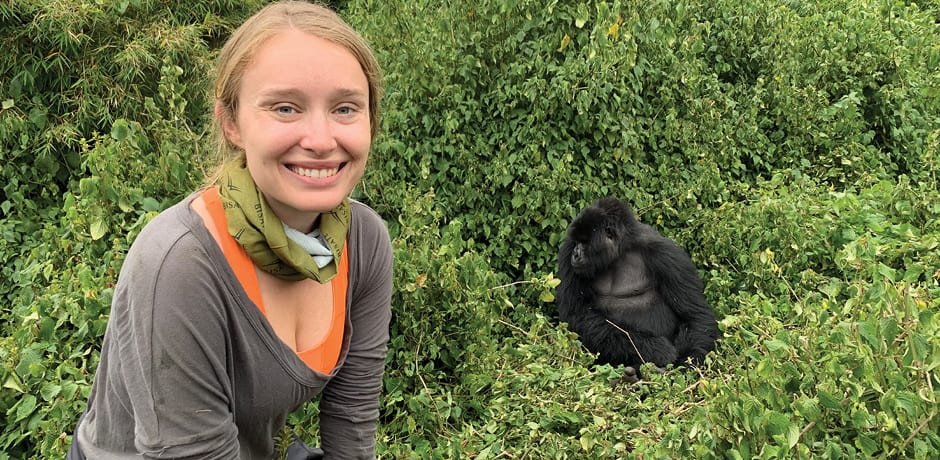

Teenagers can enjoy both destinations because each offers experiences that feel adventurous and educational.
Rwanda can combine gorilla trekking, chimpanzee tracking, golden monkeys, hiking, canopy walks, cultural experiences and wildlife. The combination is especially attractive for teenagers interested in animals, conservation, photography or outdoor adventure.
Kenya provides the classic safari experience many teenagers imagine when they think about Africa. Game drives through the Maasai Mara, elephant viewing in Amboseli, cultural experiences and opportunities for photography can make the journey highly engaging.
Kenya’s wider range of safari environments also means that a longer family trip can keep changing from one destination to another.
For a teenager fascinated by primates and conservation, Rwanda is excellent. For one fascinated by lions, elephants, cheetahs and the Great Migration, Kenya is likely to be more exciting.
Rwanda vs Kenya for Couples and Honeymoons


Rwanda and Kenya offer two very different honeymoon styles.
Rwanda works beautifully for couples who want adventure followed by relaxation. You can trek mountain gorillas in Volcanoes National Park, enjoy luxury accommodation, explore Kigali and then relax around Lake Kivu. The combination of forest, mountains and lakes creates an intimate honeymoon experience.
Kenya offers the classic safari honeymoon. You can spend several days in the Maasai Mara or another wildlife destination before continuing to the Kenyan coast for a tropical beach escape.
The Maasai Mara can add romantic experiences such as sunrise hot-air balloon flights and private wildlife activities in selected areas. Magical Kenya lists balloon safaris and Maasai cultural experiences among the attractions available in the Mara.
If you want gorillas and a peaceful lakeside finish, choose Rwanda.
If you want Big Five wildlife followed by an Indian Ocean beach holiday, Kenya is difficult to beat.
Rwanda vs Kenya for Self-Drive Safaris
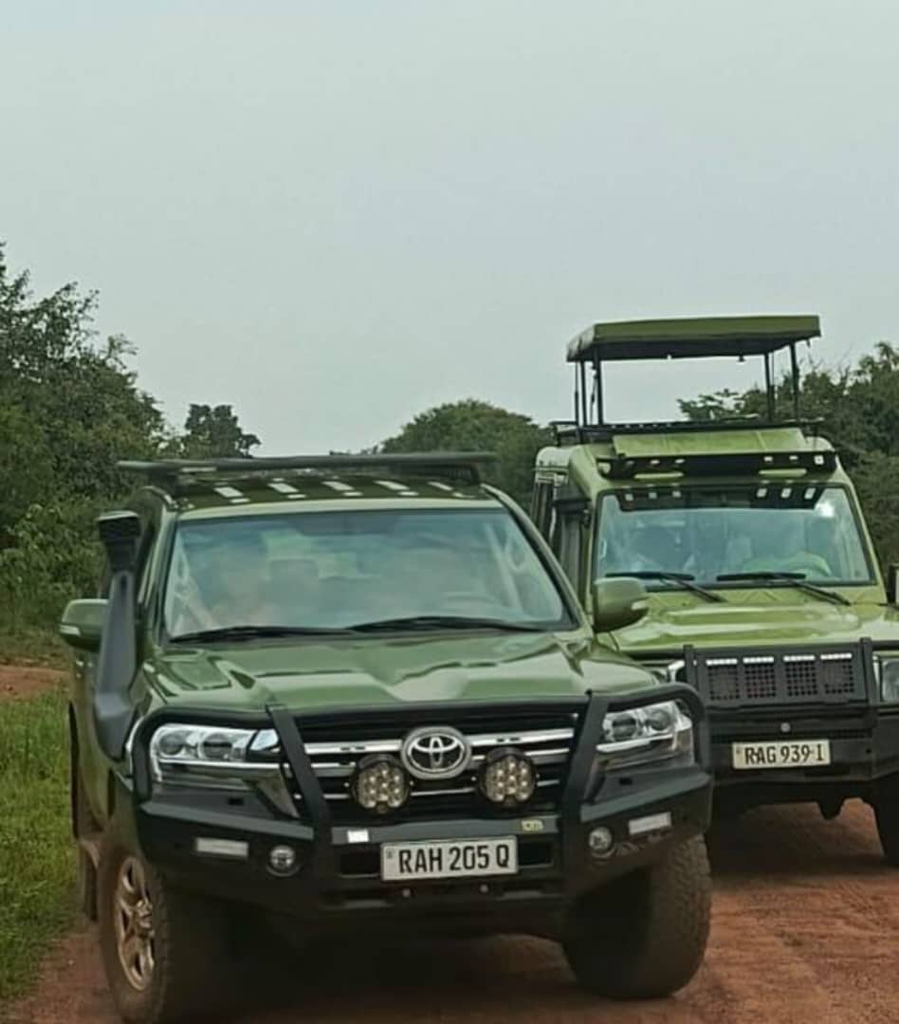
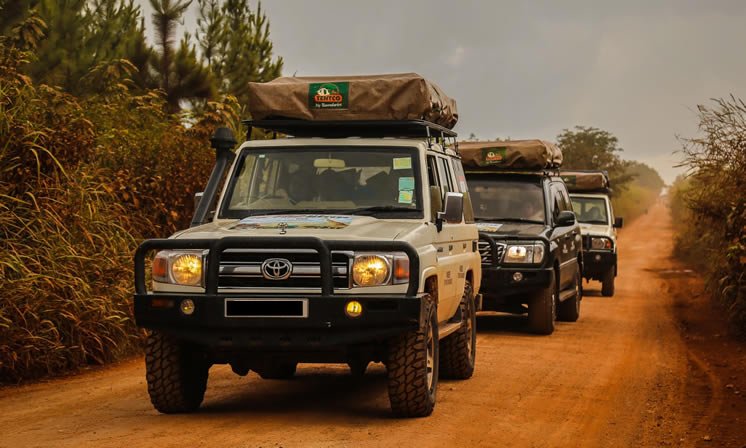
Rwanda is relatively easy to explore by road, and Visit Rwanda specifically promotes the country as a destination that can be explored by car. Its compact size and connected national park circuit can make road travel attractive for experienced independent travellers.
Kenya also offers self-drive possibilities, but safari driving requires considerably more attention to wildlife, road conditions, park regulations and navigation.
Kenya Wildlife Service requires visitors in its parks to follow wildlife safety rules, remain on established roads and observe speed restrictions. For example, KWS currently states a maximum speed of 40 km/h in Amboseli and advises visitors to maintain a minimum wildlife viewing distance of 20 metres.
For an independent road trip through Rwanda, the country’s compact geography can be advantageous.
For a wildlife safari in Kenya, a professional driver-guide can be particularly valuable because local knowledge can significantly improve the quality of game viewing and navigation.
Rwanda vs Kenya for Adventure Activities
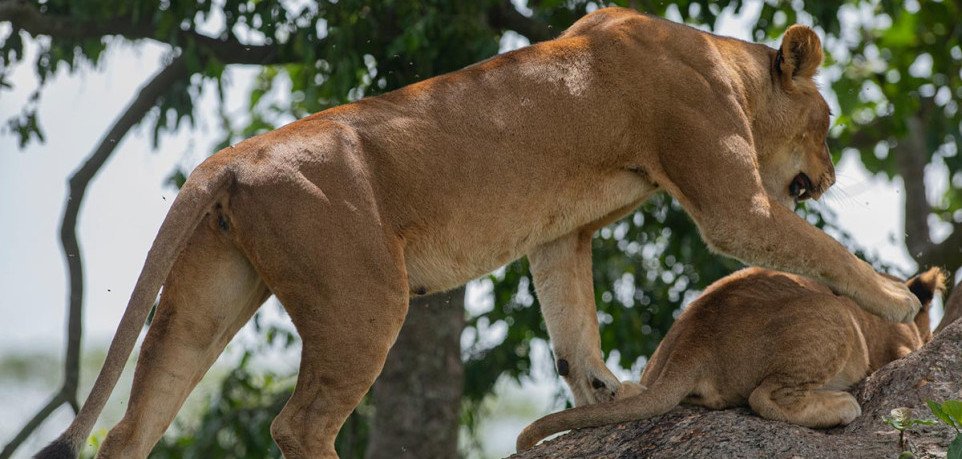
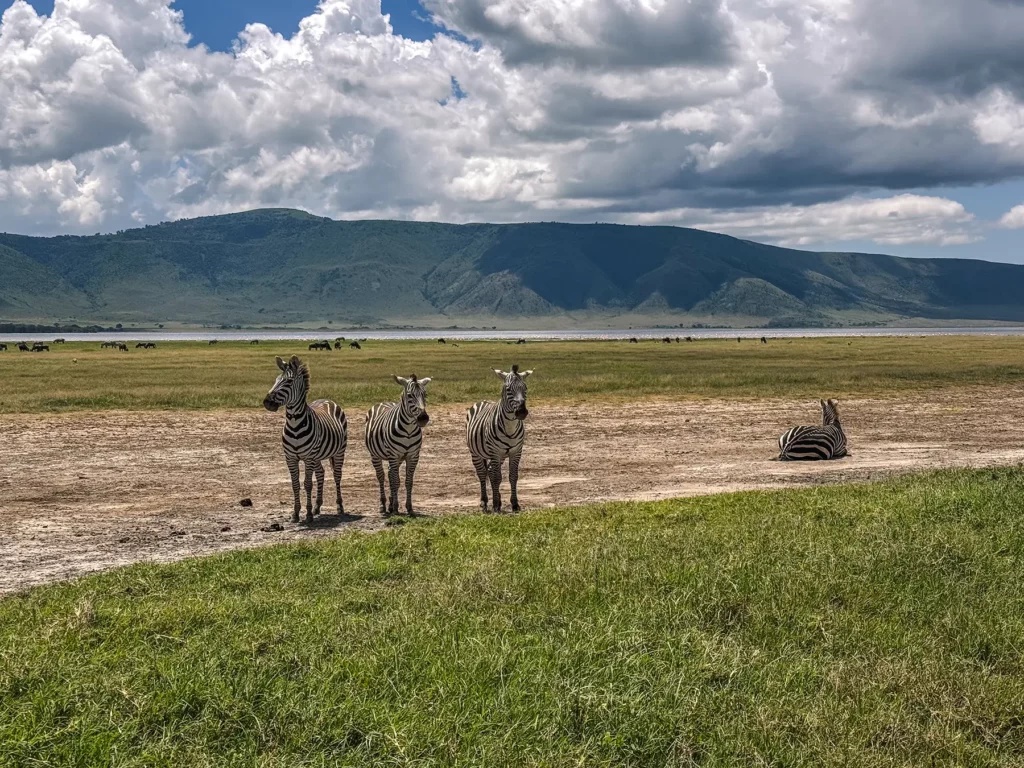
Rwanda offers an impressive collection of adventure experiences beyond wildlife.
You can combine gorilla trekking with volcano hiking, golden monkey tracking, rainforest hiking, canopy walks, caving, kayaking, cycling and other outdoor activities. Visit Rwanda currently highlights hiking, canopy experiences, caving, helicopter tours, kayaking and cycling among the country’s adventure possibilities.
Kenya also offers far more than game drives. The Maasai Mara can include guided walks and hot-air balloon experiences, while Amboseli and other destinations provide hiking, cultural experiences and wildlife activities. Kenya’s varied geography also opens possibilities around mountains, lakes and the coast.
Rwanda is particularly appealing if you want an active primate and mountain holiday.
Kenya is particularly attractive if you want safari adventure combined with large landscapes, cultural experiences and coastal activities.
Rwanda vs Kenya for Cultural Experiences
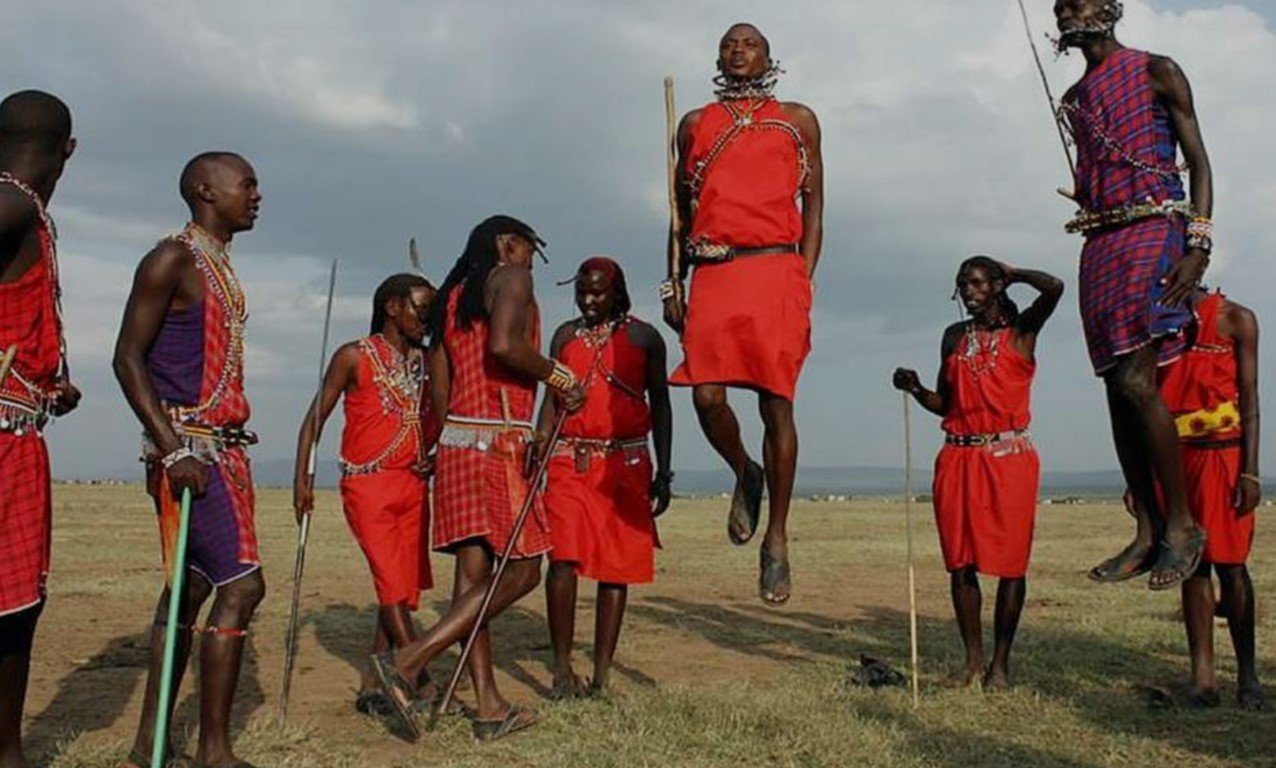

Culture can become an important part of either itinerary.
Rwanda offers cultural and historical experiences around Kigali and throughout the country, including traditional dance, arts, crafts, community experiences and opportunities to learn about Rwanda’s history and modern development.
Kenya offers a much broader cultural landscape because of its many communities and regions. The Maasai cultural experience is particularly associated with the Mara and Amboseli areas. Magical Kenya currently promotes Maasai village experiences and warrior training as activities around the Maasai Mara.
The most meaningful cultural experiences should be organised respectfully and should provide genuine benefits to local communities rather than treating culture simply as entertainment.
For travellers who want a safari with strong cultural interaction, Kenya provides enormous variety. Rwanda offers a more compact cultural experience that can fit naturally into a shorter itinerary.
Rwanda vs Kenya for First-Time African Safari Travellers
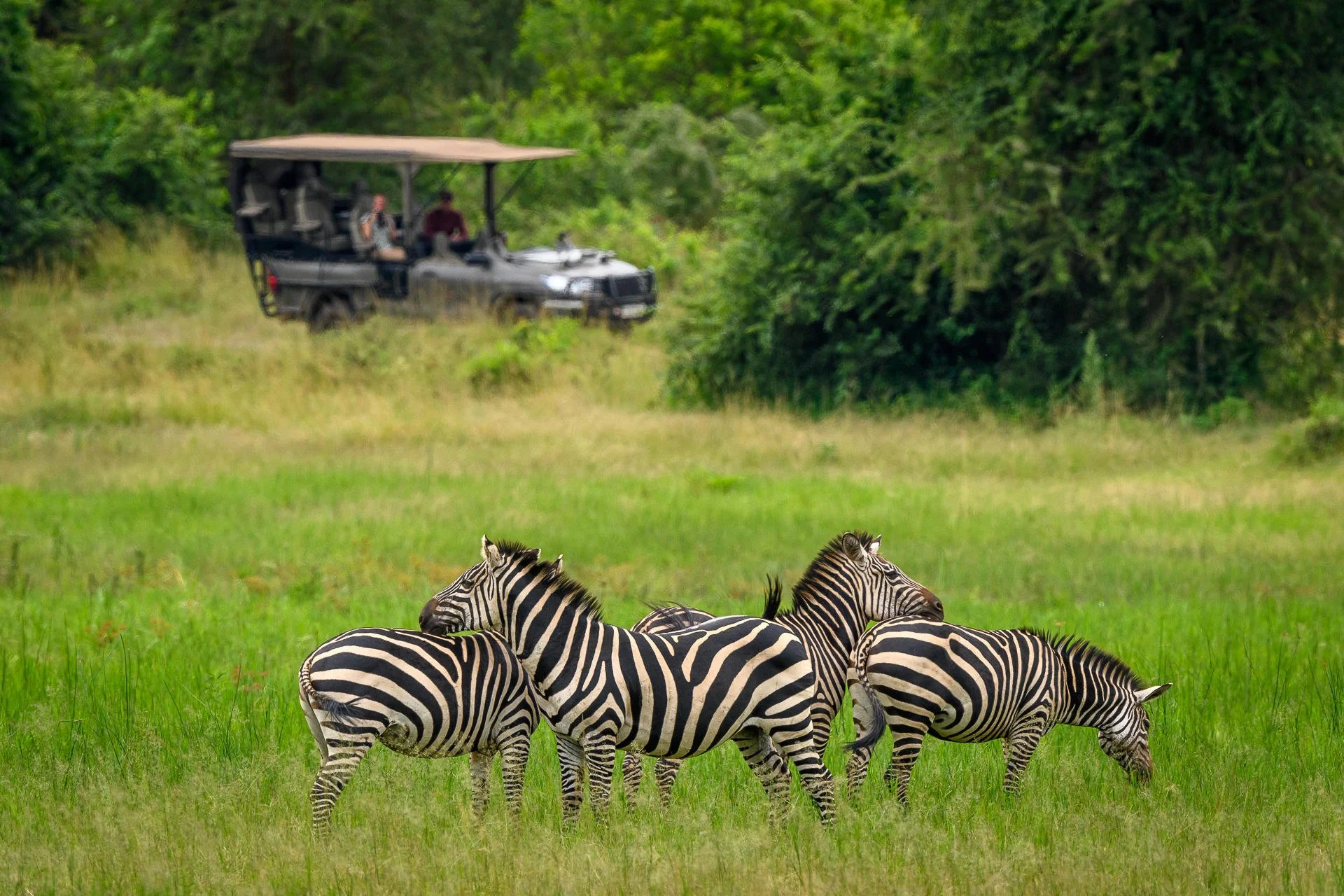

If this is your first trip to Africa, think about what you have always imagined when you picture an African safari.
If you picture lions walking across golden grasslands, elephants beneath Mount Kilimanjaro, cheetahs hunting and enormous herds of wildebeest, Kenya may be exactly what you have been looking for.
If you picture mist-covered volcanic mountains, mountain gorillas, chimpanzees, rainforest trails and beautiful green hills, Rwanda may be the stronger match.
Kenya often feels like the classic wildlife documentary safari.
Rwanda often feels like a more intimate combination of primates, mountains, culture and wildlife.
Both can be excellent first African safari destinations.
Rwanda vs Kenya for Budget Travellers
The cheapest destination depends heavily on what you want to do.
Rwanda’s gorilla permit is a major fixed cost for travellers who want to trek. The official Rwanda booking system currently lists the foreign visitor permit at US$1,500.
Kenya has no equivalent gorilla permit, but a multi-day safari can involve park fees, vehicle costs, accommodation, guide services and long-distance transfers.
A budget Kenya safari can be structured around fewer destinations and simpler accommodation, while a Rwanda trip can be made more affordable by focusing on selected destinations and choosing appropriate accommodation.
The best way to compare the two countries is therefore to compare complete itineraries rather than individual park or activity prices.
A US$1,500 gorilla permit should never be compared directly with a Kenya park entry fee and treated as the total cost of a safari.
Can You Combine Rwanda and Kenya in One Safari?
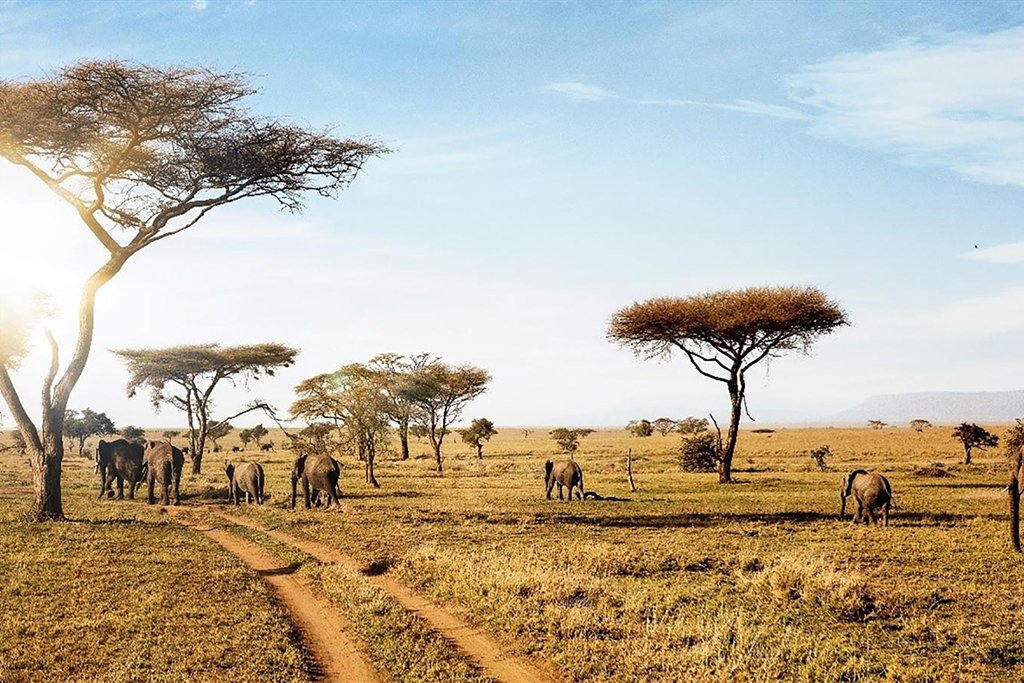
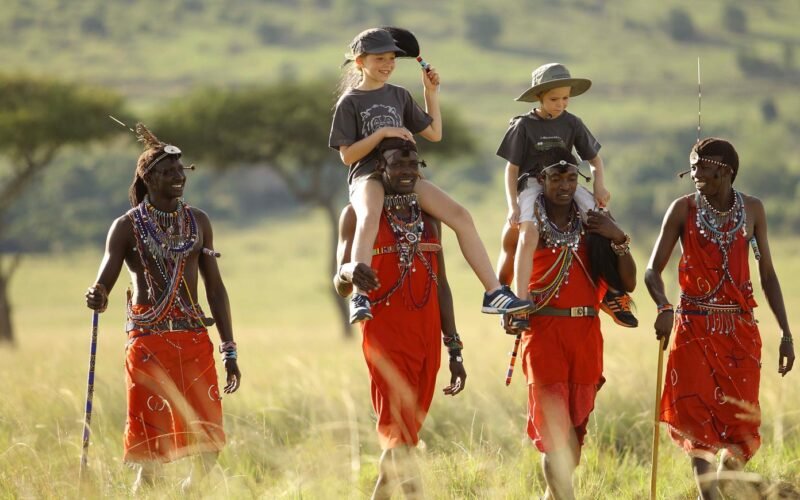
Yes. Combining Rwanda and Kenya can be an outstanding option for travellers who have enough time and do not want to choose between gorillas and classic savannah wildlife.
You could begin in Kigali and travel to Volcanoes National Park for mountain gorilla trekking. After your Rwanda experience, you could fly to Kenya and continue to the Maasai Mara for Big Five wildlife.
You could then add Amboseli for elephants and Mount Kilimanjaro views before finishing your trip in Nairobi or continuing towards the Kenyan coast.
Another option is to keep Rwanda entirely focused on gorillas and primates and dedicate the Kenya portion to the Great Migration.
This gives you two completely different safari environments within one holiday.
Example 12-Day Rwanda and Kenya Safari
A twelve-day combined safari can give you the best of both destinations.
You could begin with Kigali and Volcanoes National Park, allowing enough time for gorilla trekking and another mountain or cultural experience. You could then fly to Kenya and continue towards the Maasai Mara for several days of Big Five wildlife.
If your dates are suitable, the Kenya portion can be structured around the Great Migration. If migration is not the focus, the itinerary can concentrate on resident wildlife and the wider Mara ecosystem.
You could finish in Nairobi or extend the journey towards the Kenyan coast.
This type of combined itinerary is particularly suitable for travellers who are making a major once-in-a-lifetime trip to East Africa.
Plan Your Rwanda or Kenya Safari With Rwanda Family Tours
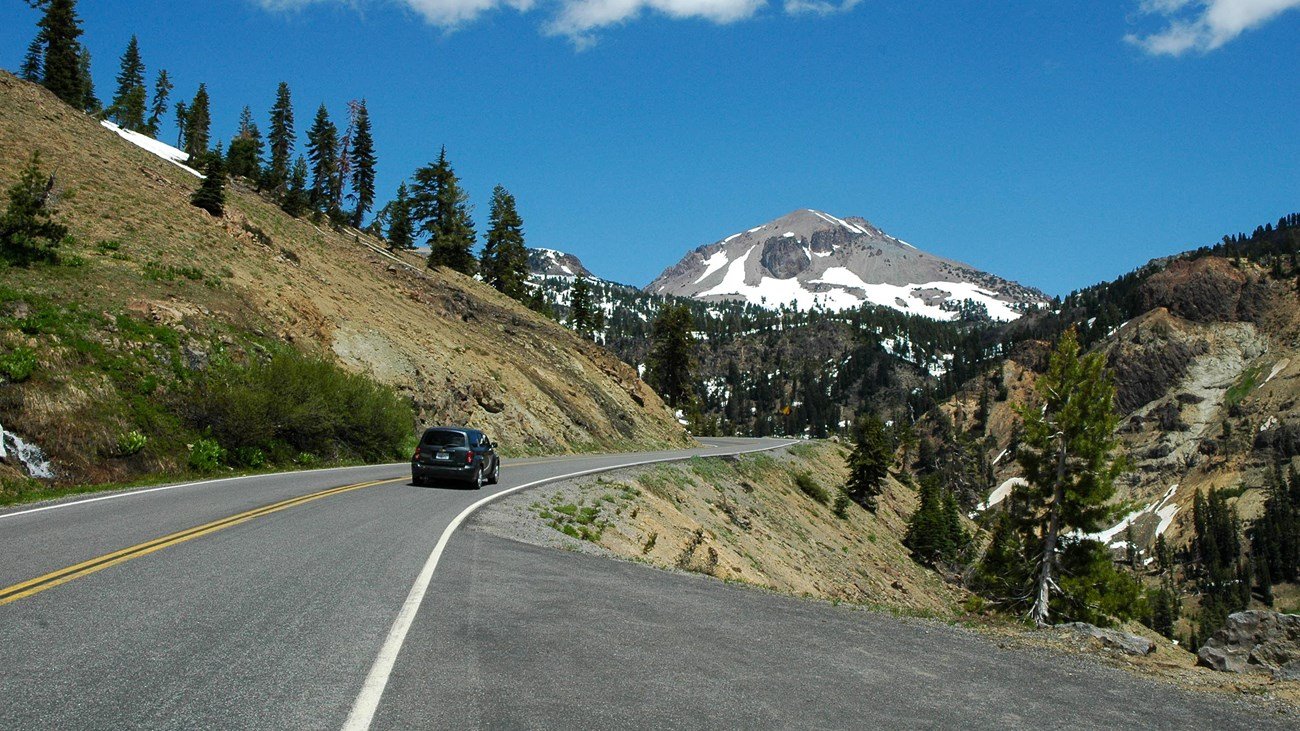
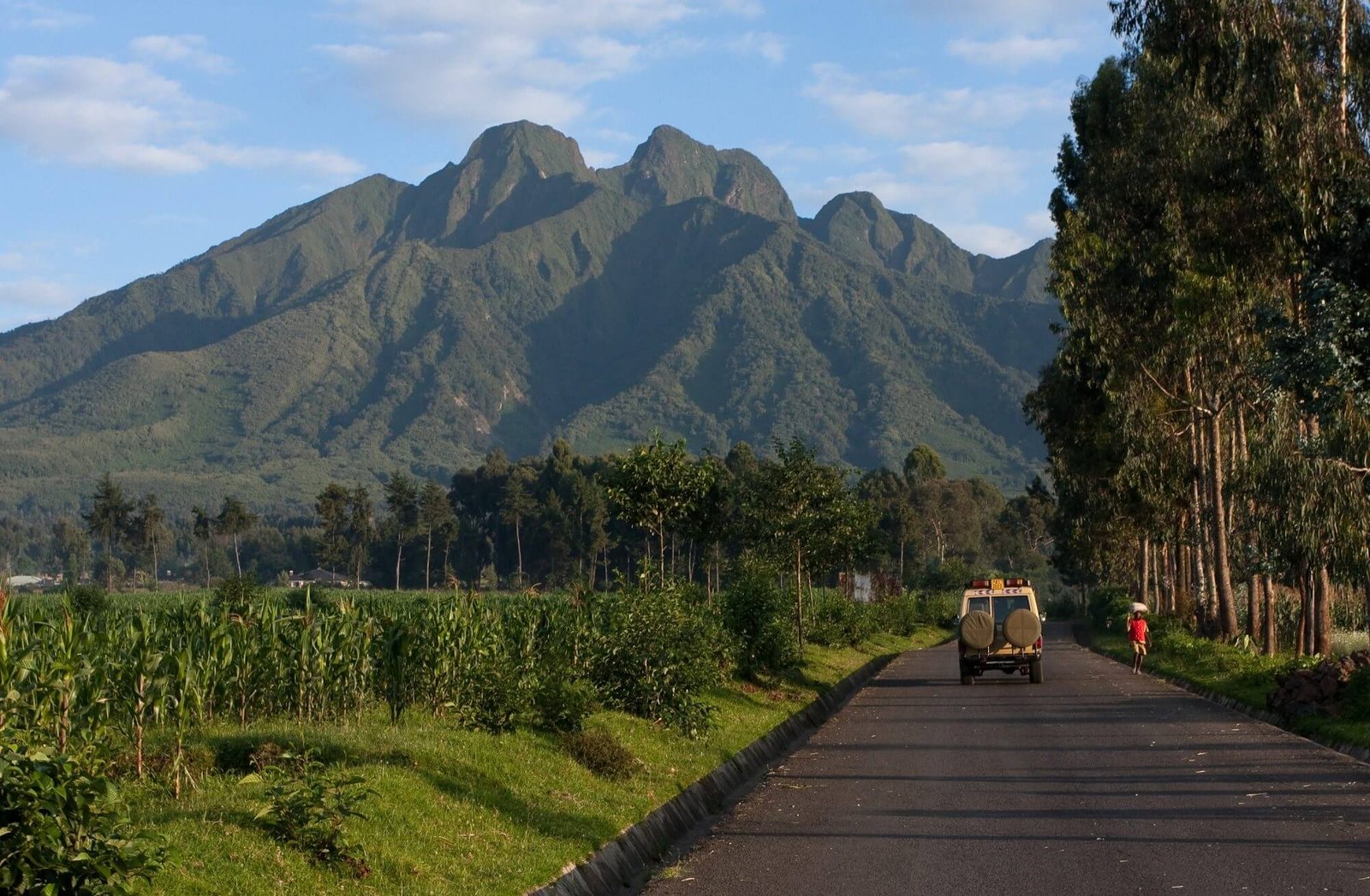
Choosing between Rwanda and Kenya can be difficult when you are comparing individual parks, lodges, permits, flights, transfers and activities separately. Rwanda Family Tours can help you look at the complete journey and recommend the destination that best matches your priorities.
If Rwanda is the better fit, your safari can be built around Kigali, Volcanoes National Park, Akagera, Nyungwe and Lake Kivu. You can focus on gorillas, chimpanzees, golden monkeys, wildlife, photography, birdwatching, culture or luxury relaxation.
If Kenya is the better match, your itinerary can be designed around the Maasai Mara, Amboseli, Lake Nakuru, Tsavo, conservancies and other destinations according to your travel dates and interests.
If you want both, we can create a combined Rwanda vs Kenya Safari that gives you mountain gorillas and classic Big Five wildlife in one carefully planned East African journey.
Frequently Asked Questions About Rwanda vs Kenya Safari
1. Which is better, Rwanda or Kenya for a safari?
The better destination depends on your preferred safari experience. Rwanda is ideal for mountain gorilla trekking, chimpanzee experiences, golden monkeys, volcanic landscapes, rainforest and compact luxury safaris. Kenya is better suited to travellers seeking the Big Five, the Maasai Mara, the Great Migration, Amboseli, extensive savannah and classic game drives.
2. Is Rwanda or Kenya better for gorilla trekking?
Rwanda is the better choice because Kenya does not offer mountain gorilla trekking. Rwanda’s Volcanoes National Park is one of the world’s leading destinations for mountain gorilla experiences. You can also combine gorilla trekking with golden monkey tracking, cultural experiences, Nyungwe chimpanzee trekking and Lake Kivu.
3. Which is cheaper, Rwanda or Kenya for a safari?
The total cost depends on your itinerary, accommodation, activities, transportation and travel dates. Rwanda’s gorilla permit is a significant expense if trekking is included, while Kenya has no gorilla permit but safari costs can increase when visiting several national parks or private conservancies. Comparing complete safari quotations is the best way to determine which option offers better value for your budget.
4. Is Kenya or Rwanda better for the Big Five and Great Migration?
Kenya is the stronger choice for classic Big Five safaris and the Great Migration. The Maasai Mara provides opportunities to see lions, leopards, elephants, buffaloes and rhinos, while the annual wildebeest migration can create spectacular wildlife encounters during the appropriate season. Rwanda’s Akagera National Park also offers Big Five wildlife but on a smaller scale.
5. Can I combine Rwanda and Kenya in one safari?
Yes. A Rwanda vs Kenya Safari is an excellent option if you want both mountain gorillas and classic African wildlife. You can begin in Rwanda with Kigali and gorilla trekking in Volcanoes National Park, then fly to Kenya for the Maasai Mara, Big Five game viewing and, depending on your itinerary, Amboseli or the Kenyan coast. Rwanda Family Tours can create a personalised itinerary based on your dates, budget and interests.
Book Your Rwanda vs Kenya Safari Today
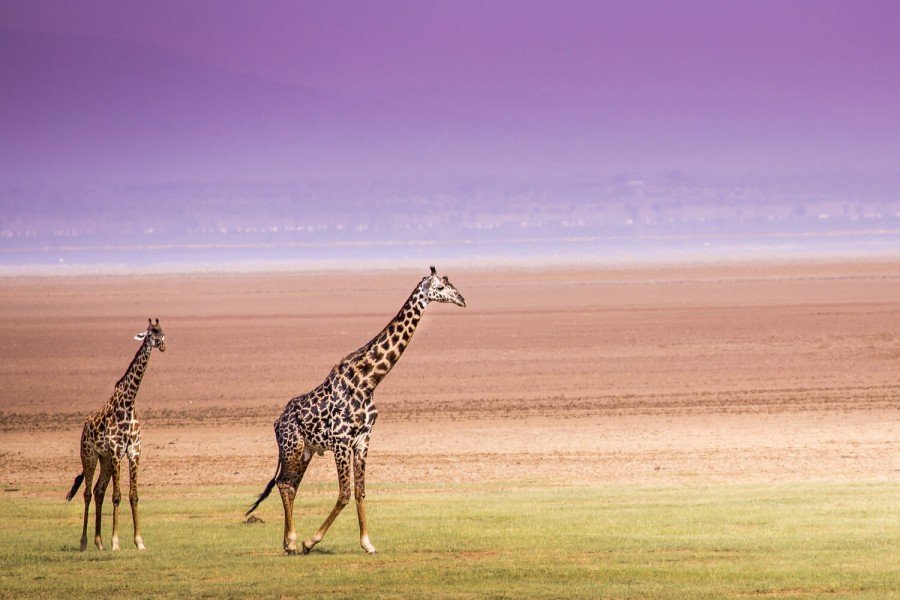
Your safari should be designed around what you genuinely want to experience rather than simply choosing a standard package.
Tell us whether your priority is gorilla trekking, the Great Migration, Big Five wildlife, chimpanzees, photography, birdwatching, luxury accommodation, family travel, a honeymoon or a combination of several experiences.
Share your preferred travel dates, number of travellers, accommodation preference and approximate budget. If you are travelling with children, include their ages because some wildlife and trekking activities have specific age requirements.
For gorilla trekking, Rwanda’s official information currently sets the minimum tracking age at 15 years and lists the foreign visitor permit at US$1,500.
For a Kenya safari, your travel dates are particularly important if the Great Migration is one of your priorities. The migration moves continuously through the wider Serengeti-Mara ecosystem, so the itinerary should be planned around the seasonal wildlife pattern rather than assuming that the animals will always be in one particular location.
Once we know your travel dates and priorities, we can recommend whether Rwanda, Kenya or a combination of both countries makes the most sense.
Your quotation can be structured around private transportation, carefully selected accommodation, park activities, permits, meals and other major safari requirements.
For luxury travellers, the itinerary can incorporate premium lodges, private transfers and domestic flights where they make the journey more comfortable. For families, the programme can be paced around children’s ages and interests. For photographers and birders, additional time can be built into the itinerary for specialist experiences.
You do not need to decide every detail before contacting us.
Simply tell us what you want to see, how long you have and the type of experience you are looking for, and we can help turn those priorities into a practical safari plan.