
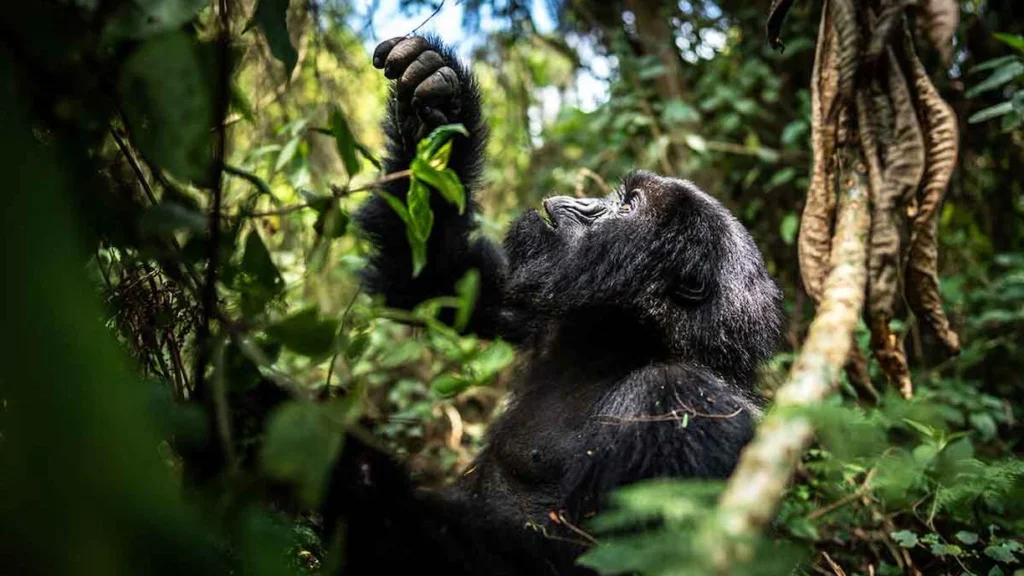
Ultimate Rwanda Safaris: Gorilla Trekking, Big Five Wildlife and Unforgettable Adventure
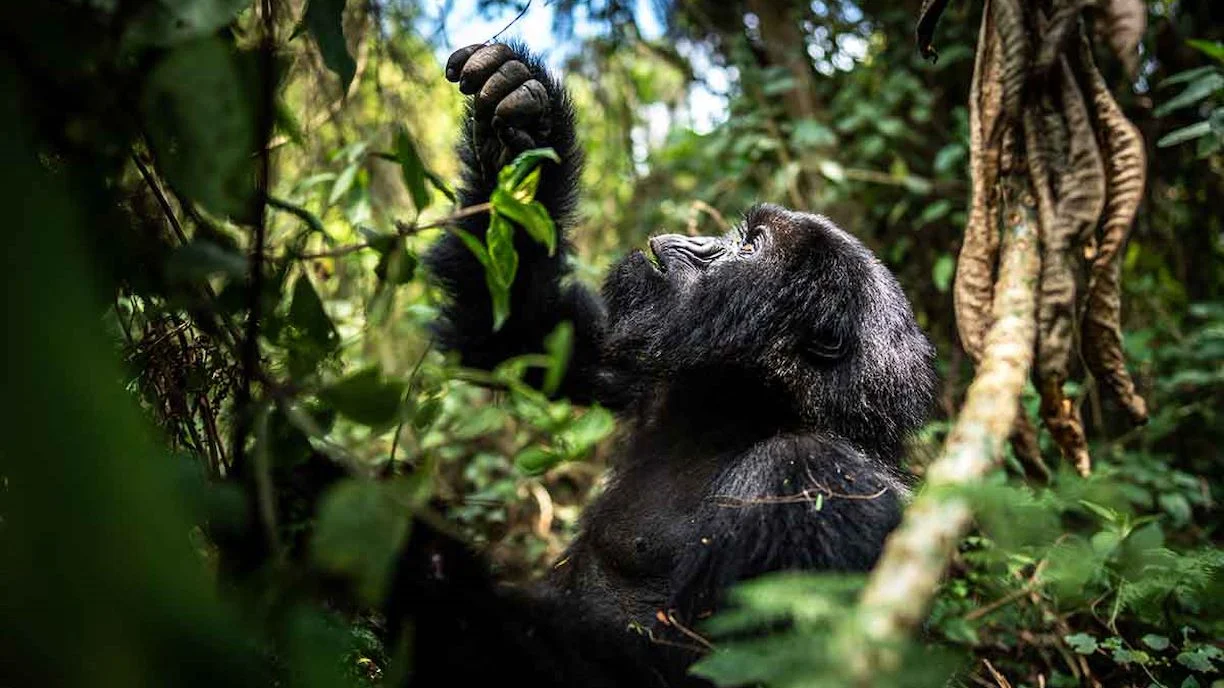
Rwanda Safaris introduce travellers to a remarkable African destination where mountain gorillas, chimpanzees, golden monkeys, Big Five wildlife, volcanic landscapes, ancient rainforests and peaceful lakes can be experienced within one carefully planned journey. Known as the Land of a Thousand Hills, Rwanda offers an impressive variety of landscapes, from the mist-covered Virunga Mountains in the north to the open savannah and wetlands of Akagera National Park in the east.
Although Rwanda is best known for mountain gorilla trekking, the country offers far more than a single wildlife encounter. Visitors can track chimpanzees in Nyungwe Forest, search for lions and rhinos in Akagera, walk above the rainforest on the Nyungwe canopy walkway, relax beside Lake Kivu, explore Kigali and participate in meaningful cultural experiences. Rwanda officially has four national parks: Volcanoes, Akagera, Nyungwe and Gishwati-Mukura, each protecting a different environment and offering distinctive safari activities.
Well-planned Rwanda Safaris combine these attractions into a comfortable itinerary suited to the traveller’s interests, available time and preferred level of accommodation. Whether you are planning a short gorilla trekking tour, a private family safari, a luxury honeymoon, a photographic wildlife journey or an extended primate and Big Five adventure, Rwanda provides an accessible and rewarding introduction to East Africa.
Why Choose Rwanda Safaris?
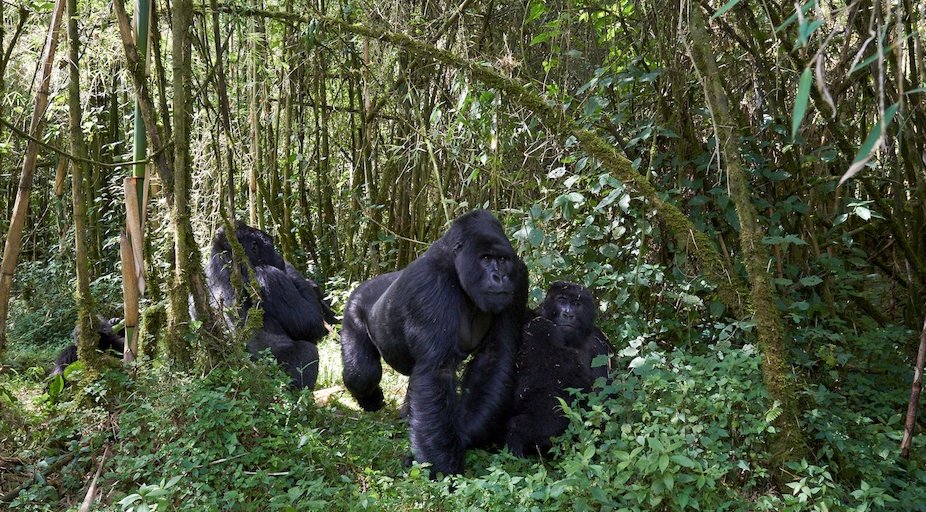
Rwanda Safaris are ideal for travellers who want to experience several contrasting environments without spending long days travelling between distant destinations. Kigali is positioned near the centre of the country and has convenient road connections to the major tourism regions. Rwanda’s established circuit links Kigali with Akagera National Park, Volcanoes National Park, Lake Kivu, Nyungwe National Park and other attractions through constantly changing scenery.
The country’s compact size allows travellers to combine gorilla trekking, classic game viewing, chimpanzee tracking, cultural tours and lakeside relaxation in one itinerary. A visitor can experience the busy streets and modern restaurants of Kigali before continuing to a quiet forest lodge, a savannah wildlife reserve or a peaceful hotel overlooking Lake Kivu.
Rwanda is also recognised for its conservation-focused tourism model. A portion of revenue from gorilla permits, safari activities and national park fees is invested in projects implemented in partnership with communities living near protected areas. These initiatives help strengthen the relationship between tourism, conservation and local development.
Gorilla Trekking in Volcanoes National Park
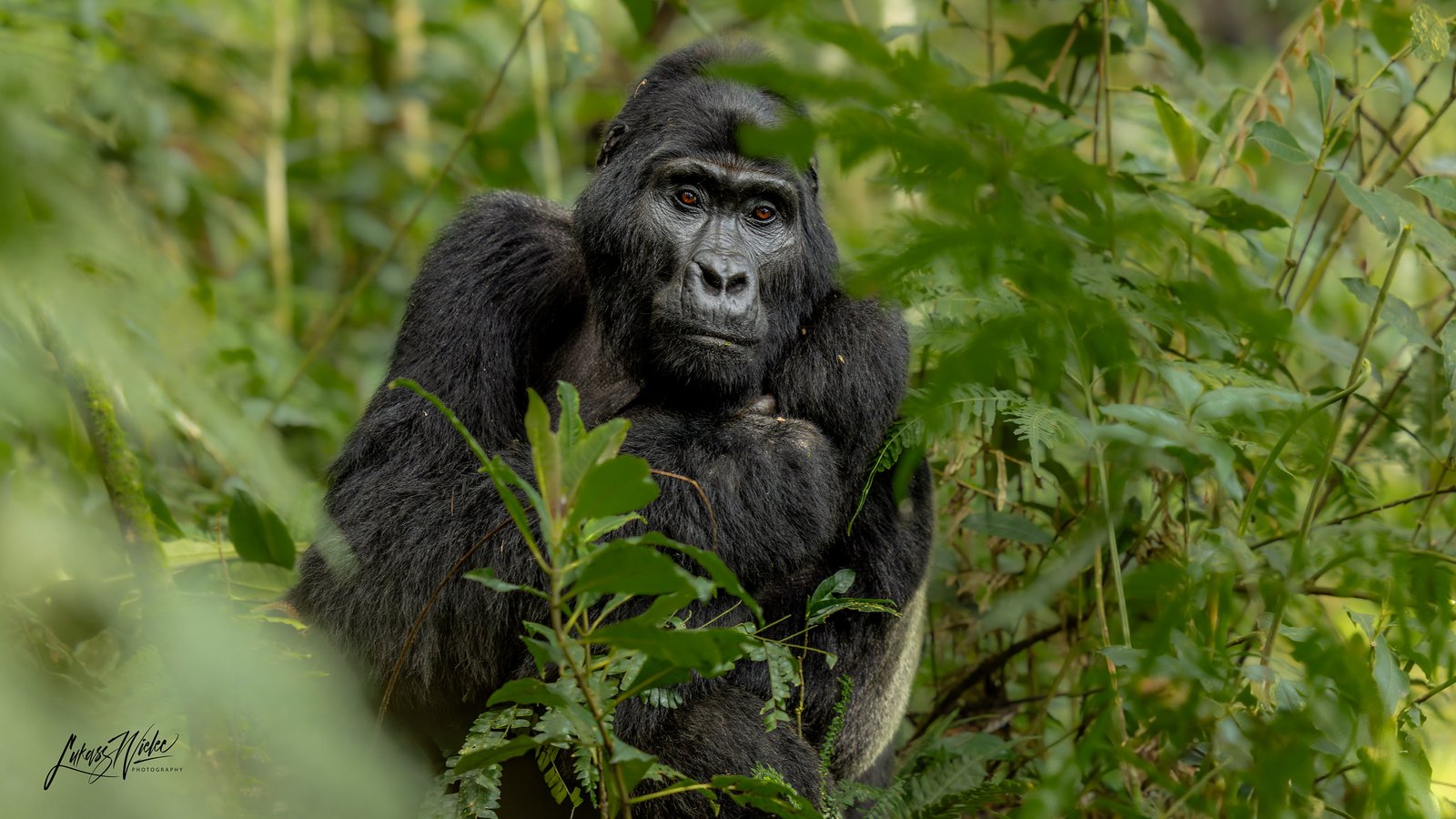
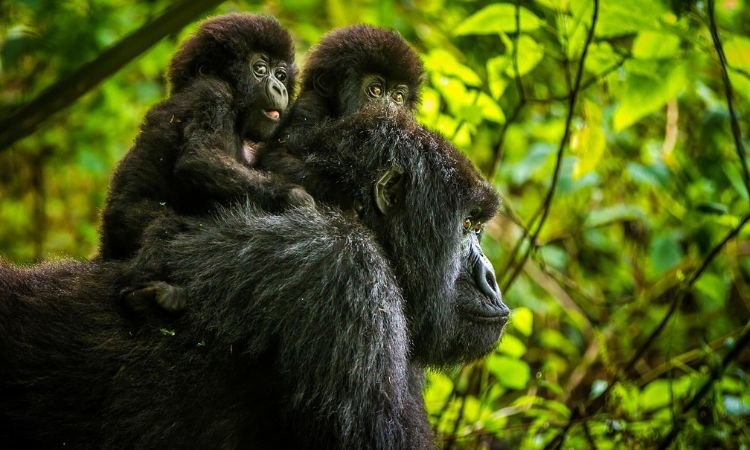
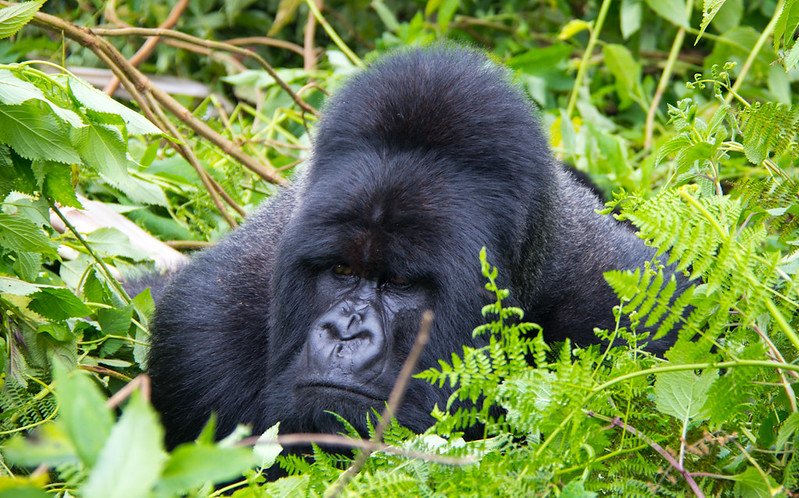
Gorilla trekking is the signature experience on many Rwanda Safaris. Volcanoes National Park lies in northwestern Rwanda and protects the forested slopes of the Virunga Mountains. The park’s landscape includes bamboo forest, evergreen vegetation, grassland, swamps and high-altitude mountain environments beneath the peaks of Karisimbi, Bisoke, Sabyinyo, Gahinga and Muhabura.
The trekking day begins with an early-morning briefing at the park headquarters. Visitors are divided into small groups and assigned a habituated mountain gorilla family. Experienced trackers and park rangers then lead each group into the forest, following trails and signs of gorilla movement.
The duration of the trek varies according to the gorillas’ location, weather, terrain and the pace of the group. Some families may be found after a relatively short walk, while others may require a longer hike through steep or muddy forest paths. Once the gorillas are located, visitors are allowed a regulated period to observe them as they feed, rest, groom and interact.
The standard Rwanda gorilla trekking permit currently costs USD 1,500 per person per trek for international visitors. Participants must be at least 15 years old, and permit availability is limited because only a controlled number of people may visit the habituated gorilla families each day.
Because gorilla permits are issued for a specific date, travellers should secure them before confirming non-refundable flights or accommodation. Peak-season dates can fill well in advance, particularly from June to September and during the festive period.
Golden Monkey Trekking in Rwanda
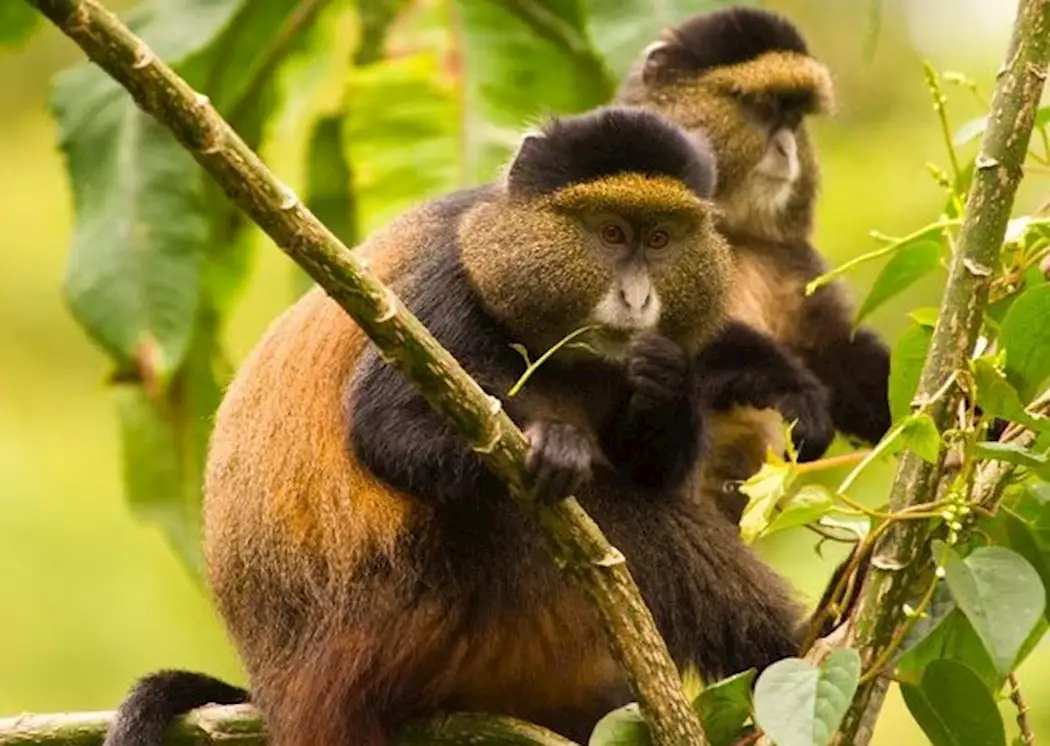
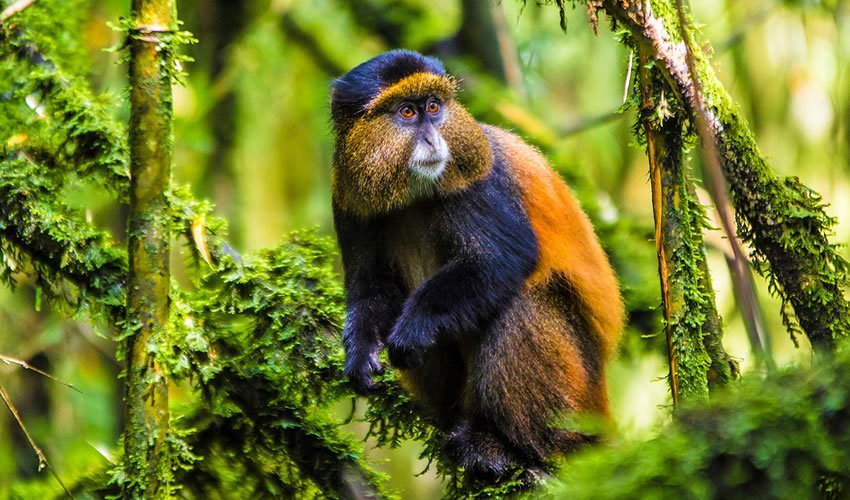
Golden monkey trekking offers a lively and rewarding addition to gorilla-focused Rwanda Safaris. These endangered primates live in the bamboo forests of Volcanoes National Park and are known for their bright colouring, energetic movement and active group behaviour.
Unlike gorillas, which often spend long periods feeding or resting on the forest floor, golden monkeys frequently move quickly through bamboo and surrounding vegetation. This makes the experience entertaining for wildlife lovers and photographers. The trek is generally considered less demanding than many gorilla treks, although visitors should still be prepared for uneven ground, forest vegetation and changing weather.
Golden monkey trekking works particularly well on the day after gorilla trekking. It allows travellers to spend more time around the Virunga Mountains while enjoying a different primate experience. Official tourism itineraries also promote golden monkey trekking as a guided forest activity in Volcanoes National Park.
Big Five Safaris in Akagera National Park
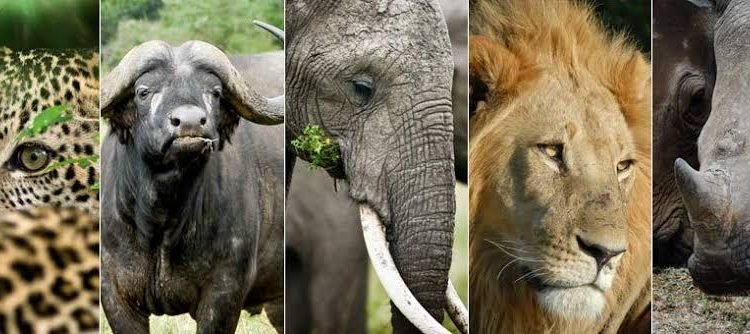
Rwanda Safaris are not limited to primates. Akagera National Park provides the country’s classic savannah safari experience and is home to elephants, buffaloes, lions, leopards, rhinos, giraffes, zebras, antelopes, hippos, crocodiles and numerous bird species.
Located along Rwanda’s eastern border, Akagera protects open plains, woodland, lakes, papyrus wetlands and grassy hills. It is Rwanda’s last major refuge for savannah-adapted wildlife and contains one of Central Africa’s most important protected wetland systems.
Morning and afternoon game drives explore the park’s different habitats in search of wildlife. The open northern plains are particularly rewarding for viewing grazing animals and predators, while the southern wetlands support hippos, crocodiles, waterbirds and other species associated with lakes and marshes.
A boat safari on Lake Ihema introduces visitors to another side of Akagera. From the water, travellers can observe hippos, crocodiles and birdlife while enjoying views of the park’s wetland scenery. Night game drives may also be arranged for visitors interested in searching for nocturnal animals that are less active during daylight hours.
Akagera is officially recognised as a Big Five destination following the return of lions and rhinos. This makes it possible to combine gorilla trekking and traditional African wildlife viewing within one country.
Chimpanzee Trekking in Nyungwe National Park
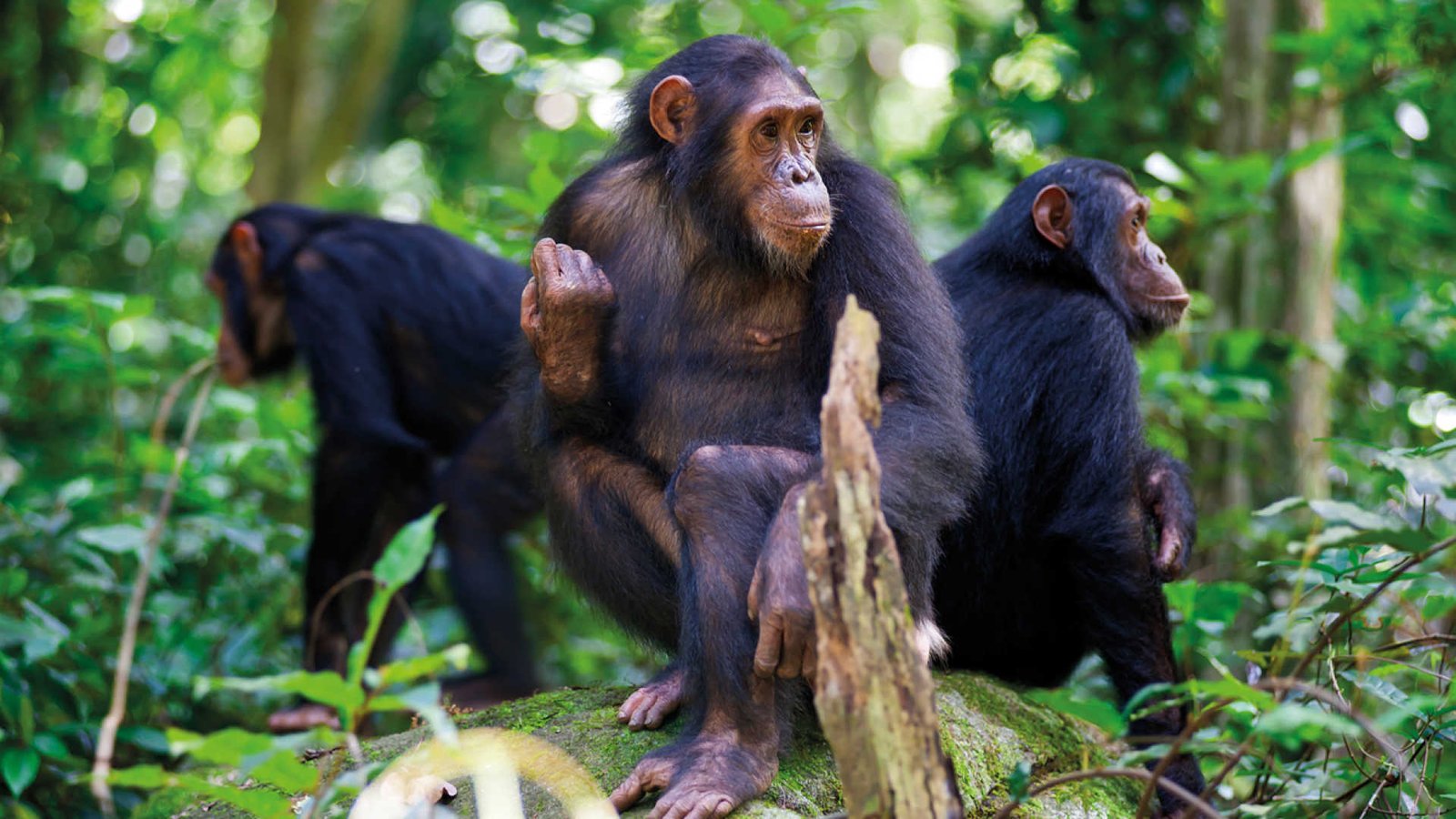
Nyungwe National Park is one of the most important destinations included in longer Rwanda Safaris. The mountainous rainforest protects chimpanzees and numerous other primates, birds, butterflies, orchids and forest plants.
Chimpanzee trekking usually begins early in the morning when the chimpanzees are most active. Trackers follow calls, feeding remains, nests and fresh movement signs to locate a habituated chimpanzee community. Once found, visitors may observe the chimpanzees communicating, feeding, climbing and travelling through the forest.
Chimpanzee trekking can be physically demanding because the animals move quickly and may travel through steep or dense sections of forest. However, the excitement of hearing their calls echoing through the trees and eventually seeing them in their natural habitat makes the experience worthwhile.
Nyungwe is especially attractive to travellers interested in primates. In addition to chimpanzees, the forest supports 12 other primate species, creating opportunities to encounter colobus monkeys, blue monkeys and L’Hoest’s monkeys during guided activities.
The Nyungwe Canopy Walkway
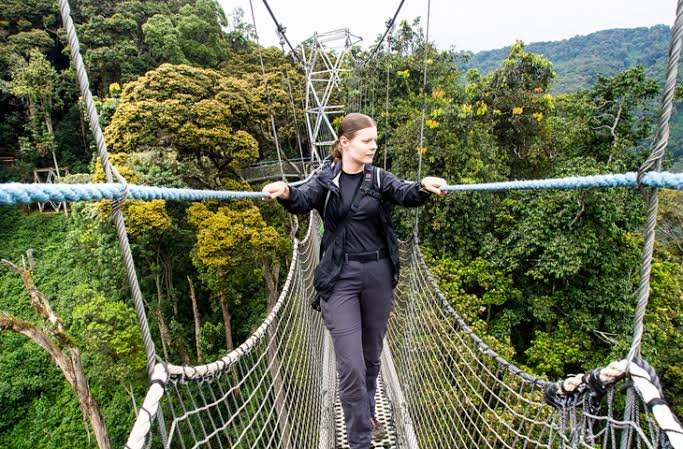
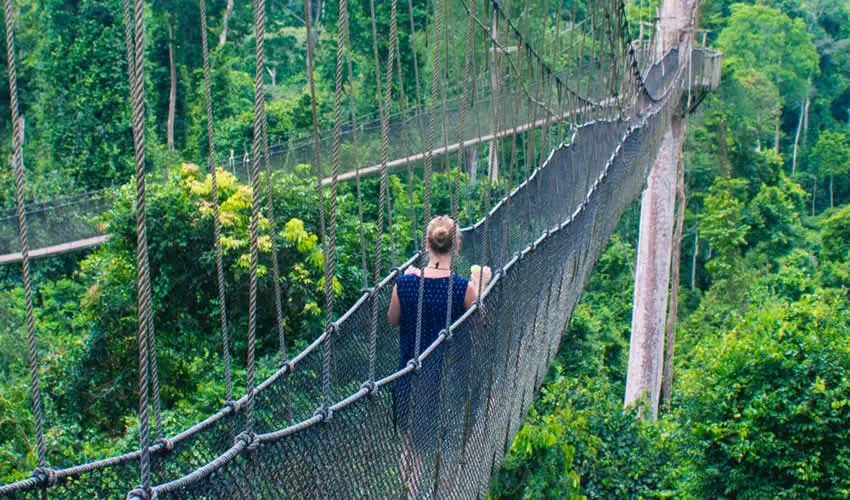
The canopy walkway is one of the most recognisable adventure activities in Nyungwe National Park in Rwanda Safaris. Suspended above a forested valley, the walkway gives visitors a different perspective of the rainforest canopy, surrounding hills and distant landscapes.
The experience is normally combined with a guided forest walk. Visitors follow established trails through thick vegetation before reaching the suspended sections of the walkway. From the elevated platform, travellers may see birds, monkeys and layers of forest vegetation that are difficult to appreciate from ground level.
The walkway is particularly suitable for travellers who want to enjoy Nyungwe without committing to a demanding chimpanzee trek. It can also be combined with birdwatching, waterfall hikes, colobus monkey tracking, tea experiences and scenic drives through southwestern Rwanda.
Gishwati-Mukura National Park
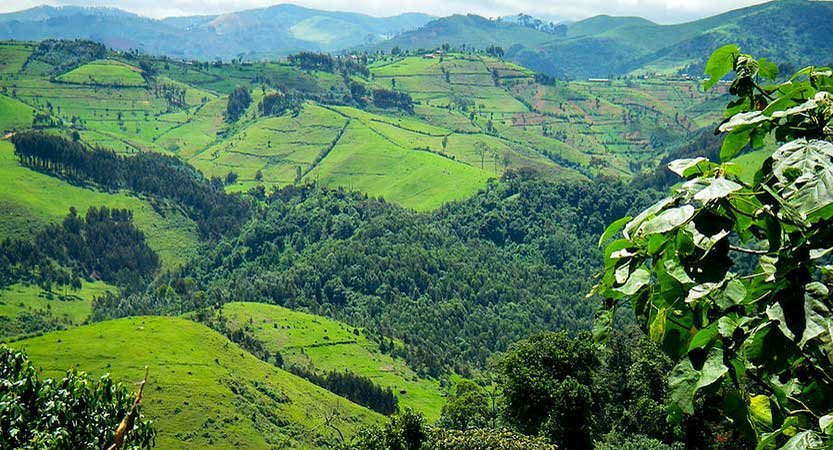
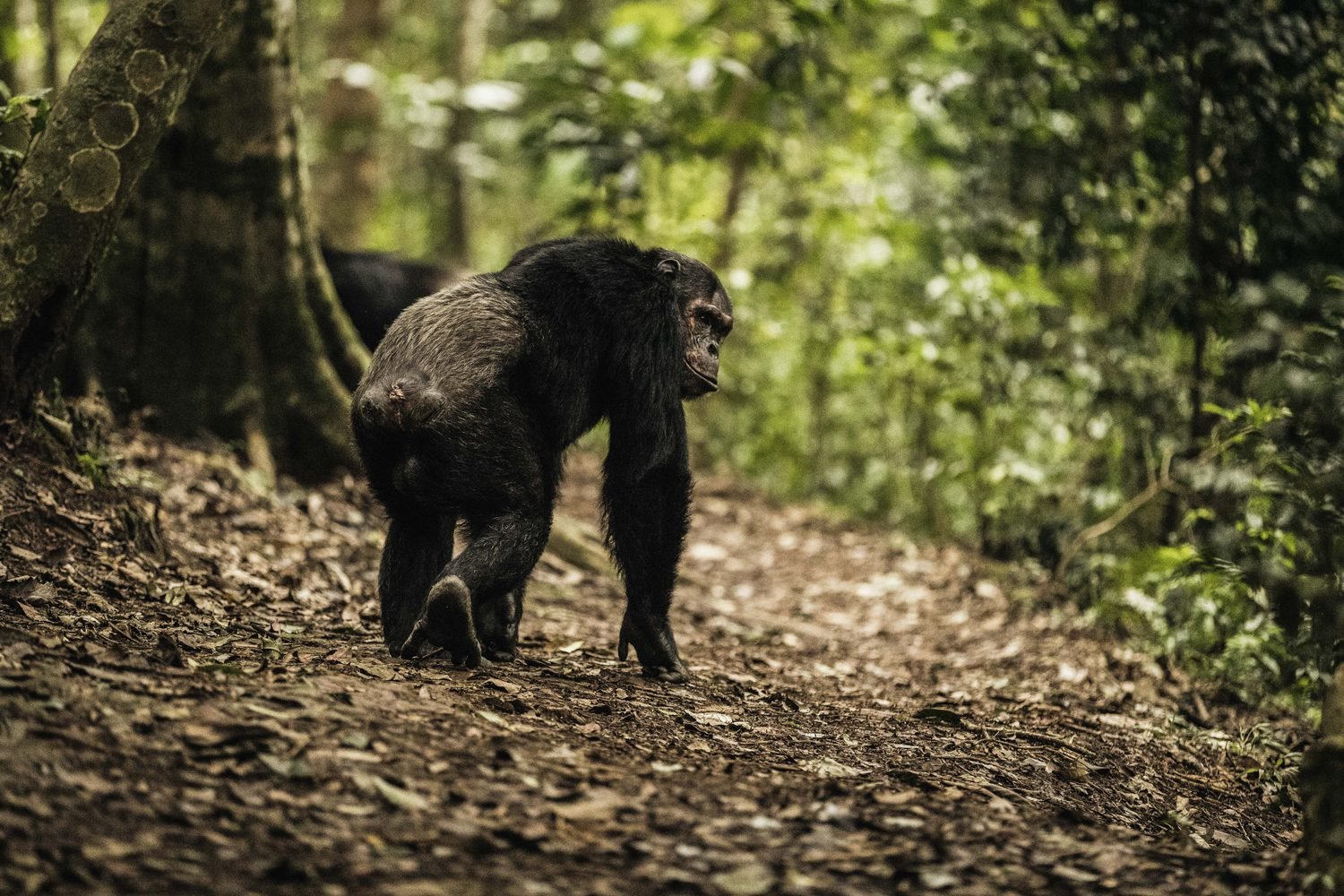
Gishwati-Mukura is Rwanda’s fourth national park and an excellent destination for travellers searching for quieter, less-visited forest experiences. The protected area consists of the larger Gishwati Forest and the smaller Mukura Forest, with a combined core area of approximately 34 square kilometres plus a surrounding buffer zone.
The park protects part of the biodiverse Albertine Rift and provides habitat for chimpanzees, golden monkeys, blue monkeys, L’Hoest’s monkeys, forest birds and indigenous trees. Guided forest walks, birdwatching and community experiences allow visitors to explore a conservation area that is still developing as a tourism destination.
Gishwati-Mukura fits naturally into Rwanda Safaris connecting Volcanoes National Park with Lake Kivu or Nyungwe National Park. It is especially appealing to returning visitors, birdwatchers and travellers who prefer destinations with fewer vehicles and smaller visitor numbers.
Relaxing at Lake Kivu
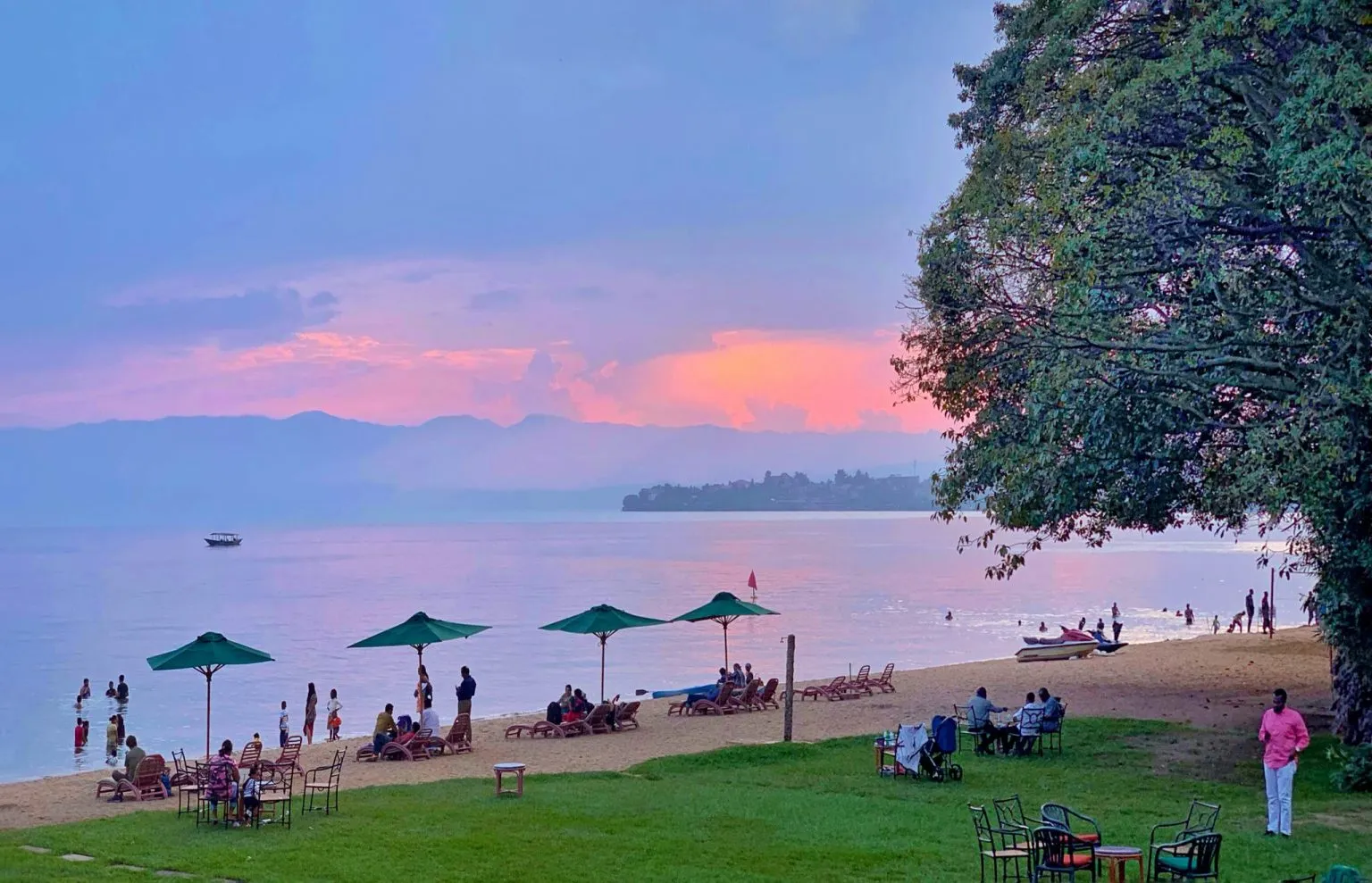
Lake Kivu provides a peaceful contrast to the forests and savannahs visited during Rwanda Safaris. Located along Rwanda’s western border, the lake is surrounded by mountains, green hills, islands, fishing communities and attractive waterfront towns.
Rubavu is one of the most convenient places to relax after gorilla trekking because it lies near Volcanoes National Park. Karongi offers another scenic lakeside base, while Rusizi can be incorporated into journeys continuing toward Nyungwe National Park.
Visitors can enjoy boat trips, kayaking, cycling, lakeside walks, coffee experiences and quiet afternoons overlooking the water. Lake Kivu covers approximately 2,700 square kilometres and forms part of the western branch of the Great Rift Valley.
The Congo Nile Trail follows the lake through rural settlements, terraced hills, plantations and waterfront landscapes. Sections of the trail can be explored by bicycle or on foot, allowing adventurous travellers to experience the countryside at a slower pace.
Kigali City Tours
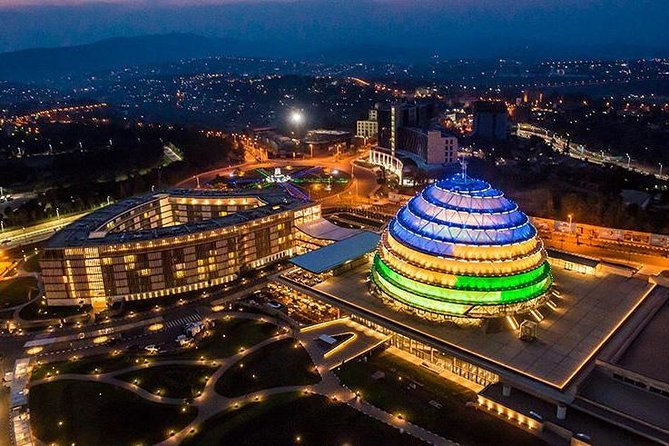
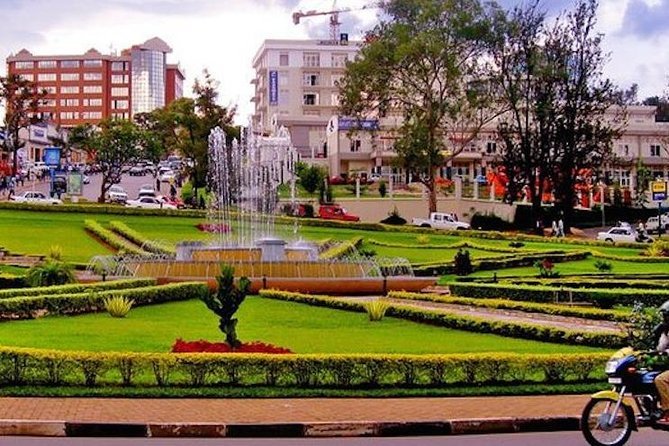
Most Rwanda Safaris begin or end in Kigali, but the capital should not be treated only as an arrival point. Kigali offers museums, markets, art galleries, restaurants, coffee experiences, craft centres and neighbourhood tours that help visitors understand modern Rwanda.
The Kigali Genocide Memorial is an important place of remembrance and education. A respectful guided or self-guided visit provides historical context that can deepen a traveller’s understanding of Rwanda’s past and its continuing process of rebuilding.
Other experiences can include exploring local markets, visiting art centres, tasting Rwandan coffee and discovering the city’s growing food and fashion scenes. Kigali’s central location and road network also make it a practical base for journeys to the country’s national arch14
Cultural Experiences During Rwanda Safaris
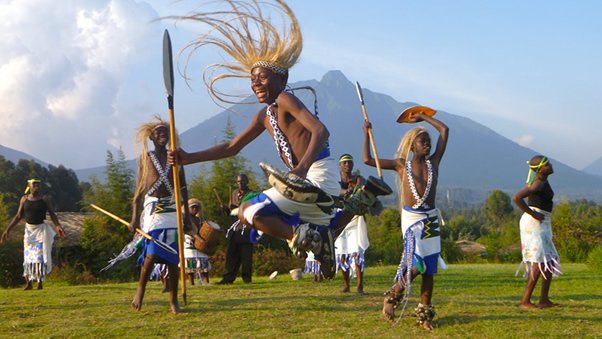
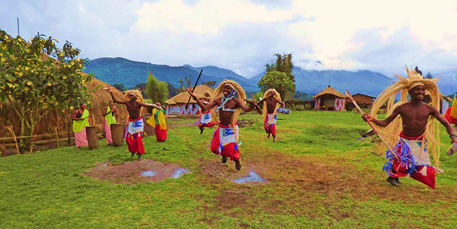
Cultural activities add meaning and variety to Rwanda Safaris. Depending on the itinerary, travellers may visit rural communities, cultural centres, local farms, craft cooperatives, traditional royal sites or coffee and tea producers.
Near Volcanoes National Park, community experiences introduce visitors to traditional music, dance, crafts, food preparation and historical lifestyles. These visits are most valuable when they are respectful, locally guided and structured so that participating communities receive a fair benefit.
Southern Rwanda offers access to important cultural and historical attractions, including the King’s Palace Museum and the Ethnographic Museum. These can be included while travelling between Kigali and Nyungwe National Park, creating a more informative journey through the country.
Birdwatching Safaris in Rwanda
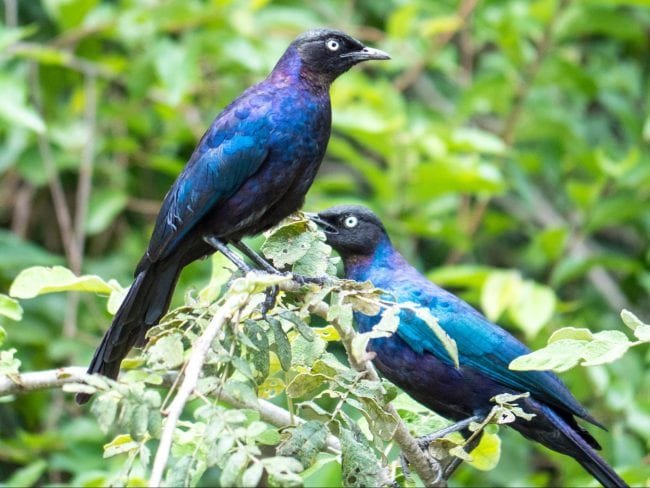
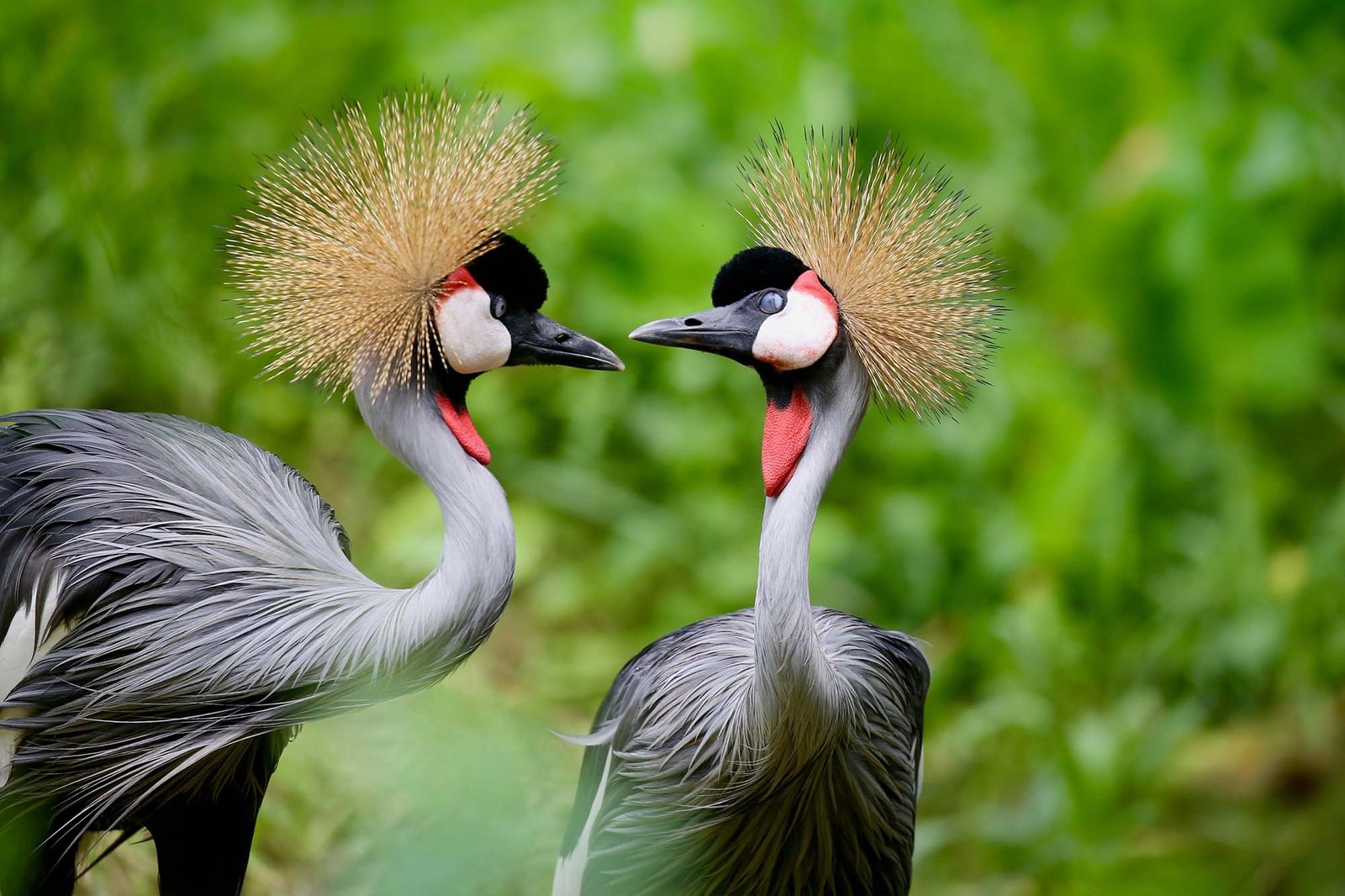
Rwanda is an excellent destination for birdwatching because its compact territory includes wetlands, savannah, montane forest, lakes, agricultural landscapes and high-altitude environments. Dedicated birding itineraries can combine Akagera, Nyungwe, Volcanoes and Gishwati-Mukura national parks.
Nyungwe and Volcanoes are particularly important for species associated with the Albertine Rift. Volcanoes National Park alone has recorded approximately 200 bird species, including several Albertine Rift endarch38
Akagera provides a contrasting selection of savannah and wetland birds. Boat trips, game drives and guided walks offer opportunities to observe waterbirds, raptors and open-country species. Birdwatching can be incorporated into general Rwanda Safaris or arranged as the main focus of a specialist itinerary.
Family Rwanda Safaris
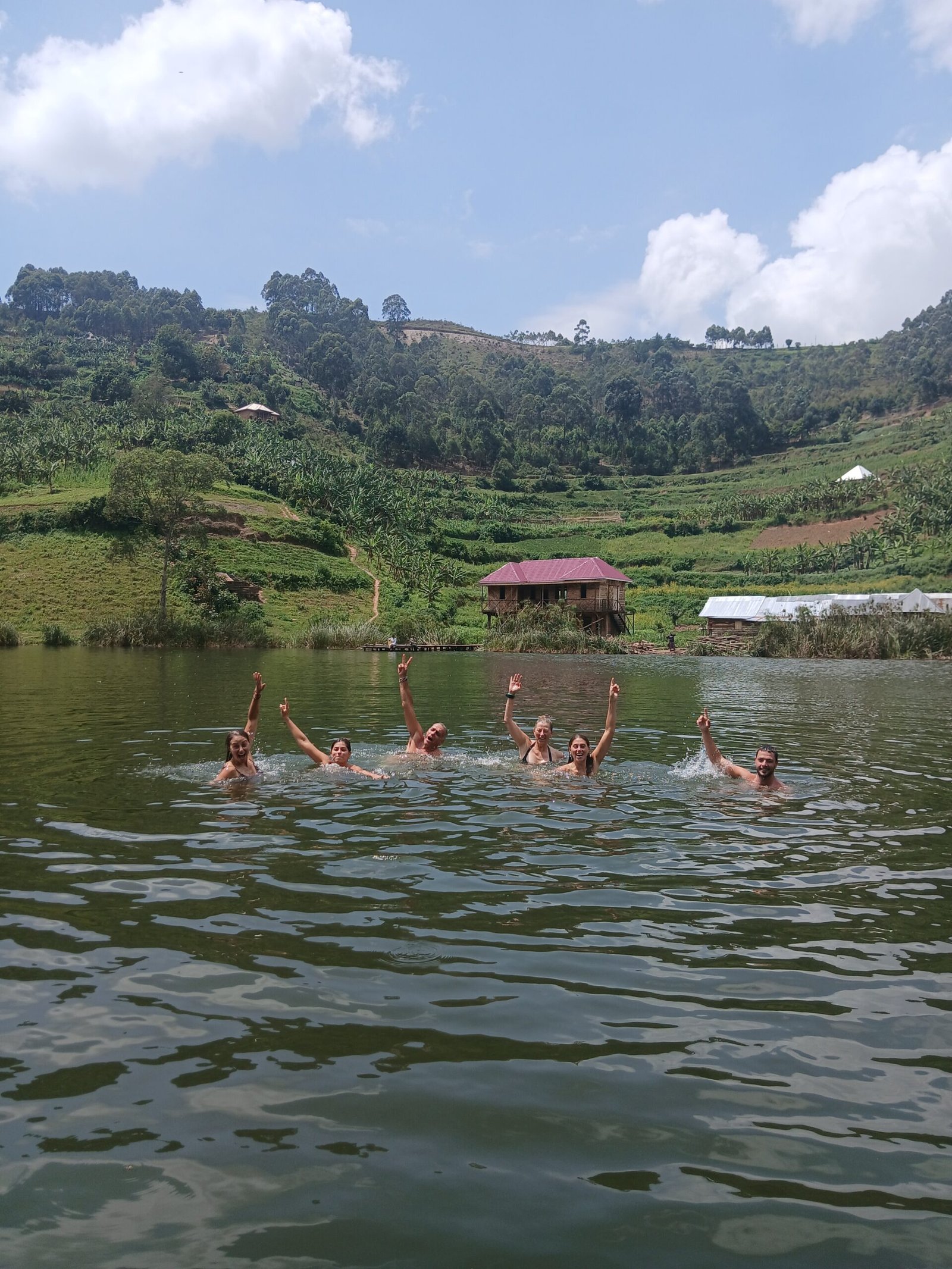
Family Rwanda Safaris can introduce children and teenagers to wildlife, conservation, culture and African landscapes. However, age restrictions must be considered carefully. Gorilla trekking participants must be at least 15 years old, making tfor families travelling with older teenagers.
Families with younger children can concentrate on Akagera game drives, boat safaris, cultural activities, nature walks, Kigali attractions and Lake Kivu. Parents may also take turns trekking while the children remain at the lodge with an arranged caregiver or participate in another supervised activity.
Accommodation should be selected according to family-room availability, meal flexibility, swimming facilities, location and the amount of driving required. Private vehicles are particularly valuable for families because they allow greater control over departure times, comfort stops and the daily pace.
Honeymoon Rwanda Safaris
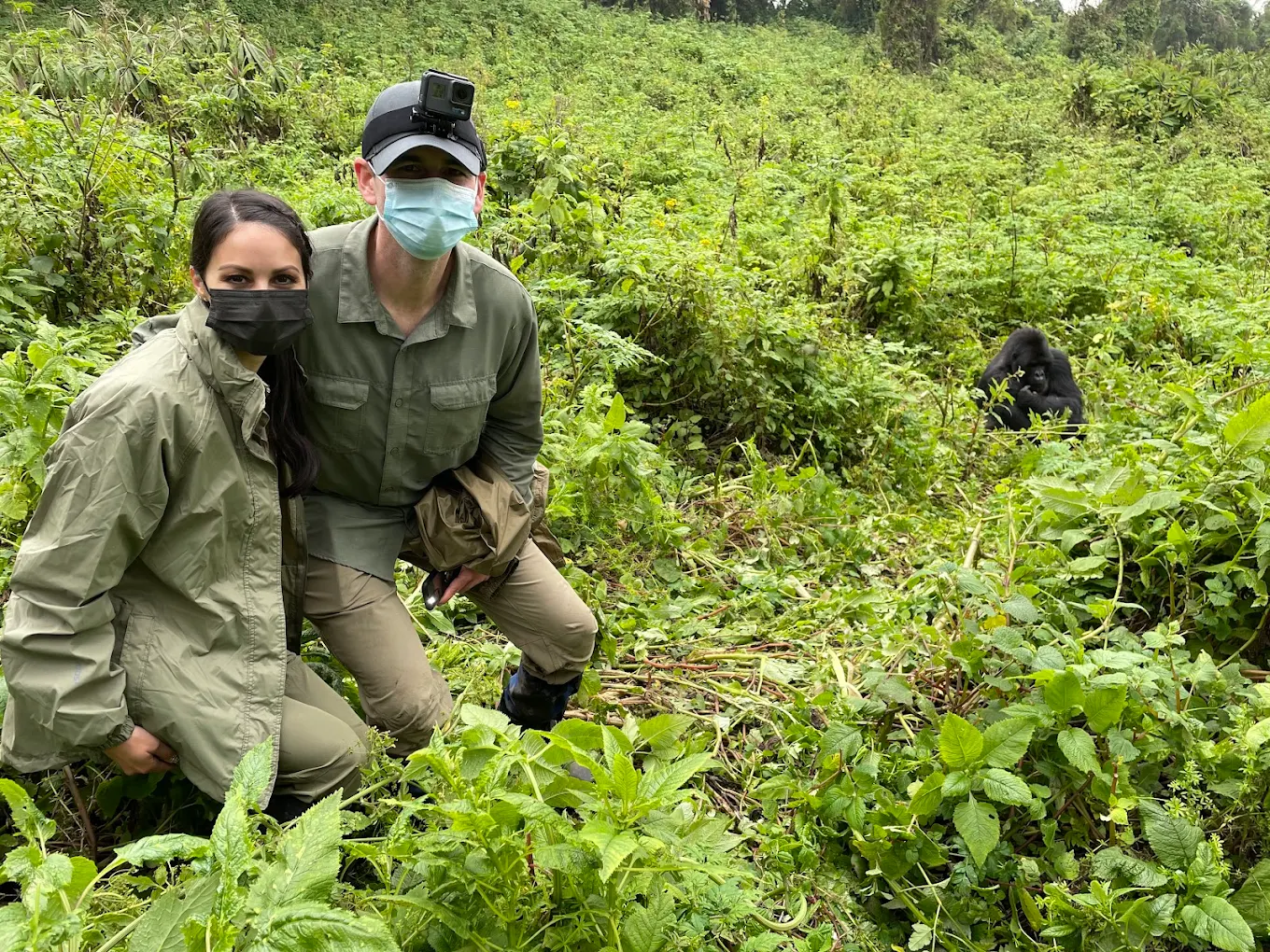
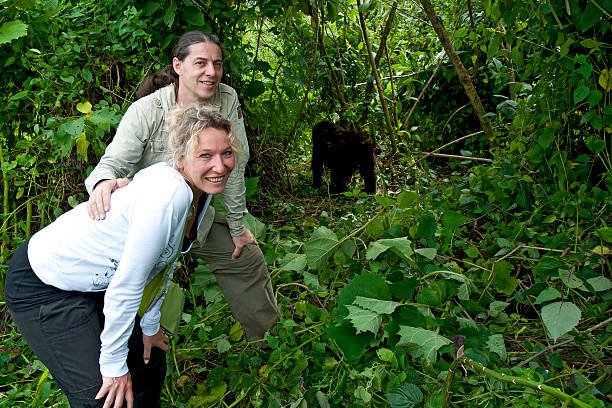
A Rwanda honeymoon can combine adventure, privacy and relaxation. Couples may trek mountain gorillas, stay in a secluded forest lodge, enjoy a private dinner overlooking the volcanoes and then continue to Lake Kivu or Akagera National Park.
The emotional impact of gorilla trekking makes it an unforgettable shared experience, while Rwanda’s luxury lodges provide peaceful settings for couples celebrating a honeymoon or anniversary. A honeymoon itinerary should avoid rushing from one destination to another and include unstructured time for rest.
Private transportation is strongly recommended because it gives couples the freedom to stop for photography, adjust meal times and travel at a comfortable pace. Romantic additions may include room decorations, private meals, massage treatments, sunset drinks and upgraded accommodation.
Best Time to Book Rwanda Safaris

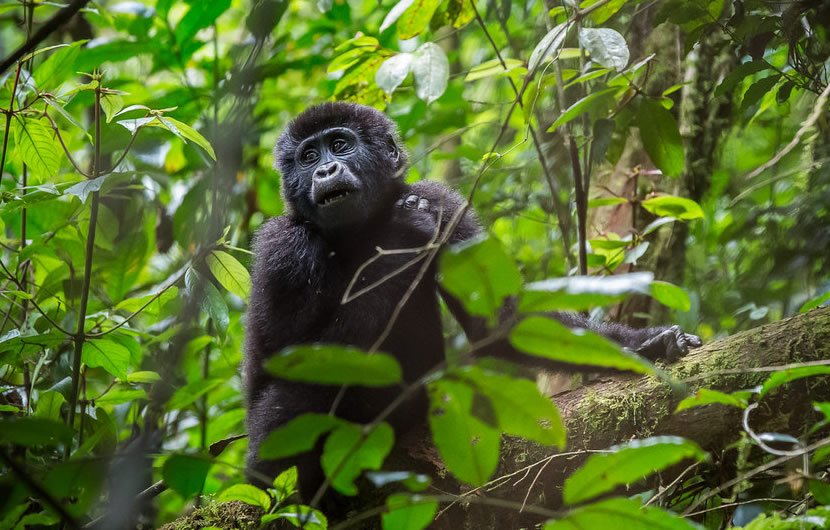
Rwanda can be visited throughout the year, but weather conditions influence trekking, road travel and wildlife viewing. The country generally experiences rainy periods from around mid-February to May and from mid-September to mid-December. The main dry season runs from June to midd forest paths are often easier to navigate.
June to September is popular for gorilla trekking, chimpanzee trekking and wildlife safaris. Demand for permits and well-located lodges can be high, so early booking is advisable.
December to February can also provide favourable travel conditions, although occasional rainfall should always be expected in a tropical country. Travelling during the wetter months can reward visitors with green landscapes, dramatic skies and fewer tourists, but forest trails may be muddy and more physically demanding.
The most suitable time depends on personal priorities. Photographers may appreciate lush vegetation and atmospheric clouds, while travellers concerned about difficult hiking conditions may prefer the drier months.
How Much Do Rwanda Safaris Cost?
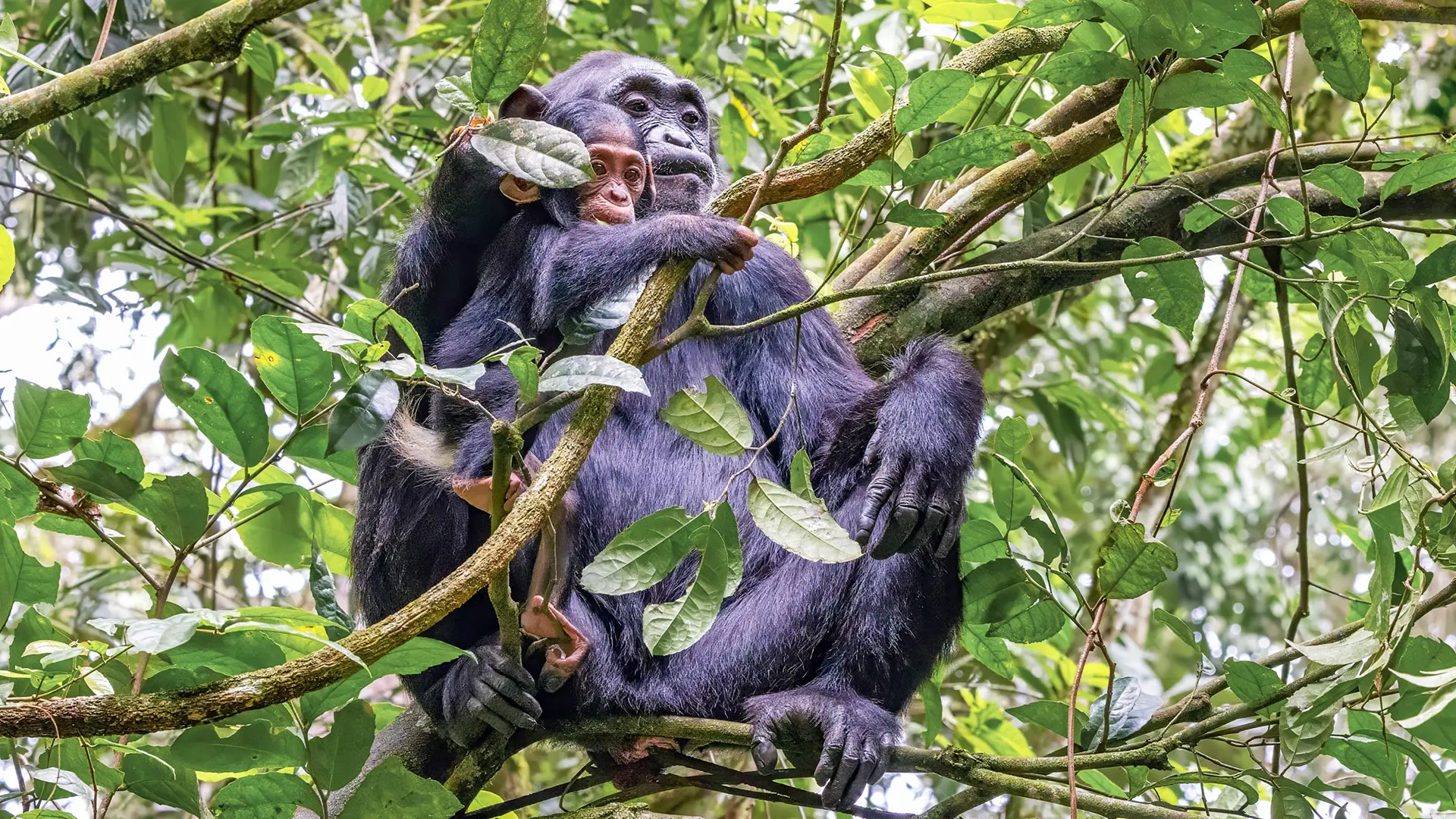
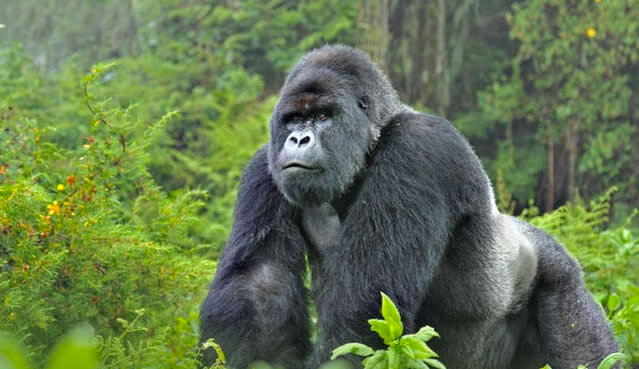
The cost of Rwanda Safaris depends on the number of travellers, length of the trip, accommodation category, activities, transport arrangements and season. Gorilla trekking has a major influence on the overall price because the standard international permit costs USD 1,500 per participant.
A short two- or three-day gorilla safari will normally include the permit, private transport, a professional driver-guide, accommodation, meals and transfers. Longer journeys combining gorillas, Akagera, Nyungwe and Lake Kivu cost more because of additional park fees, accommodation nights, activities and transportation.
Budget-conscious travellers can reduce costs by choosing comfortable guesthouses or midrange lodges and travelling with a small group. Luxury travellers may select premium lodges, upgraded rooms, private experiences and air transfers.
Every quotation should clearly explain what is included. Travellers should check whether the price covers permits, park entrance fees, accommodation, meals, drinking water, airport transfers, guide services, vehicle costs and planned activities. International flights, visas, travel insurance, personal purchases, gratuities and optional activities are often charged separately.
Suggested Three-Day Rwanda Gorilla Safari
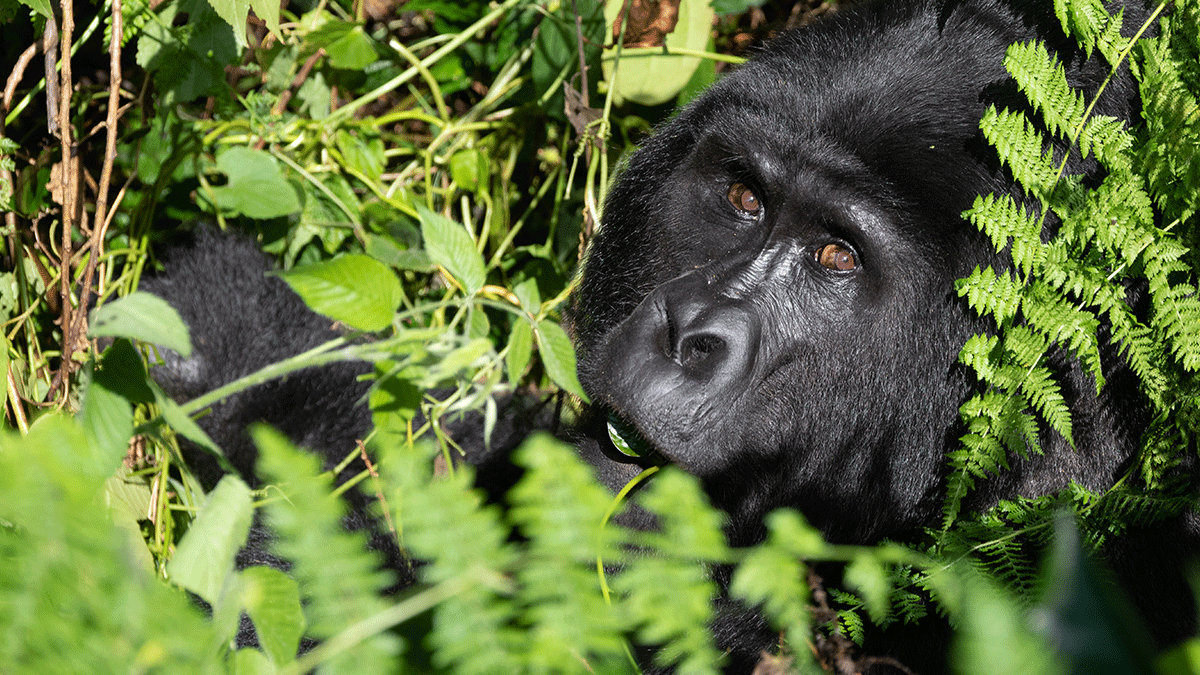
A three-day Rwanda safari is suitable for travellers with limited time. On the first day, the journey begins in Kigali with a city introduction before continuing north toward Volcanoes National Park. The scenic route passes through rolling hills, cultivated valleys and rural communities.
The second day is reserved for gorilla trekking. After the morning briefing, travellers enter the forest with rangers and trackers to locate a habituated gorilla family. The afternoon can be spent resting at the lodge or participating in an optional community activity.
On the third day, travellers may complete a golden monkey trek before returning to Kigali. Depending on the departure schedule, the itinerary can end at a city hotel or Kigali International Airport.
Suggested Seven-Day Rwanda Safari
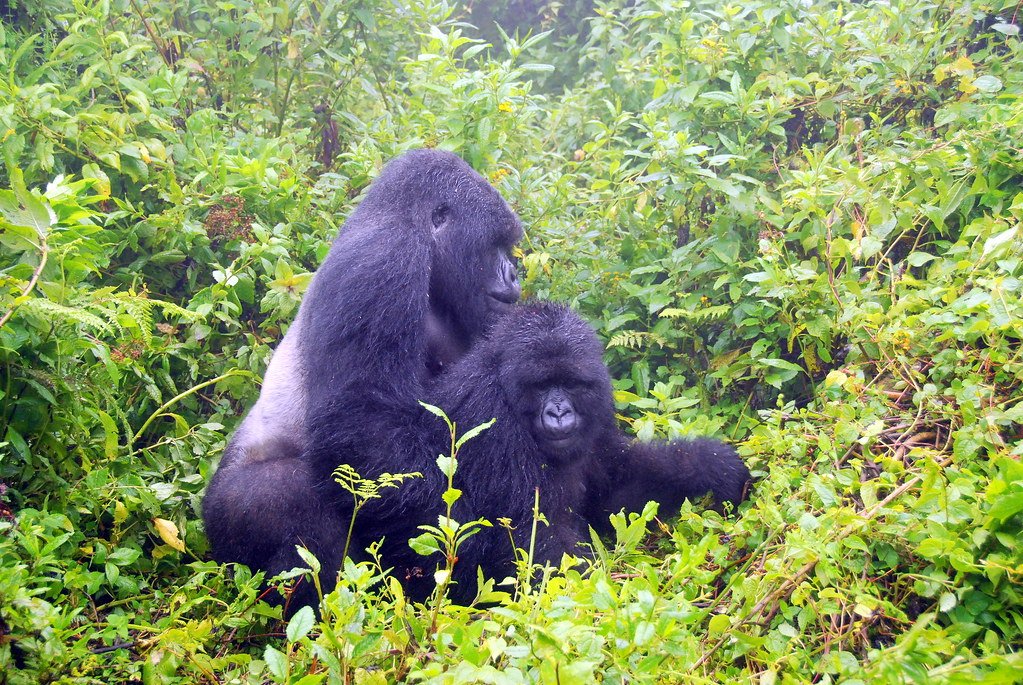
A seven-day itinerary can combine Rwanda’s two most famous wildlife environments. The journey may begin with a Kigali city tour before continuing to Akagera National Park for game drives and a Lake Ihema boat safari.
After Akagera, travellers return through Kigali and continue to Volcanoes National Park. Two nights near the park allow enough time for gorilla trekking and an optional golden monkey trek, community experience or nature walk.
The final part of the journey can be spent beside Lake Kivu. This provides time to relax, take a boat trip or enjoy a coffee experience before returning to Kigali.
Suggested Ten-Day Best of Rwanda Safari
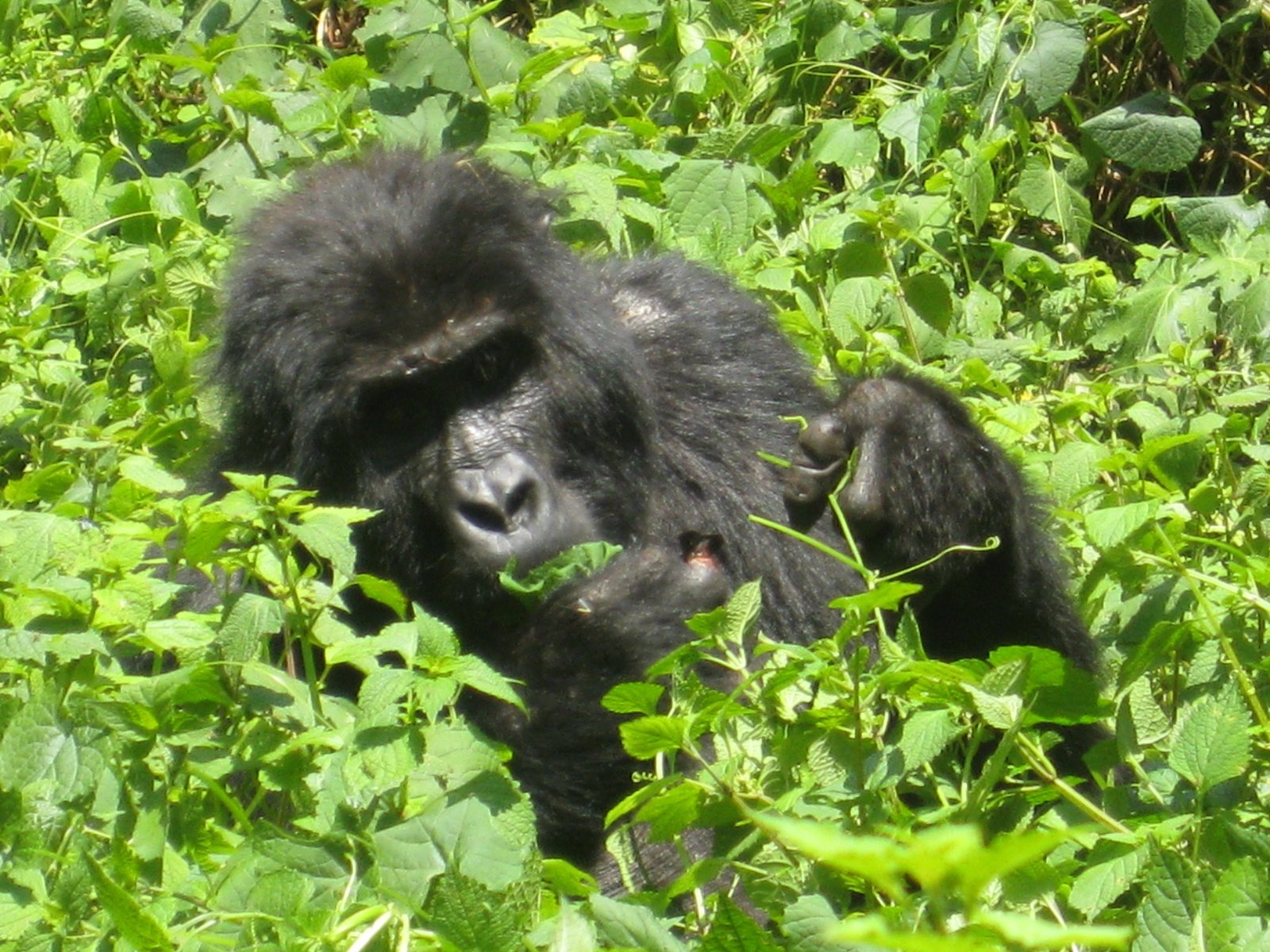
A ten-day itinerary provides enough time to explore the country without rushing. The journey can begin with Kigali and continue east to Akagera National Park for Big Five game viewing and a boat safari.
From Akagera, the route travels north to Volcanoes National Park for gorilla trekking and golden monkey tracking. Travellers then continue to Lake Kivu for relaxation before following the western route toward Nyungwe National Park.
The final days can include chimpanzee trekking, the canopy walkway, a waterfall hike or a tea experience before returning to Kigali through Rwanda’s southern cultural region. Rwanda’s official tourism itineraries similarly combine Akagera, Volcanoes life and primate circuit.
Accommodation on Rwanda Safaris

Rwanda provides accommodation ranging from simple guesthouses to comfortable safari lodges and exclusive luxury properties. The best choice depends on budget, desired comfort, location and the activities included in the itinerary.
For gorilla trekking, accommodation near Volcanoes National Park helps reduce morning travel time. In Akagera, staying inside or close to the park allows visitors to begin game drives early. Around Nyungwe, carefully selected accommodation provides access to chimpanzee trekking departure points and forest activities.
Travellers should consider more than the room price. The quality of meals, road access, views, service, heating, family-room arrangements and proximity to activities can significantly affect the overall experience.
What to Pack for Rwanda Safaris
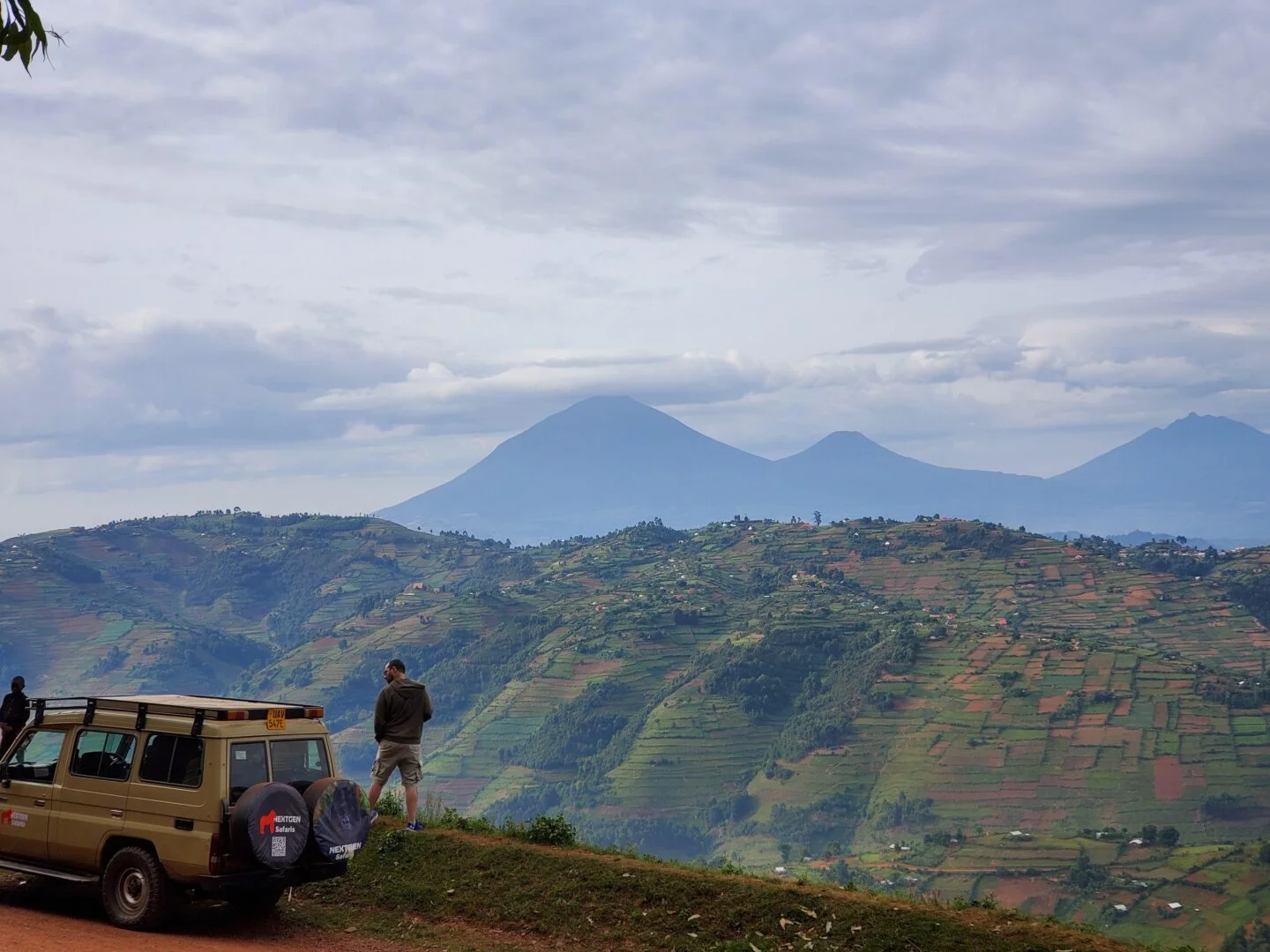
Packing should reflect the combination of forest trekking, wildlife viewing and changing elevations. Gorilla and chimpanzee trekkers need comfortable walking boots with good grip, long trousers, a lightweight waterproof jacket, gardening-style gloves and a small daypack.
Neutral, comfortable clothing works well for game drives in Akagera. Early mornings in Volcanoes and Nyungwe can feel cool, while Akagera is generally warmer. Layered clothing allows travellers to adjust throughout the day.
A reusable water bottle, insect repellent, sunscreen, hat, camera, binoculars, personal medication and waterproof protection for electronics are also useful. Travellers should avoid overpacking because most itineraries involve several hotel changes.
Frequently Asked Questions About Rwanda Safaris
What are Rwanda Safaris best known for?
Rwanda Safaris are best known for mountain gorilla trekking in Volcanoes National Park. However, visitors can also experience Big Five game viewing in Akagera, chimpanzee trekking in Nyungwe, golden monkey tracking, birdwatching, cultural activities and relaxation beside Lake Kivu.
How many days are enough for a Rwanda safari?
Three days may be enough for a short gorilla trekking tour from Kigali. Seven days allow travellers to combine gorilla trekking with Akagera or Lake Kivu. A complete Rwanda itinerary covering Akagera, Volcanoes, Lake Kivu and Nyungwe normally works best over approximately nine to twelve days.
How much is a Rwanda gorilla permit?
The standard gorilla trekking permit for an international visitor currently costs USD 1,500 per person. It permits specific date and must be booked in advance.
What is the minimum age for gorilla trekking in Rwanda?
The minimum age for gorilla trekking in Rwanda is 15 years. Families travelling with younger children can include Akagera wildlife viewvisits and other age-appropriate activities.
Can I see the Big Five in Rwanda?
Yes. Akagera National Park is home to lions, leopards, elephants, buffaloes and rhinos. Wildlife sightings are never guaranteed, but guipportunities to search for all five species.
Can Rwanda Safaris include chimpanzee trekking?
Yes. Chimpanzee trekking is available in Nyungwe National Park. It can be combined with the canopy walkway, colobus monkey tracking, birdwatching and other guided forest activities.
Are Rwanda Safaris suitable for families?
Rwanda is suitable for families when the itinerary is planned around the children’s ages and interests. Akagera game drives, boat safaris, cultural experiences and Lake Kivu work well for many families, while gorilla trekking is limited to participants aged 15 and above.
When should I book my gorilla permit?
Travellers should reserve permits as early as possible after confirming their intended travel dates. Booking several months ahead is advisable for June-to-September travel, Christmas holidays and other popular periods.
Can I combine Rwanda with Uganda or Tanzania?
Yes. Rwanda can be combined with Uganda for additional gorilla trekking, chimpanzee tracking and wildlife safaris. It can also be paired with Tanzania or Kenya for extended savannah wildlife journeys.
Do I need a private safari vehicle?
A private vehicle is strongly recommended for travellers seeking comfort and flexibility. It allows the itinerary to follow your preferred pace and makes it easier to manage photography stops, meal times, luggage and family needs.
Is gorilla trekking physically difficult?
The difficulty varies according to the location of the assigned gorilla family, terrain, weather and individual fitness. Travellers should prepare for uneven forest paths, slopes, vegetation and possible mud. Hiring a porter can make the trek more comfortable.
Can I visit Rwanda throughout the year?
Yes. Rwanda is a year-round destination. Drier months often provide easier trekking conditions, while wetter periods offer green landscapes and potentially fewer visitors. Rain can occur at any time, particularly in mountain and forest areas.
Book Your Rwanda Safari
Rwanda Safaris create an extraordinary journey through volcanic forests, open savannahs, ancient rainforests, peaceful lakes and welcoming communities. Few destinations allow travellers to encounter mountain gorillas, chimpanzees and Big Five wildlife within one compact and well-connected itinerary.
Every successful safari begins with careful planning. Gorilla permits, suitable accommodation, activity reservations and private transportation should be organised before arrival, particularly during popular travel months.
Contact our Rwanda safari specialists to create a personalised itinerary based on your travel dates, budget, accommodation preference and desired experiences. Whether you are planning a short gorilla trekking adventure, a family holiday, a luxury honeymoon or a complete wildlife and primate circuit, we will help design a Rwanda safari filled with meaningful encounters and unforgettable memories.