
Unforgettable Multi-generation Rwanda Safaris: Extraordinary Family Adventures Across Generations
Multi-generation Rwanda Safaris bring grandparents, parents, teenagers and younger children together for an African journey designed around the interests, comfort and abilities of several generations. Instead of expecting every family member to follow exactly the same programme, a well-planned multigenerational safari combines shared wildlife experiences with optional activities, comfortable private transportation, carefully selected accommodation and enough flexibility for different ages to enjoy Rwanda at their own pace.
Rwanda is particularly well suited to multigenerational family travel because very different experiences can be combined within one country. Families can search for the Big Five in Akagera National Park, trek mountain gorillas in Volcanoes National Park, explore the rainforest canopy of Nyungwe, relax beside Lake Kivu and discover Kigali’s cultural attractions. Rwanda’s established tourism itineraries already connect Akagera, Volcanoes, Nyungwe and Lake Kivu into a single circuit, making it possible to build journeys with wildlife, primates, scenery and relaxation without relying entirely on long-distance flights between destinations.
The strongest Multi-generation Rwanda Safaris are not designed around the youngest traveller or the oldest traveller alone. They identify experiences everyone can enjoy together while allowing individual family members to pursue activities appropriate to their interests and physical abilities. Grandparents might enjoy an Akagera game drive while adventurous teenagers appreciate gorilla trekking. Younger children may be fascinated by giraffes and zebras, while parents value the opportunity to spend several uninterrupted days travelling with the entire family.
For many families, this is what makes a Rwanda safari so meaningful. The journey is not simply about seeing animals. It is about creating experiences that several generations can remember together.
Why Choose Multi-generation Rwanda Safaris?
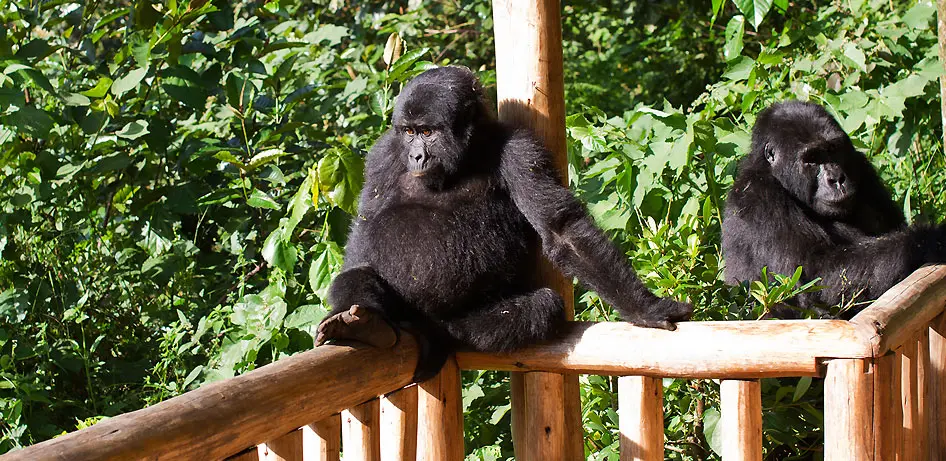
Multi-generation Rwanda Safaris provide an opportunity for extended families to spend meaningful time together while experiencing some of Africa’s most remarkable landscapes. Modern families are often separated by work, school, university and distance, making a shared safari an important opportunity to reconnect.
Rwanda provides considerable variety. Akagera National Park offers traditional savannah wildlife viewing and Lake Ihema boat trips, while Volcanoes National Park provides mountain gorilla experiences. Nyungwe adds rainforest adventure, and Lake Kivu provides a slower waterfront environment. Rwanda’s official tourism platform promotes both multi-day Akagera experiences and longer national circuits connecting these major destinations.
This diversity allows different generations to enjoy the same holiday without needing identical interests. A grandfather interested in birds can enjoy Akagera’s wetlands while grandchildren concentrate on spotting large mammals. Teenagers may become excited about gorilla trekking or photography, while younger children may prefer shorter game drives and swimming time at the lodge.
Multigenerational travel also encourages a slower style of safari. Instead of moving hotels every night, families can stay two or three nights in important destinations. This reduces packing, allows older travellers more recovery time and gives younger children enough space to relax between activities.
Who Are Multi-generation Rwanda Safaris Best For?
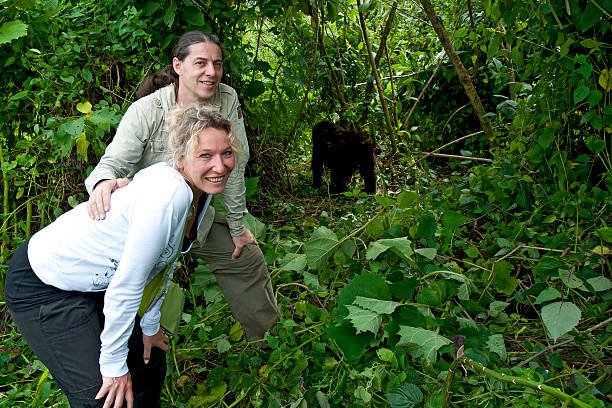
Multi-generation Rwanda Safaris are ideal for families travelling with grandparents, adult children and grandchildren, but they can also work for extended families involving aunts, uncles, cousins and several family units.
The most important consideration is not simply the number of people. It is the range of ages, mobility levels and interests within the group.
A family containing children aged six and nine, teenagers aged 15 and 17, parents in their forties and grandparents in their seventies requires very different planning from a group consisting entirely of adults.
Activities should therefore be divided into shared experiences and optional experiences. Akagera game drives may suit almost everyone, while gorilla trekking will only suit eligible and physically capable travellers.
This flexible approach prevents older or younger family members from feeling that they are holding the rest of the group back. It also prevents adventurous family members from feeling that the entire safari has been simplified unnecessarily.
What Makes a Great Multigenerational Rwanda Safari?
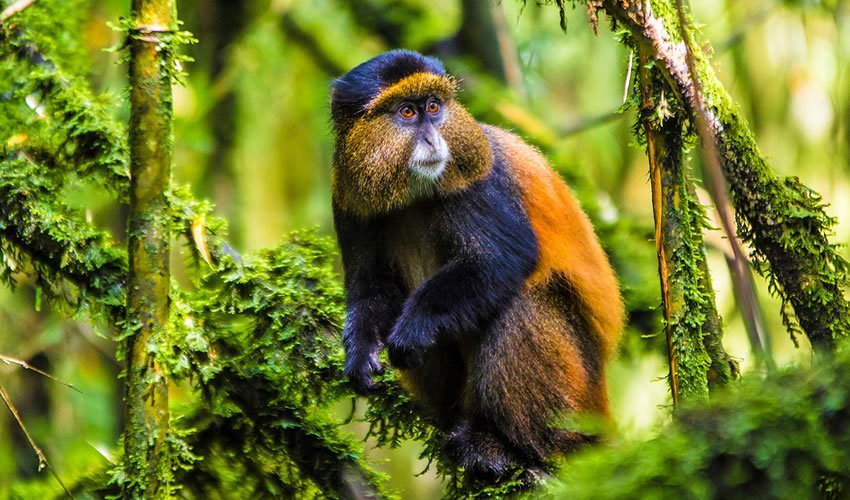
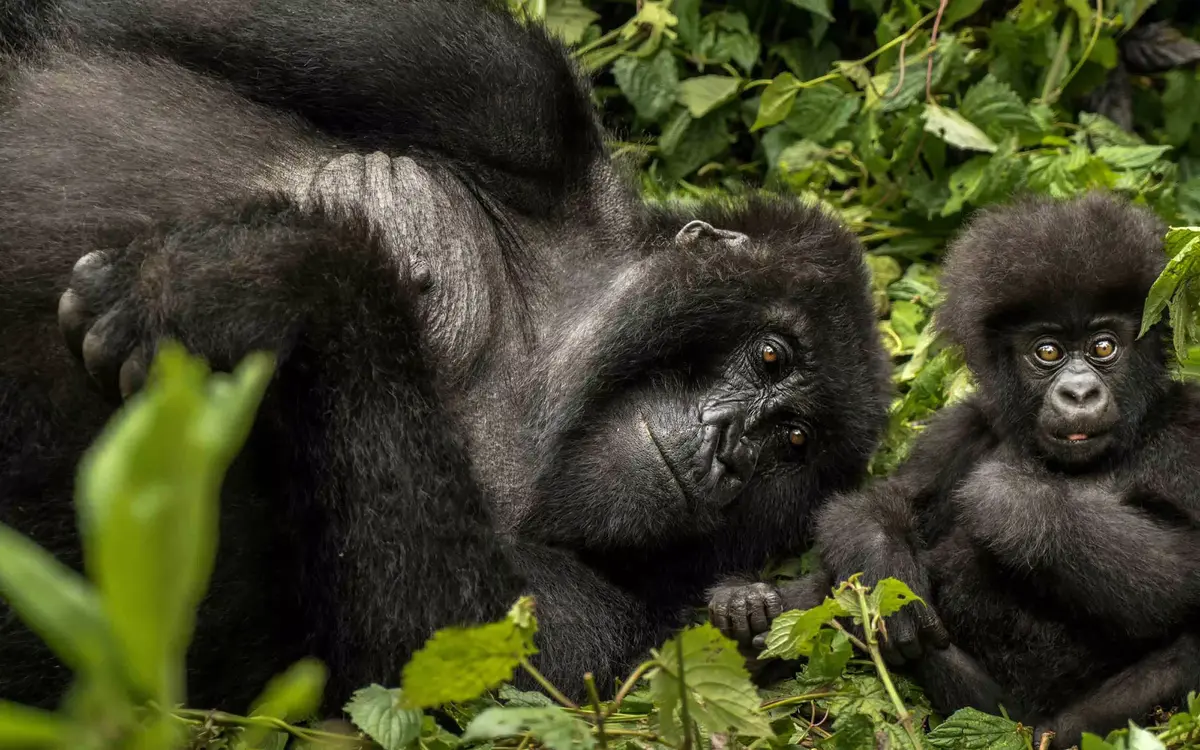
The success of Multi-generation Rwanda Safaris depends more on itinerary design than on the number of attractions included.
Driving time should be realistic. Accommodation should provide appropriate room configurations. There should be opportunities for family meals and shared experiences, but also enough personal space for everyone to recover.
A strong itinerary normally includes several activities that most generations can enjoy together. Akagera game drives, Lake Ihema boat trips, scenic road journeys and Lake Kivu stays can form the shared foundation.
More demanding experiences such as gorilla trekking, chimpanzee tracking and longer forest hikes can then be offered to suitable family members.
The safari should also include free time. A multigenerational family does not need an organised activity every morning, afternoon and evening. Time spent together at a lodge, around a swimming pool or overlooking Lake Kivu can become as meaningful as a scheduled excursion.
Private Multi-generation Rwanda Safaris
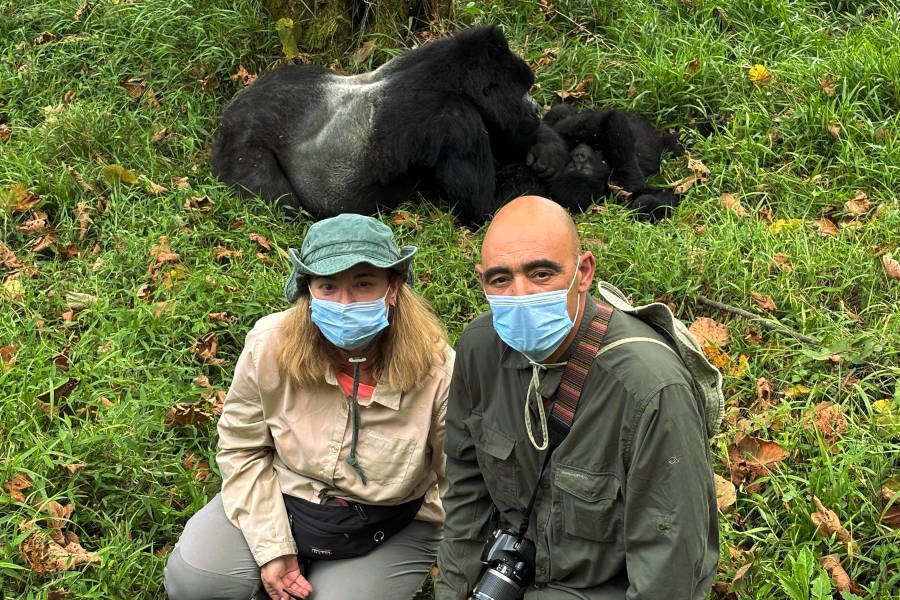
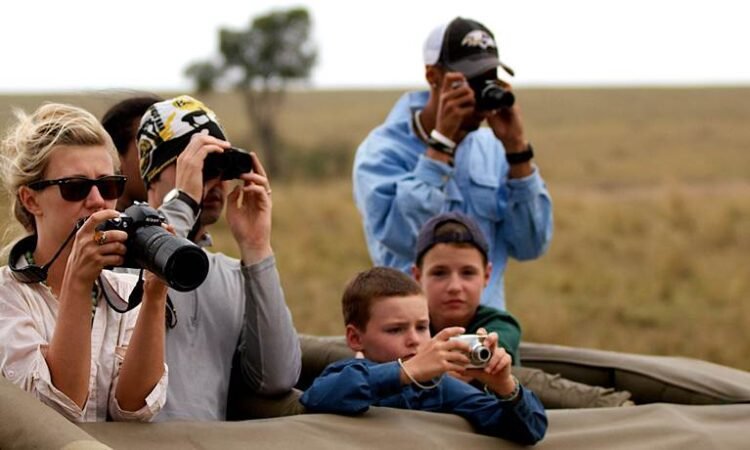
Private travel is usually the most practical arrangement for Multi-generation Rwanda Safaris because the family controls its own vehicle and general road schedule.
A private 4×4 allows the group to stop when grandparents need a break, children need a bathroom stop or someone wants to photograph a landscape. The family does not need to coordinate these decisions with unrelated travellers.
Private transportation is particularly valuable during wildlife drives. If the children are fascinated by elephants, the family can spend more time at the sighting when conditions permit. If an older traveller becomes tired, the guide can help adjust the programme.
Vehicle size is important for larger families. The objective should not simply be fitting every passenger into one vehicle. Everyone should have enough space, good wildlife visibility and comfortable seating.
For larger multigenerational groups, two safari vehicles may provide a better experience than overcrowding one vehicle. The vehicles can still travel together while allowing individual family members more space.
Gorilla Trekking on Multi-generation Rwanda Safaris
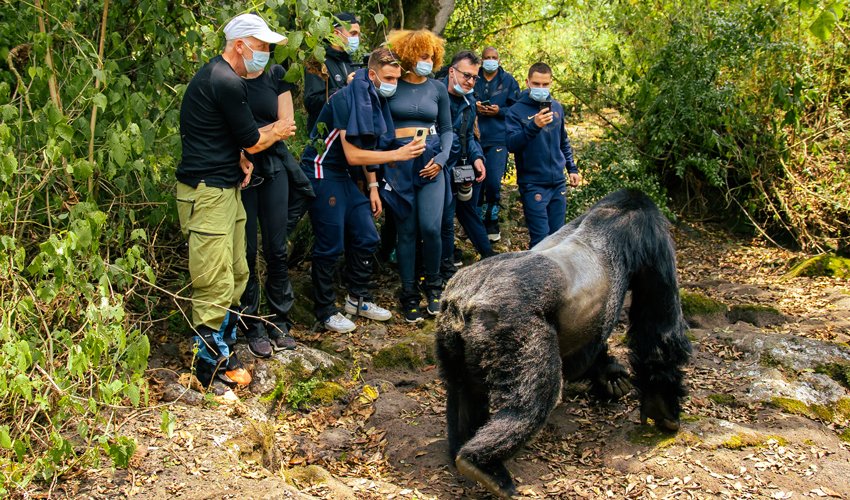
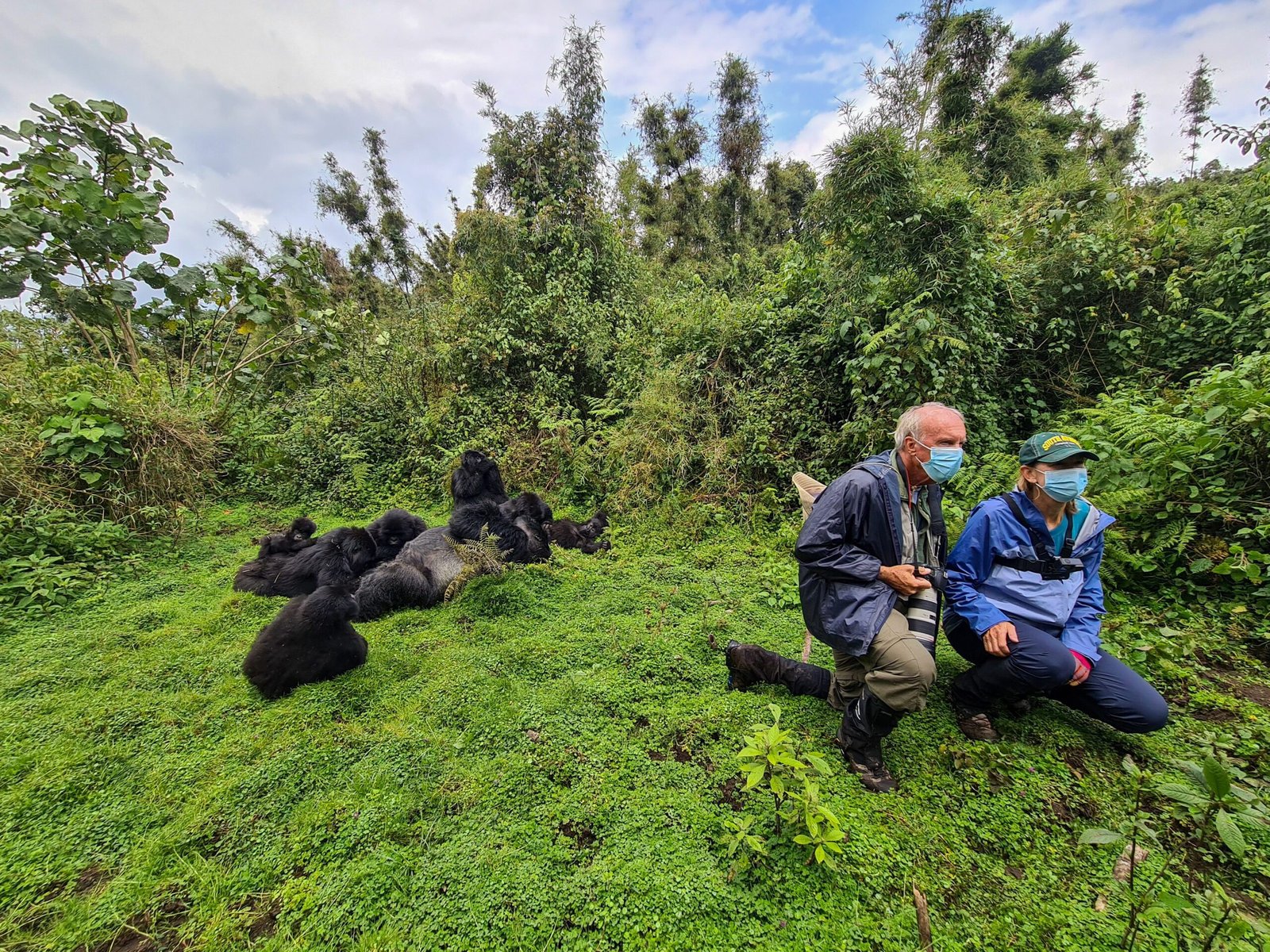
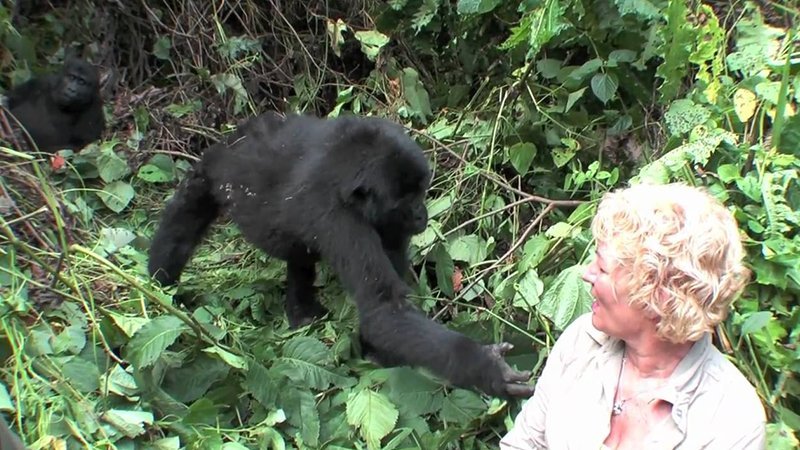
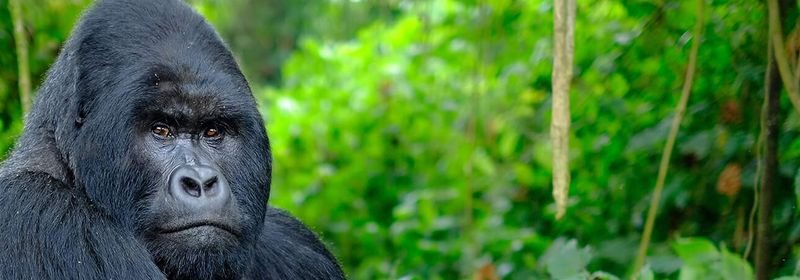
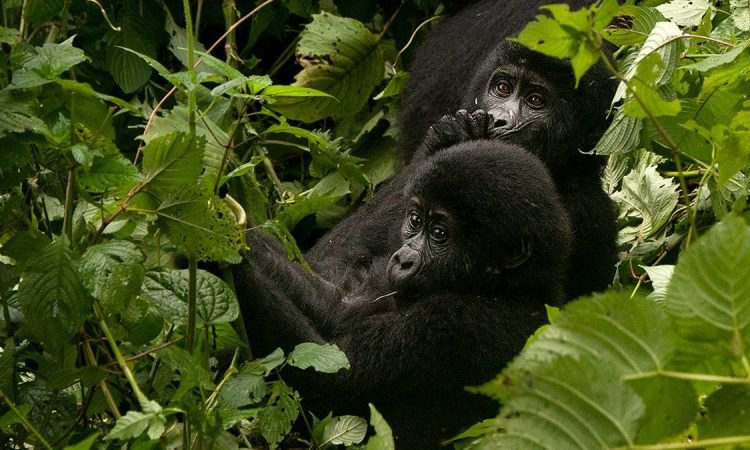
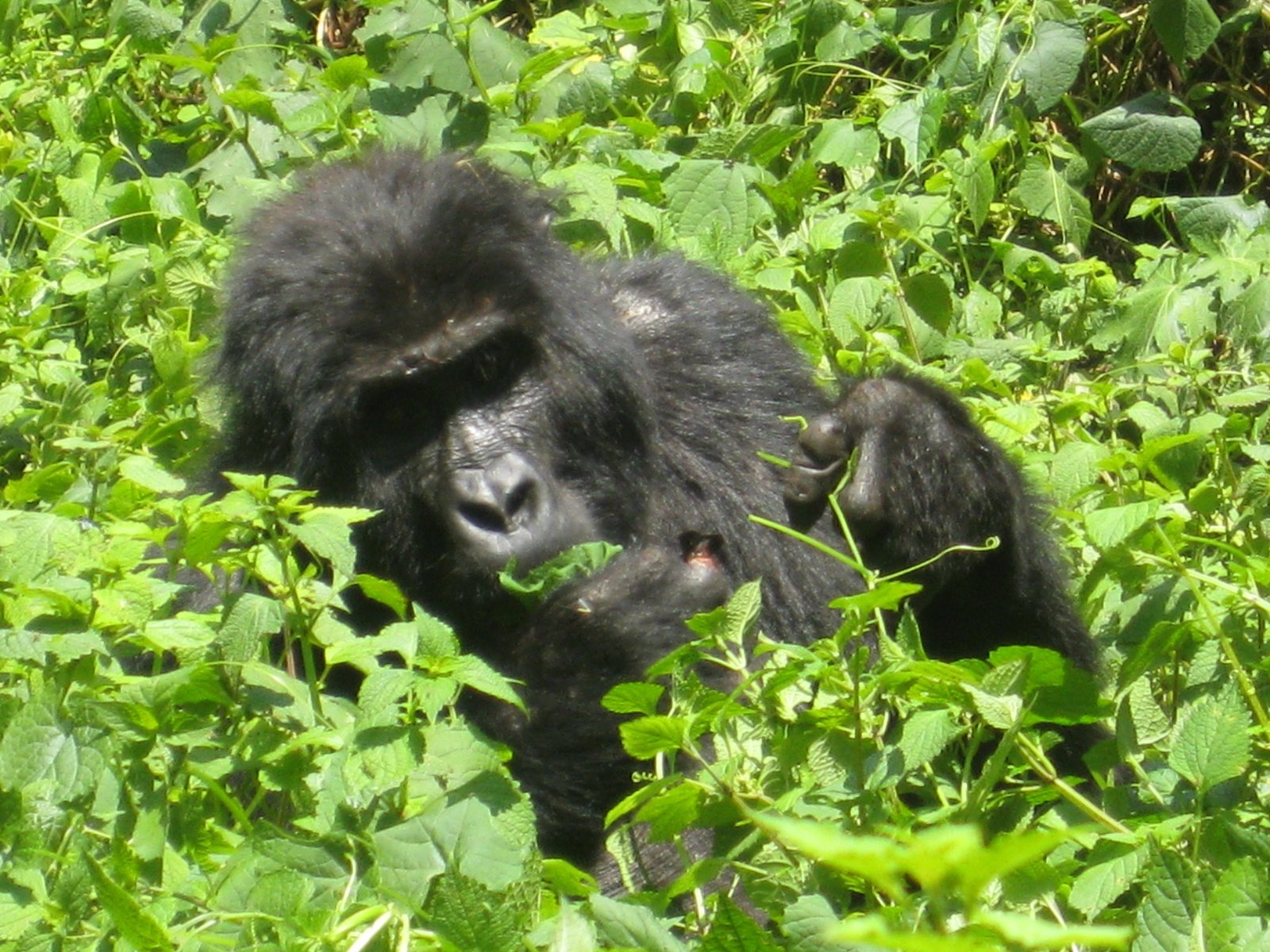
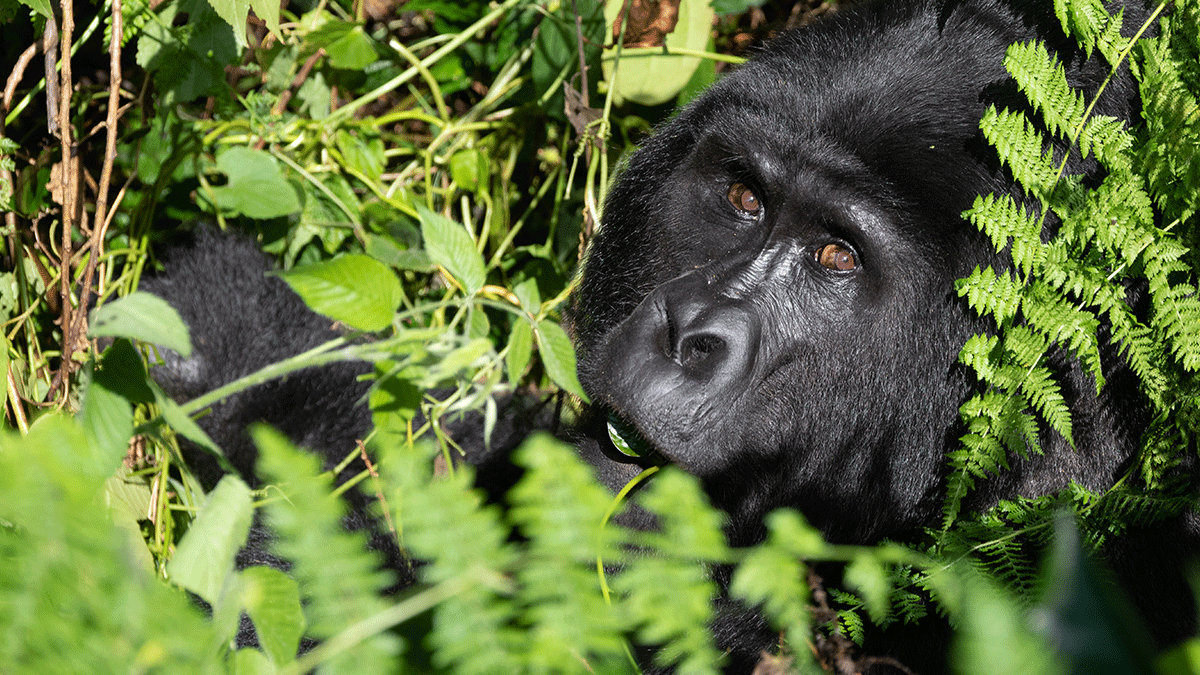
Mountain gorilla trekking can become the highlight of Multi-generation Rwanda Safaris, but it does not have to involve every family member.
Rwanda currently requires gorilla trekkers to be at least 15 years old, and the standard international gorilla permit costs US$1,500 per person per trekking day.
This makes the experience particularly suitable for parents, grandparents who are comfortable with the physical demands and teenagers aged 15 and above.
The trek takes place in Volcanoes National Park. Families attend a morning briefing before being allocated to a habituated gorilla family and entering the forest with professional guides and trackers.
Because gorillas move through their natural habitat, trekking duration and difficulty cannot be predicted exactly. This means age eligibility alone should not determine whether a family member participates.
A healthy and active grandparent may be enthusiastic about trekking, while another relative of the same age may prefer a less physically demanding activity. Good multigenerational planning respects that difference.
Gorilla Trekking with Grandparents


Some grandparents specifically choose Rwanda because seeing mountain gorillas has been a lifelong ambition.
Age by itself does not determine whether someone should trek. Fitness, mobility, balance, previous hiking experience and general comfort with uneven terrain are more relevant considerations.
The family should discuss mobility requirements honestly during the planning stage rather than waiting until trekking morning.
Using porter assistance can reduce the physical burden of carrying personal items, and a well-designed itinerary should provide a restful afternoon after the trek.
Grandparents who do not want to undertake the forest walk can still remain fully involved in the wider family holiday. While other family members trek, they can enjoy the lodge or follow an alternative programme arranged in advance.
When everyone reunites later in the day, the experience becomes part of the shared family story even though not every person participated in exactly the same activity.
Gorilla Trekking with Teenagers
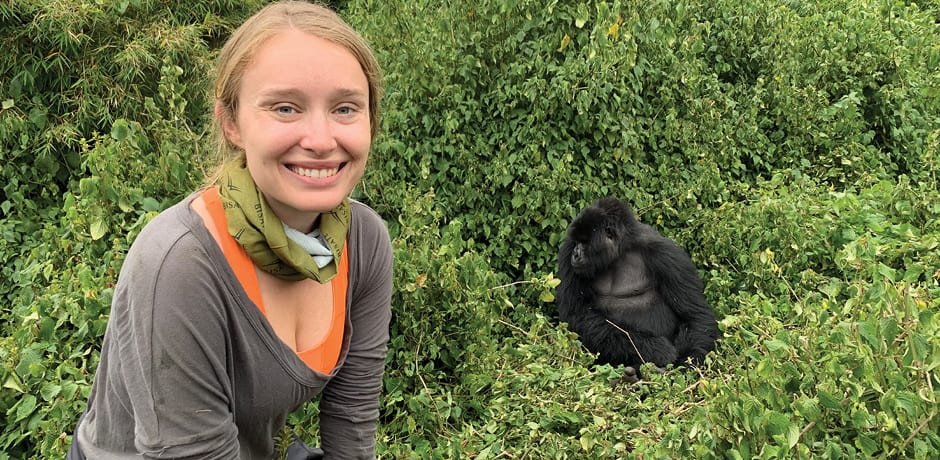
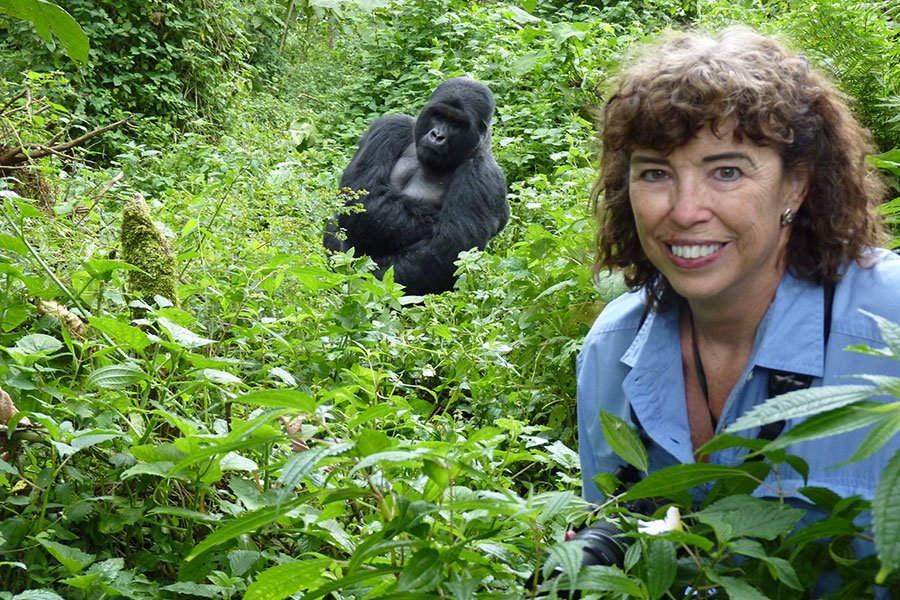
For teenagers aged 15 and above, gorilla trekking can be one of the most memorable parts of Multi-generation Rwanda Safaris.
The experience is active and unpredictable, which often makes it more exciting for teenagers than conventional sightseeing. They walk through the forest, listen to trackers and eventually encounter mountain gorillas living naturally within Volcanoes National Park.
The current minimum trekking age is 15, so younger teenagers and children cannot participate in standard gorilla trekking.
Parents should involve eligible teenagers in preparation before the safari. Walking regularly, wearing in trekking shoes beforehand and understanding the rules around gorillas can make the experience more enjoyable.
Photography can also increase teenage engagement, although the emphasis should remain on experiencing the encounter rather than viewing the entire hour through a camera screen.
What Can Younger Children Do During Gorilla Trekking?
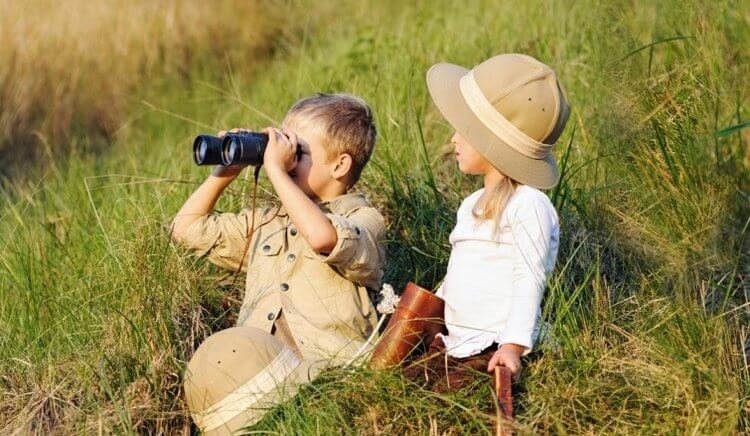
Families with children under 15 need a clear alternative plan for trekking morning.
Younger children should not simply be left at the lodge without confirmed arrangements. Depending on the chosen property and itinerary, suitable childcare or an age-appropriate experience may be arranged beforehand.
Another option is for eligible adults to trek on different days. One parent or grandparent can remain with younger children while others trek, and the arrangement can be reversed on the following day if permits and budget allow.
This naturally increases the cost because a separate gorilla permit is required for each person on each trekking date.
For many families, however, the simpler solution is for all eligible trekkers to participate together while younger children enjoy an alternative supervised programme.
The advantage of Multi-generation Rwanda Safaris is that the wider journey remains shared even when one morning involves different activities.
Akagera National Park for Multigenerational Families
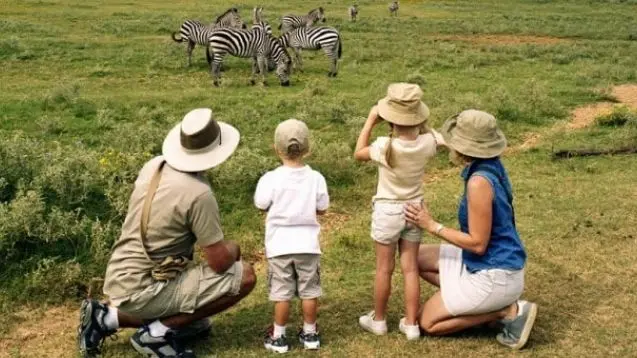
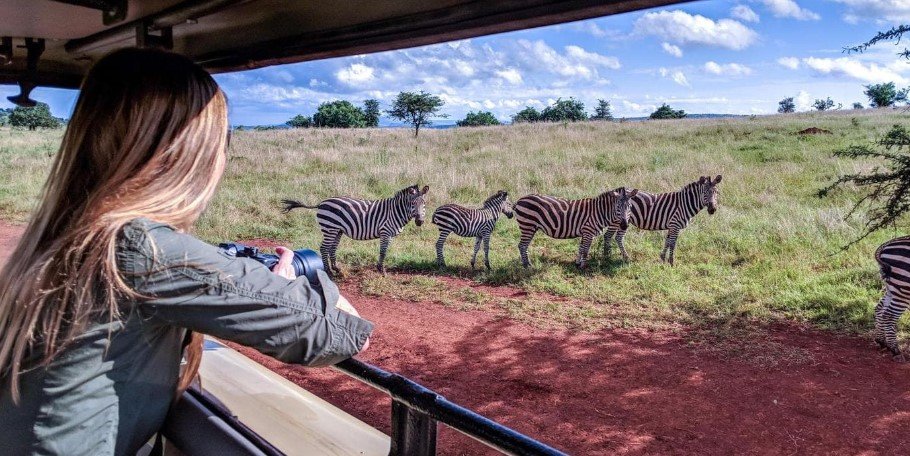
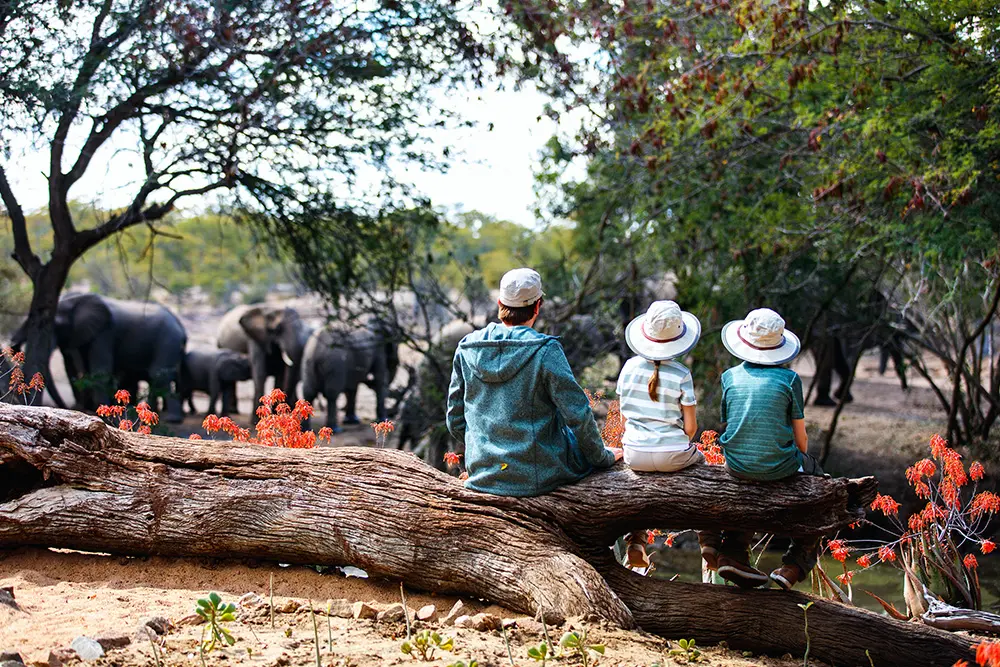
Akagera National Park is one of the most important destinations for Multi-generation Rwanda Safaris because classic wildlife viewing can be enjoyed from a safari vehicle.
Rwanda currently promotes Akagera as its savannah wildlife destination, with opportunities to see the Big Five as well as other animals across its varied landscapes.
For multigenerational groups, this creates an activity that grandparents, parents and children can experience together.
A knowledgeable guide can make the game drive interesting at different levels. Young children may concentrate on finding zebras and giraffes, teenagers may photograph wildlife and adults may become more interested in ecology, conservation and animal behaviour.
The family does not need to walk long distances to participate, making Akagera particularly useful when members of the group have different mobility levels.
Two or three nights are preferable for many families because wildlife experiences can be spread across shorter sessions instead of forcing everyone through an extremely long single day.
Lake Ihema Boat Safari for the Whole Family
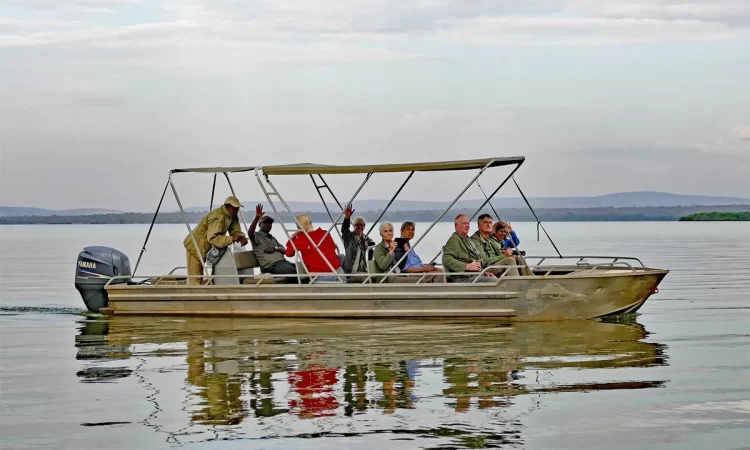
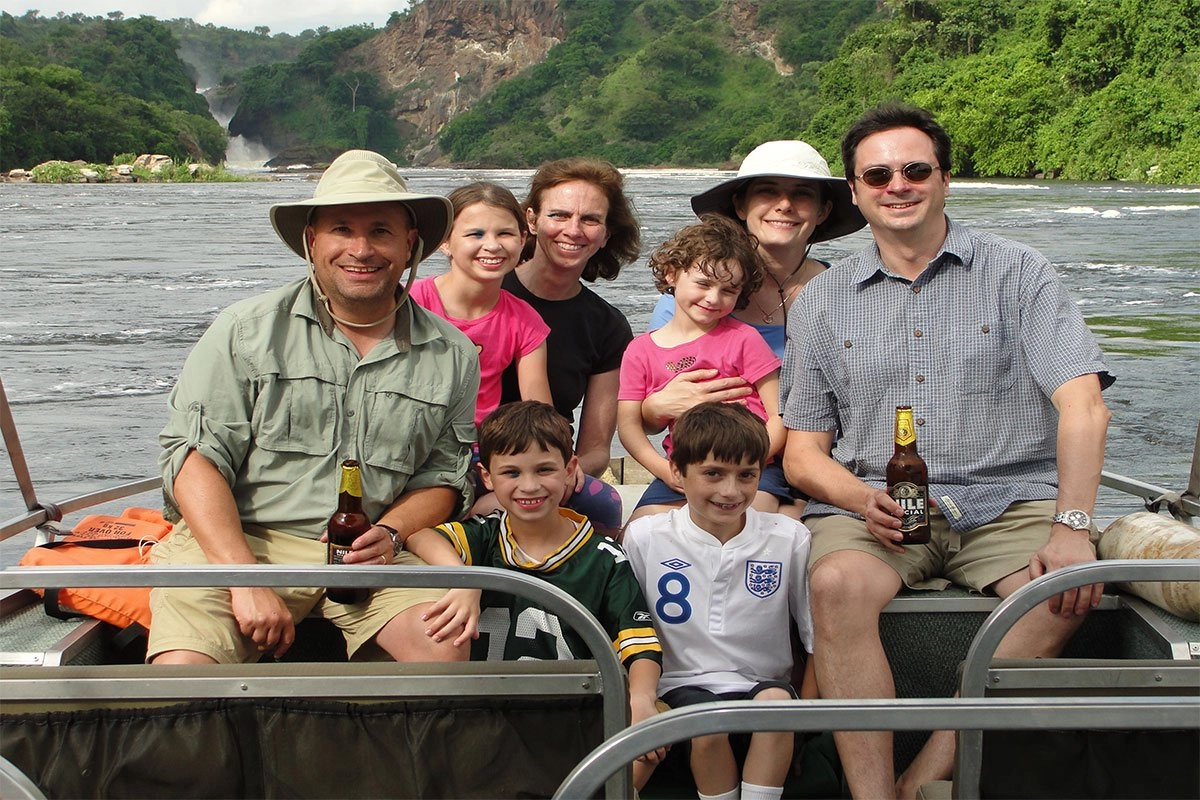
A boat safari on Lake Ihema adds welcome variety to Akagera.
Visit Rwanda describes Lake Ihema boat trips as a major Akagera experience, with opportunities to see hippos, Nile crocodiles and abundant waterbirds.
The boat experience can suit several generations because it provides wildlife viewing without another long drive or strenuous walk.
Children often enjoy the excitement of looking for hippos and crocodiles, while grandparents can appreciate the scenery and birdlife.
Combining a morning game drive with an afternoon boat trip can also create a better rhythm than remaining in the vehicle continuously.
Official Visit Rwanda two-day Akagera itineraries combine game drives with Lake Ihema boat experiences, demonstrating how naturally the activities fit together.
Lake Kivu on Multi-generation Rwanda Safaris
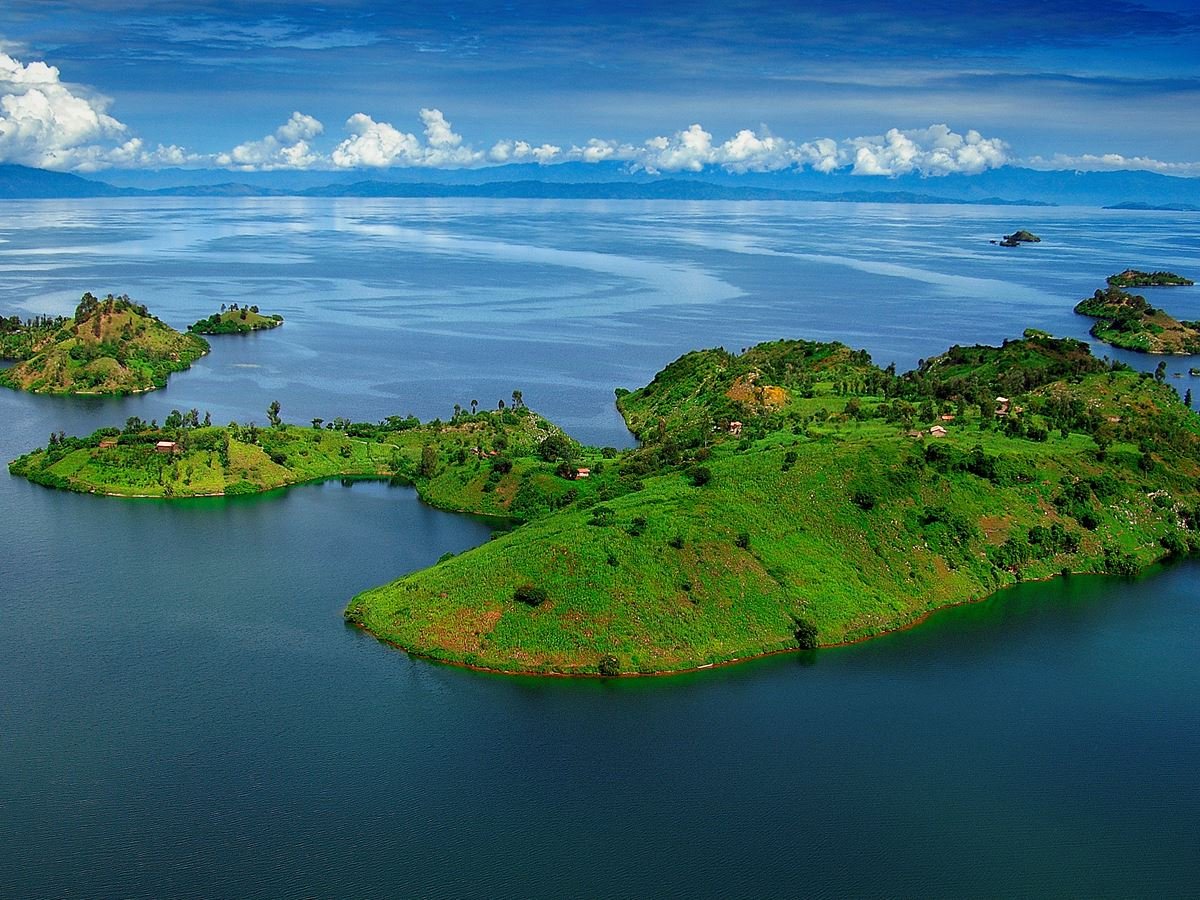
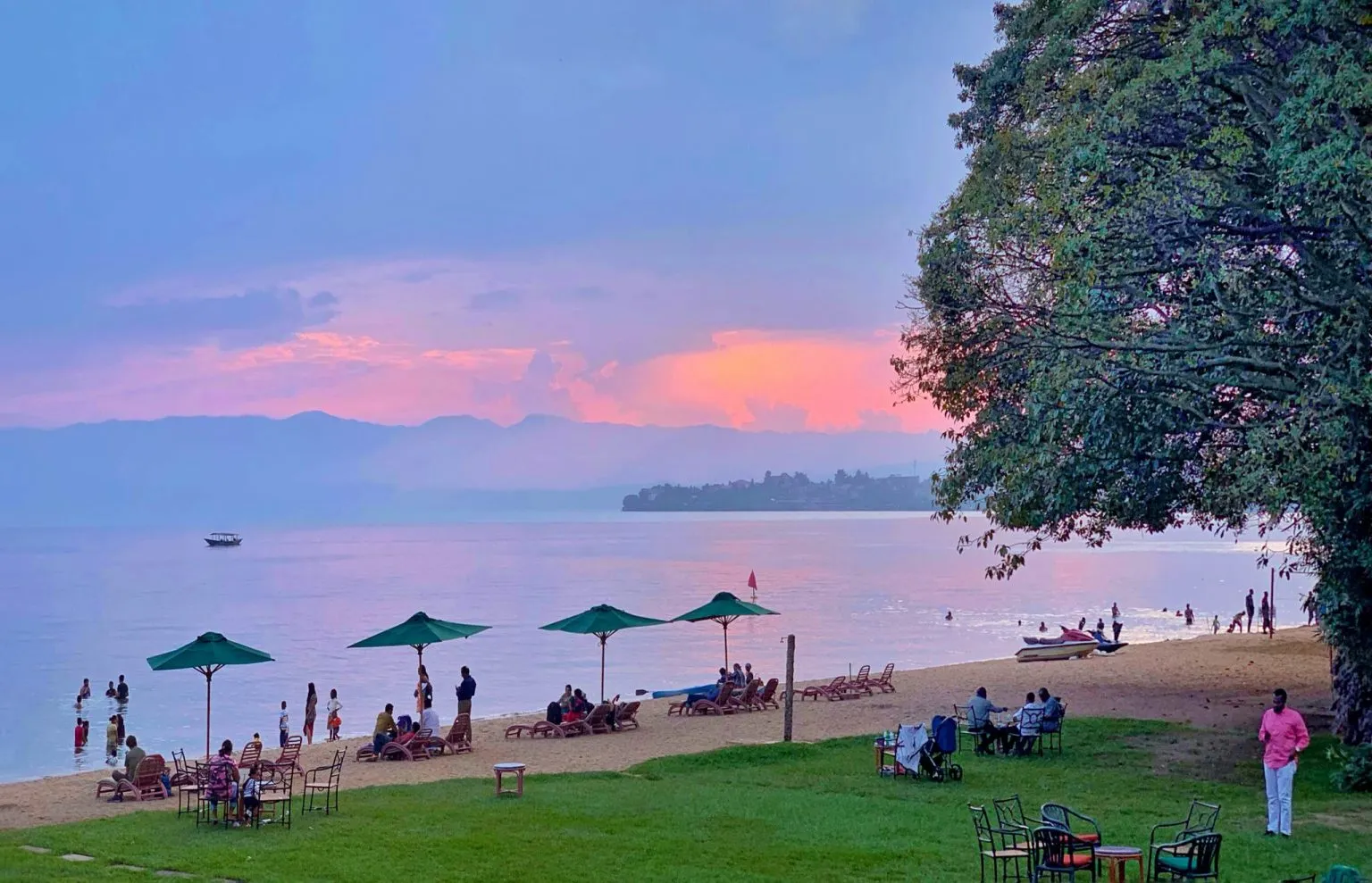
Lake Kivu is particularly valuable for Multi-generation Rwanda Safaris because it provides time for the family to slow down.
After several days of wildlife activities and early mornings, a lakeside stay allows different generations to enjoy the same destination in different ways.
Some family members may want an active excursion, while others simply enjoy the view, read, rest or spend time together.
Rubavu and Karongi are among Rwanda’s established Lake Kivu destinations. Visit Rwanda describes Rubavu as a waterfront town and Karongi as a popular lakeside retreat.
Two nights generally work much better than one for multigenerational families. A one-night stay often becomes little more than an overnight transfer, whereas two nights create an entire day without packing bags or travelling onward.
This slower day can be particularly welcome after gorilla trekking.
Nyungwe National Park for Extended Families
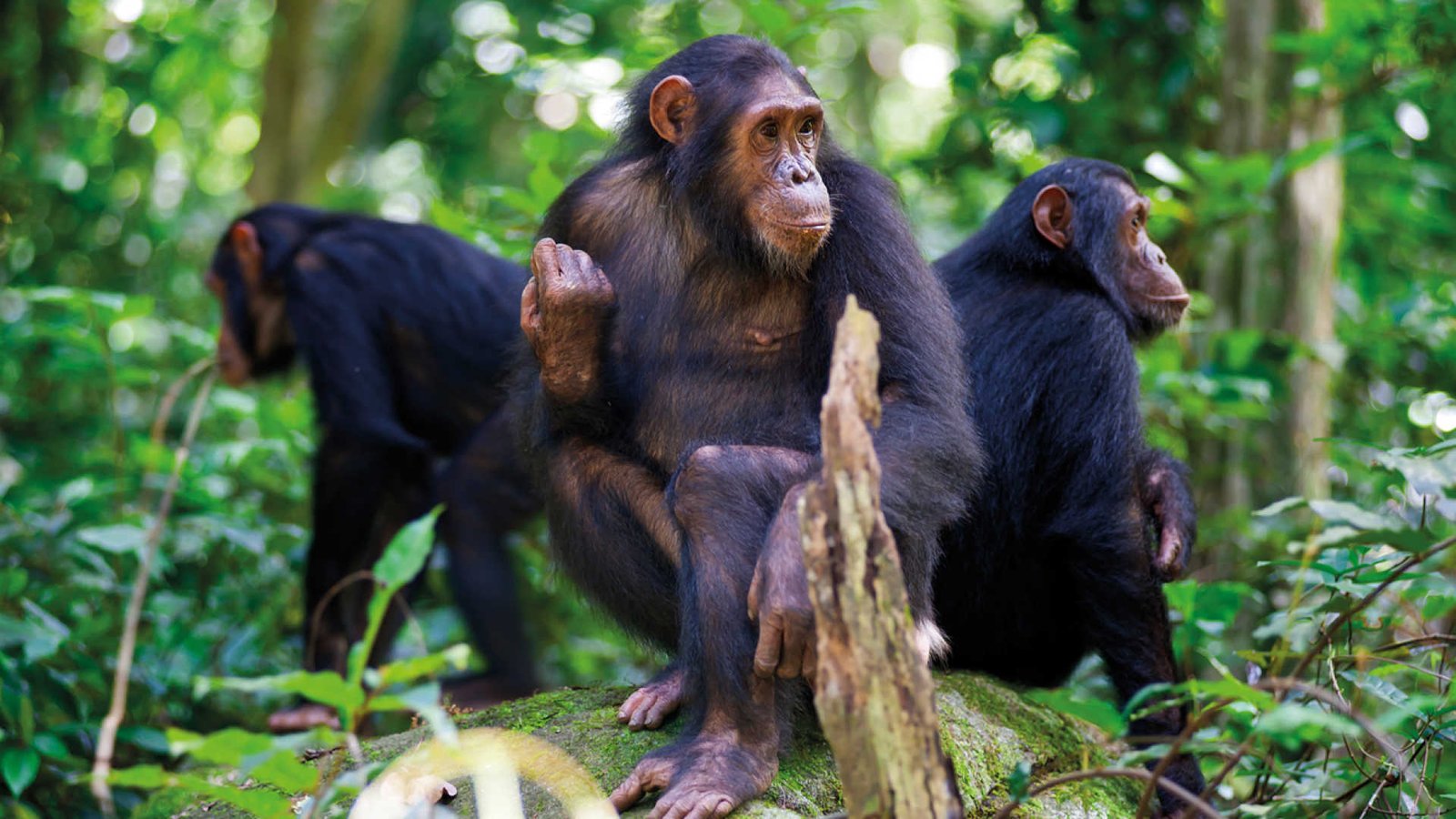
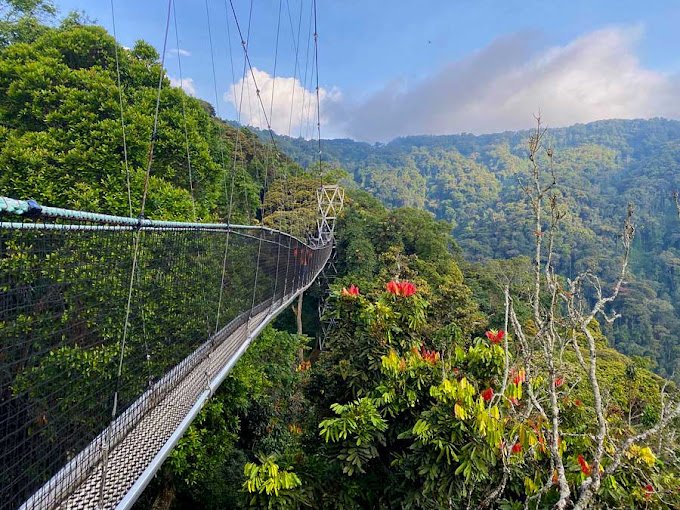
Nyungwe can add rainforest adventure to longer Multi-generation Rwanda Safaris, particularly when several family members enjoy walking and nature.
The forest is associated with chimpanzee tracking, birdlife, hiking and the famous canopy walkway. Visit Rwanda notes that chimpanzee tracking terrain can be steep, slippery and muddy and that an appropriate level of fitness is required.
This means chimpanzee tracking should not automatically be included for every family member.
Some adults and older teenagers may choose to track chimpanzees while other relatives follow a less strenuous activity.
Nyungwe also offers shorter forest trails. Visit Rwanda describes the Igishigishigi Trail as a relatively comfortable 2.1-kilometre route for novices, though individual ability should still be considered.
The ability to divide activities while remaining in the same destination is one of the strongest principles behind successful multigenerational travel.
Nyungwe Canopy Walkway for Families
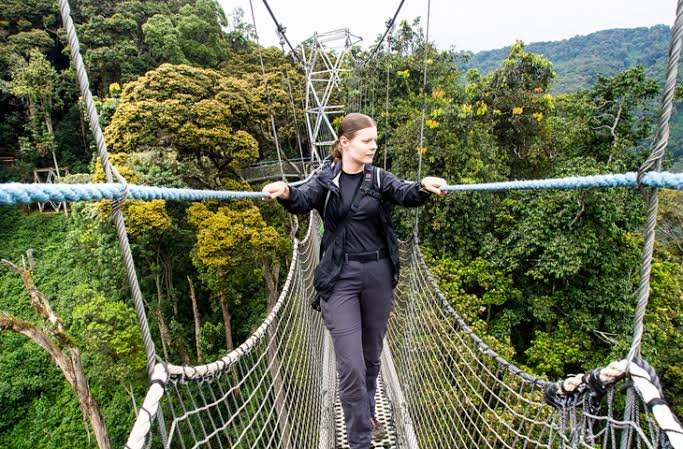
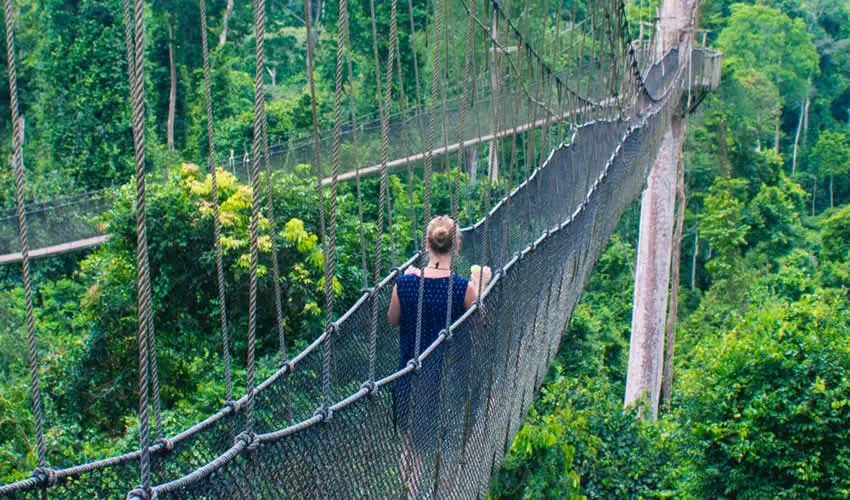
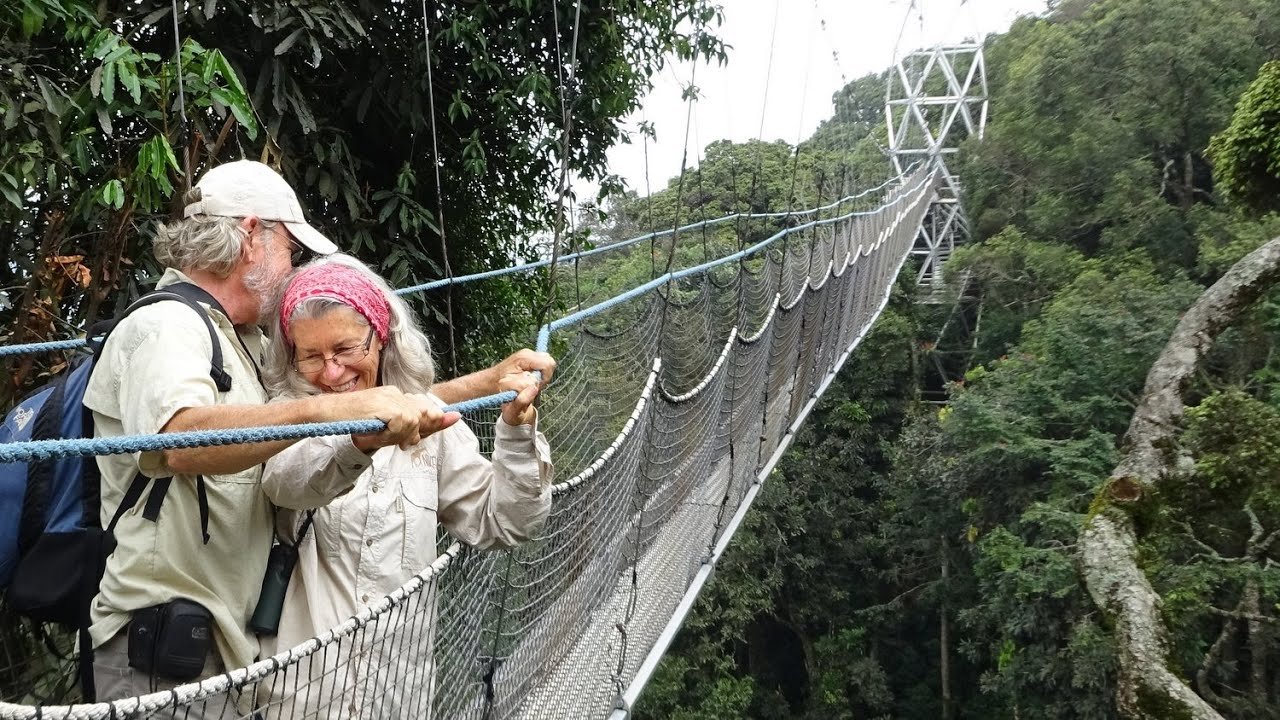
Nyungwe’s canopy walkway can become a memorable experience for suitable family members.
The suspended walkway is approximately 160 metres long and reaches around 70 metres above the ravine, providing elevated views across the montane rainforest.
Teenagers often enjoy the adventurous nature of the experience, while active parents and grandparents may appreciate the rainforest perspective.
However, not everyone is comfortable with heights. A multigenerational safari should never turn an optional adventure into an obligation.
Family members who prefer to remain closer to the ground can enjoy another activity while the more adventurous members complete the canopy experience.
This is precisely why Multi-generation Rwanda Safaris benefit from flexible private planning.
Cultural Experiences for Several Generations
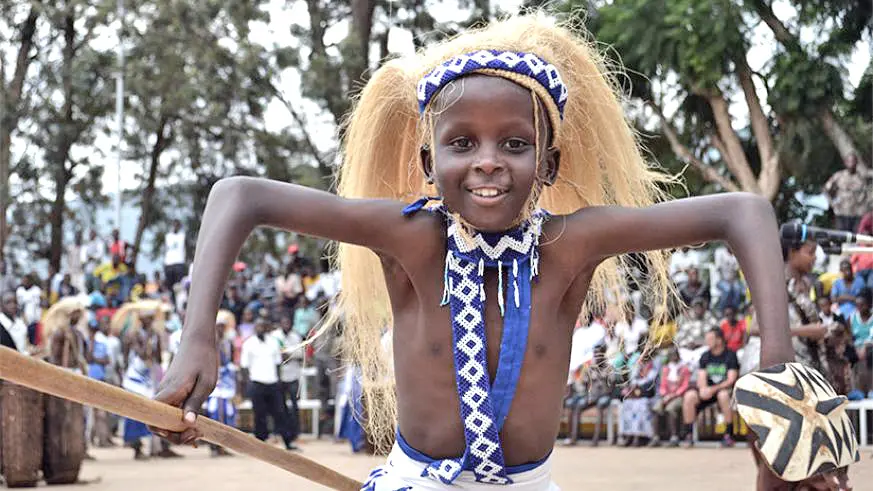
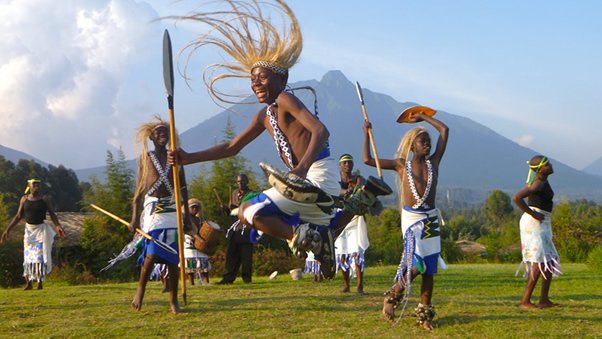
Wildlife may be the main reason for visiting Rwanda, but cultural experiences can make the journey more meaningful.
Visit Rwanda’s current multi-day experiences include community activities such as cow milking and beekeeping alongside game drives and Kigali visits.
Interactive experiences can work particularly well for multigenerational groups because younger children, parents and grandparents can all participate at different levels.
Tea experiences around Nyungwe can also be incorporated. Rwanda’s tourism authority identifies Gisovu and Gisakura among the important tea-tour areas around Nyungwe National Park.
These experiences help families understand that Rwanda is more than its wildlife. Agriculture, food, communities, history and daily life provide important context to the landscapes they see from the safari vehicle.
Kigali on Multi-generation Rwanda Safaris
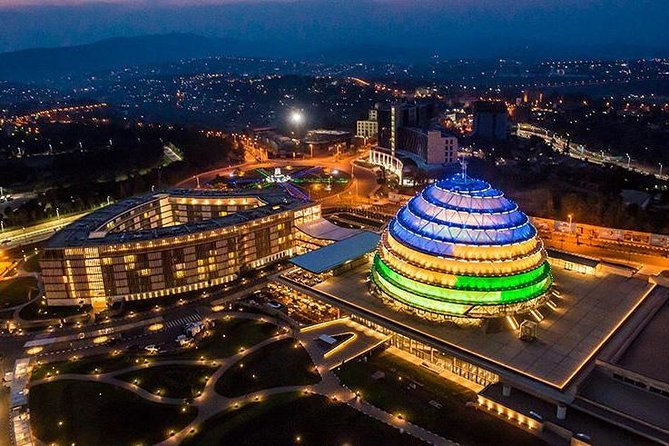
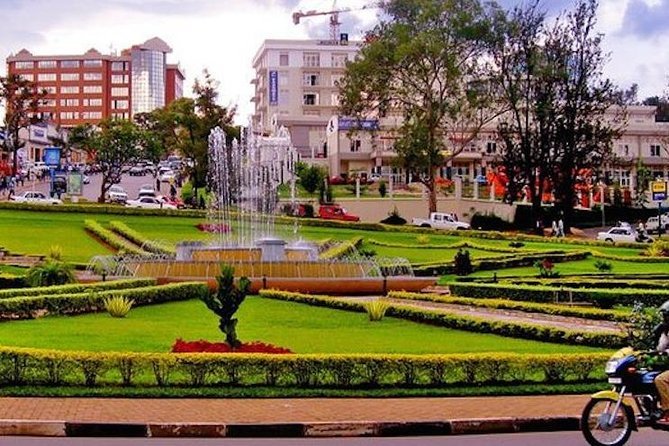
Kigali works particularly well as the first and final destination on Multi-generation Rwanda Safaris.
Families arriving after long international journeys often benefit from spending the first night in Kigali rather than immediately beginning another road transfer.
Grandparents have time to rest, children can adjust and everyone begins the actual safari with more energy.
Kigali can then be explored selectively according to the family’s interests. Historical, artistic, culinary and cultural experiences can be incorporated without turning the day into a rigid sightseeing programme.
For families with younger children, parents should decide which historical experiences are suitable according to age and maturity.
Returning to Kigali before departure can also provide a comfortable buffer at the end of the safari rather than completing a long road transfer immediately before an international flight.
Multigenerational Safari Accommodation in Rwanda
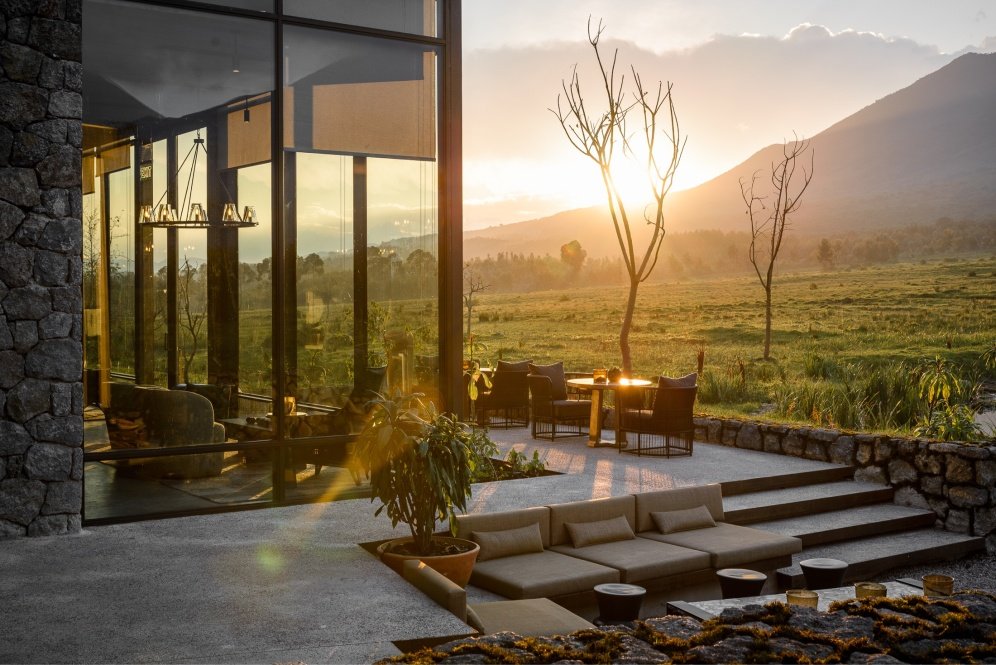
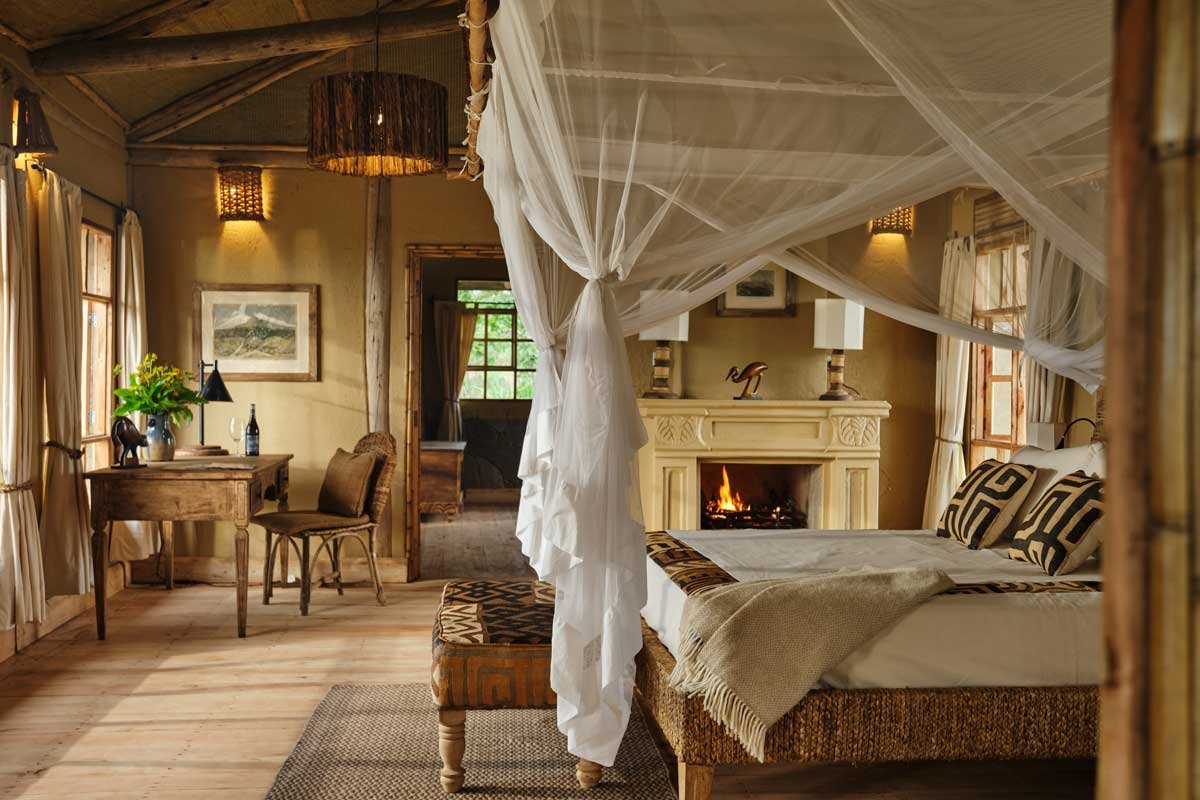
Accommodation selection has an enormous effect on Multi-generation Rwanda Safaris.
The first concern should be room configuration rather than luxury classification. Families may require interconnected rooms, family cottages, multi-bedroom villas or several rooms positioned close together.
Grandparents may benefit from rooms requiring fewer stairs or shorter walks from communal areas.
Parents with young children may prefer connected accommodation, while teenagers often appreciate some independence while remaining close to their parents.
Swimming pools and comfortable communal areas can also become surprisingly important. Children may spend an afternoon swimming while grandparents enjoy the lodge and parents finally have time to relax.
Visit Rwanda lists a range of accommodation categories across the major safari destinations, including properties near Akagera that offer swimming facilities.
The best property is therefore not automatically the most expensive one. It is the lodge that works best for the actual family.
Budget Multi-generation Rwanda Safaris
Multi-generation Rwanda Safaris do not have to be ultra-luxury journeys.
Large families can sometimes achieve good per-person value because private vehicle, guide and fuel expenses are distributed among more travellers.
Comfortable guesthouses and mid-priced lodges can be combined with Rwanda’s major wildlife experiences without changing the quality of the animals encountered.
Gorilla permits remain a significant fixed expense. At the current standard international rate of US$1,500 per eligible trekker, a large family with several adults and teenagers needs to budget carefully if everyone wants to participate.
Budget planning may therefore involve one gorilla trek, comfortable but non-luxury accommodation and road transportation rather than premium air transfers.
Saving money should come from removing unnecessary extras rather than compromising professional guiding, legitimate park permits or suitable vehicles.
Mid-range Multi-generation Rwanda Safaris
Mid-range travel often offers the strongest balance for extended families.
Families can use private 4×4 transportation, stay in comfortable ensuite accommodation and experience Rwanda’s major parks without the extremely high cost of premium lodges.
This category also allows the family to spend differently in different destinations.
A higher-quality property might be chosen around Volcanoes National Park because of convenient access and family-room configuration, while simpler accommodation can be used in Kigali or another stop.
This flexibility is particularly useful for larger groups because increasing the nightly room cost by even a small amount can multiply significantly when several rooms are required.
The objective should be comfort, location and family functionality rather than simply selecting a hotel according to star rating.
Luxury Multi-generation Rwanda Safaris
Luxury Multi-generation Rwanda Safaris work particularly well for families seeking privacy, spacious accommodation and highly personalised service.
Multi-bedroom villas can allow grandparents, parents and children to remain close while still maintaining private bedrooms.
Higher-end journeys can also incorporate upgraded vehicles and selected air transfers where they meaningfully reduce road time.
However, luxury should not translate into a packed itinerary.
Families paying for exceptional accommodation need time to actually enjoy their lodges. A two- or three-night stay allows several generations to make use of private spaces, dining, views and other facilities instead of arriving late and departing immediately after breakfast.
Luxury is most valuable when it improves comfort and family time rather than simply increasing the price of the journey.
Multi-generation Rwanda Safaris with Young Children
Families travelling with young children should build the journey around shorter activity periods and fewer hotel changes.
Akagera can provide excellent wildlife experiences because animals are observed from the vehicle, while Lake Kivu offers opportunities for quieter days.
Young children are not eligible for gorilla trekking, so the safari should not be designed as though they will participate in every adult experience. The current minimum age remains 15.
Instead, parents and grandparents can rotate responsibilities or arrange suitable supervision while eligible adults undertake the trek.
Children also need unstructured time. They may remember elephants and giraffes, but they may equally remember swimming with their grandparents or having breakfast overlooking the lake.
A family itinerary should leave room for these unscheduled moments.
Multi-generation Rwanda Safaris with Teenagers

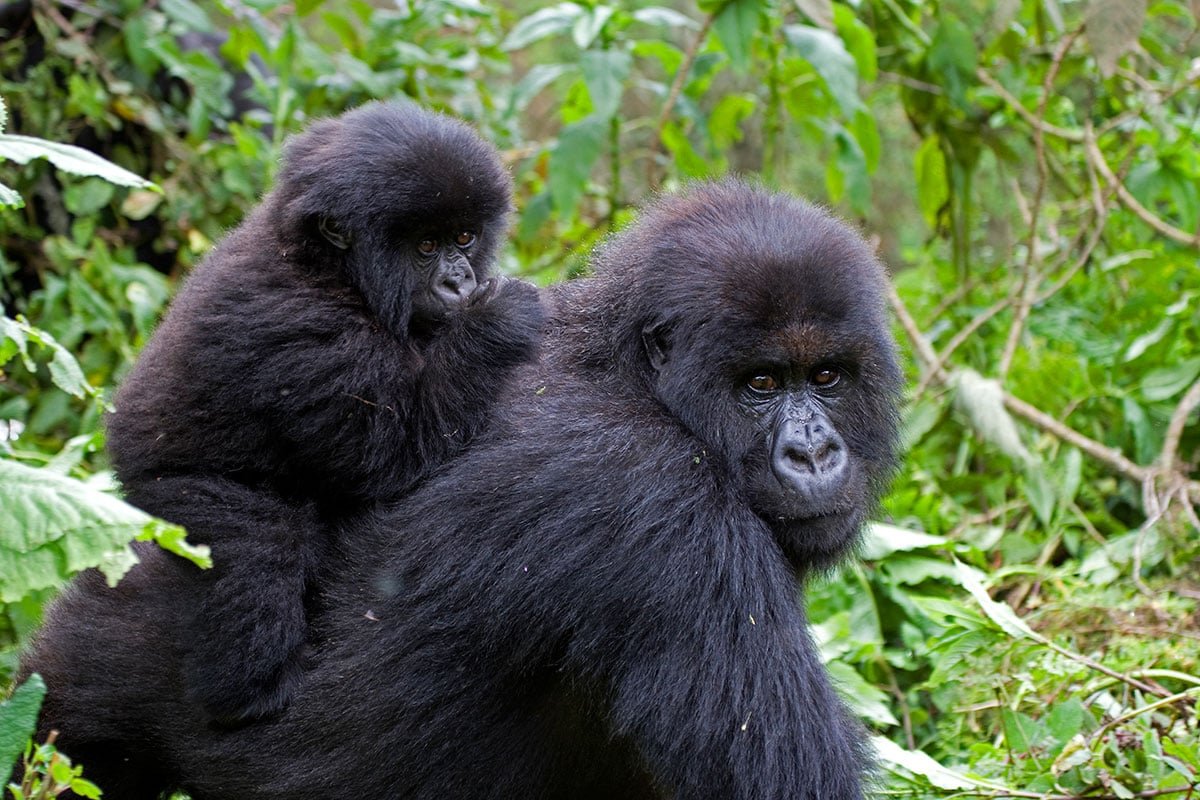
Teenagers can participate in a much wider variety of Rwanda experiences.
Those aged 15 and above can potentially join gorilla trekking, making the Volcanoes section particularly important for families with older children.
Teenagers may also enjoy photography, forest walks, kayaking and more adventurous activities.
Giving teenagers some involvement in choosing activities can make the safari more successful. One may be primarily interested in animals while another prefers hiking or photography.
Rather than expecting every teenager to appreciate the same things, Multi-generation Rwanda Safaris can incorporate different interests within the same route.
This is another advantage of staying multiple nights in each destination.
Multi-generation Rwanda Safaris for Grandparents
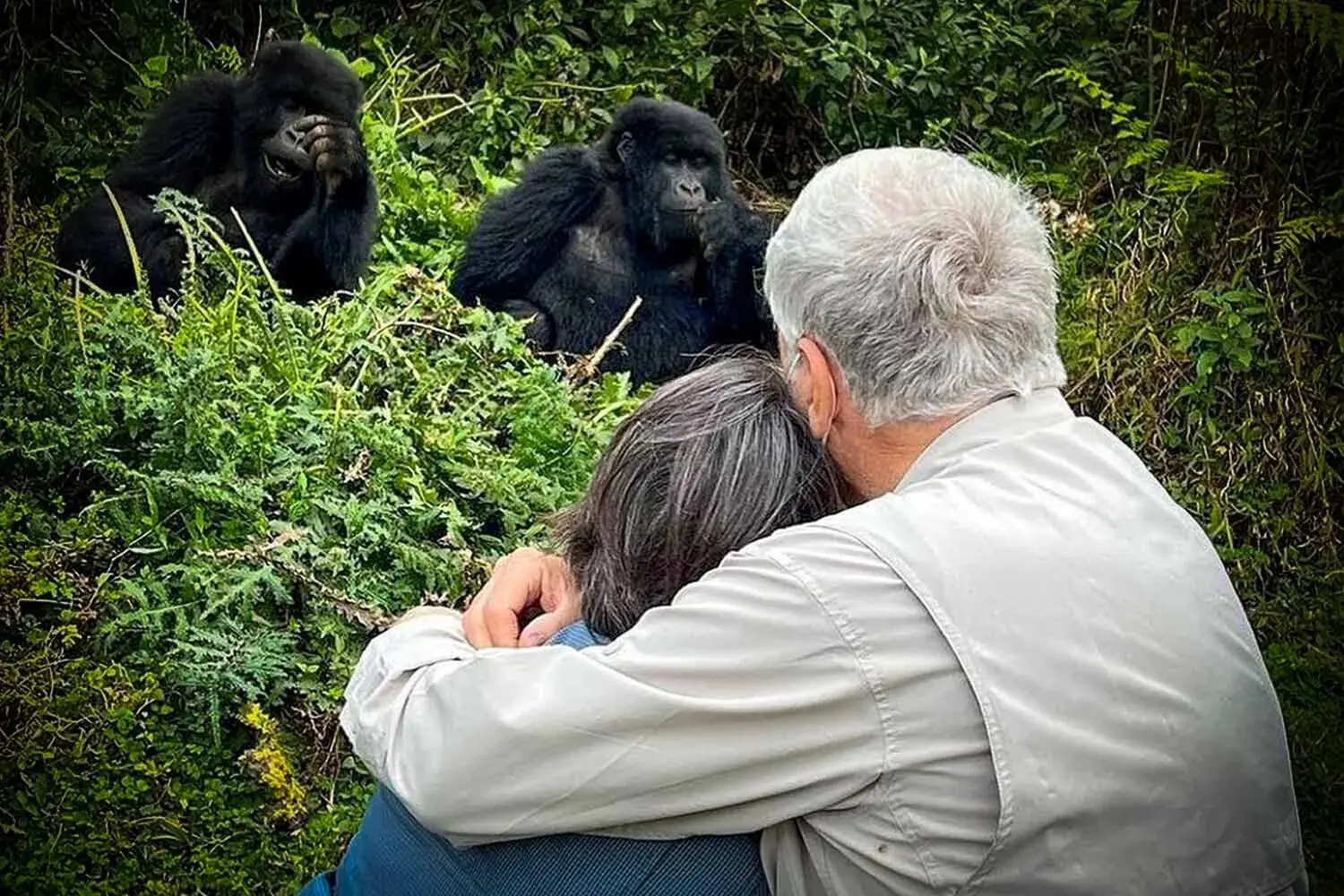
Grandparents often play a central role in organising multigenerational travel.
Some may be highly active and want to participate in gorilla trekking and forest activities. Others may prefer game drives, boating, cultural experiences and scenic travel.
Both approaches can be accommodated.
The itinerary should include realistic transfer times, accessible room arrangements and enough recovery time between demanding activities.
A private vehicle allows the guide to respond to mobility and comfort requirements without putting pressure on the rest of the family.
The objective is not to create a “senior safari.” It is to create one family journey where different activity levels can coexist comfortably.
How Long Should Multi-generation Rwanda Safaris Be?

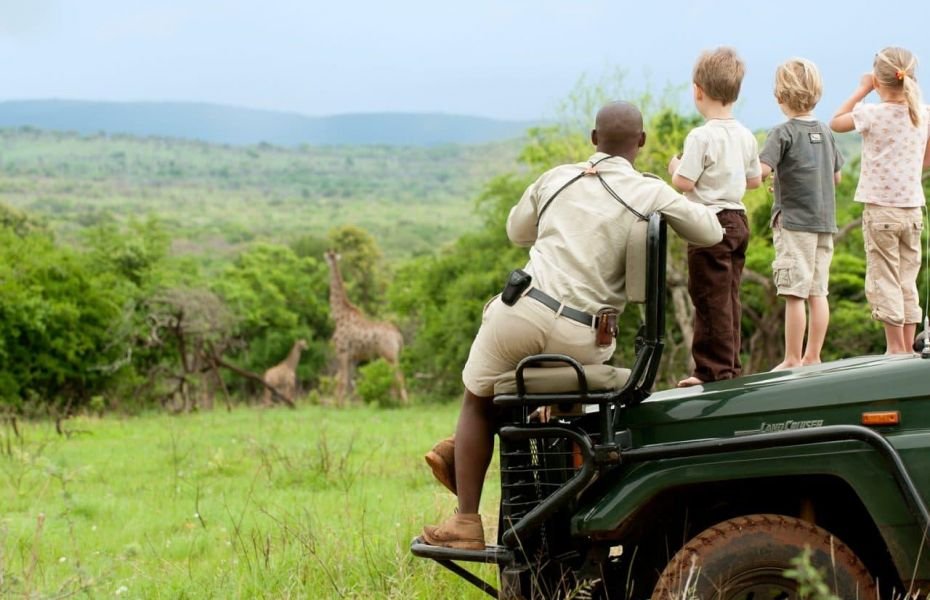
The ideal duration depends on how many generations are travelling and which destinations are included.
Seven days can work well for Kigali, Akagera and Volcanoes National Park, particularly when the family wants both traditional wildlife and gorilla trekking.
Nine or ten days provide more flexibility and allow Lake Kivu to be included without turning it into a quick overnight stop.
Twelve days or longer are ideal for families wanting Akagera, Volcanoes National Park, Lake Kivu and Nyungwe.
Rwanda’s official itineraries demonstrate that Akagera, Nyungwe, Lake Kivu and Volcanoes can be connected into one broader circuit.
For multigenerational groups, additional days should primarily create a slower pace rather than simply adding more attractions.
Seven-Day Multi-generation Rwanda Safari
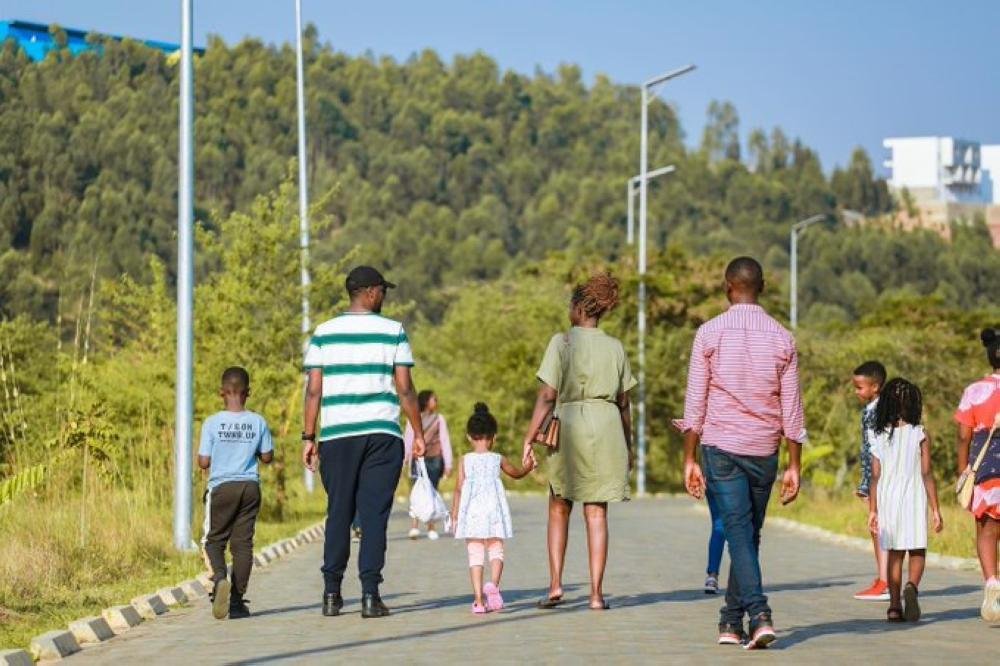
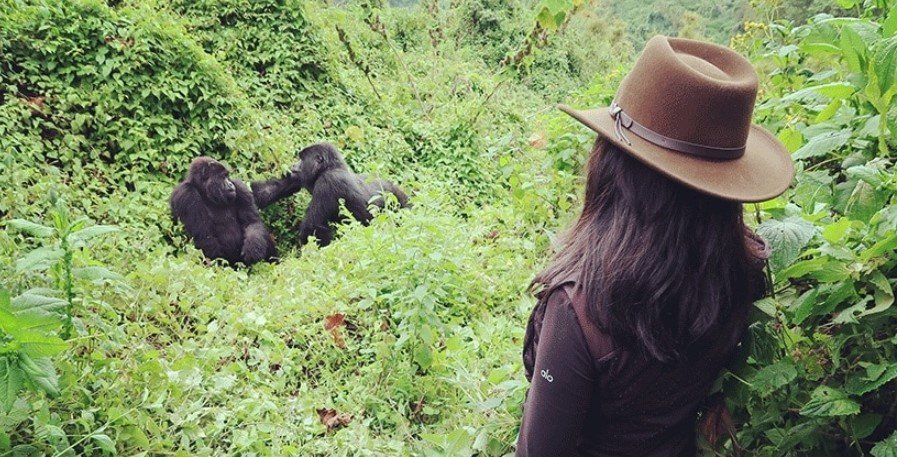
A seven-day Multi-generation Rwanda Safaris itinerary can concentrate on Kigali, Akagera and Volcanoes National Park.
The journey begins with arrival in Kigali and a comfortable first night.
The following two nights can be spent in Akagera, where the entire family enjoys game drives and a Lake Ihema boat experience. Rwanda currently promotes short Akagera packages that combine game drives, boating, accommodation, guiding and transport.
The family then travels toward Volcanoes National Park for several nights.
Eligible adults and teenagers can complete gorilla trekking while younger children or non-trekking grandparents follow an alternative programme.
A relaxed final morning allows the family to return to Kigali without placing excessive pressure on the final day.
This itinerary works well because most of the safari remains shared, with only the gorilla morning requiring different arrangements.
Combining Rwanda with Uganda for Multigenerational Families
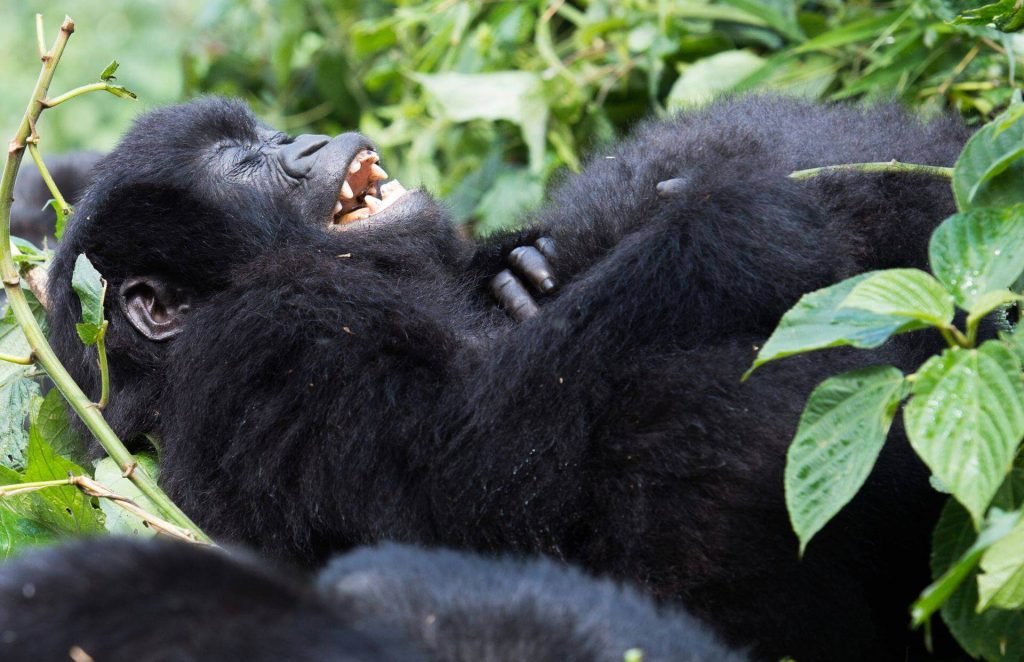
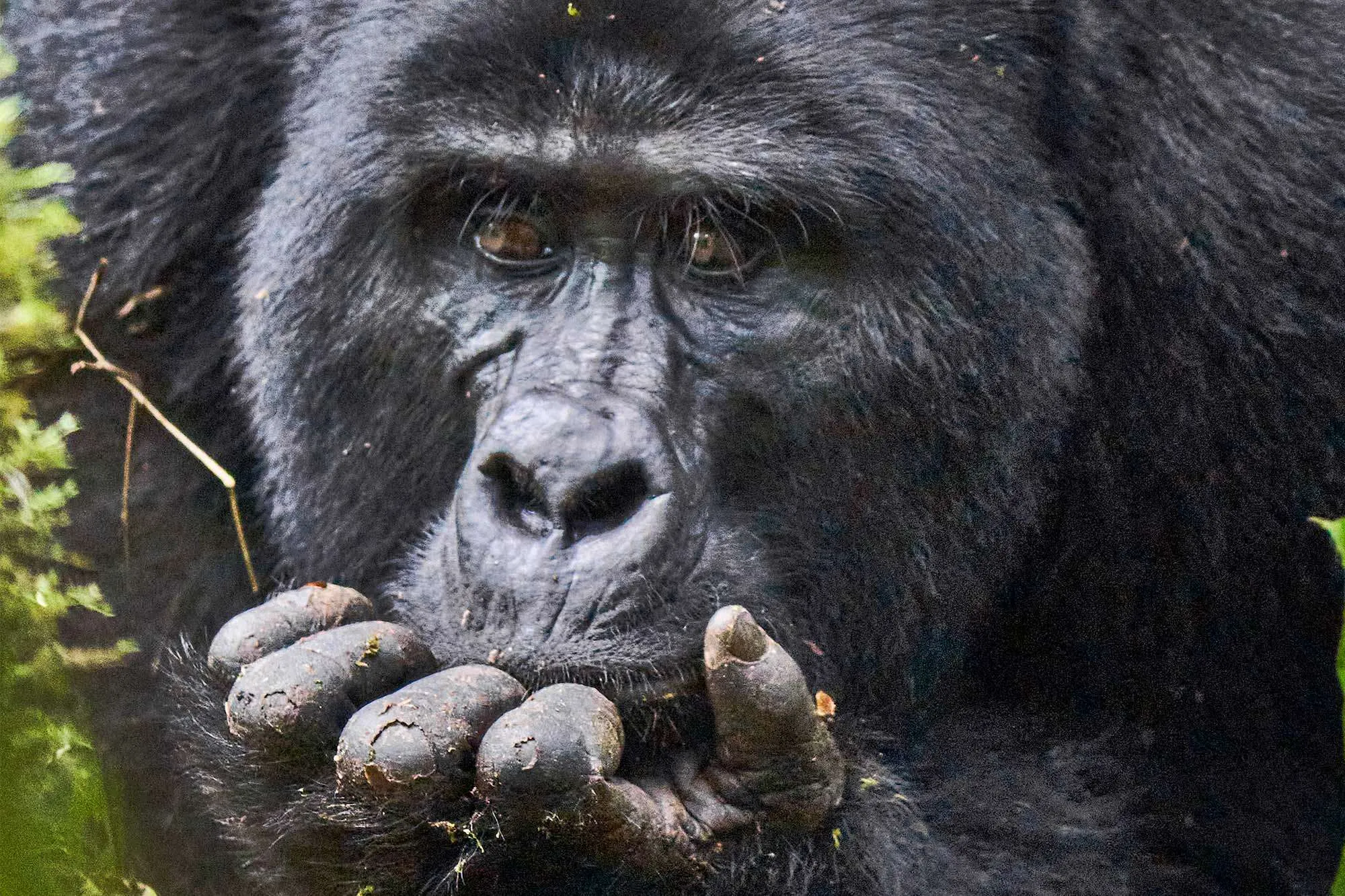
Families with more time can extend the journey beyond Rwanda into Uganda.
A cross-border safari can provide additional wildlife environments and another style of East African travel.
However, adding another country should only be considered when the family has enough days. The additional experience needs to justify border procedures and longer overall road travel.
For a short seven-day holiday, remaining entirely within Rwanda usually creates a smoother multigenerational journey.
For journeys lasting ten days or more, a carefully designed Uganda extension can make sense when particular wildlife destinations are important to the family.
The route should always be geographically logical and avoid unnecessary backtracking.
How Much Do Multi-generation Rwanda Safaris Cost?
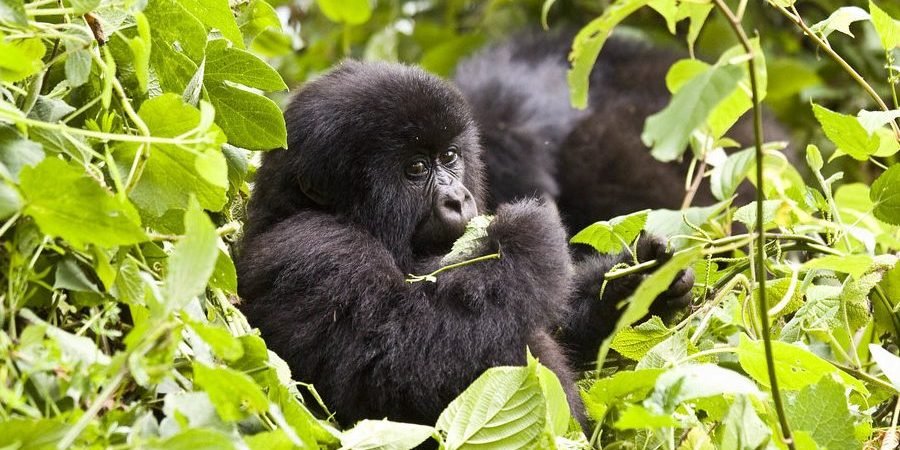
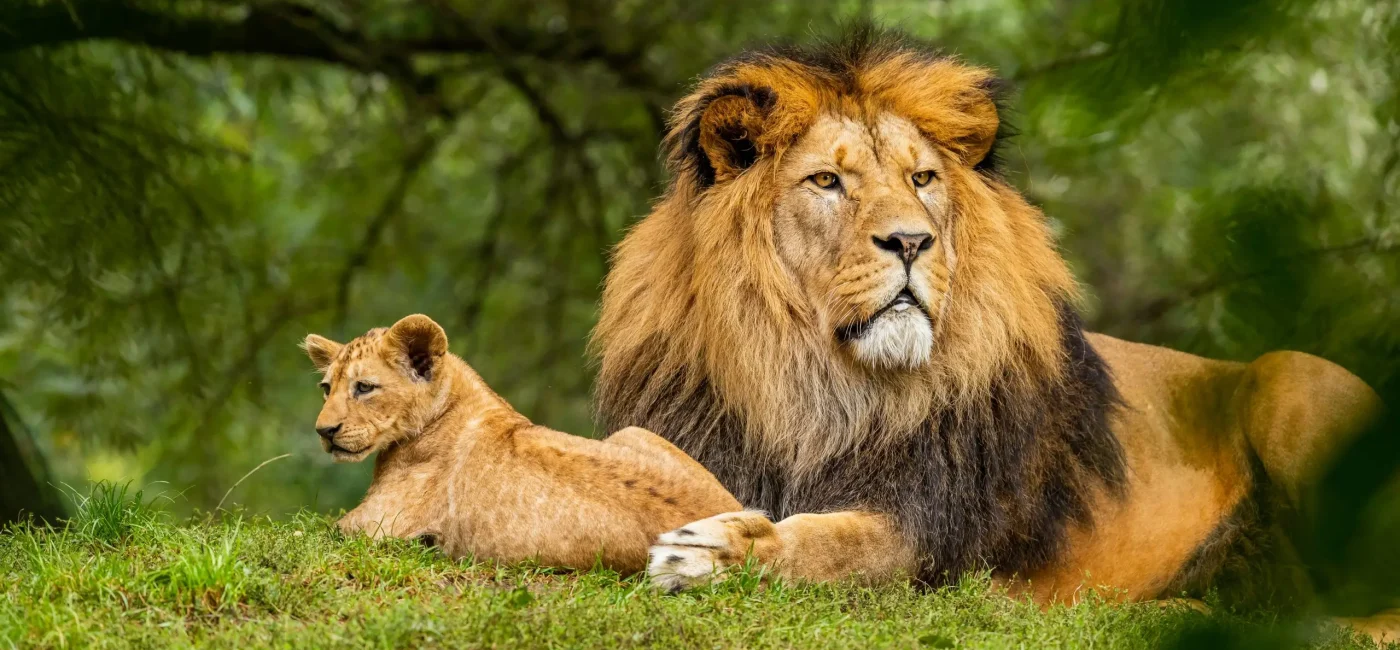
There is no single price for Multi-generation Rwanda Safaris because larger families have complicated room and activity requirements.
The number of travellers influences vehicle costs, while the number of rooms has a major effect on accommodation expenses.
Gorilla trekking can become the largest individual activity cost. The current standard international permit price is US$1,500 per eligible person per trekking day.
A family containing six eligible trekkers would therefore need to budget US$9,000 for six standard international permits for one trekking day alone.
However, other expenses can become more efficient as group size increases. The cost of a private vehicle, driver-guide and fuel can be divided among several family members.
A personalised quotation is therefore much more useful than applying a generic per-person safari rate.
What Should Be Included in Multi-generation Rwanda Safaris?


A properly designed safari should clearly explain what the family is paying for.
Typical arrangements can include airport transfers, private 4×4 transportation, professional driver-guiding, accommodation and the specified meal plan.
Depending on the itinerary, park entrance fees, game drives, boat trips and primate permits may also be included.
Visit Rwanda’s current five-day experiences demonstrate this bundled approach, with packages that can include gorilla permits, park entry, accommodation, full board, a 4×4 vehicle, professional guiding and transfers.
International flights, travel insurance, personal purchases, gratuities and activities not specifically confirmed are normally treated separately unless the quotation says otherwise.
For multigenerational families, the quotation should also specify the room configuration and which travellers are participating in each optional activity.
Best Time for Multi-generation Rwanda Safaris
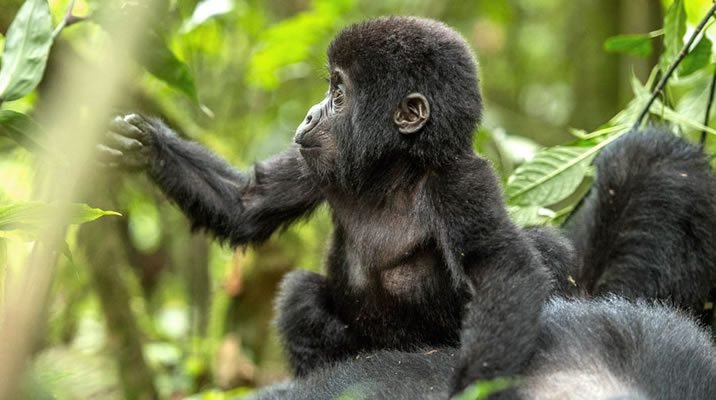
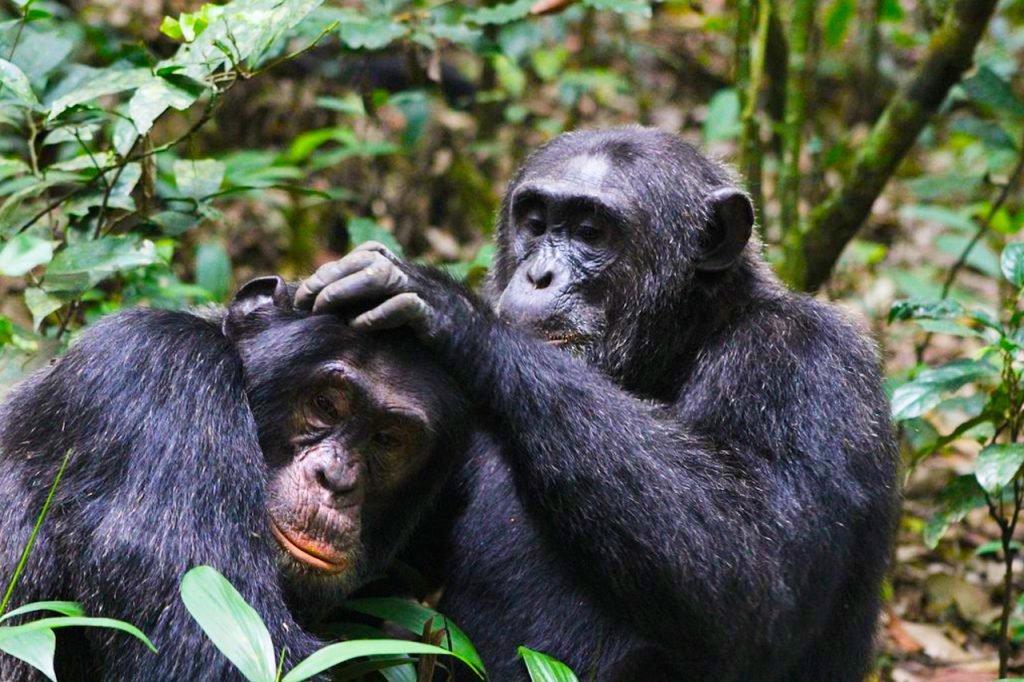
The best time depends on school holidays, family availability and the activities being planned.
Families including gorilla trekking should pay particular attention to permit availability because access is controlled and the minimum trekking age is 15.
Families travelling during major school-holiday periods should generally begin planning earlier because several rooms, family units and multiple gorilla permits need to be coordinated.
Weather is also relevant, particularly for forest activities, but no month removes the possibility of rain entirely in Rwanda’s mountain landscapes.
The most important consideration is creating dates that work for everyone while securing the experiences regarded as essential.
Packing for a Multigenerational Rwanda Safari
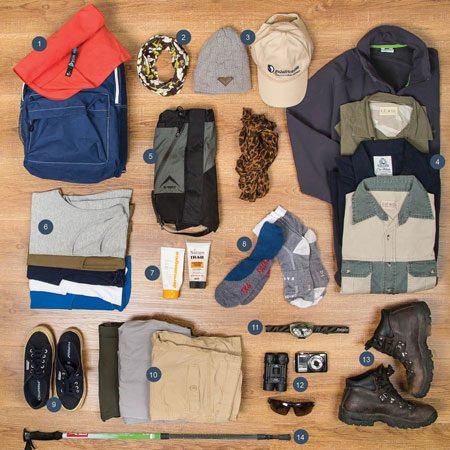
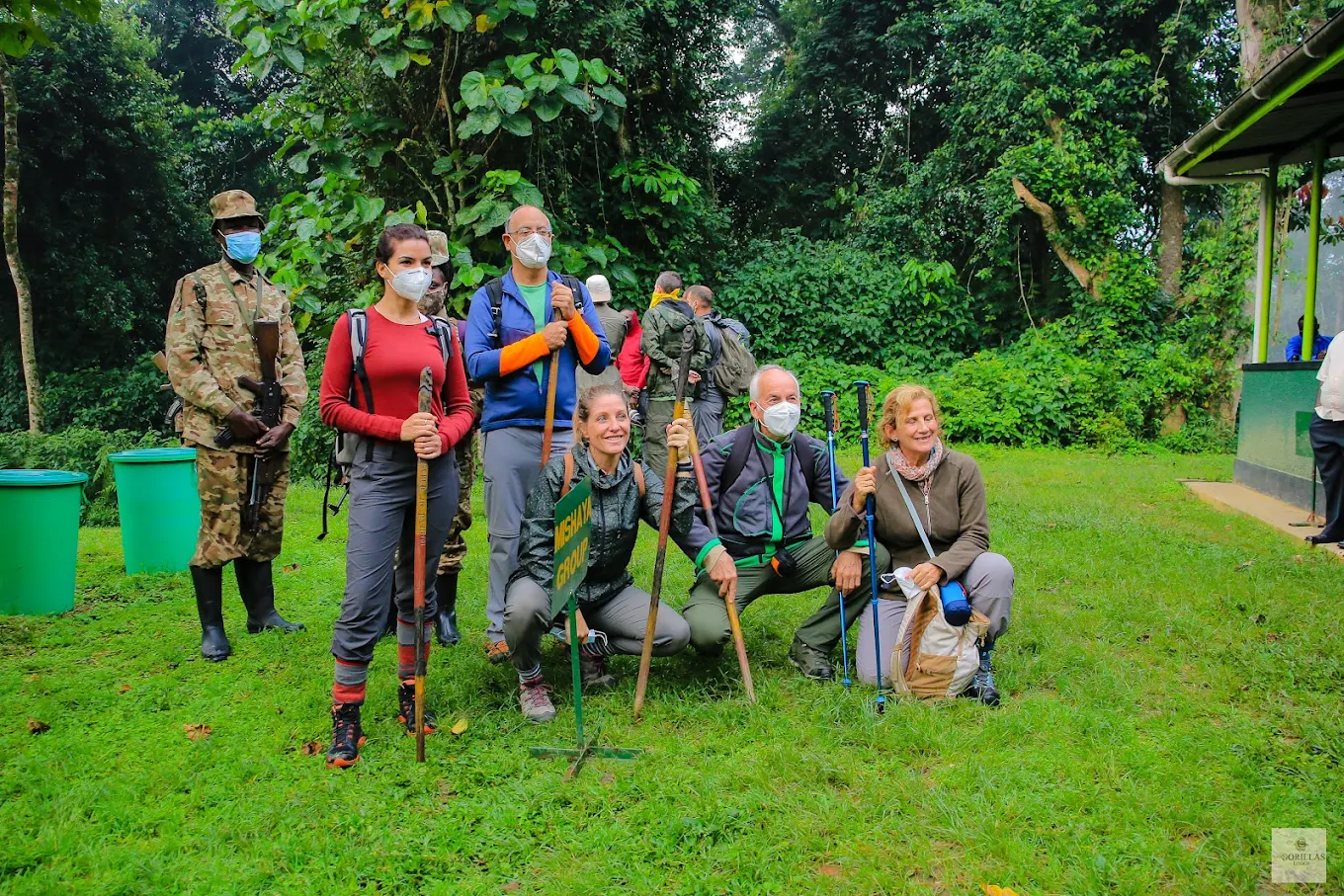
Packing needs vary considerably across generations.
Family members trekking gorillas or exploring Nyungwe should have suitable walking shoes, practical trousers, rain protection and clothing appropriate for forest conditions.
Akagera requires lighter clothing for warmer safari conditions as well as sun protection.
Grandparents should keep essential medication easily accessible, while parents travelling with young children should carry enough important items in day bags rather than placing everything inside large suitcases.
Binoculars can be especially useful because several generations can participate actively in wildlife spotting.
Families should avoid overpacking. Private safari vehicles have finite luggage space, particularly when many relatives are travelling together.
Health and Mobility Planning
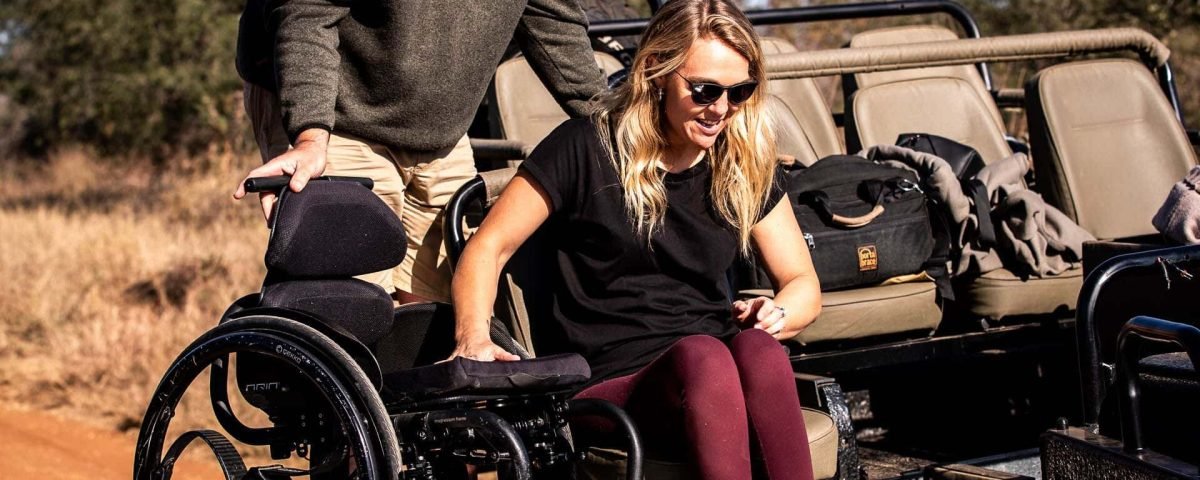
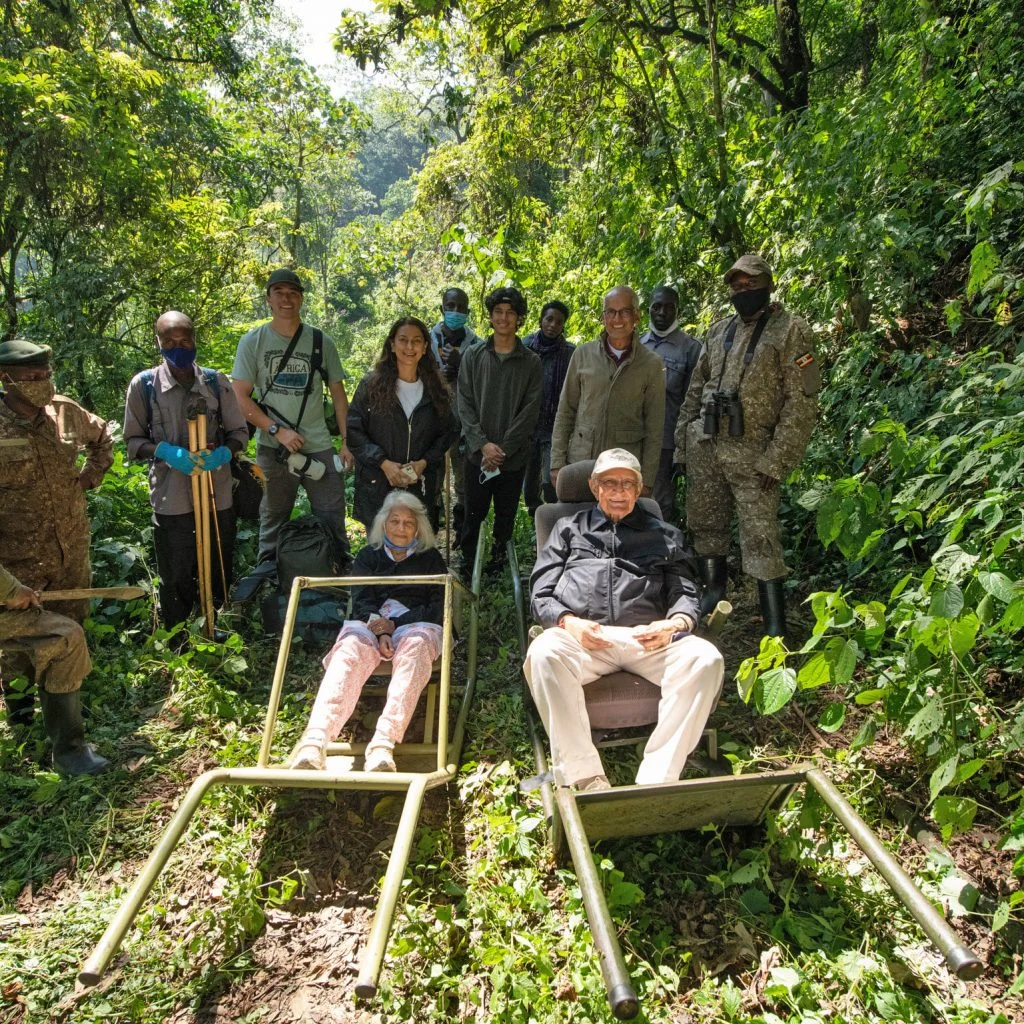
Health and mobility considerations should be discussed before finalising Multi-generation Rwanda Safaris.
Families do not need to disclose unnecessary personal details, but the safari planner should know when a traveller has difficulty with long walks, stairs or lengthy periods inside a vehicle so that practical arrangements can be made.
Gorilla and chimpanzee activities require more physical effort than ordinary game drives.
Akagera and Lake Kivu therefore provide useful alternatives for family members who prefer less strenuous days.
The itinerary should not treat an activity substitution as a disappointment. A grandparent enjoying a beautiful boat trip while others complete a difficult trek is still having a valuable safari experience.
The goal is to create a journey in which nobody feels pressured to prove their fitness.
Responsible Multi-generation Rwanda Safaris
Multigenerational travel provides a valuable opportunity for parents and grandparents to introduce younger travellers to conservation.
Rwanda states that ten percent of revenue generated from gorilla, safari and other tourist permits and park fees is used in partnership with surrounding communities.
This creates an opportunity to explain to children why national parks have rules, why gorilla permits are controlled and how tourism can contribute to conservation and community development.
Wildlife should never be fed or disturbed, and ranger instructions should always take priority over photography.
Cultural experiences should also be approached respectfully.
For younger travellers, seeing conservation in practice can be considerably more powerful than simply learning about endangered wildlife in a classroom.
Frequently Asked Questions About Multi-generation Rwanda Safaris
Are Multi-generation Rwanda Safaris suitable for grandparents and young children?
Yes. Multi-generation Rwanda Safaris are specifically suited to families travelling with different age groups, including grandparents, parents, teenagers and younger children. The key is designing the itinerary so that everyone can enjoy suitable experiences without expecting every family member to participate in the same activities.
Akagera National Park is particularly suitable because wildlife viewing takes place from a safari vehicle, allowing several generations to search for elephants, giraffes, zebras, buffaloes and other animals together. Lake Kivu can provide relaxed family time, while more adventurous adults and eligible teenagers can participate in gorilla trekking. Private transportation, carefully selected accommodation and slower two- or three-night stays make Multi-generation Rwanda Safaris far more comfortable for extended families.
Can grandparents and teenagers go gorilla trekking on Multi-generation Rwanda Safaris?
Yes. Gorilla trekking can be one of the major highlights of Multi-generation Rwanda Safaris for eligible and physically capable family members. Rwanda currently requires gorilla trekkers to be at least 15 years old, meaning parents, grandparents and teenagers aged 15 or above can potentially experience mountain gorillas together in Volcanoes National Park.
Age alone does not determine whether an older traveller should trek. Fitness, mobility, balance and comfort with potentially steep or muddy forest terrain are more important considerations. Family members who prefer not to trek can enjoy an alternative programme while the eligible trekkers are in the forest. This flexibility allows the entire family to travel together without forcing every generation to undertake the most physically demanding activities.
What are the best destinations for Multi-generation Rwanda Safaris?
The best Multi-generation Rwanda Safaris commonly combine Akagera National Park, Volcanoes National Park, Lake Kivu and Kigali, with Nyungwe National Park added when the family has enough time. Each destination contributes something different and suits different generations.
Akagera provides shared game drives and boat safaris that can appeal to children, parents and grandparents. Volcanoes National Park offers gorilla trekking for eligible family members, while Lake Kivu provides valuable relaxation between active safari days. Kigali adds cultural experiences and convenient arrival or departure nights. Nyungwe is particularly suitable for adventurous families interested in rainforest experiences, chimpanzees and the canopy walkway.
How many days are recommended for Multi-generation Rwanda Safaris?
Seven to twelve days generally work very well for Multi-generation Rwanda Safaris. A seven-day itinerary can comfortably combine Kigali, Akagera National Park and Volcanoes National Park while leaving enough time for wildlife viewing and gorilla trekking without changing hotels every night.
Families wanting to include Lake Kivu should consider approximately nine or ten days, while twelve days or longer provide enough time to add Nyungwe National Park at a comfortable pace. Longer journeys are particularly valuable for grandparents and younger children because they allow more two- and three-night stays, shorter transfer days and free afternoons. The objective should be to create an enjoyable family holiday rather than fitting the maximum number of attractions into the available days.
How much do Multi-generation Rwanda Safaris cost?
The cost of Multi-generation Rwanda Safaris depends on the number of travellers, ages of the children, accommodation category, room arrangements, trip duration and activities selected. Larger families may need several rooms or family villas, while gorilla trekking can substantially affect the overall budget because every eligible participant requires an individual permit.
Private transportation can become relatively economical for extended families because vehicle, fuel and driver-guide expenses are shared among several travellers. Families can also choose budget, mid-range or luxury accommodation depending on their preferred level of comfort. The most accurate way to price Multi-generation Rwanda Safaris is through a personalised quotation that considers the exact number of adults, grandparents, teenagers and children, as well as which family members will participate in gorilla trekking and other optional activities.
Book Your Multi-generation Rwanda Safari
Multi-generation Rwanda Safaris can bring grandparents, parents, teenagers and children together for an extraordinary journey through the Land of a Thousand Hills. The family can search for the Big Five across Akagera, travel through Rwanda’s beautiful countryside, trek mountain gorillas with eligible family members, relax beside Lake Kivu and explore the forests of Nyungwe.
Not every person needs to participate in every activity. That flexibility is one of the greatest strengths of multigenerational travel.
The younger children can enjoy wildlife drives while adventurous teenagers trek. Grandparents can decide whether they want active forest experiences or slower scenic days. Parents can enjoy the rare opportunity to see several generations sharing one African journey.
Share your travel dates, total number of travellers, children’s ages, preferred accommodation level, room requirements and the experiences each generation would most like to enjoy with Rwanda Family Tours. We can then design Multi-generation Rwanda Safaris around realistic driving times, suitable accommodation, private transportation and an enjoyable pace that gives every generation a meaningful place in the journey.